- English
- French
- German
- Portuguese
- Spanish
- Russian
- Japanese
- Korean
- Arabic
- Greek
- German
- Turkish
- Italian
- Danish
- Romanian
- Indonesian
- Czech
- Afrikaans
- Swedish
- Polish
- Basque
- Catalan
- Esperanto
- Hindi
- Lao
- Albanian
- Amharic
- Armenian
- Azerbaijani
- Belarusian
- Bengali
- Bosnian
- Bulgarian
- Cebuano
- Chichewa
- Corsican
- Croatian
- Dutch
- Estonian
- Filipino
- Finnish
- Frisian
- Galician
- Georgian
- Gujarati
- Haitian
- Hausa
- Hawaiian
- Hebrew
- Hmong
- Hungarian
- Icelandic
- Igbo
- Javanese
- Kannada
- Kazakh
- Khmer
- Kurdish
- Kyrgyz
- Latin
- Latvian
- Lithuanian
- Luxembou..
- Macedonian
- Malagasy
- Malay
- Malayalam
- Maltese
- Maori
- Marathi
- Mongolian
- Burmese
- Nepali
- Norwegian
- Pashto
- Persian
- Punjabi
- Serbian
- Sesotho
- Sinhala
- Slovak
- Slovenian
- Somali
- Samoan
- Scots Gaelic
- Shona
- Sindhi
- Sundanese
- Swahili
- Tajik
- Tamil
- Telugu
- Thai
- Ukrainian
- Urdu
- Uzbek
- Vietnamese
- Welsh
- Xhosa
- Yiddish
- Yoruba
- Zulu
Why EPP3 PIN Pads Are Critical for ATM Master Key Security
Security for ATM master keys is a key part of keeping financial networks safe, and the EPP3 PIN Pad is an important part of this security ecosystem. If someone who isn't supposed to have access gets their hands on master keys, they could take over whole fleets of ATMs, putting cardholders at risk of fraud and institutions at risk of huge financial and reputational losses. Hardware-encrypted modules in the EPP3 PIN Pad protect against this weakness by keeping sensitive cryptographic operations separate from the ATM's main computer. These devices make sure that even if an ATM is broken into, master key security stays strong by encrypting PIN data before sending it and using tamper-responsive technology that deletes keys when they are physically compromised. Banks, service providers, and equipment operators that run ATM networks in both developed and developing markets can't do without this basic layer of security.
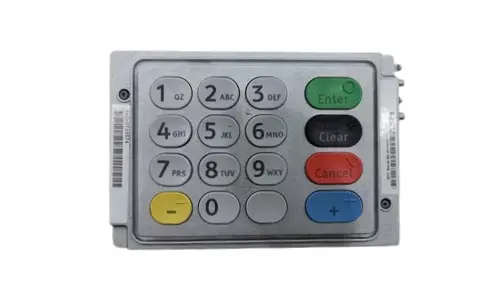
Understanding the Role of EPP3 PIN Pads in ATM Security
The change from old PIN entry systems to more advanced encrypted keypads shows how the financial industry is adapting to more complex attack methods. Knowing what makes modern solutions different helps procurement teams make smart choices that keep their networks safe.
What Makes EPP3 Different from Earlier Generations?
When devices switched from EPP2 to EPP3, encryption strength and resistance to tampering got a lot better. In earlier models, security was mostly based on software layers. EPP3 PIN Pad technology, on the other hand, uses hardware-level encryption to keep PIN data safe within a secure cryptographic boundary. Because of this change in architecture, sensitive data will never be stored in plain text outside of the protected module. This makes it much harder for hackers to steal data. Adding Secure Reading and Exchange of Data (SRED) features makes this protection even better by encrypting everything from the moment a customer touches the keypad.
Hardware Architecture Supporting Master Key Protection
The inside of EPP3 PIN Pad devices is made up of several security layers that work together. A tamper-responsive mesh surrounds the cryptographic processor, making a wall that erases the key right away if it is broken through. Environmental sensors keep an eye on changes in temperature and chemical exposure that could mean an attack is happening. The secure memory module saves encryption keys in a way that makes them impossible to get back once the device detects a breach. With this multi-layered approach, attackers can't get to the master keys by drilling, heating, or exposing them to chemicals, which are common ways to break into less complex devices.
Compatibility Across Diverse ATM Platforms
In modern ATM networks, equipment from a number of different manufacturers and time periods is common. This idea of compatibility is shown by our EPP3 PIN Pad (5815), which work with NCR Selfserv ATMs and have both USB and RS232 interfaces to work with older systems while still providing the highest level of security. Standard WOSA/XFS banking software environments work perfectly with the device. This lets financial institutions improve security without having to replace whole ATM networks. This backward compatibility is especially helpful for fleet managers who have to manage mixed fleets in different parts of the world where standardizing equipment is still hard to do.
Core Security Benefits of Using EPP3 PIN Pads
Features that improve security directly lead to operational benefits for banks and service providers. Investing in advanced PIN entry technology pays off in a clear way: it stops fraud and lowers the costs of responding to incidents.
Industry-Leading Encryption Standards
Using Triple DES (3DES), RSA with 2048-bit keys, and AES encryption algorithms gives you a number of different cryptographic choices that can be used in a range of regulatory settings and security policies. Different countries have different rules that financial institutions must follow. Being able to change encryption methods to match local rules makes managing networks easier. Security researchers all over the world have carefully analyzed these algorithms, so you can be sure that encrypted data will be safe even if it is intercepted while being sent. The PCI-PTS certification that comes with these encryption features shows that the EPP3 PIN Pad meets Payment Card Industry standards for PIN transaction security, which is a must if you want to process cardholder data.
Real-Time Tamper Detection and Response
Physical attacks on ATMs have become more complex. Now, organized crime groups use special tools to get to the sensitive parts of the machines. The EPP3 PIN Pad protects against these threats with active defenses that work without the main computer of the ATM. When sensors pick up on unauthorized access, like when the case is opened, the mesh is broken, or there are strange conditions in the environment, the device deletes cryptographic keys from memory right away. This automated response takes milliseconds, which is faster than anything a person or software could do. The tamper-evident design also makes it clear when a device has been hacked, so service technicians can find the affected units during regular maintenance and stop fraud before it happens.
Durability in Challenging Operational Environments
ATMs that are placed near the street are constantly under stress from the environment. The front panels of our devices are rated IP65, which means they stay waterproof and dust-proof even when they are in direct rain or wind. 304 or 316L grade stainless steel is used to make the keys, so they won't rust in coastal areas where salt air speeds up metal breakdown. Temperature tolerance from -25°C to +65°C makes sure that it works in all kinds of weather, from the cold winters in the Nordic countries to the hot summers in the Middle East. With an IK08 rating for impact protection, the device can withstand hammer blows and attempts to pry it open, so it can keep working even when it's been vandalized. This tough construction means that the device will need to be replaced less often and cost less to maintain over its lifetime.
Reducing Long-Term Operational Costs
Aside from the initial purchase price, the total cost of ownership includes visits for maintenance, replacement parts, and losses due to fraud. The over 2 million activation cycles per key make them much more durable than regular keypads, so they don't need to be serviced as often and technicians don't have to be sent out as often. When things go wrong, our 30-day warranty and 24-hour support response times keep downtime to a minimum, which means you don't lose transaction revenue. The ability to stop fraud is likely the most important cost benefit. Just one breach that is stopped can save tens of thousands of dollars in direct losses, fines, and damage to the company's reputation. These things make the EPP3 PIN Pad investment a good idea, even for operators who are watching their budgets.
Comparing EPP3 PIN Pads with Other PIN Pad Solutions
When making a purchase decision, it's helpful to know how different solutions compare in terms of cost, security, and dependability. There are many choices on the market, and picking the right one requires looking at both technical specs and the supplier's skills.
Performance Advantages Over Legacy Systems
Older PIN entry devices don't have the built-in security features that newer devices come with as standard. Many old systems keep encryption keys in the main computer memory of the ATM. This leaves sensitive data open to malware or people who have physical access to the ATM. By keeping keys inside the PIN pad, the switch to hardware-encrypted modules gets rid of this risk. Performance improvements can also be seen in response times and key sensitivity.
Newer devices provide consistent tactile feedback over millions of presses, while older keypads get dead spots that make customers angry and lead to service calls. The path from EPP2 to EPP3 technology brings measurable security improvements without replacing all of an institution's ATMs. This makes it an easy improvement for institutions that already have infrastructure in place.
Cost Considerations for Bulk Procurement
Buyers of EPP3 PIN Pads are usually financial institutions and service businesses that buy between dozens and thousands of them. Volume pricing structures have a big effect on project budgets, which makes choosing a supplier an important financial choice. As a manufacturer with more than 20 years of experience in ATM solutions, we can offer competitive prices that are based on direct production costs instead of markups from multiple distributors.
There are both brand-new and professionally refurbished units in great shape, which gives operators options as they try to balance quality needs with limited budgets. Lead times of 15 to 20 working days make it possible to plan your inventory with confidence, and keeping enough stock on hand makes sure that urgent replacement needs can be met without having to wait for long periods of downtime.
Reliability Data from Field Deployments
Performance that has been shown to work in real-world situations is more important than theoretical specifications. Our EPP3 PIN Pad has been used in a lot of different banking networks in Southeast Asia, the Middle East, Africa, and Latin America, with a wide range of different environments and usage patterns. Financial equipment distributors and ATM repair shops have confirmed that the devices continue to work even in harsh conditions that would break down lesser units.
The combination of polycarbon and steel keys meets a variety of use cases. For example, polycarbon keys provide great tactile response in high-traffic retail settings, while steel keys offer the highest level of vandalism resistance in unsupervised outdoor settings. This reliability that has been tested in the field lowers the risk that comes with using new technology.
Procurement and Deployment Guide for EPP3 PIN Pads
In order to move from selection to implementation, you need to think about how to source, deliver, and install the product. A well-planned deployment keeps ATM networks running as smoothly as possible while ensuring that all the security benefits are fully realized.
Sourcing Through Authorized Distribution Networks
Working with well-known manufacturers and distributors lowers the risks of getting fake parts and bad customer service. Since 2008, HONGKONG RONG MEI TECHNOLOGY CO., LIMITED has worked with the financial equipment industry, making connections with distributors around the world. Our ISO9001-2008 certification and the integration of our ERP system show that our operations are mature enough to support reliable order fulfillment.
When looking at suppliers, checking their certifications, production capabilities, and support infrastructure can help you find long-term partners. More than 80% of ATM modules and parts can be bought from a single source. This makes it easier to manage purchasing logistics and vendor relationships, which is especially helpful for operators who have to manage a wide range of equipment.
Managing Bulk Orders and Delivery Logistics
For large-scale deployments, it's important to coordinate when things are made, shipped, and put in place. Our 3000 square meter building has separate mold rooms, departments for injection molding (including EPP3 PIN Pads), and quality control areas that allow us to meet the needs of the institution's production volumes. Shipping options by sea, land, and air give you choices that let you balance cost and urgency. You can choose which shipping method to use based on project deadlines and budget limits. By planning ahead for lead times, you can make sure that parts arrive when installation teams are supposed to, which avoids costly delays where technicians wait for parts or devices sit in warehouses without crews being available.
Installation and Configuration Best Practices
Clear instructions on how to install things help system integrators and service technicians do their jobs better. Different ATM architectures can be used with the USB and RS232 interfaces, and the connection protocols are based on industry standards. Secure key injection can only happen in controlled environments and must follow written steps that keep the cryptographic materials' chain of custody intact.
The encryption algorithms, key management protocols, and tamper response parameters that are set in the configuration should all be in line with the security policies and rules of the institution. After the initial sale, we offer full support for all sub-modules and spare parts, including technical help when integration problems arise or when custom configurations are needed.
Ongoing Support and Firmware Updates
Security threats are always changing, so your software needs to be updated from time to time to keep protecting you from new attack methods. Firmware updates fix vulnerabilities that have been found and add features that have been suggested by users in the field. Setting up schedules for updates and procedures for deployment keeps the security up to date without stopping operations.
When technical problems happen, our support team is available 24 hours a day to help with remote diagnostics, video guidance, or multilingual documentation. The 30-day warranty covers problems with the product's manufacturing, and the longer-term support commitment shows that we know that long-term partnerships, not one-time sales, are the key to customer success.
Future-Proofing ATM Security with EPP3 PIN Pads
When making investment decisions, companies should think about not only their current needs but also how the technologies they choose will help them adapt to new trends and changes in the law. The world of security is always changing, and the choices we make today about infrastructure will have an effect on our abilities for years to come.
Integration with Next-Generation Authentication Methods
Biometric authentication and mobile payment integration are the way of the future when it comes to money transfers, but PIN-based verification will still be useful for a while longer. Modern EPP3 PIN Pad devices can use hybrid authentication models, which combine entering a PIN with scanning a fingerprint or recognizing a face. This gives users more security than just one factor.
This gives us the freedom to move slowly toward more advanced authentication while still being able to work with existing card stocks and customer habits. As standards groups work to create next-generation security frameworks, the cryptographic processing power built into hardware-encrypted modules can support new protocols. This protects the value of the investment as technology improves.
Regulatory Compliance and Risk Management
Financial regulators around the world are continuing to make it harder to make transactions safe and keep customer data safe. EPP3 PIN Pad devices are PCI-PTS certified, which means they meet current Payment Card Industry standards. The security architecture behind them also prepares for stricter standards in the future. Third-party validation and documented security features make auditing easier and show that the right protections are in place.
More and more, risk management frameworks stress proactive security measures over reactive incident response. The tamper-responsive design of modern PIN pads is an example of this preventative approach. Institutions with strong security controls pay less for insurance, get less attention from regulators, and have more trusting customers.
Scalability for Multi-Channel Banking Demands
As banks move toward omnichannel strategies, the lines between ATM networks, mobile banking, and branch operations become less clear. Having security features that work across multiple channels makes things easier for customers and makes sure that they always have the same experience. EPP3 PIN Pad devices use encryption standards and key management protocols that are compatible with larger payment security ecosystems. This makes it easier for them to work with point-of-sale systems, kiosk networks, and online banking platforms.
This ability to work with other devices becomes more useful as banks offer more self-service options besides just traditional ATM functions, like paying bills, opening an account, and applying for a loan. Organizations can get ready for this multichannel future by choosing security components that work on multiple platforms.
Conclusion
Master key security is what keeps ATM networks safe, and the EPP3 PIN Pad gives financial institutions the protection they need in a world where threats are getting worse. Hardware-level encryption, tamper-responsive design, and environmental resilience work together to solve both current security problems and new risks. When purchasing managers look at their choices, the benefits over older systems and competing solutions make it clear that the new ones are better in terms of security, dependability, and total cost of ownership.
Helpful instructions for deployment and ongoing support make sure that the technical capabilities are turned into real-world protection. As the world of financial services moves toward unified multichannel delivery and better authentication methods, companies that invest in certified, field-proven security components will be able to adapt while keeping customer data and institutional assets safe.
FAQ
1. What security advantages does EPP3 offer compared to older PIN pad models?
EPP3 PIN Pad devices use hardware-level encryption that keeps cryptographic operations inside a safe area. This is different from older software-based methods where keys were stored in main computer memory and could be accessed by malware or physically. The advanced tamper-responsive mechanisms erase the key right away when they detect attempts to break in.
2. Can EPP3 PIN pads integrate with our existing NCR Selfserv ATM infrastructure?
Our EPP3 PIN Pad (5815), for example, work with NCR Selfserv ATMs because they have standard USB and RS232 interfaces that work with WOSA/XFS banking software. You can just plug these devices into older PIN pads to use them instead. ATM systems will need to be configured, but not built from scratch.
3. What are typical delivery timelines for bulk orders?
Standard lead times are 15 to 20 working days from the time an order is confirmed. This allows for scheduling and quality control processes that make sure the device works well. If you need something quickly, having stock of commonly ordered configurations can cut down on delivery times. Shipping methods—sea, land, or air—affect the total delivery time. The options chosen are based on project timelines and cost considerations that were talked about during planning the procurement.
Partner with RM for Secure ATM Solutions
Every EPP3 PIN Pad supplier relationship RM makes is based on our more than 20 years of specialized experience making financial equipment. Our operations are ISO9001-2008 certified, and we have strict quality control measures in place to make sure that the devices we sell meet the high standards for security and dependability that your ATM network needs. We have both brand-new units with the latest features and professionally refurbished units that are a great value. Our inventory includes both polycarbon and steel key configurations that can be used in a variety of settings.
The 30-day warranty and 24-hour technical support make sure that your team can get help if they have any questions during setup or use. Get in touch with Tang@atm-part.com right away to talk about your specific needs, get detailed technical specifications, or get bulk pricing for your upcoming deployment. Our team knows how hard it can be for service and financial institutions to find the right suppliers. That's why we come up with solutions that meet both short-term needs and long-term partnership goals that will support your security infrastructure as it grows.
References
1. Anderson, R. (2020). Security Engineering: A Guide to Building Dependable Distributed Systems (3rd ed.). Wiley Publishing. Chapter 11: Banking and Bookkeeping.
2. Payment Card Industry Security Standards Council. (2019). PCI PIN Transaction Security (PTS) Point of Interaction (POI) Modular Security Requirements Version 6.0. PCI Security Standards Council LLC.
3. Murdoch, S.J., Drimer, S., Anderson, R., & Bond, M. (2010). Chip and PIN is Broken. IEEE Symposium on Security and Privacy, 433-446.
4. European ATM Security Team. (2021). European Payment Terminal Crime Report. EAST Publication Series, Report 18.
5. Kaspersky Lab Global Research and Analysis Team. (2018). ATM and PoS Malware: Trends and Countermeasures. Kaspersky Lab Technical Report Series.
6. National Institute of Standards and Technology. (2020). Security Requirements for Cryptographic Modules (FIPS 140-3). U.S. Department of Commerce Publications.
Learn about our latest products and discounts through SMS or email