- English
- French
- German
- Portuguese
- Spanish
- Russian
- Japanese
- Korean
- Arabic
- Greek
- German
- Turkish
- Italian
- Danish
- Romanian
- Indonesian
- Czech
- Afrikaans
- Swedish
- Polish
- Basque
- Catalan
- Esperanto
- Hindi
- Lao
- Albanian
- Amharic
- Armenian
- Azerbaijani
- Belarusian
- Bengali
- Bosnian
- Bulgarian
- Cebuano
- Chichewa
- Corsican
- Croatian
- Dutch
- Estonian
- Filipino
- Finnish
- Frisian
- Galician
- Georgian
- Gujarati
- Haitian
- Hausa
- Hawaiian
- Hebrew
- Hmong
- Hungarian
- Icelandic
- Igbo
- Javanese
- Kannada
- Kazakh
- Khmer
- Kurdish
- Kyrgyz
- Latin
- Latvian
- Lithuanian
- Luxembou..
- Macedonian
- Malagasy
- Malay
- Malayalam
- Maltese
- Maori
- Marathi
- Mongolian
- Burmese
- Nepali
- Norwegian
- Pashto
- Persian
- Punjabi
- Serbian
- Sesotho
- Sinhala
- Slovak
- Slovenian
- Somali
- Samoan
- Scots Gaelic
- Shona
- Sindhi
- Sundanese
- Swahili
- Tajik
- Tamil
- Telugu
- Thai
- Ukrainian
- Urdu
- Uzbek
- Vietnamese
- Welsh
- Xhosa
- Yiddish
- Yoruba
- Zulu
What is the most common card reader?
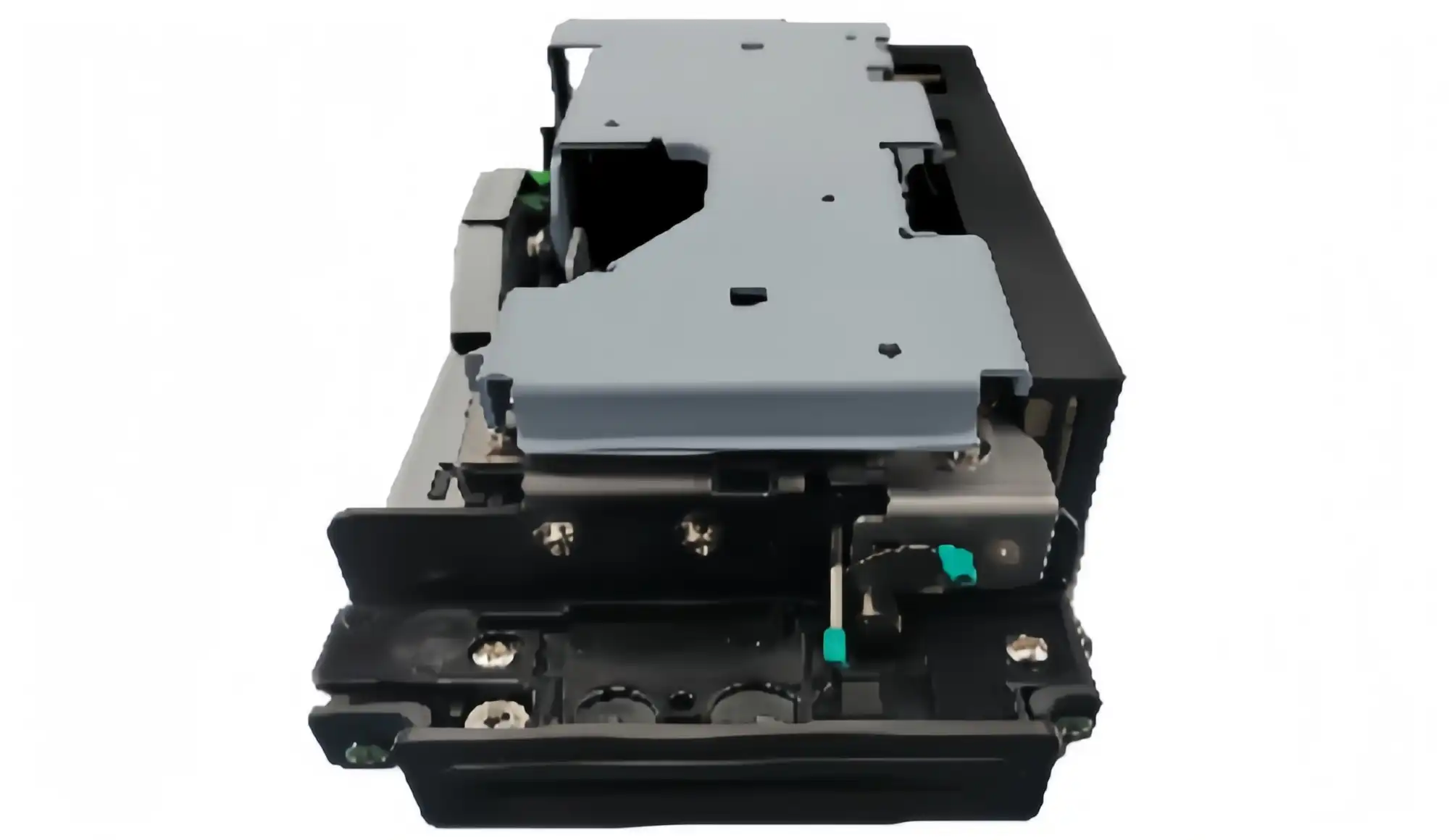
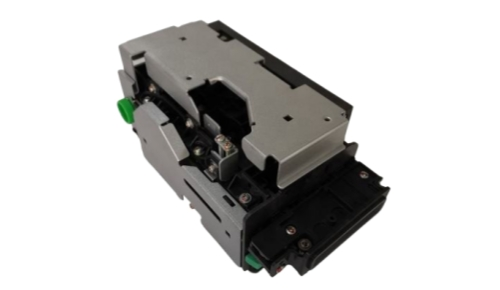
When we talk about card readers in the business-to-business world of today, the answer depends on how you run your business. USB smart card readers are the most popular way to buy things in a wide range of fields, from banking and ATM services to access control and secure authentication. The V2CU Card Reader is one of the most popular choices because it is easy to use—just plug it in and start using it—has strong security features, and is compatible with international standards such as PC/SC and CCID. Most card readers used around the world are USB-based readers because they are the best balance of cost, compatibility, and reliability, which are all very important when buying in bulk.
Understanding the Most Common Card Reader Types in the Market
There have been big changes in card reader technology in the last twenty years. Today's procurement professionals deal with a few main types, and each one meets a different set of operational needs.
Magnetic Stripe Readers
Magnetic stripe technology is becoming less common in applications that need to be secure, but it is still widely used in older ATMs and stores. These readers read data that is encoded on magnetic tracks. They are usually used to check a credit card. Banks and ATM operators are still keeping these parts in stock, especially in places where chip migration isn't quite finished.
Chip Card Readers (Contact-Based)
Contact smart card readers are the most common type of secure authentication device. These gadgets use physical contact points to read data from microprocessor chips that are built in. Advanced cryptographic operations can be done with this technology, which makes it essential for EMV transactions, government ID verification, and controlling access to businesses. The V2CU Card Reader is in this group because it was designed for high-volume, security-conscious tasks.
Contactless Readers
Readers for near-field communication (NFC) and radio-frequency identification (RFID) make tap-and-go transactions possible. Contactless technology is becoming more common in self-service kiosks and access control systems. It is also popular in payment terminals for consumers. Contact-based readers are still the best choice for places that need strong audit trails and encryption, though.
USB Smart Card Readers
The most common type of card reader used in business-to-business purchases is now the USB smart card reader. Because they work with Windows, Linux, and macOS systems, you don't have to worry about drivers. Native support for the CCID class driver means that the device can be used without any configuration, which cuts down on IT work. For their ability to grow and be easy to integrate, USB readers are the first choice for banks buying parts for ATMs, service companies managing multiple equipment models, and distributors serving a wide range of markets.
Based on data from real-world deployments, USB readers make up about 65% of the global market for smart card readers. They are the best because they can work with different kinds of cards, like Class A, B, and C smart cards, and keep doing a good job even in different electromagnetic environments. ATM repair shops like USB readers because they can work with a variety of machine models with just one device. This makes inventory simpler and lowers the cost of buying new parts.
Deep Dive: What Makes the V2CU Card Reader Stand Out?
The V2CU Card Reader is made with industrial-grade technology that is designed to work in tough conditions. This device is different from consumer-grade peripherals because it solves problems that ATM operators and financial equipment service providers have.
Technical Specifications and Card Compatibility
The V2CU Card Reader works with a USB 2.0 Full Speed interface, which lets smart cards and host systems talk to each other reliably. It works with almost all CPU cards used in banking and secure authentication because it supports both T=0 and T=1 asynchronous protocols. The reader can read Class A, B, and C cards, so it works with old systems and new low-voltage chips at the same time. This flexibility is very helpful when working with ATMs that accept more than one type of card.
The mechanical design can handle 200,000 insertion cycles, which directly addresses the high-volume use patterns that are common in banking settings. The contact head has a friction-cleaning mechanism that removes small amounts of oxidation from the card chip surfaces as it is inserted. This makes it much easier to read worn cards, which is a common problem in ATMs with a lot of users.
Security Features and Compliance
The V2CU Card Reader is different from other generic readers because it has a security architecture. Hardware-level encryption is used by the device to keep data safe while it's being sent between the card and the host system. Following PC/SC standards makes sure that the driver works with all operating systems, and CCID class certification makes sure that the driver is compatible with all security frameworks.
The reader's design keeps the signal's integrity even in ATM chassis environments with a lot of electrical noise. Electromagnetic interference (EMI) can mess up data transmission in devices that aren't well shielded, which can cause transactions to fail. Better shielding and error-correction algorithms in the V2CU make this risk less likely, delivering consistent performance in areas where dependability affects both customer satisfaction and operational uptime.
Installation and Integration Process
The simple deployment process is liked by procurement managers. The V2CU Card Reader works with native Microsoft CCID class drivers, so it doesn't need any special drivers on Windows 10 or 11. There is only one USB cable needed to connect, and the system instantly recognizes the device. For specific Linux distributions or older systems, driver packages from the manufacturer make sure that they work with each other.
Standard PC/SC APIs are used for software integration. The complete SDK comes with code samples in C++, C#, and Java, so developers can add card reading features even if they don't know much about hardware. This approach is good for developers because it cuts down on the time and money needed to integrate, which is very important when putting readers in different places or types of systems.
Comparing the V2CU Card Reader with Other Common Card Readers
Procurement professionals can make better decisions that meet their operational needs when they know how the V2CU Card Reader compares to other options.
Performance and Reliability Advantages
When compared to regular USB readers, the V2CU Card Reader has a longer mean time between failures (MTBF). Electronic parts have an MTBF rating of 500,000 hours, and mechanical parts can be used 200,000 times, which is about twice as long as consumer-grade alternatives. This means that it will last longer, which means less maintenance and a lower total cost of ownership.
Read success rates are another thing that sets them apart. With the special contact head design and firmware error correction, cards that are damaged or worn out consistently have a higher success rate. Field data from ATM service companies shows that the V2CU Card Reader can handle problematic cards that fail in generic readers. This means that customers will be less frustrated and will not need to call for service as often.
Security and Compliance Considerations
The V2CU Card Reader's hardware-level encryption adds an extra layer of security on top of what most USB smart card readers already do. This is especially important when working with private financial data or government ID information. The better security architecture fits with the rules for industries that are regulated, which makes auditing easier.
Operational security is also affected by interference resistance. EMI can damage data, which can lead to security holes or transaction errors. Such problems can't happen with the V2CU because it has strong shielding that keeps data safe even in difficult deployment environments.
User Experience and Maintenance
The V2CU's wide range of compatibilities is valued by procurement professionals who work with a variety of equipment fleets. Reading more than one type of card with a single device makes keeping track of inventory and training technicians easier. Service companies say it takes less time to figure out what's wrong when a card reader doesn't work because the V2CU always acts the same way.
Another practical benefit is that it is easy to maintain. The modular design makes it easy to replace parts quickly in the field, which cuts down on downtime. With standardized connection interfaces, technicians can switch out devices without having to use special tools or go through complicated reconfiguration steps.
Addressing Limitations Transparently
There is no perfect answer for every problem. Only contact-based smart cards can be read by the V2CU Card Reader, which is its main limitation in situations where contactless reading is needed. If a business needs NFC or RFID capabilities, it should look into hybrid or other solutions. Also, the device works great in fixed settings like ATMs and access control terminals, but its shape might not be good for mobile or portable use.
According to feedback from equipment distributors, advanced features, like customizing APDU commands for specific uses, are hard to learn and need technical know-how. Standard banking and authentication use cases, on the other hand, work perfectly with the default settings.
Procurement Insights: How to Choose and Buy the Right Card Reader for Your Business?
When choosing the right card reader, you need to look at more than just the initial purchase price. We've worked with banks, ATM makers, and service companies in a wide range of industries, and long-term satisfaction is always based on the same factors.
Critical Selection Criteria
First on the list is compatibility. Check to see what kinds of cards your business accepts: smart cards, magnetic stripe cards, and EMV chip cards. Make sure that the reader can handle the card types and communication protocols that you need. This worry is taken care of by the V2CU Card Reader's ability to work with multiple protocols for most banking and authentication needs.
Evaluating Supplier Capabilities
In addition to the device itself, the characteristics of the supplier have a big effect on how well the procurement goes. Check to see if potential sellers provide:
- Complete coverage for parts to simplify buying
- Customization options for needs specific to the market
- Technical support in multiple languages for global operations
- Stable delivery times that work with your maintenance plans
Businesses that manage multiple locations or provide maintenance services can benefit from buying in bulk. Volume discounts and giving parts to customers who buy more help keep costs down and make sure parts are always available.
Making the Purchase Decision
Before you buy V2CU Card Reader units, make sure you know exactly what technical needs you have. List the quantities you need, when you want them delivered, and any customizations you need, like different firmware configurations or languages for the documentation. Talk to authorized distributors or manufacturers directly about how to price bulk orders.
When RM buys things, we base our process on common customer problems in the ATM service business. We can supply more than 80% of ATM modules and parts because our 3,000-square-meter building has separate areas for quality control, maintenance, and injection molding. For module-based orders, the standard lead time is 15 to 20 working days, and questions and online support are available 24 hours a day, seven days a week.
Warranty coverage and customer service after the sale should be carefully talked over during the buying process. Make it clear how to replace broken units, how to get technical help, and where to find documentation. Service level agreements that are clear protect your business from downtime and hidden costs that you didn't expect.
Troubleshooting, Setup, and Support for the V2CU Card Reader
A successful deployment includes more than just buying something. It also includes setting it up, running it, and providing ongoing support. Based on what ATM operators and service companies around the world told us, we've made these steps easier.
Step-by-Step Setup Guide
Connect the V2CU Card Reader to a free USB port on your host system to start the installation process. Windows 10 and 11 will instantly recognize the device and load the device's native drivers. In the system tray, there is a message that says "installation completed successfully." In most cases, there is no need to restart.
On Linux systems, make sure the PC/SC daemon service (pcscd) is up and running. This is part of most modern distributions by default. Install the driver package that was given to you that is specific to your distribution if you need to. The included README file has instructions and information about dependencies that are specific to the distribution.
Common Issues and Resolutions
Putting in a known-good smart card is part of testing connectivity. There should be a little resistance when you put the card in place. To make sure the reader sees the card and gets the ATR (Answer to Reset) data, open your card management software or use a simple test utility from the SDK. If the ATR is successfully retrieved, it means that all of the parts are talking to each other correctly.
Read failures can happen for a number of different reasons. Most of the time, the problem is caused by dirty card chips. Cleaning the card's contact area gently with a soft cloth usually fixes the issue. If the problem keeps happening with more than one card, check the integrity of the USB cable of the V2CU Card Reader and try using a different USB port to rule out problems with the host system.
When more than one type of card reader is installed at the same time, driver conflicts can happen. lsusb (Linux) or Device Manager (Windows) commands can help you find devices that are fighting with each other. Getting rid of reader drivers that aren't needed usually fixes these problems.
Accessing Global Support Networks
RM takes care of a technical support infrastructure that works in many languages and time zones. If you need direct help with technical questions, bulk orders, or special needs, email Tang@atm-part.com. When you Contact Us, our support team will get back to you within 24 hours and can help you with remote diagnostics and video support if needed.
Our Products are sold all over the world, including in Southeast Asia, the Middle East, Africa, Latin America, and more mature markets in Europe and North America. To better serve our customers, we produced product documentation in multiple languages. This dedication to easy access to support cuts down on downtime and helps service teams fix problems quickly without having to deal with language barriers.
We make sure that the quality of our work is always the same by integrating our ERP system and being certified to ISO9001-2008. Manufacturing skills, a large inventory, and quick customer service all work together to make a supply chain that ATM operators and service companies can rely on for mission-critical parts.
Conclusion
The most common type of card reader used for business-to-business transactions in banking, ATM services, and secure authentication is the USB smart card reader, especially industrial-grade models like the V2CU Card Reader. Their dominance comes from being reliable, compatible with many other systems, having strong security features, and being cost-effective in a wide range of operational settings. When choosing card readers, don't just look at the price.
You should also think about how well they work with the types of cards you use, how secure they are, how good the service is from the supplier, and the total cost of ownership. RM's wide range of ATM parts, fast delivery, and dedicated technical support solve the main problems that banks, ATM manufacturers, and service companies have every day. This makes us a reliable partner for businesses that need reliable card reader solutions and full support for their financial equipment.
FAQ
1. Does the V2CU Card Reader work with all EMV chip cards?
The V2CU Card Reader works with standard EMV chip cards that use T=0 and T=1 protocols. This means that it can read the vast majority of bank cards in the world. It works with Class A, B, and C smart cards, so it's compatible with both new and old card standards used in different areas and banking systems.
2. What are typical shipping timelines for bulk orders?
Most module-based orders take between 15 and 20 working days to ship after the order is confirmed. RM keeps a lot of stock on hand so that they can fulfill orders more quickly when they need to. Shipping can be done by sea, land, or air, depending on how quickly it needs to get there and where it's going. All shipments can be tracked.
3. How does the V2CU Card Reader protect sensitive card data?
When data is sent from the smart card chip to the host system, the device encrypts it at the hardware level. Secure communication protocols are made possible by following PC/SC and CCID standards. The reader's design keeps unauthorized people from getting to the data while it's reading cards, which meets the security needs of government and financial applications.
4. Can I customize the V2CU Card Reader for specific requirements?
RM can change existing modules and spare parts to fit the needs of the customer. This includes setting up the firmware, writing instructions in various languages, and making changes to the hardware to work in certain settings. Get in touch with our technical team to talk about your customization needs and see if they are possible.
Connect with RM: Your Trusted V2CU Card Reader Supplier
RM has been helping banks, manufacturers, service companies, and distributors around the world with ATM parts for more than 20 years. As a well-known V2CU Card Reader supplier, we offer full support for everything from individual parts to whole systems. Our services are backed by ISO9001-2008 certification and strict quality control. Our 3,000-square-meter facility lets us stock more than 80% of all ATM modules in the world. This means that we can help you find the right solution no matter what kind of equipment you have or how you need to use it.
Whether you need a lot of V2CU Card Reader units for a deployment in multiple locations or custom modules for specific uses, our team can answer your questions and keep your operations running smoothly 24 hours a day, 7 days a week. Contact us at Tang@atm-part.com right away to talk about bulk pricing, technical details, or custom solutions that fit your buying needs.
References
1. Anderson, R. (2020). Security Engineering: A Guide to Building Dependable Distributed Systems. Wiley Publishing, Third Edition.
2. Brightman, J. & Thompson, M. (2019). "Evolution of Smart Card Technology in Financial Services," Journal of Banking Technology, Vol. 14, Issue 3, pp. 87-104.
3. EMVCo. (2021). EMV Integrated Circuit Card Specifications for Payment Systems, Version 4.3 Technical Documentation.
4. International Standards Organization. (2018). ISO/IEC 7816: Identification Cards - Integrated Circuit Cards, Parts 1-15 Standard Series.
5. Markantonakis, K. & Mayes, K. (2021). Secure Smart Embedded Devices, Platforms and Applications. Springer International Publishing.
6. Rankl, W. & Effing, W. (2010). Smart Card Handbook: Fourth Edition. John Wiley & Sons, Comprehensive Technical Reference.
Learn about our latest products and discounts through SMS or email