- English
- French
- German
- Portuguese
- Spanish
- Russian
- Japanese
- Korean
- Arabic
- Greek
- German
- Turkish
- Italian
- Danish
- Romanian
- Indonesian
- Czech
- Afrikaans
- Swedish
- Polish
- Basque
- Catalan
- Esperanto
- Hindi
- Lao
- Albanian
- Amharic
- Armenian
- Azerbaijani
- Belarusian
- Bengali
- Bosnian
- Bulgarian
- Cebuano
- Chichewa
- Corsican
- Croatian
- Dutch
- Estonian
- Filipino
- Finnish
- Frisian
- Galician
- Georgian
- Gujarati
- Haitian
- Hausa
- Hawaiian
- Hebrew
- Hmong
- Hungarian
- Icelandic
- Igbo
- Javanese
- Kannada
- Kazakh
- Khmer
- Kurdish
- Kyrgyz
- Latin
- Latvian
- Lithuanian
- Luxembou..
- Macedonian
- Malagasy
- Malay
- Malayalam
- Maltese
- Maori
- Marathi
- Mongolian
- Burmese
- Nepali
- Norwegian
- Pashto
- Persian
- Punjabi
- Serbian
- Sesotho
- Sinhala
- Slovak
- Slovenian
- Somali
- Samoan
- Scots Gaelic
- Shona
- Sindhi
- Sundanese
- Swahili
- Tajik
- Tamil
- Telugu
- Thai
- Ukrainian
- Urdu
- Uzbek
- Vietnamese
- Welsh
- Xhosa
- Yiddish
- Yoruba
- Zulu
What is a dip card reader?
A DIP Card Reader, which stands for "Direct Insertion Protocol," is an electrical device that you place by hand and is designed to read magnetic stripe and smart card data very reliably. The DIP Card Reader is different from motorized readers or swipe readers that move cards automatically based on the user's speed. With this reader, users have to fully insert and then remove cards to finish deals or make chip contact. These hybrid readers can work with ISO 7810 magnetic stripes, ISO 7816 contact ICs, and ISO 14443 contactless RF protocols all at the same time. This makes them flexible for a wide range of payment and access control needs.
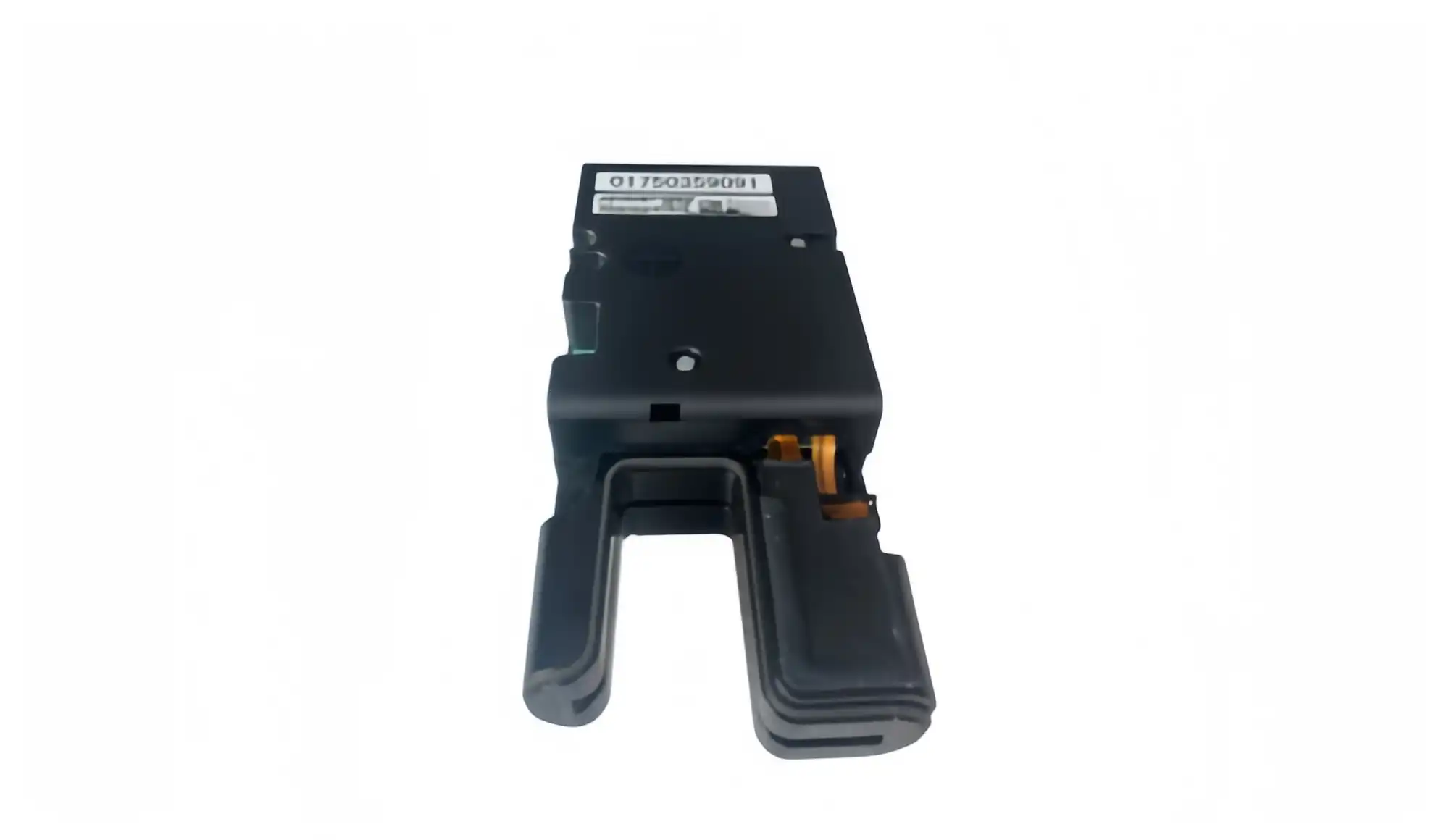
Understanding What a DIP Card Reader Is
Card reading technology has changed a lot to meet the needs of businesses that need more security and dependability. DIP Card Readers work by physically touching cards with complex mechanical systems that make sure the same amount of data is captured no matter how fast or slow the user inserts the card.
Core Technology and Operating Principles
Motorized transport belts have a high rate of mechanical failure, especially in dusty or difficult settings. The basic design gets rid of that problem. These readers have advanced bezel designs and jitter detection algorithms that stop data transfer if proper speed profiles are not met during insertion. This stops people from skimming.
Professional-grade models have strong electrical specs made for places with a lot of foot traffic. Standard connections include RS232, USB-HID, and USB-CCID, as well as DIP Card Reader, so that they work with Windows, Linux, and Android without any problems. The operating voltage is usually between 5V DC and 12V DC, and the idle power use is less than 50mA, which is very low.
Industry Applications and Use Cases
Businesses that make things, banks, and service providers all depend on these gadgets because they are reliable and safe. They have a small physical size, which makes them perfect for kiosks where room is extremely limited.
Key Features and Advantages of DIP Card Readers
Today's companies need card readers that are safe, work well, and last a long time. In a business setting, these gadgets have the following main benefits:
• Enhanced Security Architecture: DUKPT (Derived Unique Key Per Transaction) and 3DES/AES encryption are built in to protect private data at the hardware level before it is sent to host systems.
• Multi-Format Compatibility: High-coercivity magnetic tracking reads tracks 1, 2, and 3 in both directions, and it works with a number of different chip card formats to give you the most options.
• Environmental Resilience: models with an IP54 rating can handle temperature changes from -20°C to +60°C, which means they can be used outside in places like gas pumps and EV charging points.
• Extended Operational Lifespan: With proper care, mechanical parts can withstand 500,000 to 1,000,000 insertion rounds, which greatly lowers the cost of replacement.
All of these benefits work together to solve important problems in the business and keep performance high in tough working conditions. These readers are great for unsupervised setups where dependability is very important because they have security features and are built to last.
Performance Specifications and Quality Standards
Professional models must meet the requirements of EMV Level 1 approval for both touch and contactless operations. This makes sure that they can work with payment networks around the world. PBOC 3.0 rules and CE/FCC/RoHS environmental standards show that they are even better for use in other countries. Advanced wobble compensation techniques and Automatic Gain Control technology make it possible for worn or damaged cards to read faster, so even older magnetic stripe media can still be used efficiently.
Comparison and Selection Guide for DIP Card Readers
To choose the best card reading options, you need to carefully weigh the technical requirements against the business needs. When used in certain situations, DIP Card Reader technology has clear benefits over other options.
DIP vs. Contactless Technology Analysis
Traditional contact-based readers are safer than contactless ones because you have to consciously enter the card to use them instead of activating them by closeness. Because of this, they are perfect for high-security apps that need users to connect with them on purpose. The process of manually inserting the card adds an extra layer of security that stops nearby cards from being scanned without permission. Contactless readers, on the other hand, can handle more transactions faster and wear down less easily, so they are good for high-volume, quick-service settings.
Wired vs. Wireless Configuration Considerations
The installation setting has a big effect on the choices for connection. For permanent placements, wired setups with RS232 or USB links (e.g., for a DIP Card Reader) offer stable, interference-free data transfer. Wireless versions give you more options for deployment, but they might need extra security measures (e.g., for a DIP Card Reader) to keep data from being stolen. Different configurations also need different amounts of power, and wired types usually work better in situations where they are constantly being used.
Manufacturer Evaluation Criteria
Leading makers set themselves apart by the quality of their Products, their ability to get certifications, and their help after the sale. Buyers should judge providers by how well they can provide detailed technical information, the terms of their warranties, and the availability of new parts.
Procurement and Sourcing Tips for DIP Card Readers
To buy card reading tools strategically, you need to know how the market works and what the suppliers can do. Good sourcing methods can have a big effect on both the original prices and the long-term costs of running a business.
Supplier Qualification and Assessment
To find suitable suppliers, you have to look at their manufacturing skills, quality control systems, and expert help systems. Suppliers should show that they follow the industry standards that apply and give thorough product specs that meet the needs of the rollout. When technology is used in rural or unattended areas where it may need to be replaced quickly, warranty terms and service level agreements become very important, especially for equipment like the DIP Card Reader. Knowing how to contact suppliers and how long it takes for them to respond helps reduce the effects of any downtime that might happen.
Cost Optimization Strategies
Volume purchasing deals often save a lot of money and make sure that the supply chain is always available. But buyers should weigh the instant cost saves against the risks of technology becoming obsolete and the cost of keeping inventory. Opportunities for OEM partnerships may offer extra value by letting you customize products and giving you direct access to expert support. These deals can be especially helpful for businesses that need custom setups or help with integration.
Future Trends and Innovations in DIP Card Reader Technology
The card reading business is always changing to keep up with new security threats and changing customer needs. Knowing about these trends helps people who work in buying make smart choices about where to invest in technology and how to plan upgrades.
Advanced Security Implementations
To protect against online risks that are getting smarter, next-generation encryption standards are being built into gear. These methods make security better without slowing down transactions or making the user experience worse. Biometric integration skills are becoming more common as extra ways to prove your identity that make things safer generally while keeping the ease of card-based access.
IoT and Cloud Platform Integration
More and more modern DIP Card Reader devices can link to the internet of things (IoT) so that they can be managed and monitored from afar. This connection lets you plan maintenance ahead of time and check on the performance of all of your setups in real time. Cloud-based management systems make it easier to update configurations and apply security policies across big installations by letting you handle multiple reader deployments from one place.
Market Growth and Opportunity Analysis
Demand from the healthcare, manufacturing, and financial services sectors is expected to keep the industry growing. This growth means that both well-known suppliers and new companies with creative, specialized solutions can make money. Card reading options that are dependable, affordable, and can work well in tough environments are in high demand, especially in emerging markets.
Conclusion
DIP Card Reader technology is a mature, reliable option for businesses that need to read cards in a safe and long-lasting way. These devices are perfect for tough work settings because they have a tried-and-true mechanical design, advanced security features, and a wide range of connection options. Procurement experts can make choices that balance short-term costs with long-term operational benefits when they know the technical specs, application requirements, and supplier capabilities. As technology keeps improving with more secure features and the ability to connect to the internet of things (IoT), these readers are still important parts of complete systems for controlling entry and making payments.
FAQ
1. How does the reader handle premature card removal during processing?
Professional models have locking locks or clamping devices that are controlled by software and physically hold cards in place once chip contact is recognized. This keeps data from getting damaged and makes sure the transaction is finished before the card is released.
2. Can these readers function reliably in outdoor environments?
Models that have an IP grade of 54 or higher are especially made to be used outside. They have special bezels with openings for water draining and conformal-coated PCBs that keep them working even when it rains or condensation forms on them.
3. What maintenance requirements extend operational lifespan?
Using pre-saturated alcohol cleaning cards every 1,000 cycles or once a week in places with a lot of dust gets rid of magnetic oxide buildup and contact pad contamination. The 500,000-cycle design life is greatly increased by this simple repair procedure.
4. Do these readers support encrypted data transmission?
Advanced models use DUKPT and 3DES/AES encryption right in the hardware, which protects private card data before it connects to host computers via USB or RS232, stopping "man-in-the-middle" attacks.
5. Why might the reader fail to read older magnetic stripe cards?
Card demagnetization or too much entry noise can make reads fail. High-end software has jitter compensation techniques and Automatic Gain Control technology that boosts weak signals from worn-out cards, which makes read success rates much higher.
Partner with RM for Reliable DIP Card Reader Solutions
RM Technology brings over 20 years of expertise in financial equipment manufacturing, offering comprehensive DIP Card Reader solutions that meet the strict needs of current business settings. Our production center is 3,000 square meters and is ISO9001-2008 certified. It has specific quality control systems, mold rooms, and injection molding departments to make sure that the standard of our products is always high. We sell more than 80% of the ATM modules and parts that are offered around the world. We can customize our products to meet the needs of each market, and we offer 24-hour expert help in multiple languages. Contact Us at Our skilled team at Tang@atm-part.com can help you find the best DIP Card Reader supplier agreements in terms of both cost and performance, whether you need to buy in bulk for big deployments or need custom setups for specific uses.
References
1. International Organization for Standardization. "ISO 7816: Identification Cards - Integrated Circuit Cards." Technical Specification for Contact IC Card Standards, 2019.
2. EMV Consortium. "EMV Level 1 Contact Interface Specification." Global Payment Technology Standards Documentation, 2018.
3. National Institute of Standards and Technology. "NIST Special Publication 800-78: Cryptographic Algorithms and Key Sizes for Personal Identity Verification." Federal Information Processing Standards, 2020.
4. Institute of Electrical and Electronics Engineers. "IEEE 802.11 Wireless LAN Security Protocols for Card Reader Applications." Technical Standards Publication, 2019.
5. Payment Card Industry Security Standards Council. "PCI DSS Requirements for Card Reading Device Security." Data Security Standard Guidelines, 2021.
6. International Electrotechnical Commission. "IEC 62304: Medical Device Software Lifecycle Processes Applied to Card Reader Systems." International Technical Standard, 2018.
Learn about our latest products and discounts through SMS or email