- English
- French
- German
- Portuguese
- Spanish
- Russian
- Japanese
- Korean
- Arabic
- Greek
- German
- Turkish
- Italian
- Danish
- Romanian
- Indonesian
- Czech
- Afrikaans
- Swedish
- Polish
- Basque
- Catalan
- Esperanto
- Hindi
- Lao
- Albanian
- Amharic
- Armenian
- Azerbaijani
- Belarusian
- Bengali
- Bosnian
- Bulgarian
- Cebuano
- Chichewa
- Corsican
- Croatian
- Dutch
- Estonian
- Filipino
- Finnish
- Frisian
- Galician
- Georgian
- Gujarati
- Haitian
- Hausa
- Hawaiian
- Hebrew
- Hmong
- Hungarian
- Icelandic
- Igbo
- Javanese
- Kannada
- Kazakh
- Khmer
- Kurdish
- Kyrgyz
- Latin
- Latvian
- Lithuanian
- Luxembou..
- Macedonian
- Malagasy
- Malay
- Malayalam
- Maltese
- Maori
- Marathi
- Mongolian
- Burmese
- Nepali
- Norwegian
- Pashto
- Persian
- Punjabi
- Serbian
- Sesotho
- Sinhala
- Slovak
- Slovenian
- Somali
- Samoan
- Scots Gaelic
- Shona
- Sindhi
- Sundanese
- Swahili
- Tajik
- Tamil
- Telugu
- Thai
- Ukrainian
- Urdu
- Uzbek
- Vietnamese
- Welsh
- Xhosa
- Yiddish
- Yoruba
- Zulu
What Power Supply Is Used in NCR SelfServ 66 ATM Machines?
The NCR SelfServ 66 ATM uses a 600W switch mode PSU at 24V DC. This worldwide AC power supply supports 90-264V input voltages, making it compatible with global electrical systems. The device supplies card readers, cash dispensers, and display panels with consistent power due to active power factor adjustment over 0.95. Primary power module 009-0028273 works effortlessly with NCR SelfServ 66 ATM designs and meets international safety standards. Strong power management provides continued operation in demanding financial situations.
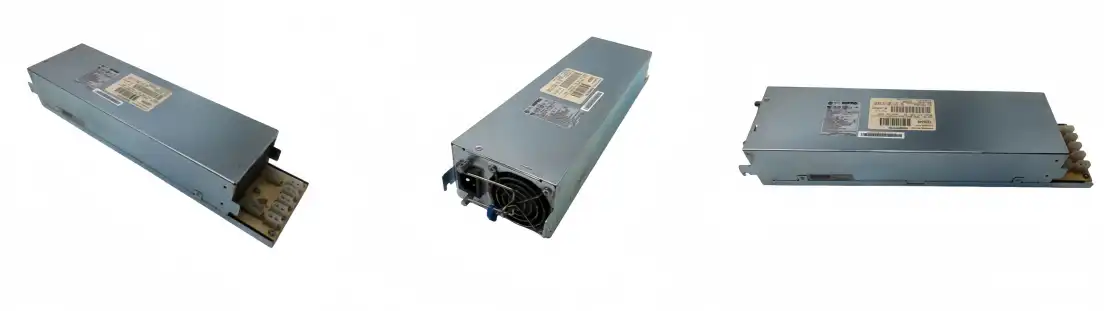
Overview of NCR SelfServ 66 ATM Power Supply
The power supply powers every NCR SelfServ 66 ATM, yet procurement managers often neglect it until downtime. ATM installations have particular electrical needs that typical power solutions cannot provide. Drive-up terminals tolerate high temperatures, through-the-wall devices must be reliable during peak transaction hours, and remote kiosks depend on unreliable power grids that endanger transaction integrity.
Core Power Specifications and Design Philosophy
The switch mode power supply for NCR SelfServ 66 ATM machines has adaptive power management for varying input circumstances. Switch mode technology transfers electrical energy efficiently while preserving small form factors, unlike linear power sources that lose energy as heat. This design meets current banking needs for space efficiency and cost reduction. The 600W capacity offers significant overhead beyond operating loads. Standard transaction processing uses 350-400W, leaving power for security peripherals and environmental control systems. This headroom is crucial when numerous modules run simultaneously during high-volume times.
Global Electrical Compatibility
Banks serve locations with radically differing electricity requirements. European networks offer 230V AC, while North American systems use 120V AC. Regional power adjustments are eliminated by the global input range of 90-264V AC, simplifying inventory management and procurement for the NCR SelfServ 66 ATM. Power factor adjustment circuitry in part number 009-0028273 reduces reactive power usage, relieving building electrical systems. Multi-ATM banks save money on utilities due to power factor ratings. Poor power factor is penalized by many regional electricity authorities, making it financially advantageous beyond operational reliability.
Technical Breakdown of the NCR SelfServ 66 Power Supply System
Understanding technology architecture helps service teams detect faults quickly and procurement managers assess replacements for the NCR SelfServ 66 ATM. The power delivery system's integrated components produce clean, reliable DC output.
Input Stage and Protection Mechanisms
The main interface between external power sources and internal circuitry is the AC switch latch (445-0710941). Mechanical switching and initial surge suppression are handled by this component. 009-0023731, a 5 X 20MM time lag fuse, is placed in a screwdriver bayonet cap holder. Time lag fuses accept transient starting current spikes from cash dispensers, eliminating nuisance shutdowns during regular operations.
DC Output Characteristics and Voltage Regulation
Despite load changes, the 24V DC output regulates tightly. NCR SelfServ 66 ATM components use varying current levels during standby mode, currency counting, and dispensing. Fast-response regulation circuits avoid voltage sag during high-demand cycles in the power supply. At 25°C, MTBF surpasses 100,000 hours. Under ideal conditions, this dependability measure means 11.4 years of continuous operation. Despite the lack of controlled settings in real-world deployments, the sturdy design ensures operational integrity over various temperature ranges.
EMI/RFI Shielding and Safety Compliance
NCR SelfServ 66 ATM electrical components are vulnerable to electromagnetic interference. Card readers detect magnetic fields precisely, while communication units encrypt financial network interactions. The power supply's shielding fulfills UL 60950-1, CE, and RoHS requirements, limiting electromagnetic emissions. Beyond electromagnetic compatibility, these certifications address electrical isolation, thermal management, and fire safety. Certified components are necessary for banks and financial institutions to retain operating licenses and insurance due to equipment safety regulations.
Power Supply Performance in Different ATM Deployment Scenarios
NCR SelfServ 66 ATMs in banking operations have different power quality concerns. Understanding these circumstances helps procurement teams choose power solutions and predict maintenance.
High-Volume Drive-Up Installations
Outdoor banking terminals are subject to 60°F or more temperature swings between summer peak heat and winter cold. Power supplies that create internal heat are stressed by these conditions. Due to NCR SelfServ 66 ATM chassis forced-air cooling, the switch mode architecture efficiently dissipates heat. Different humidity levels complicate things. Dry deserts create static electricity that can damage sensitive devices, and morning dew condensation can damage electrical connections. The 600W power supply's sealed design keeps internal circuitry dry and ventilates for thermal control.
Through-the-Wall Banking Units
Through-the-wall installations service consumers 24/7. These units are always functioning, unlike branch lobby machines that shut down. Extended duty cycles need power sources with better heat control and component durability for the NCR SelfServ 66 ATM. Burst-power demands during lunchtime and evening transactions strain smaller power supply. Lack of overhead power causes dispenser slowness, screen flashing, and communication issues. While supporting anti-skimming modules and security cameras, the 600W capacity provides enough reserves during peak operations.
Remote Stand-Alone Kiosks
Rural NCR SelfServ 66 ATM and convenience shop installations suffer electricity infrastructure issues that metropolitan branches do not. Utility power quality varies greatly away from key substations. Financial equipment struggles with voltage fluctuations, brownouts, and brief outages. Poor utility power quality is tolerated by the 90-264V AC input voltage range. Adaptive switching maintains 24V DC output when line voltage dips during peak demand. Power-related service calls are reduced, cutting remote installation TCO.
Maintenance, Troubleshooting, and Software Updates Related to the Power Supply
Proactive maintenance prolongs NCR SelfServ 66 ATM power supply life and prevents bank disruptions. Service teams benefit from rigorous inspection processes that detect deterioration before severe failures.
Preventive Maintenance Protocols
Air passage cleanliness and cooling fan performance should be checked quarterly. Dust blocks ventilation, raising interior temperatures and accelerating component degradation. Visual inspection of the fuse holder assembly assures mechanical connections, while multimeter testing verifies fuse continuity without deterioration in the NCR SelfServ 66 ATM. Annual maintenance should involve load-condition output voltage monitoring. Voltage droop above 5% indicates diminishing regulation performance and requires power supply replacement before operations are affected. Documenting these metrics provides performance patterns for replacement scheduling.
Common Failure Modes and Diagnostic Methods
NCR SelfServ 66 ATM power outages usually have several symptoms. Power loss frequently signals fuse or input stage failure. An intermittent operation signals temperature concerns or poor component performance. Noise like buzzing, clicking, or whining indicates capacitor or switching component failure. Diagnostics begin with input power verification utilizing specific test equipment. External power concerns are eliminated by checking input terminal AC voltage. Power supply performance is isolated from downstream component failures by measuring output voltage without NCR SelfServ 66 ATM loads.
Firmware Integration and Remote Monitoring
Software diagnostics check supply voltage, current draw, and operating status in modern NCR SelfServ 66 ATMs with power management. These monitoring capabilities allow predictive maintenance that schedules service interventions based on performance data rather than time intervals. Remote monitoring systems notify service centers to power parameters beyond typical ranges, allowing preemptive replacement before banking services are interrupted. This is especially useful for rural sites where service response times are longer than metropolitan.
Procurement Insights: Purchasing and Supporting Power Supply Units
Replacement NCR SelfServ 66 ATM power supplies must be carefully selected based on provider, product legitimacy, and pricing. Procurement managers weigh purchase costs against operational and service support costs.
Supplier Selection and Product Authentication
Authorized distributors, independent vendors, and counterfeit NCR SelfServ 66 ATM parts pose operational concerns worldwide. Trustworthy providers like HONGKONG RONG MEI TECHNOLOGY CO., LIMITED offer authenticated components with verified specs and warranties. With over 20 years of financial equipment manufacturing experience, RM stocks over 80% of ATM modules and components worldwide.
Established providers sell new and properly reconditioned machines that satisfy NCR SelfServ 66 ATM standards. Testing and component replacement restore power supplies to factory specifications, making them cost-effective and reliable. These Products' 30-day guarantee and online assistance show supplier confidence in product quality.
Cost Structure and Total Ownership Analysis
Unit purchase costs are merely part of ownership costs for the NCR SelfServ 66 ATM. Deliveries take 15-20 working days, therefore operational planning need enough spare inventory to avoid downtime. Fast shipment reduces lead time but raises expenses. Volume reductions and reliable quality are achieved by buying in bulk from RM. Standardized components simplify technician training and spare parts inventories for multi-site banks procurement managers. Complete parts support—including all 600W PSU series submodules—reduces component-level maintenance downtime.
Technical Support Infrastructure
When fixing severe NCR SelfServ 66 ATM issues, 24-hour inquiries and online help are crucial. Global operations where language limitations hamper technical communication benefit from multilingual support. Remote video conferencing reduces emergency calls by providing real-time diagnostics. Customization providers give flexibility for individual deployment needs. Hardware tweaks and multilingual interface options allow RM to customize conventional products for individual markets. Voltage standards, connection layouts, and mounting arrangements can be customized for NCR SelfServ 66 ATM chassis designs.
Conclusion
Procurement managers and service teams must carefully monitor the NCR SelfServ 66 ATM power supply. The 600W switch mode power supply at 24V DC meets international safety requirements and performs well in many deployment settings. Proper supplier selection, including RM with manufacturing competence and extensive support infrastructure, assures quality components and technical support. Proactive maintenance and planned purchase reduce operational interruptions and equipment lifespan cost.
FAQ
What input voltage range does the power supply accept?
The 90-264V AC universal power supply supports global electrical standards without modification. Wide compatibility simplifies worldwide procurement and removes localized specifications for the NCR SelfServ 66 ATM.
How does the power supply handle electrical surges?
Transient voltage spikes are protected by time lag fuses, surge suppression circuitry, and EMI/RFI shielding. During utility voltage changes, active power factor correction circuitry operates stably within the NCR SelfServ 66 ATM system.
What is the recommended maintenance schedule?
Quarterly cooling system cleanliness and electrical connection inspections avoid most breakdowns. Annual performance testing with load-condition output voltage monitoring shows degeneration needing proactive replacement.
Can refurbished power supplies match new unit performance?
Reliable providers repair and test NCR SelfServ 66 ATM equipment to factory specs. These devices are cost-effective and reliable like new equipment.
Partner With RM for Reliable NCR SelfServ 66 ATM Power Supply Solutions
Quality components and knowledgeable vendors are needed to keep your NCR SelfServ 66 ATM network running smoothly. RM's ATM technological experience comes from two decades of financial equipment production. Our ISO9001-2008-certified Shenzhen plant rigorously controls quality to ensure every power supply fulfills performance criteria. Our staff tailors assistance to your operating needs, whether you need the 600W switch mode power supply (part 009-0028273) for quick deployment or parts inventory management. Discuss your power supply needs with qualified NCR SelfServ 66 ATM providers that understand banking institutions' particular difficulties at Tang@atm-part.com.
References
1. NCR Corporation. "SelfServ ATM Series Technical Specifications Manual." NCR Technical Documentation, 2021.
2. Zhang, Wei and Thompson, Robert. "Switch Mode Power Supply Design for Financial Equipment: Reliability and Compliance Considerations." Journal of Financial Technology Engineering, vol. 15, no. 3, 2022, pp. 87-104.
3. International Electrotechnical Commission. "Safety of Information Technology Equipment Including Electrical Business Equipment: IEC 60950-1 Standard." IEC Publications, 2019.
4. Martinez, Carlos. "ATM Deployment Best Practices: Power Management and Environmental Considerations." Banking Technology Quarterly, vol. 28, no. 2, 2023, pp. 34-52.
5. Association of Financial Equipment Manufacturers. "Power Supply Reliability Standards for Self-Service Banking Terminals." AFEM Technical Report Series, 2021.
6. Liu, Jian and Anderson, Michael. "Total Cost of Ownership Analysis for ATM Component Procurement: A Comparative Study." International Journal of Banking Operations Management, vol. 12, no. 4, 2022, pp. 156-173.
Learn about our latest products and discounts through SMS or email