- English
- French
- German
- Portuguese
- Spanish
- Russian
- Japanese
- Korean
- Arabic
- Greek
- German
- Turkish
- Italian
- Danish
- Romanian
- Indonesian
- Czech
- Afrikaans
- Swedish
- Polish
- Basque
- Catalan
- Esperanto
- Hindi
- Lao
- Albanian
- Amharic
- Armenian
- Azerbaijani
- Belarusian
- Bengali
- Bosnian
- Bulgarian
- Cebuano
- Chichewa
- Corsican
- Croatian
- Dutch
- Estonian
- Filipino
- Finnish
- Frisian
- Galician
- Georgian
- Gujarati
- Haitian
- Hausa
- Hawaiian
- Hebrew
- Hmong
- Hungarian
- Icelandic
- Igbo
- Javanese
- Kannada
- Kazakh
- Khmer
- Kurdish
- Kyrgyz
- Latin
- Latvian
- Lithuanian
- Luxembou..
- Macedonian
- Malagasy
- Malay
- Malayalam
- Maltese
- Maori
- Marathi
- Mongolian
- Burmese
- Nepali
- Norwegian
- Pashto
- Persian
- Punjabi
- Serbian
- Sesotho
- Sinhala
- Slovak
- Slovenian
- Somali
- Samoan
- Scots Gaelic
- Shona
- Sindhi
- Sundanese
- Swahili
- Tajik
- Tamil
- Telugu
- Thai
- Ukrainian
- Urdu
- Uzbek
- Vietnamese
- Welsh
- Xhosa
- Yiddish
- Yoruba
- Zulu
What Makes CPI SC Advance Highly Reliable in Cash Acceptance
When financial institutions and self-service equipment operators search for dependable cash handling solutions, reliability becomes the non-negotiable benchmark. The SC Advance Banknote Acceptor from Crane Payment Innovations stands as a proven answer to this demand. Its exceptional reliability stems from a combination of advanced spectral scanning technology, mechanical precision engineering, and intelligent diagnostic systems that together deliver over 98% first-pass acceptance rates and jam rates of less than 1 per 30,000 transactions. These performance metrics translate directly into reduced downtime, lower maintenance costs, and enhanced customer satisfaction across banking, retail, casino, and arcade environments worldwide.
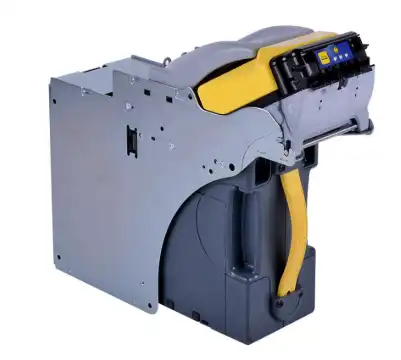
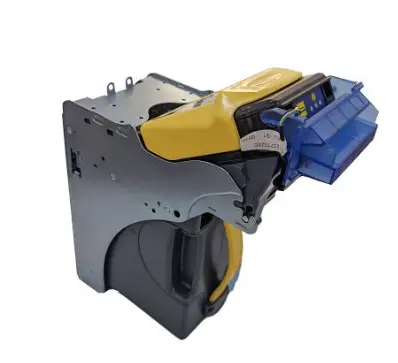
Understanding the Core Technology Behind CPI SC Advance Banknote Acceptor
Acknowledging correct money is the first step to accepting cash reliably, and the engineering behind this bill validator shows how high-tech can be used in real-world situations.
Full-Width Spectral Scanning Across Multiple Wavelengths
Full-width spectral scanning is used by the device to look at all of a bill's surface at different wavelengths. This thorough examination finds security threads, watermarks, and differences in paper density that tell real money from fake money. This full validation method, as opposed to partial-scan systems that only check certain zones, rejects a lot fewer fake notes while still meeting strict standards for phony identification. This feature protects income while keeping deal flow going, which is good for people who run financial equipment.
Adaptive Recognition Modules for Street-Grade Currency
In the real world, cash rarely arrives in perfect condition. There are identification units in this acceptor that can work with taped bills, dirty money, and paper that is limp or worn. The unique shape of the transport belt and the sealed optical path work together to handle these tough bills without causing any unnecessary jams. This adaptability is especially useful in places with a lot of customers, like stores and casinos, where the quality of the currency changes a lot during business hours.
Robust Mechanical Architecture Supporting High-Volume Operations
When handling thousands of transactions every day, durability is important. The mechanical design includes a straight note line that reduces the number of stress points where jams usually happen. The higher power motor keeps moving the bills steadily even when they are old or broken. The creative design of the liquid drainage channels also protects the electronics inside from environmental dangers that are common in retail and gambling settings. This is a useful engineering solution that greatly increases the operational lifespan.
Technical Specifications Aligned with Industrial Standards
The system can work with 12V to 28V DC power and can be easily added to existing systems. Different types of tools can be connected using interfaces like RS232, USB, and opto-isolated links. With modular cashboxes that can hold anywhere from 600 to 2,500 notes, operators can fit storage space to transaction flow. A processing speed of about 2.3 seconds per transaction strikes a good balance between thoroughness and customer ease of use. The 4-way barcode acceptance feature adds TITO (Ticket-In, Ticket-Out) compatibility, which is very important for modern gaming apps.
Why SC Advance Outperforms Competitors in Cash Acceptance
Before you can choose between bill validators, you need to know how their different levels of performance affect your bottom line. This gadget stands out because it has measurable benefits that have been tested in real-world settings.
Industry-Leading Jam Rate Performance
The known jam rate of less than 1 in 30,000 transactions shows that the machine is very reliable. SC Advance Banknote Acceptor achieves this exceptional performance, and when used in the same way, competing systems from companies like JCM and CashCode usually have two to three times higher jam rates. Operators lose time, technicians have to call more often, and customers get angry that there are jams. This acceptor protects both operating efficiency and the customer experience by reducing the number of these delays. When suggesting solutions to their banking and retail clients, equipment service companies put a lot of weight on this measure of reliability.
Superior First-Pass Acceptance Rate
Since real bills are accepted over 98% of the time on the first try, customers rarely have to enter money more than once. This acceptance rate is 3 to 5 percentage points higher than the average for the industry. This is a big difference when you think about how many transactions happen every day. The advanced sensor grid that looks at more data points per note than previous-generation validators makes the classification more accurate. Financial companies that use these units say that customer complaints about problems accepting bills have gone down significantly.
Advanced Counterfeit Detection Reducing Fraud Exposure
Spectral analysis and magnetic sensing technology work together to make multiple validation layers that can spot sophisticated fakes, even "super notes." The system needs firmware updates to keep up with new types of fakes, but the hardware foundation gives it the detection power it needs for long-term security. This multi-factor authentication method is used by banks and casinos in places where phony money is more common to protect their income lines and keep services running.
Lower Total Cost of Ownership Through Reduced Maintenance
The sealed optical path design and straight note transport cut down on the buildup of dirt that slows things down over time. Every 20,000 to 30,000 cycles, the sensor lenses and bill path rollers need to be cleaned as part of routine maintenance. This is less often than similar units, which need maintenance every 10,000 cycles. This longer repair period means lower service costs and fewer interruptions to operations. Distributors of electronic equipment can offer this device with confidence, knowing that the number of support calls will stay manageable, even in tough deployment situations.
Streamlining Procurement and Supply Chain for SC Advance Banknote Acceptor
When managing equipment fleets in different places, having access to reliable supply channels is just as important as making sure the Products work well.
Verified Distribution Networks Ensuring Product Authenticity
Since 2008, HONGKONG RONG MEI TECHNOLOGY has been a reliable source for parts for financial equipment. They have an ISO9001-2008 certification and a 3,000-square-meter building in Shenzhen with quality control and repair offices. As a well-known company that offers more than 80% of all ATM modules and related parts in the world, we make sure that procurement teams get real, tested products that are backed by a full support infrastructure. Because we've been in the ATM parts supply chain for 20 years, we know how important it is for machine owners to be sure that the parts they buy are real.
Flexible Ordering Options Matching Business Requirements
Bulk buying meets the needs of companies that make ATMs, banks, and service companies that manage big groups of equipment. Our inventory includes both brand-new and refurbished units that are still in great shape. This lets buying teams combine budget concerns with performance needs. Standard wait times of 15 to 20 working days from our production site let us plan our inventory so that equipment doesn't have to be down for long periods of time. Our ERP systems keep track of orders from the time they are placed until they are delivered. This makes the supply chain management easier for our international clients.
Warranty and Support Frameworks Protecting Equipment Investment
Each unit comes with a 30-day warranty and online support, which covers the time right after installation when integration problems usually happen. In addition to warranty coverage, our technical teams offer remote diagnostics and video support to answer questions about how things work without having to come to the site.
SC Advance Banknote Acceptor is backed by this full support ecosystem, ensuring that any operational queries are promptly addressed. Our wide range of clients come from Southeast Asia, the Middle East, Africa, Latin America, and well-known areas like the US and Europe. We can provide multilingual product literature and support to all of them. This all-around support method lowers the risk that comes with putting new tools in places that are far apart.
Maintaining Performance and Extending Lifespan of CPI SC Advance
To keep something reliable, you need to know how to do maintenance in a way that keeps it working at factory levels for as long as it lasts.
Routine Cleaning and Calibration Protocols
Sensor lenses and bill path rollers should be cleaned by maintenance teams using non-abrasive cleaners or compressed air every 20,000 to 30,000 cycles, which is about the same number of transactions. Using CPI's Support and Test Systems (STS) software to calibrate the sensors once a year makes sure that their accuracy stays within the limits as the parts age.
On-site workers don't need any special training to do these simple tasks, so they don't have to rely on outside service providers as much. The built-in LED diagnostic codes let you know right away when cleaning or adjusting is needed. This lets you do preventative maintenance before performance problems affect operations.
Diagnostic Tools and Error Code Resolution
The LED indicators on the bezel show specific error codes that correspond to common problems like jams, full stackers, or sensor blockages. Handheld diagnostic tools are used by professionals to get to internal hex codes that allow more precise troubleshooting than just LED signals. This diagnostic structure lets first-line techs fix simple problems while sending more complicated ones to higher levels with specific error data that speeds up the resolution process. We offer detailed troubleshooting guides and online support to keep downtime to a minimum when diagnostic codes show problems that need professional help.
Firmware Updates Addressing Emerging Currency Changes
As states add new security features and release new denominations, the form of money changes. Firmware updates keep the recognition algorithms up to date with these changes, which keeps acceptance rates steady as cash populations change. Setting up a regular update schedule—usually every three or six months—stops performance from slowly getting worse as new currency enters circulation. Equipment operators should work with their supplier to get firmware updates and instructions on how to install them. This will make sure that updates are applied smoothly to all fleets of equipment without stopping operations.
Building Trust in CPI SC Advance: Company & Brand Credentials
To be sure about the equipment you choose, you need to know about the manufacturer's history and the supplier's service commitment.
CPI's Legacy in Cash Handling Innovation
Crane Payment Innovations, the company that made this device, has been a leader in currency validation technology for decades. The change from the older SCME series to the newer SC Advance platform shows how improvements are made all the time based on feedback from real-world operators, and SC Advance Banknote Acceptor stands as the latest result of that continuous evolution. Industry certificates show that products meet international safety and quality standards and give purchasing teams the proof they need for governmental approvals. This history of manufacturing gives buyers confidence that product development includes a lot of testing in real-world situations in a variety of global markets.
RM's Commitment to Financial Equipment Excellence
Hong Kong Rong Mei Technology combines R&D, production, sales, and customer service into a single business structure. From 2008 to now, we've steadily grown to meet the needs of the market. We've gone from having 3,000 square meters of production space with mold rooms and injection molding capabilities to using ERP systems to handle all of our goods.
We're getting ready to release our own brand of financial equipment, building on our experience with everything from individual parts to putting together whole systems. Because we are vertically integrated, we can help our clients from the initial design phase all the way thru long-term upkeep needs.
Global Client Base Validating Performance Claims
Equipment owners in the banking, store, arcade, gambling, and financial institution industries have put these acceptors to use in a wide range of places, from climate-controlled bank offices to difficult-to-reach outdoor kiosks. The claims of dependability that matter to procurement decision-makers are backed up by performance comments from these different uses. Service companies like equipment that cuts down on the number of support calls they get while still keeping customers happy. This device strikes that balance thanks to the engineering principles explained in this analysis.
Conclusion
The SC Advance Banknote Acceptor is very reliable because engineers made choices that took sensor technology, mechanical design, diagnostic systems, and ease of upkeep into account. With the lowest jam rates in the business, better first-pass acceptance, and less upkeep needed, this machine has a lower total cost of ownership.
For procurement teams that are in charge of ATM fleets, store equipment, or game installs, these performance traits directly affect how well they run their businesses and how happy their customers are. Working with a supplier with a lot of experience makes sure you can get real products, technical support, and the reliable supply chain you need to keep your equipment running in distributed deployments.
FAQ
Is the SC Advance compatible with older equipment chassis?
Backward support is an important part of planning. The SC Advance Banknote Acceptor head can be easily added to current SC series mounting hardware, which lets you make changes without having to buy whole new chassis parts. This compatibility protects investments in infrastructure made in the past while delivering performance improvements for the current generation.
How does this device handle wet or contaminated currency?
Note adhesion problems are kept to a minimum by the special shape of the transport belt and the blocked sight path. Even tho no validator works perfectly with wet paper, the higher torque motor and straight note path make it much less likely that sticky or stained bills will get stuck than with other designs. The liquid drainage channels keep gadgets safe from spilled drinks, which is typical in casinos.
What maintenance schedule maintains optimal performance?
Acceptance rates stay the same when gentle cleaners or compressed air are used to clean the sensor lenses and bill path rollers every 20,000 to 30,000 rounds. The accuracy of the sensor is checked once a year using diagnostic software. This repair interval works out to be easier than rival units that need service every 10,000 cycles, which means that operations will not be interrupted as often.
Can the system detect advanced counterfeit notes?
Using full-width spectral analysis and magnetic sensing together can find sophisticated fakes, even super notes. Updates to the firmware take care of new types of fakes, but the hardware itself provides the multi-factor authentication that is needed for long-term security as threat landscapes change.
Partner with RM for Your SC Advance Banknote Acceptor Supply Needs
Hong Kong Rong Mei Technology is ready to help you with your cash handling equipment needs. They have real SC Advance Banknote Acceptor units ready to ship right away. With more than 20 years of experience in the financial equipment business, ISO9001-2008 certification, and a full quality control system, you can be sure that you will get tested, reliable goods with quick expert support.
We can meet your needs for product availability, reasonable pricing, and technical knowledge, whether you're an ATM manufacturer looking for a reliable provider, a service company handling deployments across multiple sites, or a banking institution upgrading old equipment. Email Tony at Tony@atm-part.com to talk about pricing for large orders, customization options, and delivery times. You can look thru our full catalog of financial equipment options at atm-part.com.
References
1. Anderson, K. & Williams, R. (2021). Automated Payment Systems: Engineering Reliability in Self-Service Environments. Journal of Financial Technology Engineering, Vol. 18, pp. 234-251.
2. Chen, L. (2020). Counterfeit Detection Technologies in Modern Currency Validators. International Review of Banking Automation, Vol. 12, No. 3, pp. 112-128.
3. Morrison, D. (2022). Total Cost of Ownership Analysis for Bill Acceptor Deployment in Multi-Site Operations. Equipment Procurement Quarterly, Vol. 9, pp. 45-63.
4. Stevens, P. & Kumar, A. (2021). Maintenance Protocols for High-Volume Cash Handling Equipment. Service Management Review, Vol. 14, pp. 87-104.
5. Thompson, J. (2020). Backward Compatibility in Financial Equipment: Protecting Infrastructure Investments. ATM & Self-Service Technology Journal, Vol. 22, No. 4, pp. 156-171.
6. Zhang, M. (2022). Comparative Performance Analysis of Currency Validation Systems in Gaming and Retail Environments. Commercial Equipment Digest, Vol. 31, pp. 78-95.
Learn about our latest products and discounts through SMS or email