- English
- French
- German
- Portuguese
- Spanish
- Russian
- Japanese
- Korean
- Arabic
- Greek
- German
- Turkish
- Italian
- Danish
- Romanian
- Indonesian
- Czech
- Afrikaans
- Swedish
- Polish
- Basque
- Catalan
- Esperanto
- Hindi
- Lao
- Albanian
- Amharic
- Armenian
- Azerbaijani
- Belarusian
- Bengali
- Bosnian
- Bulgarian
- Cebuano
- Chichewa
- Corsican
- Croatian
- Dutch
- Estonian
- Filipino
- Finnish
- Frisian
- Galician
- Georgian
- Gujarati
- Haitian
- Hausa
- Hawaiian
- Hebrew
- Hmong
- Hungarian
- Icelandic
- Igbo
- Javanese
- Kannada
- Kazakh
- Khmer
- Kurdish
- Kyrgyz
- Latin
- Latvian
- Lithuanian
- Luxembou..
- Macedonian
- Malagasy
- Malay
- Malayalam
- Maltese
- Maori
- Marathi
- Mongolian
- Burmese
- Nepali
- Norwegian
- Pashto
- Persian
- Punjabi
- Serbian
- Sesotho
- Sinhala
- Slovak
- Slovenian
- Somali
- Samoan
- Scots Gaelic
- Shona
- Sindhi
- Sundanese
- Swahili
- Tajik
- Tamil
- Telugu
- Thai
- Ukrainian
- Urdu
- Uzbek
- Vietnamese
- Welsh
- Xhosa
- Yiddish
- Yoruba
- Zulu
Import Guide: CPI SC Advance Bill Validator from USA Explained
Importing the SC Advance Banknote Acceptor from the USA involves understanding customs regulations, sourcing authentic units from verified suppliers, and ensuring compatibility with your existing cash-handling infrastructure. Manufactured by Crane Payment Innovations (CPI), this bill validator represents the next-generation evolution of currency recognition technology, designed specifically for high-volume environments like casinos, financial institutions, and retail operations. This guide walks you through technical specifications, procurement strategies, and integration considerations to help you make informed purchasing decisions that reduce total cost of ownership while maximizing operational uptime.
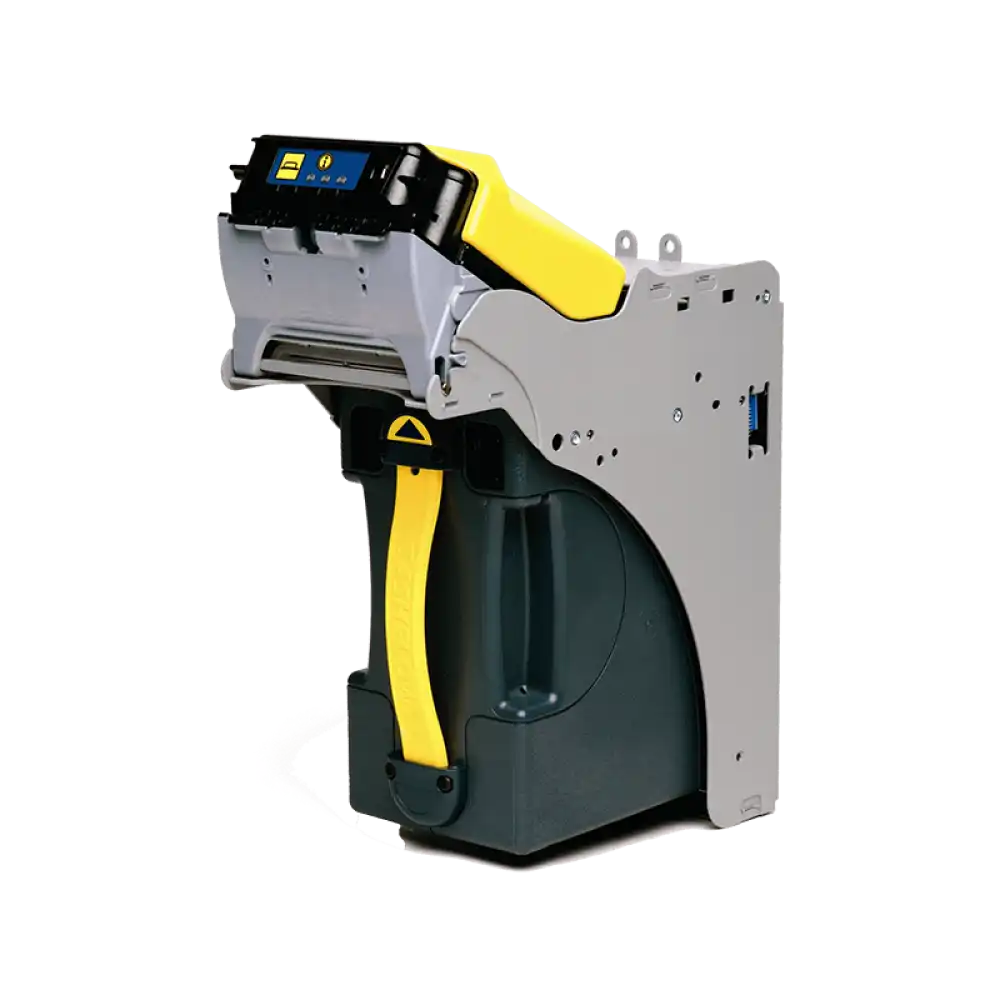
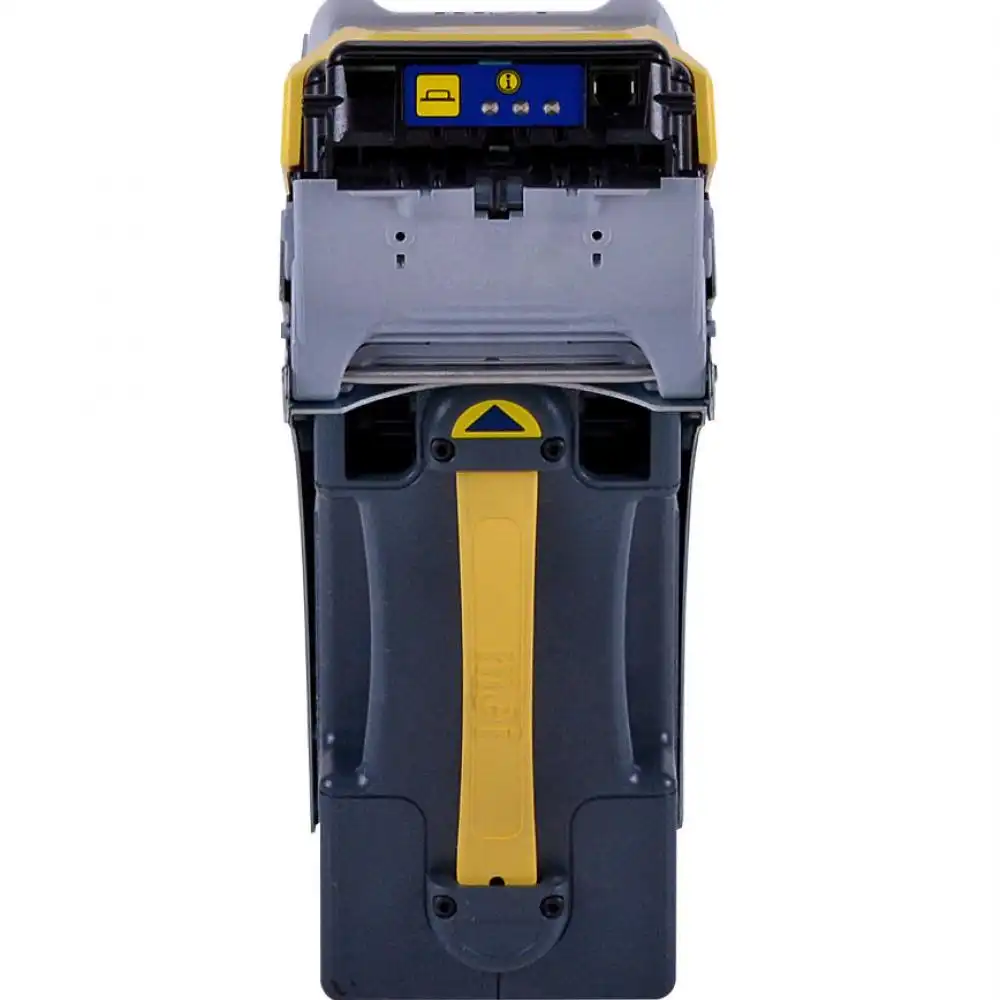
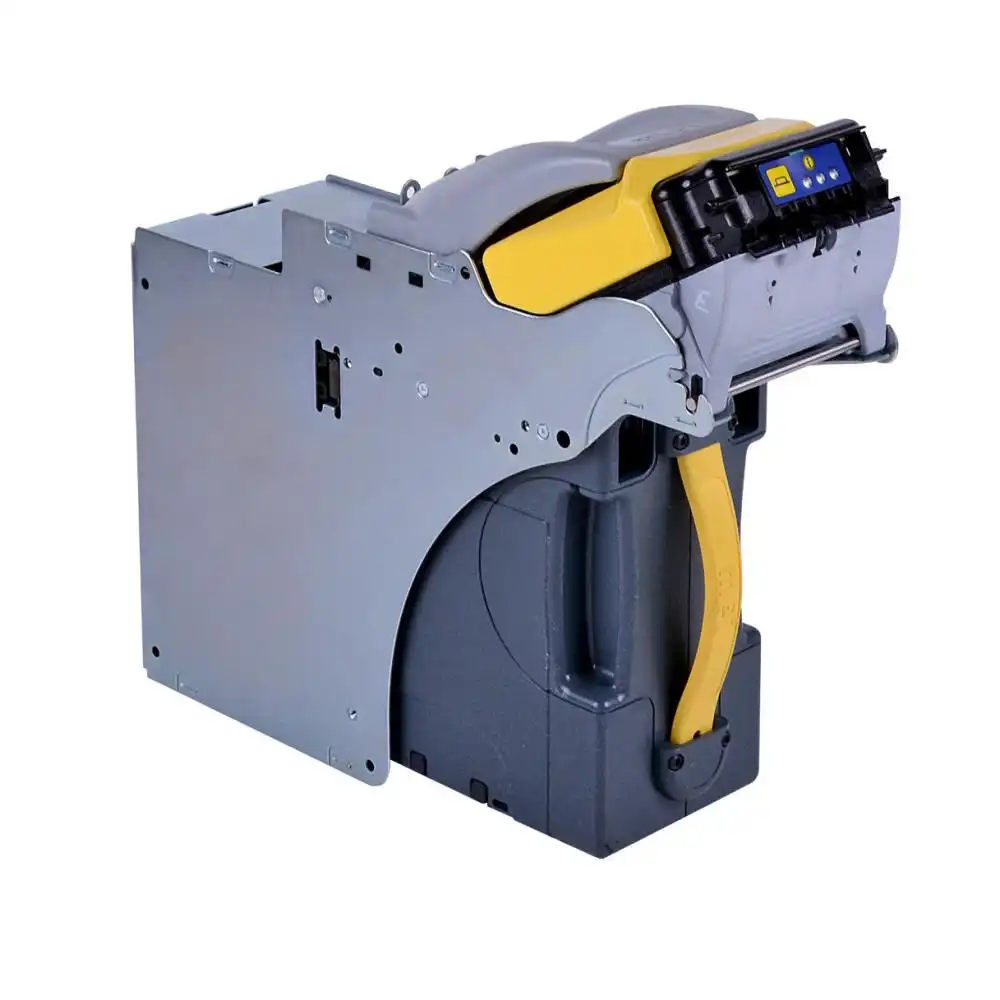
Understanding the CPI SC Advance Banknote Acceptor
The CPI SC Advance Banknote Acceptor is the gold standard in automatic technology for validating cash. It was designed to meet the strict needs of global B2B markets. This machine can process bills at a speed of about 2.3 seconds per transaction and has an amazing first-pass acceptance rate of over 98% for real bills. These speed measures directly lead to shorter wait times for customers and a better experience for users in a variety of deployment scenarios.
Core Technological Features
The main idea behind the gadget is full-width spectral scanning across multiple bands. This lets it find small security features built into current money. This multi-step authentication process checks the optical density, magnetic properties, and composition of the paper all at the same time. The system works reliably with power levels between 12V and 28V DC, so it can be used in a wide range of electrical environments around the world. As usual, the interface is flexible, with RS232, USB, and opto-isolated ports that make it easy to connect to both old and new systems.
Security and Fraud Prevention
Advanced tools for finding fakes keep your business safe from sophisticated fraud attempts. Super-dollar fakes can be found by the spectral analysis engine, which finds tiny differences in the ink's spectral reaction and the paper's authenticity. The eye path checks for watermarks and color-shifting features, while magnetic devices check the security threads. These multiple layers of security work together to keep operations honest even as fake methods change. This protects your income lines in the long term.
Modular Design and Capacity Options
Cashboxes can hold anywhere from 600 to 2,500 notes, so they can handle a wide range of transaction amounts without affecting how efficiently they use space. The modular architecture lets operators change the capacity based on changes in business needs or seasonal changes in demand. This scalability is especially helpful for operators with multiple locations who need standard equipment and flexible capacity management across a range of venues.
Why Choose CPI SC Advance Over Other Banknote Acceptors?
When procurement managers compare bill validators to competing Products from MEI and JCM, they focus on three important factors: how reliable the machines are, how accurate the acceptances are, and the total cost of ownership. The SC Advance Banknote Acceptor addresses these issues with new engineering features that have a direct effect on your bottom line.
Industry-Leading Jam Resistance
In automatic cash handling, mechanical jams are one of the most expensive ways that operations can be interrupted. The SC Advance has a jam rate of less than 1 in 30,000 transactions, which is much lower than the average for the business. It is reliable because of its special transport belt geometry and straight note path design, which reduce the number of friction points where bills tend to get stuck. The liquid drainage path keeps the electronics inside safe from environmental dangers that are common in places like casinos and stores, where spilled drinks are a constant threat to delicate equipment.
Superior Street-Cash Handling
Conditions for money in the real world are very different from those used for tests in a lab. Bills that need to be paid every day come taped, folded, limp, or dirty. Higher-torque motors and adaptable sensor tuning that changes based on note quality help the SC Advance handle these tough conditions. This feature makes customers happier and keeps transactions going even when the bill state would fool less powerful validators.
Backward Compatibility Value
Protecting capital investments is a big part of planning to utilize tools over a number of years. The SC Advance head can be added to an existing legacy SC chassis and mounting hardware. This lets upgrades be made in stages without having to replace the whole system. This backward compatibility greatly lowers the costs of moving, letting you update validation technology while protecting the infrastructure that has already been put in place.
Importing and Procuring SC Advance Banknote Acceptors for Global Markets
In order to get real CPI equipment, suppliers must be carefully checked out so that fake parts don't get in the way of performance or warranty coverage. For more than twenty years, HONGKONG RONG MEI TECHNOLOGY has sold verified SC Advance Banknote Acceptors to markets around the world. To make sure the products are real, the company keeps close ties with the makers.
Procurement Channels and Authentication
Authorized dealers are the safest way to get units because they sell originals and come with full maker support. Check a supplier's authorization status thru the official routes of CPI and ask for serial number proof before confirming big orders. RM units come with all the paperwork they need to clear customs in emerging markets in Southeast Asia, the Middle East, and Latin America. This includes certificates of origin that prove the country of origin.
Pricing Structures and Volume Considerations
Unit prices change based on the number of items ordered, their condition (new vs. refurbished), and how they need to be customized. When you buy in bulk, the price per unit is usually 15–25% less than when you buy in small lots. This makes volume buying helpful for businesses that have more than one location. RM's refurbishment process brings devices back to perfect working condition and backs them up with a warranty. This makes refurbished units a good option for buyers on a budget.
International Shipping and Lead Times
Lead times are usually between 15 and 20 working days, but they can be longer or shorter based on where the order is going and the shipping method chosen. For important missions, air freight speeds up delivery, while sea freight saves money on large shipments. RM works with foreign transportation partners to handle customs paperwork, figuring out duties, and delivering goods in the last mile in many areas. Clearing customs is easier when the right HS code is used. Most cash validators fall under the 8472.90 tariff group.
Customization and OEM Services
Customization of equipment meets the needs of specific markets where standard configurations might not work. RM lets you change the hardware, localize the firmware, and change the interface to fit different deployment situations. Multilingual display options and currency profiles for each region can be set up ahead of time before shipping, which makes installation easier when it gets to the customer's location. When wholesalers build customized kiosk or vending solutions around the SC Advance platform with the help of OEM partnerships, they can use private marking.
Warranty and Post-Sale Support
Standard coverage includes a 30-day guarantee with online technical help to fix problems with the product's functionality or flaws that show up during the first use. For long-term operational assurance, there are extended warranty programs available. RM's support infrastructure is available 24 hours a day, seven days a week for technical questions. Many problems can be fixed remotely, eliminating the need for on-site service calls. Video support meetings walk local techs thru troubleshooting steps, which cuts down on downtime in faraway areas where quick physical access may not be possible.
Technical Support and Troubleshooting for SC Advance Banknote Acceptor
To keep validators working at their best, you need to know about common operating problems and how to fix them. Most problems can be avoided by installing things correctly and keeping them in good shape. When problems do happen, careful fixing can resolve issues with the SC Advance Banknote Acceptor.
Installation Best Practices
Note acceptance rates are greatly affected by mounting orientation. To make sure that the note moves correctly thru the transport path, the validator has to be perfectly level. Environmental factors include making sure there is enough air flow to keep heat from building up and keeping liquids from getting in directly, even tho the drainage path is designed to do just that. Stability of the power source is very important. Voltage changes outside the 12V–28V band can make things act strangely or cause sensors to be miscalibrated.
Common Operational Issues
When acceptance rates go down, it's usually because the sensor is getting dirty from dust in the air or residue building up on optical parts. Every 20,000 to 30,000 transaction rounds, cleaning methods with compressed air and non-abrasive lens cleaners bring back performance. LED diagnostic codes help find the problem right away, and red flash patterns show when there is a jam, a full stacker, or a sensor clog. When LED indicators aren't enough to figure out what's wrong, professional diagnostic tools can read internal hex codes.
Maintenance Scheduling
Preventive maintenance keeps equipment running at its best and increases its lifespan. Transport belt condition, roller wear, and optical path cleanliness should be checked every three months. Using CPI's STS (Support and Test Systems) software to calibrate the sensor once a year makes sure that its response stays within factory standards. This is especially important as currency designs change to include new security features. As part of its maintenance services, RM offers original cleaning kits made just for SC Advance pieces.
Future Trends and Innovations in Bill Validation Technology
As payment systems move toward mixed cash-digital models, the bill validation business is under a lot of pressure to change. Knowing about these trends helps buying teams choose tools that will still be useful at the end of its useful life.
Hybrid Payment Integration
Validators today are used more and more as data collection points in larger networks for payment information. In later versions of the SC Advance, it will probably have better connectivity options that let you report transactions in real time, get maintenance alerts based on how the device is being used, and update the firmware remotely to add support for more currencies without having to physically access the unit. With this IoT integration, validators go from being stand-alone devices to being network endpoints that give business management systems practical data.
Enhanced Counterfeit Detection
As printing technology gets easier to get, counterfeiting gets more complex at the same rate. The next generation of detection will use machine learning algorithms to find patterns of oddities that humans and older sensors miss. Spectral analysis will cover more wavelength ranges, and sensors that can feel the texture of paper may also become available. These improvements will come as firmware changes for hardware systems that are already in use. This shows how important it is to choose validators with strong processing power that can handle more complicated algorithms in the future.
Sustainability Considerations
Environmental responsibility is becoming more and more important in buying things, and how much energy equipment uses and how easily it can be recycled at the end of its life are both taken into account when figuring out the total cost. CPI's design theory focuses on long-lasting parts and modular fix, which reduces electrical waste compared to single-use options. It's likely that future models will try to use less energy and include recyclable materials in parts of the structure that aren't essential.
Conclusion
The SC Advance Banknote Acceptor is a tried-and-true option for businesses that need to reliably validate currency in tough operating settings. Its high acceptance rates, low jam frequency, and backward compatibility give it measurable value by lowering maintenance costs and making the customer experience better. Working with well-known distributors like HONGKONG RONG MEI TECHNOLOGY to get these devices for use in other countries guaranties that the products are real, that the prices are fair, and that there is quick expert help throughout the lifecycle of the equipment.
Strategic procurement looks at more than just the initial costs of purchases. It also looks at long-term factors like the availability of spare parts, the ease of getting firmware updates, and the stability of the supplier. These all affect the true total cost of ownership over multiple years of deployment.
FAQ
What currencies does the SC Advance Banknote Acceptor support?
Downloadable currency profiles let you use more than one international currency on the device. The configuration is different for each model line (600, 900, 1200, or 2200) and firmware update. RM can set up units ahead of time to work with a certain area currency before they are shipped, or they can provide firmware changes that add support for more currencies as your business grows.
How does the SC Advance compare to MEI and JCM validators in reliability?
Benchmarking of performance shows that the SC Advance Banknote Acceptor has the same or better jam rates and acceptance accuracy than rival platforms. Backward compatibility is what sets this product apart, and the liquid drainage protection feature is especially useful in places where people often drink. Due to retrofit economics, the SC Advance usually has a lower total cost of ownership for operators who already have SC-series infrastructure.
What are typical lead times for bulk orders?
Standard production takes 15 to 20 working days from the time an order is confirmed until it is ready to be shipped. Lead times may be extended by 7–10 days for orders of more than 100 units, based on how busy production plans are at the moment. RM keeps a stock of popular configurations to speed up delivery for urgent needs. For in-stock models, air freight choices cut the total procurement cycle time to less than two weeks.
Get Your SC Advance Banknote Acceptor Solution from RM Today
Hong Kong Rong Mei Technology is ready to meet your bill validator needs with genuine CPI equipment, low prices, and technical know-how gained from 20 years of working in the financial equipment business. Our company has been selling SC Advance Banknote Acceptors for a long time, and we keep a large inventory of both brand-new and used units in a variety of model configurations to meet your needs.
Before the sale, our team does a full assessment to make sure that the equipment will work with your current systems. After the sale, we provide ongoing expert help to keep your systems running. Reach out to Tony@atm-part.com to discuss your specific needs, request volume pricing quotes, or arrange equipment demonstrations. Visit atm-part.com to explore our complete catalog of ATM components and self-service terminal solutions.
References
1. Crane Payment Innovations. (2021). SC Advance Bill Validator Technical Specifications Manual. CPI Engineering Documentation Series.
2. Financial Equipment Standards Association. (2022). Global Bill Validator Performance Benchmarking Study. FESA Industry Research Report.
3. International Gaming Standards Association. (2020). TITO System Integration Guidelines for Currency Validators. IGSA Technical Publication 47-B.
4. U.S. Customs and Border Protection. (2023). Harmonized Tariff Schedule Classification Guide for Financial Equipment. CBP Import Reference Documentation.
5. Payment Technology Consortium. (2023). Counterfeit Detection Technologies in Modern Bill Validators. PTC Quarterly Technical Review, Vol. 18, Issue 3.
6. Global Retail Automation Council. (2022). Total Cost of Ownership Analysis for Self-Service Payment Terminals. GRAC Procurement Best Practices Series.
Learn about our latest products and discounts through SMS or email