- English
- French
- German
- Portuguese
- Spanish
- Russian
- Japanese
- Korean
- Arabic
- Greek
- German
- Turkish
- Italian
- Danish
- Romanian
- Indonesian
- Czech
- Afrikaans
- Swedish
- Polish
- Basque
- Catalan
- Esperanto
- Hindi
- Lao
- Albanian
- Amharic
- Armenian
- Azerbaijani
- Belarusian
- Bengali
- Bosnian
- Bulgarian
- Cebuano
- Chichewa
- Corsican
- Croatian
- Dutch
- Estonian
- Filipino
- Finnish
- Frisian
- Galician
- Georgian
- Gujarati
- Haitian
- Hausa
- Hawaiian
- Hebrew
- Hmong
- Hungarian
- Icelandic
- Igbo
- Javanese
- Kannada
- Kazakh
- Khmer
- Kurdish
- Kyrgyz
- Latin
- Latvian
- Lithuanian
- Luxembou..
- Macedonian
- Malagasy
- Malay
- Malayalam
- Maltese
- Maori
- Marathi
- Mongolian
- Burmese
- Nepali
- Norwegian
- Pashto
- Persian
- Punjabi
- Serbian
- Sesotho
- Sinhala
- Slovak
- Slovenian
- Somali
- Samoan
- Scots Gaelic
- Shona
- Sindhi
- Sundanese
- Swahili
- Tajik
- Tamil
- Telugu
- Thai
- Ukrainian
- Urdu
- Uzbek
- Vietnamese
- Welsh
- Xhosa
- Yiddish
- Yoruba
- Zulu
SelfServ ATM Recycler vs Traditional ATM: Key Differences
Knowing the difference between a SelfServ ATM recycler and a regular ATM is important for operational efficiency when looking at modern cash management solutions. The SelfServ ATM recycler has advanced bill recycling units that accept, verify, and recirculate deposited bills so they can be used again for withdrawals. This creates a closed-loop cash ecosystem. Traditional ATMs, on the other hand, only do one thing: they give out cash. They can't accept deposits or recycle cash. This basic difference in technology directly leads to lower Cash-in-Transit costs, less machine downtime, and better management of cash inventory. These are all important factors for financial institutions that want to cut costs while keeping service quality high.
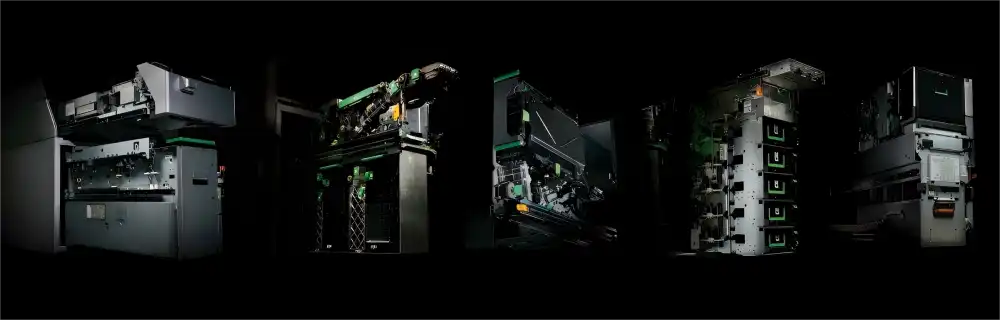
Overview of SelfServ ATM Recyclers and Traditional ATMs
The development of automated teller machines (ATMs) has completely changed how banks and other service providers handle cash flow. We've seen that understanding these changes in technology has a direct effect on decisions about what to buy and how efficiently operations run in the long term.
Advanced Cash Handling in SelfServ ATM Recyclers
SelfServ ATM recycler units are high-tech platforms for automating cash flow. They come with Bill Recycling Units (BRU) that can do more than one thing during a single transaction cycle. The Contact Image Sensors (CIS), Magnetic (MG), and Ultraviolet (UV) detection systems in these machines make sure that the money is real. The recycler's main jobs are to take deposits from customers, check the authenticity of the notes, sort them by fitness level, and store the bills in modular cassettes for later use. This closed-loop system drastically lowers the amount of "dead cash" that sits in machines unused, turning every deposit into inventory that can be withdrawn right away.
Processing speeds are usually between eight and twelve notes per second, and more than 200 notes can be entered at once. The storage system has four or five recycle cassettes, and each one can hold between 2,000 and 3,400 notes, depending on the type of currency and the thickness of the notes. This setup makes it possible for the machine to work in high-volume areas without having to be restocked often.
Traditional ATM Functionality and Limitations
Traditional ATMs are mainly used to give out cash, and their simple mechanical designs are geared toward getting and giving out notes. These machines don't have modules for accepting deposits or recirculating cash, so they need separate units for deposits only or manual teller services to accept cash. Because there is no recycling technology, each withdrawal uses up a cassette, and there are no chances to restock between armored car visits.
Conventional ATM security is mostly based on physical vault protections, PIN authentication, and basic devices that stop people from skimming. These systems work well for standard dispensing tasks, but they don't have the multi-spectral validation and counterfeit detection features that modern recyclers have. Approaches to maintenance are still mostly reactive, meaning that they only happen when something breaks or when the cassette runs out. Instead of diagnosing problems before they happen, maintenance is still mostly reactive.
Technological Distinctions That Impact Operations
There is a big difference between these two types of ATMs that goes beyond just comparing features. SelfServ ATM recycler models use real-time cash validation algorithms to check the condition of bills and separate dirty or damaged bills from bills that can be used in an ATM during the deposit process. This fitness sorting feature makes sure that only good money goes back to customers, which protects the brand's reputation and cuts down on complaints about worn bills.
Integration abilities are also very different. Standardized APIs let recyclers easily connect to modern core banking platforms. This lets depositors get instant provisional credit and detailed transaction reporting. To talk to newer banking infrastructure, traditional ATMs often need middleware solutions or custom integrations. This can make system upgrades more difficult when it comes to compatibility.
Core Functional Differences Between SelfServ ATM Recyclers and Traditional ATMs
The operational differences between these ATM types have a direct effect on the metrics that drive procurement decisions, such as total cost of ownership, service availability, and customer satisfaction.
Deposit and Recycling Capabilities
The best thing about SelfServ ATM recycler systems is that they can accept and recycle deposits. When a customer puts cash into the machine, it checks each note for magnetic patterns, UV features, infrared features, and physical dimensions using multi-spectral sensors. Authenticated notes are put into specific recycle cassettes based on their denomination and fitness rating. They can then be used right away for withdrawal transactions. In most deployment situations, this process cuts cash replenishment visits by 40% to 50%, which means that Cash-in-Transit costs are cut by the same amount.
Traditional ATMs can't do both of these things. They give out cash from cassettes that have already been loaded until they are empty. When they are, the machine either stops working or shows options for smaller amounts of money. Traditional fleets of banks have to plan regular replenishment routes, even if the cash that has been deposited is sitting idle in separate machines or back-office vaults.
Advanced Security Architecture
Security features in SelfServ ATM recycler units go far beyond what is usually expected. Optical Character Recognition (OCR) technology is used to recognize serial numbers in these units. This captures and logs each note's unique identifier for fraud tracking and investigation. Anti-fishing mechanisms stop people from messing with the system, and reinforced belt-drive transport paths are better at protecting against physical attacks than traditional cassette-based systems.
Biometric authentication methods, such as scanning your fingerprint or palm vein, work directly with recycler platforms to add extra layers of security. Even though anti-skimming devices have been installed, traditional ATMs still use card-and-PIN combinations, which can be used in skimming attacks and social engineering schemes.
Predictive Maintenance Versus Reactive Service
Operational availability is a big difference between these platforms. SelfServ ATM recycler monitoring constantly checks the performance of its parts, keeping an eye on things like changes in motor torque, sensor accuracy drift, wear patterns on the transport path, and cassette fill levels. The system sends out alerts for preventative maintenance before problems happen. This way, scheduled maintenance can happen when traffic is low instead of having to be fixed quickly during busy times.
In traditional ATM maintenance, protocols are used to respond to problems. Technicians fix problems like jams, broken cassettes, or whole system failures after they happen and stop service. This method makes downtime last longer and creates unpredictable service windows that make customers angry and put a lot of stress on the service team's resources. Over five years, we've seen that the costs of maintaining traditional fleets are 25% to 35% higher than those of maintaining recycler fleets.
Comparative Benefits for B2B Procurement
When banks, independent deployers, and retail partners look at ATM investments, they use cost analysis and operational performance metrics to make strategic procurement decisions.
Total Cost of Ownership Analysis
SelfServ ATM recycler platforms have higher initial costs, usually between $35,000 and $55,000 per unit, depending on how they are configured and how much customization is needed. Standard dispensing ATMs usually cost between $15,000 and $25,000, which is a lot less than modern ATMs. This difference in prices right away often causes problems when budgets are being approved.
The total cost of ownership calculation changes this first impression over the lifecycles of deployments. Recycling saves money in a number of ways that add up month after month. When replenishment schedules go from once a week to twice a week or once a month, Cash-in-Transit costs drop by 40% to 50%. The cost of maintenance goes down thanks to predictive service protocols and mechanical parts that are made to last for millions of transaction cycles. As recycled deposits go down, so does the amount of idle inventory that is needed to keep service levels high. Return on investment calculations typically show recyclers achieving cost parity with traditional ATMs within 18 to 24 months in moderate to high-volume locations.
Transaction Efficiency and Customer Experience
Processing speed affects both how happy customers are and how much the machine can handle during busy times. SelfServ ATM recycler transactions that include both deposits and withdrawals take 60 to 90 seconds, while traditional ATMs need 30 to 45 seconds just to process withdrawals. This small increase in time saves a lot of time because it combines two separate transactions into one. This means that customers wait less overall when queue dynamics are taken into account.
Because they can hold more cash, recyclers can serve more customers without having to stop service. In balanced deposit-withdrawal environments, a properly configured recycler can handle 15,000 to 20,000 transactions between refills. This is a lot more than the 3,000 to 5,000 withdrawal-only transactions that traditional ATM cassettes can handle. This longer service window is especially helpful in remote areas where paying for an armored car to visit would be expensive.
System Integration Flexibility
Self-service channels and core processing platforms must work together smoothly in today's banking operations. SelfServ ATM recycler systems work with common protocols, like XFS (Extensions for Financial Services), and can connect easily to a variety of banking ecosystems by integrating with major switch providers. Software updates add new features without having to roll out trucks or install them by hand.
Most traditional ATMs use their own operating systems that can't be updated easily. Adding new features might need new hardware instead of software patches, which speeds up the obsolescence of equipment and makes it harder for banks to migrate their systems when they update their technology stacks. During the procurement process, we often tell our clients to carefully consider their integration needs so that they don't have to deal with expensive compatibility issues during deployment.
Market Trends and Application Scenarios
Adoption patterns in the industry show clear shifts toward recycler technology in markets that value operational efficiency and quality customer service.
Branch Transformation Initiatives
Banks in Europe and North America have started to change their branches in ways that move routine transactions from the teller lines to self-service channels. SelfServ ATM recycler machines work like automated teller safes in these smart branch settings, handling about 90% of cash transactions that used to need staff assistance. Tellers change their jobs to advisory roles that focus on complex Products and relationship management. This makes the business run more smoothly and improves the quality of interactions with customers.
When retail banking branches use recyclers, lobby traffic drops by 35% to 45% while transaction volumes stay the same. This shows that the channel migration worked. When wait times go down and services are available outside of normal banking hours, customer satisfaction scores tend to go up. These results are in line with strategic goals to cut down on real estate use and make the best use of staffing.
High-Volume Retail and Commercial Applications
Big-box stores and major retailers are becoming more and more common places to use recycler technology. These companies make a lot of cash every day, which needs to be stored safely and deposited into banks on time. SelfServ ATM recycler units do two things in retail settings: they take merchant deposits for immediate provisional credit and give cash to customers who are shopping, which helps store owners manage their cash flow.
This combination of a smart safe and a customer ATM lowers the number of times that armored cars need to be picked up, lowers the risk of losing cash, and brings in interchange revenue from customer transactions. Retailers that handle $50,000 or more in cash every week get a lot of value from using recyclers, especially when they consider how much less work it is to handle cash and how accurate the audits are.
Emerging Market Opportunities
As banking infrastructure gets updated, more recyclers are being used in Southeast Asia, the Middle East, Africa, and Latin America. There are some unique problems in these areas, like a lack of armored cars, long travel times between places, and a lot of transactions happening very quickly. SelfServ ATM recycler technology gets around these problems by making services more available and reducing the amount of work that needs to be done to restock.
In emerging markets, leasing and bulk buying have become popular ways to do business. This lets financial institutions set up fleets of recyclers with reasonable capital costs. OEM partnerships and customization options make it possible for equipment to be changed to fit the needs of local currencies and regulations, which makes it easier to enter new markets and grow existing ones.
How to Choose Between SelfServ ATM Recycler and Traditional ATM – A Decision Support Guide
In order to make strategic procurement decisions, operational needs, financial constraints, and long-term growth projections must all be carefully considered.
Transaction Volume Thresholds
The number of transactions per month is the main factor used to make decisions. If a business handles less than 3,000 transactions a month, a regular ATM might be enough for them, especially if they offer deposit services through other channels. At certain points, when a site handles between 5,000 and 8,000 transactions per month, the economics of the SelfServ ATM recycler become very appealing. Places with more than 10,000 transactions per month almost always benefit from putting in recyclers.
The deposit-to-withdrawal ratio has a big effect on these limits. Balanced transaction mixes help recyclers do their best, while patterns that are heavy on withdrawals hurt the benefits of recycling. Before making a final decision about procurement, we suggest looking at six to twelve months' worth of transaction data to find patterns and guess how much will be bought in the future.
Cash Logistics Complexity
Where the equipment is located and the availability of service infrastructure affect the choice of equipment. Remote areas that don't get much or any armored car service benefit the most from recyclers' longer service intervals. Traditional ATMs may be enough for urban deployments where CIT services are easy to get to and there are many nearby branches, especially for extra machines in low-traffic areas.
Cash float needs should be carefully thought through. Companies that don't have a lot of cash on hand like how recyclers can make the best use of cash by keeping more of it in circulation instead of sitting in inventory. On the other hand, institutions with lots of cash may put lower acquisition costs ahead of float optimization.
Maintenance and Technical Support Capabilities
The skills of the service team and the infrastructure that supports them both affect how well operations go. SelfServ ATM recycler technicians need to know how to do advanced diagnostics, calibrate sensors, and fix software problems. Companies that don't have their own technical staff should carefully look at the support services that their suppliers offer, giving priority to partners that offer full remote support, documentation in multiple languages, and quick parts availability.
Traditional ATMs don't need as much specialized maintenance knowledge, which means that there are more service providers to choose from and the cost of the service contract might be lower. This advantage of being easy to get to is especially important for smaller operators or people who are just starting to put in ATMs and don't already have technical teams in place.
Conclusion
The choice between SelfServ ATM recycler models or traditional ATMs should be based on operational priorities, transaction characteristics, and long-term goals. Recyclers offer strong benefits by lowering the costs of handling cash, extending service intervals, and adding better security features that meet the needs of modern banks. Traditional ATMs are still useful in low-traffic areas and when money is tight and simplicity and lower acquisition costs are more important than operational efficiency. To make good procurement decisions, you need to carefully look at the number of transactions, the logistics of cash, the needs for integration, and the ability to maintain. More and more, companies that care about long-term value and operational excellence choose recycler technology as the basis for their self-service channel strategies.
FAQ
Can SelfServ ATM Recyclers Completely Replace Traditional ATMs?
SelfServ ATM recycler systems can completely replace older machines in most situations, especially in places with moderate to high traffic where deposit and withdrawal services are available at the same time. Because the mechanical parts and integration requirements are getting more complicated, installation is getting harder. But the benefits of better efficiency and security make up for these problems. In places with low traffic, traditional ATMs may be kept if the business case is better served by simpler infrastructure and lower capital costs.
How Does Maintenance Differ Between These ATM Types?
SelfServ ATM recycler maintenance plans use predictive diagnostics to find potential problems before they cause service interruptions. This lets maintenance happen on a schedule during times of low traffic. In traditional ATM maintenance, problems like jams and malfunctions are fixed after they affect the availability of service. Overall maintenance costs are usually lower for recycler fleets, even though their parts are more complicated. This is because preventative maintenance cuts down on the number of emergency calls and increases the life of parts.
What Software Compatibility Should We Expect?
Standardized APIs and network protocols, such as XFS extensions, let SelfServ ATM recycler units connect to existing banking platforms. This makes sure that connectivity works well in a wide range of technological settings. Most of the big core banking systems, switch providers, and transaction processors work with recycler platforms without needing any special development. Before making a final decision on procurement, we suggest that you ask for integration documentation during the evaluation process to make sure that it works with certain infrastructure components.
Partner with RM for Your SelfServ ATM Recycler Solutions
HONGKONG RONG MEI TECHNOLOGY CO., LIMITED has more than 20 years of experience with ATM technology, modules, and spare parts that can help you with your cash management. We keep a large inventory that includes more than 80% of all the ATM parts that are sold around the world. This way, we can get parts to your fleet quickly and with little downtime. Our team offers technical support 24 hours a day, seven days a week, in multiple languages. When needed, they can help with maintenance issues through remote diagnostics and videoconferencing.
As a manufacturer that is ISO9001-2008 certified, we offer quality-assured SelfServ ATM recycler parts and full solutions that are made to fit your needs. Our engineering team works with clients to come up with solutions that meet the needs of the market, whether they need replacement modules, custom configurations, or full system implementations. Standard lead times of 15 to 20 working days help with efficient planning for procurement, and our flexible customization services can meet specific language and technical needs. Contact our team at Tang@atm-part.com to discuss your recycler needs with experts who know how hard it is for ATM operators, banks, and service providers to find the right products.
References
1. Financial Services Technology Consortium. (2022). ATM Recycler Technology: Operational Standards and Best Practices for Financial Institutions. Industry Technical Report Series.
2. Johnson, M. & Peterson, L. (2021). Cash Management Optimization in Modern Banking: Comparative Analysis of ATM Technologies. Journal of Banking Technology and Operations, 18(3), 245-267.
3. International ATM Industry Association. (2023). Global ATM Market Trends and Technology Adoption Patterns. Annual Statistical Report.
4. Williams, R. (2020). Branch Transformation Strategies: Leveraging Self-Service Technology for Operational Excellence. Banking Executive Quarterly, 15(2), 78-94.
5. Chen, X. & Rodriguez, A. (2022). Total Cost of Ownership Models for ATM Fleet Management: Recycler versus Traditional Dispenser Economics. Financial Technology Research Journal, 9(4), 112-131.
6. European Banking Federation. (2021). Security Standards and Authentication Technologies in Automated Cash Handling Systems. Technical Guidance Document for Member Institutions.
Learn about our latest products and discounts through SMS or email