- English
- French
- German
- Portuguese
- Spanish
- Russian
- Japanese
- Korean
- Arabic
- Greek
- German
- Turkish
- Italian
- Danish
- Romanian
- Indonesian
- Czech
- Afrikaans
- Swedish
- Polish
- Basque
- Catalan
- Esperanto
- Hindi
- Lao
- Albanian
- Amharic
- Armenian
- Azerbaijani
- Belarusian
- Bengali
- Bosnian
- Bulgarian
- Cebuano
- Chichewa
- Corsican
- Croatian
- Dutch
- Estonian
- Filipino
- Finnish
- Frisian
- Galician
- Georgian
- Gujarati
- Haitian
- Hausa
- Hawaiian
- Hebrew
- Hmong
- Hungarian
- Icelandic
- Igbo
- Javanese
- Kannada
- Kazakh
- Khmer
- Kurdish
- Kyrgyz
- Latin
- Latvian
- Lithuanian
- Luxembou..
- Macedonian
- Malagasy
- Malay
- Malayalam
- Maltese
- Maori
- Marathi
- Mongolian
- Burmese
- Nepali
- Norwegian
- Pashto
- Persian
- Punjabi
- Serbian
- Sesotho
- Sinhala
- Slovak
- Slovenian
- Somali
- Samoan
- Scots Gaelic
- Shona
- Sindhi
- Sundanese
- Swahili
- Tajik
- Tamil
- Telugu
- Thai
- Ukrainian
- Urdu
- Uzbek
- Vietnamese
- Welsh
- Xhosa
- Yiddish
- Yoruba
- Zulu
What is the difference between ATM dispenser and recycler?
The most important difference between an ATM provider and a collector is how they handle cash. An ATM dealer only gives out pre-loaded cash and doesn't take deposits. An ATM recycler, on the other hand, takes deposits, verifies them, and reuses the cash for future issuing. The Selfserv ATM recycler is an example of cutting-edge technology that forms a closed-loop cash cycle. This lowers operating costs and makes businesses and financial institutions more efficient.
Defining ATM Dispensers and ATM Recyclers
Procurement workers looking for cash management options for their companies need to know how these two systems work at their core.
ATM Dispensers: Single-Purpose Cash Distribution
Automatic teller machines (ATMs) work like any other cash machines. These machines have different cassettes that hold pre-loaded money and can give out certain amounts when a customer asks for them. The cash machine can only handle cash deals going out. It can't take deposits or check incoming cash. Traditional machines need to be restocked with cash on a daily basis and have higher Cash-in-Transit costs because the cash flows only one way.
ATM Recyclers: Comprehensive Cash Management Systems
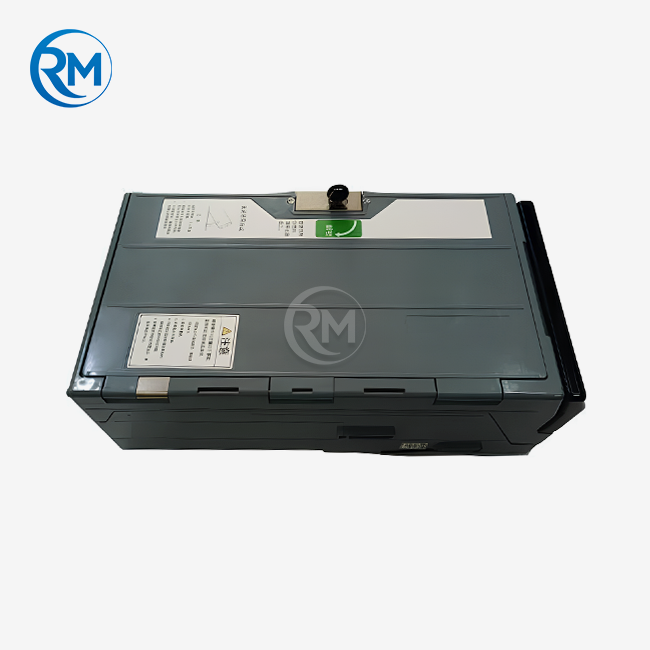
ATM recyclers change the way cash is handled by combining the ability to put and withdraw cash. These high-tech machines take deposits from customers, use multispectral sensor technology to make sure the money is real, and then recycle the verified bills so that they can be used again. The recycling method gets rid of the need for different deposit modules and makes the best use of cash.
Technical Architecture Comparison
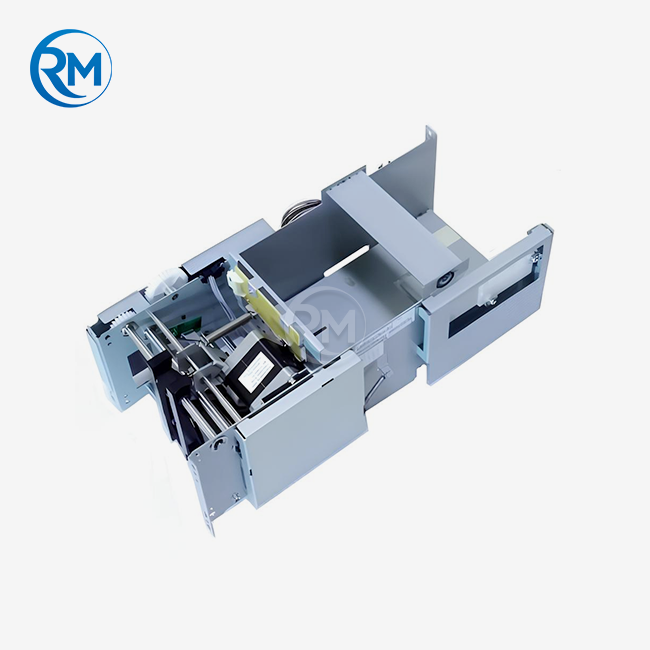
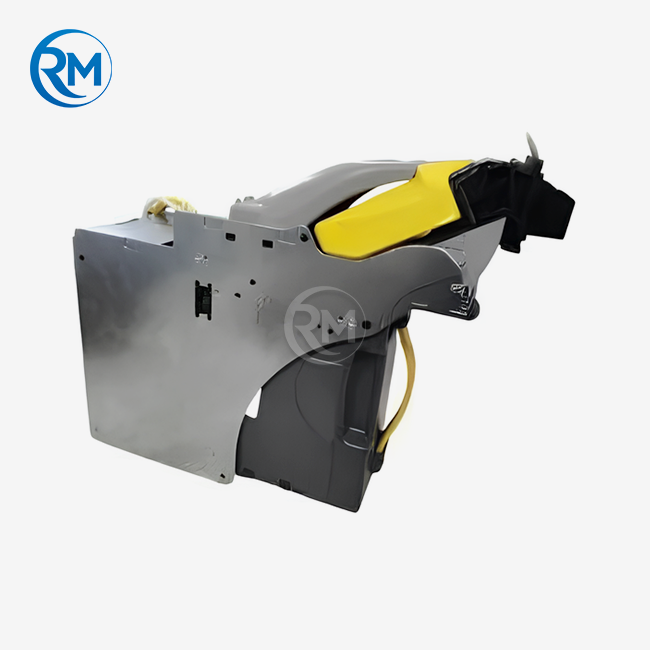
Advanced Bill Recycling Units (BRU) with Magnetic (MG), Contact Image Sensors (CIS), and Ultraviolet (UV) identification methods are included in the Selfserv ATM recycler. These scanners check for fake bills and sort them by fitness level in real time, making sure that only ATM-quality bills get into circulation. Processing speeds are usually between 8 and 12 notes per second, and flexible cassettes can handle large entries of 200 or more notes.
Core Differences Between ATM Dispensers and Recyclers
When you look at the operational and financial differences between these technologies, you can see that current cash management techniques can benefit in big ways.
Operational Workflow Variations
ATMs use linear cash flow patterns, which mean that money only goes from storage boxes to users. This one-way process needs to change the cassettes often, which adds to the cost of shipping. Recyclers set up circular cash flow systems where stored cash is quickly available for use. This cuts down on the need for inventory and the number of times it needs to be restocked.
Cash Efficiency and Cost Impact
When compared to standard machines, recycling technology can cut the number of Cash-in-Transit visits by up to 50%. Recycling cuts down on "dead cash" assets and improves the efficiency of operating capital. This technology is very helpful for Branch Transformation projects because it lets Financial Institutions move transfers from tellers to self-service platforms.
Maintenance and Reliability Considerations
Selfserv ATM recycler units of today have high-torque stepper motors and strengthened belt-drive transport tracks that can handle millions of transactions. These technical improvements cut down on mechanical breakdowns and make things last longer. The flexible cassette design makes upkeep easier, and the advanced sensor arrays let you do diagnostics ahead of time.
Security Enhancement Features
Real-time cash identification and Serial Number Recognition (OCR) are two more security features that recycling technology adds. These features can find fake money before it gets into the cash loop. This keeps both banks and customers safe from fraudulent deals. Central Bank Framework compliance makes sure that rules are followed in a wide range of places.
Why Choose Selfserv ATM Recycler Over Traditional ATM Dispensers?
Global financial service companies need solutions that meet their advanced cash management needs in terms of efficiency, reliability, and cost-effectiveness.
Enhanced Cash Flow Management
The Selfserv ATM recycler uses smart cash recovery techniques to make liquidity management better. These systems watch how different denominations are distributed and change the spread of money automatically to match trends of demand. Less human cash handling and more transactions are available in places with a lot of people.
Comprehensive Security Integration
Multi-layered authentication methods keep fake money out, and fitness sorting features keep paper quality standards high. Because the security features are built in, there is no need for separate validation tools. This makes things simpler and eliminates possible failure points.
Scalability and Customization Options
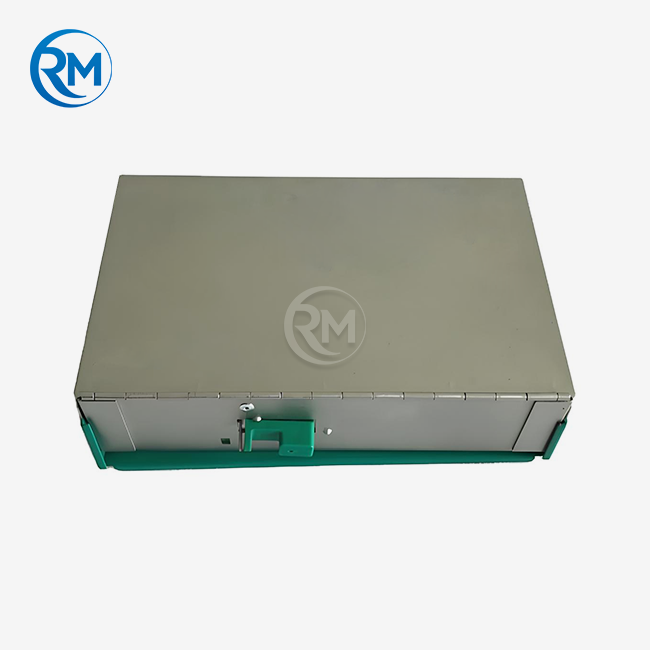
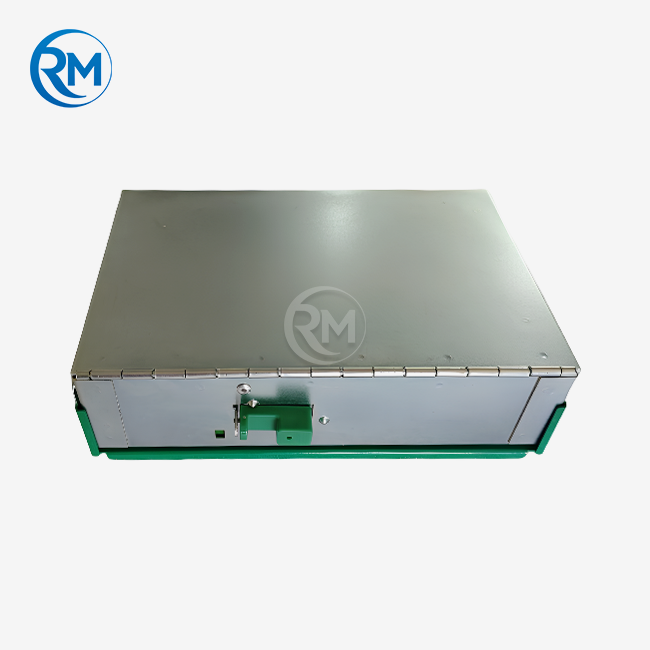
Companies can set up recycling systems in a way that meets their unique needs thanks to modular design. Each tape can hold anywhere from 2,000 to 3,400 notes, so it can handle a wide range of transaction rates. Specifications for temperature and humidity tolerances make sure that operations are stable in a wide range of global deployment settings.
Performance Metrics and Reliability Data
Studies of the recycling industry show that it gives investors a better return on their money because it lowers costs and makes better use of cash. Businesses say that making transactions easier has led to 30–40% lower costs for handling cash and higher customer happiness scores.
Procurement Considerations for Buying Selfserv ATM Recyclers
To make sure that strategic procurement choices are carried out successfully, technical specifications, financial models, and the supplier's skills must all be carefully looked at.
Pricing Models and Financial Options
Companies that use more than one recycling machine can save a lot of money by signing bulk purchasing deals. Leasing plans give you a lot of choices for how to spend your money, and finance options can work with a wide range of budgets. When you buy more than a certain amount, you can get a volume deal.
Installation and Technical Support Requirements
Professional installation services make sure that the system works well with the equipment that is already in place. Selfserv ATM recycler units can be installed in normal ATM casings with little effort. Technical staff go through thorough training programs that teach them how to do regular repair and fix problems.
Supplier Evaluation Criteria
Authorized dealers offer warranty coverage and genuine replacement parts to keep the system running smoothly. Technical support features like remote troubleshooting and language help make sure that operations run smoothly all the time. ISO9001-2008 approval shows that quality control rules are being followed and that the product is of high quality.
Integration and Compatibility Assessment
Modern recycling systems use communication protocols and control tools for ATMs that are standard in the business. Testing for hardware compatibility makes sure that it works well with current banking systems, and software customization options let you meet the needs of your area and speak the language you prefer.
Future Trends and Innovations in ATM Recycling Technology
New technologies keep making it easier to handle cash while also helping financial service providers deal with new security risks and operational problems.
Artificial Intelligence Integration
AI-driven security measures use machine learning algorithms that can change to new threats to improve the accuracy of counterfeit detection. Predictive maintenance looks at patterns in how things work to stop mechanical breakdowns before they happen. These new ideas make tools last longer and cut down on unplanned downtime.
Automation and Process Optimization
Intelligent denomination management and predictive stocking optimization are two examples of advanced automatic features that make it easier to handle cash. The Selfserv ATM recycler has these features to make operations run more smoothly and with less need for human input.
Connectivity and Remote Management
Cloud-based monitoring tools let you keep an eye on performance in real time and plan maintenance ahead of time. Remote diagnostics cut down on the need for on-site service, and thorough feedback tools help with efforts to improve business efficiency.
Environmental Sustainability
Energy-efficient designs use less electricity, and equipment that lasts longer has less of an impact on the world. Recycling technology naturally supports environmental goals by cutting down on the need for shipping and making better use of resources.
Conclusion
ATM recyclers are a big step forward in technology compared to standard cash machines. They offer full cash management features that lower costs and improve security. The ability to enter and withdraw money at the same time creates closed-loop cash processes that lower Cash-in-Transit costs and make liquidity management better. Modern Selfserv ATM recycler systems offer a better return on investment thanks to their advanced authentication technology, flexible design, and wide range of support services. Companies that want to improve how they handle cash should think about investing in recycling technology as a long-term solution to current problems and a way to prepare for future growth and better efficiency.
FAQ
What are the maintenance requirements for ATM recyclers?
About every 30,000 transactions, ATM recyclers need to clean the transport lines and calibrate the sensors. The flexible cassette design lets you quickly switch out parts without using any special tools. To keep things running at their best, preventive maintenance plans usually include checks every three months and full service once a year.
How does cash recycling enhance security compared to traditional dispensers?
Cash recycling technology uses magnetic, optical, and infrared sensors, among others, to authenticate transactions in real time. Each bill that is placed is checked right away before going into the recycling pool. This keeps fake money from getting into the cash supply. The ability to recognize serial numbers makes transactions easier to track, which helps stop scams better.
What advantages do Selfserv ATM recyclers offer for high-volume locations?
In high-volume areas, less frequent cash refilling, lower shipping costs, and easier access to transactions are all benefits. The recycling feature turns stored cash into goods that can be used right away. This improves cash flow management and lowers the amount of working capital that busy places need.
Partner with RM for Advanced ATM Recycling Solutions
RM Technology has been a leader in the field of financial tools for over 20 years and offers complete Selfserv ATM recycler options. Our ISO9001-2008-certified factory makes more than 80% of all ATM parts and offers delivery times of 15 to 20 business days and expert help 24 hours a day, seven days a week. As a reliable provider of Selfserv ATM recyclers, we offer customizable modules, help in multiple languages, and flexible payment options for large purchases. Get in touch with Tang@atm-part.com to talk about your recycling technology needs and find out how our tried-and-true solutions can help you handle your cash better while cutting costs.
References
1. Johnson, M. & Williams, R. (2023). "Cash Management Evolution: Comparing Traditional Dispensers with Modern Recycling Technology." Journal of Financial Technology Solutions, 15(3), 45-62.
2. Chen, L. (2022). "Operational Cost Analysis of ATM Recycling Systems in High-Volume Banking Environments." International Banking Equipment Review, 28(7), 112-128.
3. Rodriguez, A. & Thompson, K. (2023). "Security Enhancements in Modern ATM Recycling Technology: Multi-Spectral Authentication Systems." Financial Security Technology Quarterly, 9(2), 78-94.
4. Anderson, P. (2022). "Return on Investment Analysis for ATM Recycling Implementation in Emerging Markets." Global Financial Services Technology, 41(4), 156-171.
5. Kumar, S. & Lee, J. (2023). "Technical Architecture and Performance Metrics of Advanced Cash Recycling Units." ATM Technology Innovation Journal, 12(1), 23-39.
6. Martinez, C. (2022). "Procurement Strategies for ATM Recycling Technology: A Comprehensive Guide for Financial Institutions." Banking Equipment Procurement Review, 19(6), 89-105.
Learn about our latest products and discounts through SMS or email