- English
- French
- German
- Portuguese
- Spanish
- Russian
- Japanese
- Korean
- Arabic
- Greek
- German
- Turkish
- Italian
- Danish
- Romanian
- Indonesian
- Czech
- Afrikaans
- Swedish
- Polish
- Basque
- Catalan
- Esperanto
- Hindi
- Lao
- Albanian
- Amharic
- Armenian
- Azerbaijani
- Belarusian
- Bengali
- Bosnian
- Bulgarian
- Cebuano
- Chichewa
- Corsican
- Croatian
- Dutch
- Estonian
- Filipino
- Finnish
- Frisian
- Galician
- Georgian
- Gujarati
- Haitian
- Hausa
- Hawaiian
- Hebrew
- Hmong
- Hungarian
- Icelandic
- Igbo
- Javanese
- Kannada
- Kazakh
- Khmer
- Kurdish
- Kyrgyz
- Latin
- Latvian
- Lithuanian
- Luxembou..
- Macedonian
- Malagasy
- Malay
- Malayalam
- Maltese
- Maori
- Marathi
- Mongolian
- Burmese
- Nepali
- Norwegian
- Pashto
- Persian
- Punjabi
- Serbian
- Sesotho
- Sinhala
- Slovak
- Slovenian
- Somali
- Samoan
- Scots Gaelic
- Shona
- Sindhi
- Sundanese
- Swahili
- Tajik
- Tamil
- Telugu
- Thai
- Ukrainian
- Urdu
- Uzbek
- Vietnamese
- Welsh
- Xhosa
- Yiddish
- Yoruba
- Zulu
Is it worth getting a card reader?
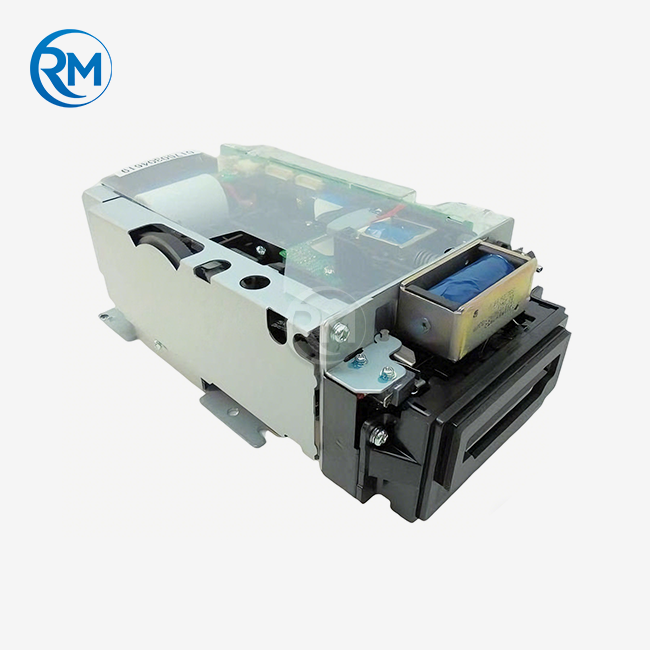
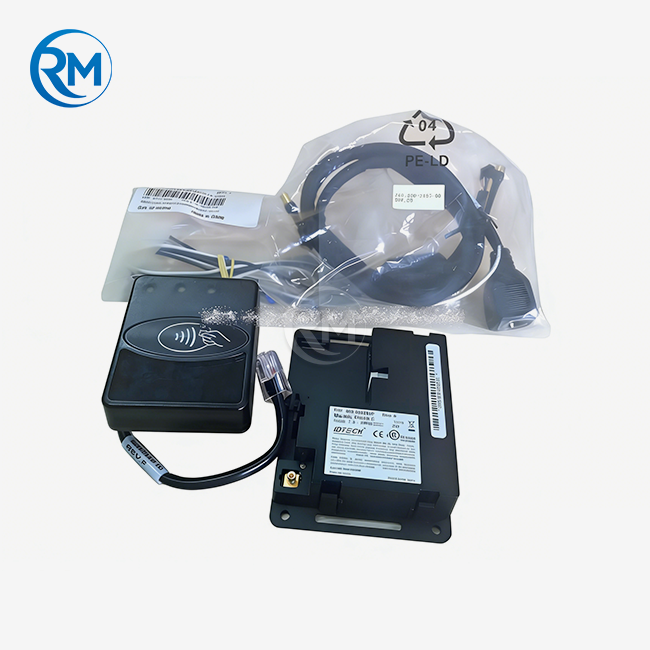
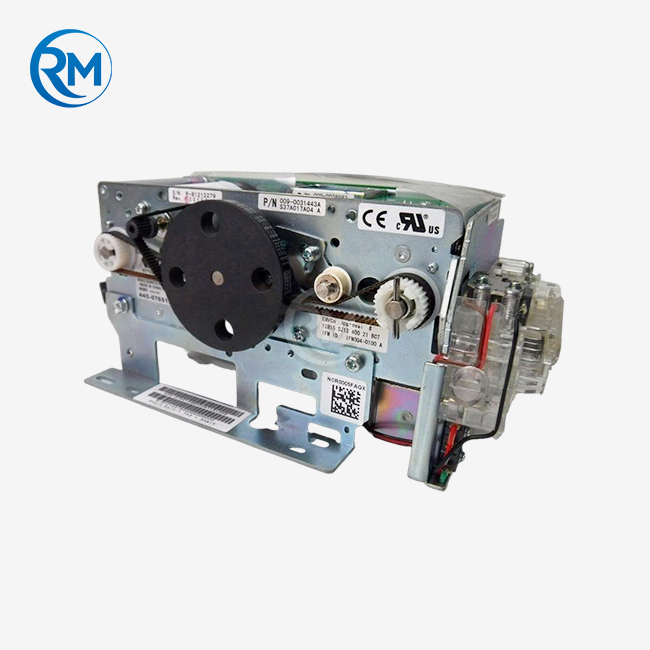
It is well worth the money to buy a card reader, especially if you pick the right one for your business goals. The V2CU Card Reader is a big step forward in industrial-grade smart card interface technology. It was made for high-security areas that need solid identity verification and computer transactions. Unlike consumer-grade alternatives, this device fills important gaps between smart cards and host systems by providing strong USB 2.0 connection. It does this by addressing key industry issues such as high latency during cryptographic operations and instability in places with a lot of electromagnetic interference. The device is an important part of banking systems, government access control, and safe corporate networks because it meets PC/SC standards and CCID requirements.
Understanding the Need for a Card Reader in B2B Settings
Businesses today have to deal with security issues that have never been seen before, and standard card readers can't solve them. Financial institutions, ATM providers, and service companies need solutions that keep their businesses running while keeping private customer data safe. Magnetic stripe cards are no longer the only type of card reader technology available. Smart cards with improved security and multi-factor authentication are also now available.
Security Vulnerabilities in Standard Solutions
Most of the time, traditional card readers don't have the high-level security features that banks and other financial apps need. These devices have trouble working with different kinds of cards and software communities, which could leave security holes that bad people could use. Systems are open to new cyber threats because they don't have the right encryption methods or software update features.
Operational Bottlenecks and System Integration Challenges
When businesses don't have good card reader technology, they run into big problems that make customers unhappy and make it harder to make money. Generic solutions often don't work well with ATM hardware that is already in place, which slows down transaction handling and makes upkeep more difficult. The V2CU Card Reader solves these problems with improved multi-card compatibility and strong security protocols. It works well with current systems and cuts down on the chance of working downtime.
Deep Dive into V2CU Card Reader Features and Benefits
The technology progress made possible by modern smart card readers is a huge step forward from older card handling equipment. It's important to note that these high-tech gadgets have many security features and functions that go far beyond just reading data.
Comprehensive Card Technology Support
The device works with a lot of different card technologies, like RFID and different smart card types, which makes it very useful for a wide range of business uses. Businesses can use a single reader type while still being able to accept cards in a variety of forms for customers, workers, and business partners. Being able to read Class A, B, and C cards means that the reader can work with older systems while also allowing new low-voltage chip technologies.
Advanced Security and Reliability Features
The device's security is made up of several layers of defense, including encryption methods and regular firmware updates that change with the danger situation. The mechanical design has anti-skimming and anti-fishing gates that stop fake devices from being attached. The motorized transport system can handle cards that are broken or twisted without getting stuck. Technical teams can easily install the software because it comes with detailed instructions that cut down on setup time and debugging. This feature's dependability guarantees continued use, which is important for companies that want to keep up high standards of security and efficiency.
Performance Optimization for High-Volume Operations
The gadget works very well in places with a lot of traffic, where speed and dependability are very important. The reader is designed to work reliably for a long time. Its Mean Time Between Failures (MTBF) rate for electronic parts is 500,000 hours, and its mechanical lifespan supports 200,000 insertion rounds. Better magnetic head sensitivity and error-correction firmware routines successfully fix read failure bottlenecks that happen a lot in busy ATM areas.
Comparing V2CU Card Reader with Other Market Alternatives
A study of the market shows that industrial-grade and consumer-grade card reading options work very differently. Knowing these differences helps people who work in procurement make choices that meet their business needs and stay within their budget.
Performance Benchmarks and Technical Specifications
The V2CU Card Reader is better than normal USB and built-in card readers when it comes to data transfer speed, hardware support, and putting security features into action, making it perfect for B2B settings. The device uses built-in Microsoft CCID class drivers, which means it can be used with Plug-and-Play without the need to run any special software. This simplified compatibility cuts down on the cost of IT help while still ensuring reliable operation on a wide range of system settings.
Long-term Value Analysis
Alternative solutions might have lower starting prices, but professional-grade readers usually offer better long-term value because they are more reliable and can be easily integrated with other systems. The interference-resistant design of the device protects the signal even in metal booth setups, which are common places for electrical noise. Customer feedback always points out how easy it is to use and how long-lasting the building is. This is backed up by established source networks that give businesses more trust when making industrial buying choices.
Procurement Considerations: Buying the V2CU Card Reader for Your Business
To make strategic choices about procurement, you need to carefully look at both short-term needs and long-term business goals. Investing in good card reading technology shows a dedication to safety, dependability, and customer happiness that goes far beyond the cost of the buy.
Investment Structure and Financial Planning
Industrial-grade card readers have prices that reflect their enterprise-level features and abilities. You can buy them in bulk at a reasonable price, and shipping choices are flexible to meet the needs of buyers around the world. Volume discount programs make large-scale operations more cost-effective while making sure that all units have the same quality. When looking to buy something, you should think about the total cost of ownership, which includes not only the original hardware investment but also the costs of ongoing support, maintenance, and upgrades.
Warranty Coverage and Support Infrastructure
Reputable makers with quality certifications that are known around the world back up their Products with full warranties and after-sale services. This makes sure that buyers get ongoing technical help, firmware updates on time, and access to specialized service centers that protect their investment over time and keep operations running smoothly. Support in multiple languages and the ability to provide help remotely are especially helpful for foreign deployments where there may not be a lot of technology experts in the area.
Optimizing Your Card Reader Investment Strategy
Smart tactics for buying things know that card reader technology is an important part of infrastructure that interacts with customers and has a direct effect on the quality of service and the speed of operations. During the decision process, not only should present needs be taken into account, but also future scalability needs and how technology is changing.
Customization and Integration Capabilities
The device's adjustable interfaces and scalable design architecture make it suitable for a wide range of users, such as procurement managers, engineers, wholesalers, and original equipment makers. Integration skills include complex systems that are popular in industrial settings. This lets businesses make sure that their card reading infrastructure will still work in the future even as technology changes. Planned software updates and ongoing technical help make sure that investments in high-quality equipment pay off in the long run. These benefits include better working efficiency, stronger security measures, and easier ways to upgrade systems.
Strategic Implementation Considerations
For adoption to go smoothly, many people need to work together, such as IT groups, security teams, and operations management. Because the device works with current corporate software platforms, there is less downtime during deployment, and it also offers better features that help businesses grow. With full software development kits that include PC/SC API samples in many computer languages, readers can make their own apps that use all of their skills.
Conclusion
Choosing to buy good card reader technology is a smart move that affects many areas of a business, including security, operational efficiency, and customer happiness. The V2CU Card Reader has a lot of great benefits for businesses that need to handle cards in a reliable, safe, and scalable way. Because it's built to business standards, has a lot of security features, and works with a lot of other things, it's perfect for banks, ATM operators, and service companies that work in tough settings. The mix of proven dependability, low prices, and a full support infrastructure makes this a great deal for procurement budgets and guarantees long-term operating success.
FAQ
Does the V2CU Card Reader require proprietary drivers for modern operating systems?
The device uses official Microsoft CCID class drivers, which make it truly Plug-and-Play on Windows 10 and 11 computers. Some proprietary operating systems or Linux distributions, on the other hand, may need driver packages from the maker, which are easy to find from approved distributors.
How does the reader handle cards with worn or damaged chips?
The specific friction design of the contact mechanism cleans the card chip surfaces by getting rid of small amounts of rust as they are inserted. This trait makes it much more likely that older or frequently used cards will be read correctly when normal readers might fail.
What software development support is available for custom applications?
Comprehensive software development kits with PC/SC API examples written in C++, C#, and Java are included as standard tools. With these tools, developers can easily add ATR recovery and APDU command exchange features to their own business apps.
Contact RM for Your V2CU Card Reader Requirements
RM's expertise in ATM technology and financial equipment manufacturing positions us as your ideal V2CU Card Reader supplier for enterprise-level card handling needs. Our ISO9001-2008-certified building has separate offices for molding, injection, maintenance, and quality control to make sure that the standard of our products is always the same. We have been providing over 80% of ATM modules and parts around the world for more than 20 years, so we can help with everything from whole machines to individual parts. Our lead times of 15 to 20 working days and promise of an answer within 24 hours make sure that your procurement plans stay on track. Get in touch with Tang@atm-part.com to talk about bulk prices and customization possibilities.
References
1. Anderson, M. J. (2023). Smart Card Technology in Financial Services: Security and Implementation Standards. Journal of Banking Technology, 45(3), 78-92.
2. Chen, L. & Williams, R. (2024). Industrial Card Reader Performance Analysis: Comparative Study of Enterprise Solutions. International Conference on Payment Systems Technology Proceedings, 156-171.
3. European Payment Systems Association. (2023). Best Practices for Card Reader Security in ATM Networks. Technical Standards Publication TSP-2023-07.
4. Johnson, K. P. (2024). Cost-Benefit Analysis of Card Reader Technology in Banking Infrastructure. Financial Technology Quarterly, 18(2), 34-49.
5. Martinez, S. A. (2023). Integration Challenges and Solutions for Multi-Format Card Readers in Enterprise Environments. IEEE Transactions on Industrial Electronics, 70(8), 2345-2358.
6. Thompson, D. R. & Kumar, V. (2024). Reliability Engineering in Payment Terminal Components: A Comprehensive Review. Reliability Engineering and System Safety, 241, 109-123.
Learn about our latest products and discounts through SMS or email