- English
- French
- German
- Portuguese
- Spanish
- Russian
- Japanese
- Korean
- Arabic
- Greek
- German
- Turkish
- Italian
- Danish
- Romanian
- Indonesian
- Czech
- Afrikaans
- Swedish
- Polish
- Basque
- Catalan
- Esperanto
- Hindi
- Lao
- Albanian
- Amharic
- Armenian
- Azerbaijani
- Belarusian
- Bengali
- Bosnian
- Bulgarian
- Cebuano
- Chichewa
- Corsican
- Croatian
- Dutch
- Estonian
- Filipino
- Finnish
- Frisian
- Galician
- Georgian
- Gujarati
- Haitian
- Hausa
- Hawaiian
- Hebrew
- Hmong
- Hungarian
- Icelandic
- Igbo
- Javanese
- Kannada
- Kazakh
- Khmer
- Kurdish
- Kyrgyz
- Latin
- Latvian
- Lithuanian
- Luxembou..
- Macedonian
- Malagasy
- Malay
- Malayalam
- Maltese
- Maori
- Marathi
- Mongolian
- Burmese
- Nepali
- Norwegian
- Pashto
- Persian
- Punjabi
- Serbian
- Sesotho
- Sinhala
- Slovak
- Slovenian
- Somali
- Samoan
- Scots Gaelic
- Shona
- Sindhi
- Sundanese
- Swahili
- Tajik
- Tamil
- Telugu
- Thai
- Ukrainian
- Urdu
- Uzbek
- Vietnamese
- Welsh
- Xhosa
- Yiddish
- Yoruba
- Zulu
How does a dispenser work?
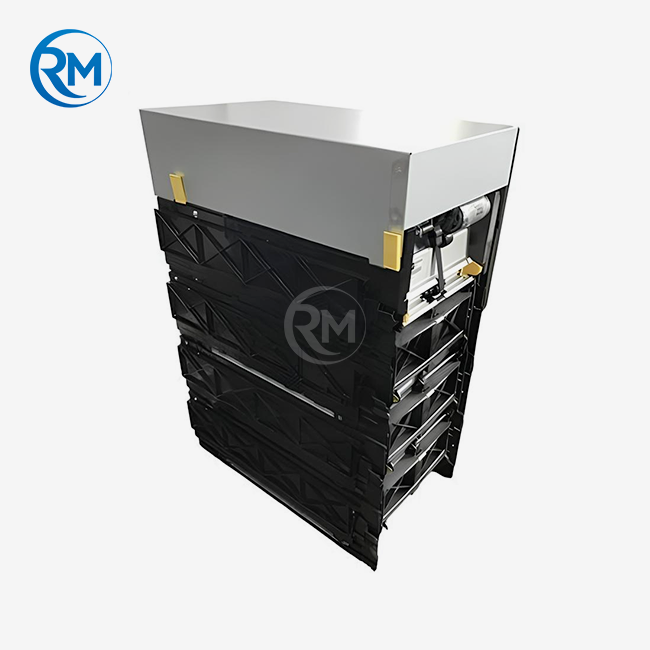
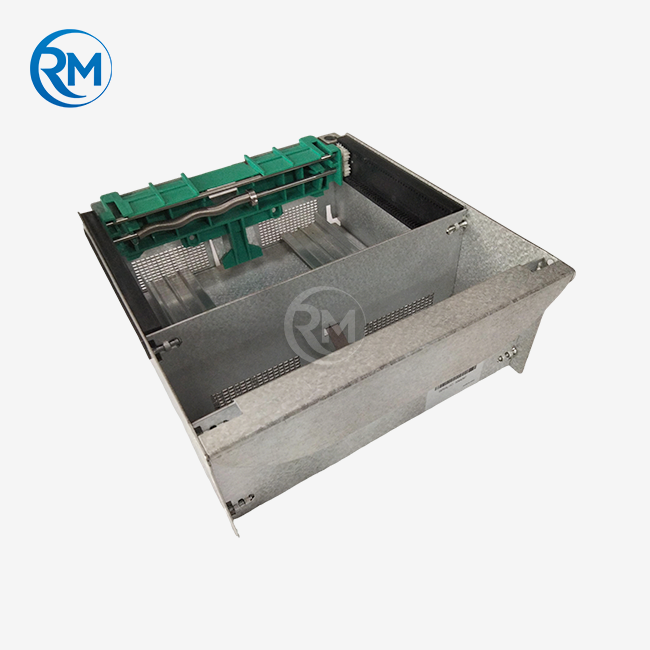
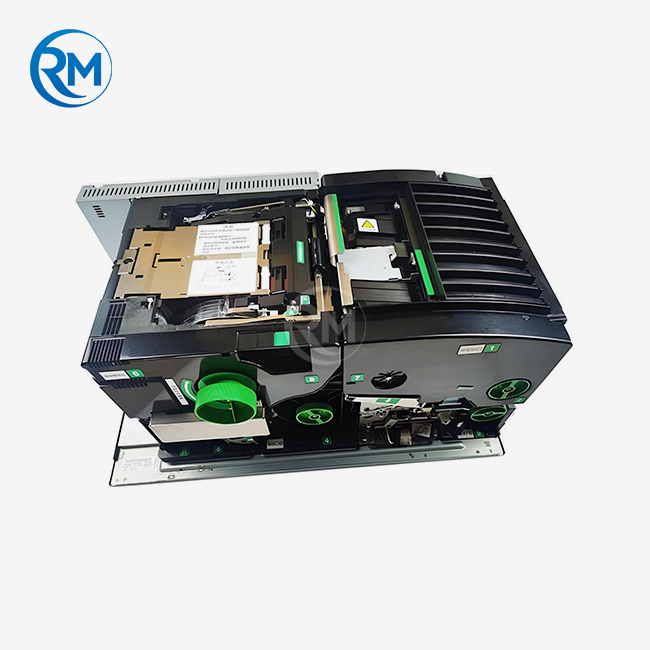
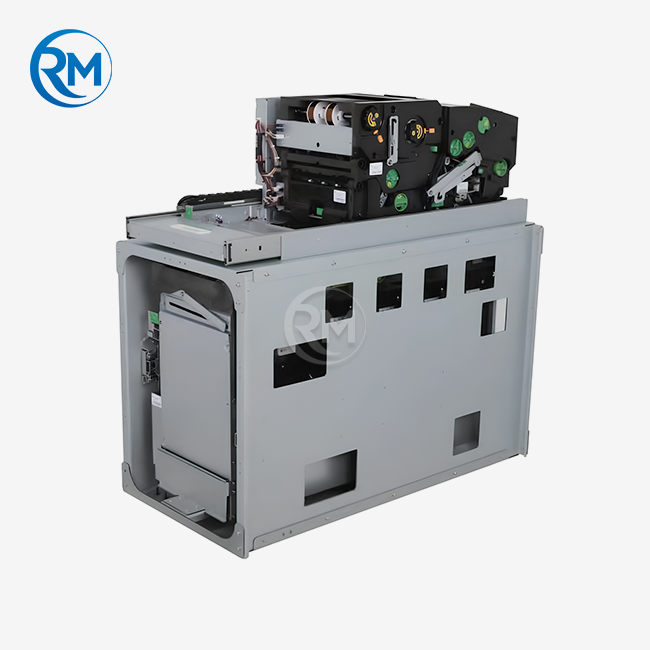
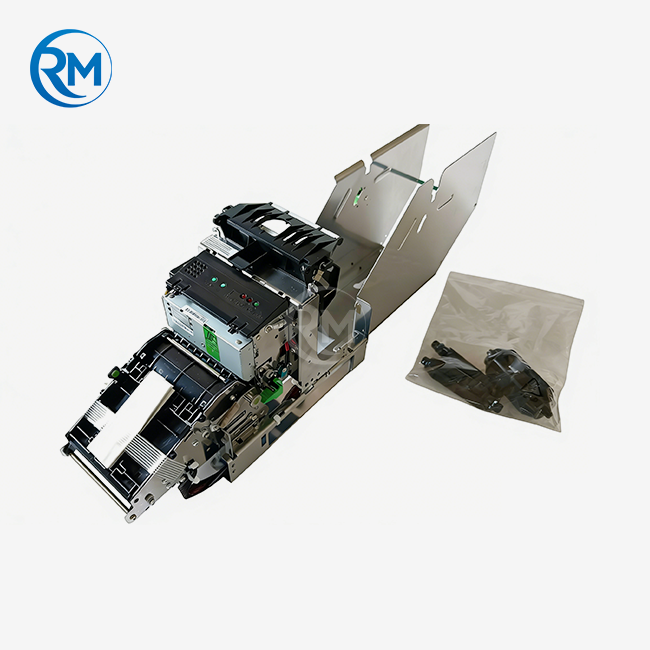
Media dispensers are complex electromechanical systems that exactly control where banknotes, coupons, and other valuable papers are stored and given out in self-service booths and automated teller machines. Foam-based technology, which uses special rollers and sensors to separate notes from a cassette stack, is at the heart of these devices. The Rear Access S2 Media Dispenser is an example of this technology. It uses advanced optical sensors, magnetic recognition systems, and exact motor controls to make sure that the media is dispensed correctly while still following the security rules that are necessary for banking activities.
Introduction
Automated vending systems are the backbone of self-service banking operations around the world in a world where financial technology is changing quickly. These complex systems make sure that cash is distributed smoothly while meeting the highest security standards that banks require. Media feeders used to be simple mechanical devices, but now they're smart systems that can handle different types of money, stop fraud, and keep downtime to a minimum.
The development of vending technology shows how complicated modern banking infrastructure is getting. Reliability and accuracy have a direct effect on how happy customers are and how efficiently the business runs. Financial institutions in both developing and rising economies rely on these systems to keep service available 24 hours a day, seven days a week. Choosing the right vending technology is therefore a very important business choice.
For procurement managers, service techs, and financial equipment sellers who have to find the best balance between cost-effectiveness, dependability, and upkeep needs, knowing how dispensers work is important. This in-depth study looks at the workings of current cash dispensing systems, their practical advantages, and important strategic factors.
Understanding How a Dispenser Works
Core Mechanisms and Components
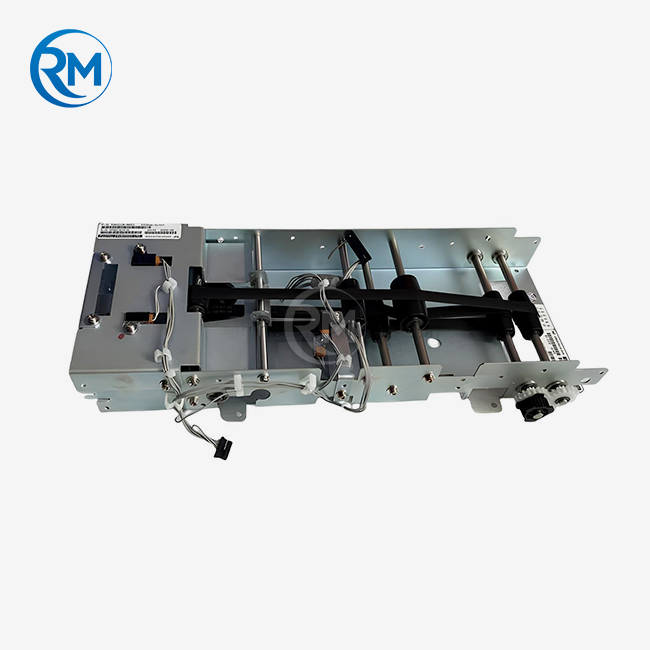
Cash machines work by combining complex mechanical and computer parts that work together to make sure that notes are delivered and separated correctly. The basic process starts with friction-feed technology, which uses special rubber wheels to rub against the bottom note of a stack of bills in a controlled way. This friction creates enough force to keep individual notes apart and stop multiple notes from moving forward at the same time.
Along the course of the note, the system uses a number of sensor arrays, such as visual sensors that check for the presence of notes and magnetic sensors that make sure the money is real. Stepper motors precisely control the speed and time of the rollers' spinning, which lets the system work with different note thicknesses and materials. Modern units have thickness scales that change the separation pressure automatically based on the type of currency being handled, from old-fashioned paper bills to new polymer currencies.
These mechanical parts are coordinated by electronic control boards that process sensor feedback in real time to look for possible jams, double notes, or chain pulls. When strange things happen, the system stops working right away and starts troubleshooting procedures to find the exact position of the problem. Combining mechanical accuracy with computer intelligence makes sure that the system works the same way over millions of transaction rounds.
Access Design Considerations
The difference between front and back entry configurations has a big effect on how well operations run and how security is handled. The customer interface and the cash loading area are physically separated by rear access designs. This allows for safe service operations in through-the-wall installations, where techs work from protected interior spaces and customers access the machine from public areas.
This way of designing buildings is especially useful in places with a lot of security, like bank offices, where people who handle cash can work on multiple machines from a safe hallway without showing cash to the public. The design also speeds up service operations because techs can do repair work without blocking customers from using nearby machines or putting the safe perimeter at risk.
In-Depth Overview of the Rear Access S2 Media Dispenser
Technical Specifications and Capabilities
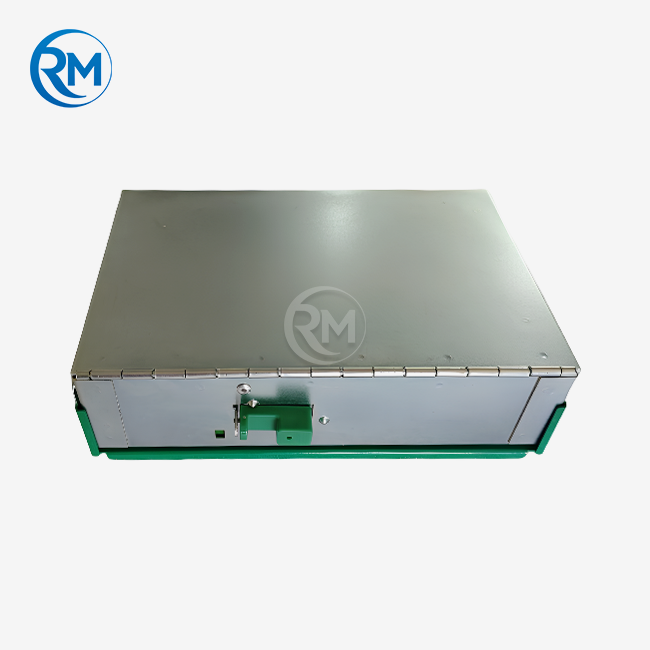
The Rear Access S2 Media Dispenser is a custom-made device made for high-throughput banking settings that need to be as safe and efficient as possible. This small modular unit can hold up to 2,000 bills in each folder and works with notes of different sizes, from old-fashioned paper bills to newer polymer ones. The S2 classification means that the form factor engineering has been optimized so that it combines the need for capacity with the freedom of installation.
The unit has advanced friction-feed systems that use regulated separation rollers to keep jam rates as low as possible, even when the unit is running all the time. Innovative sensor technology built into the system can precisely find note doubles, loops, and partial feeds with more than 99.9% accuracy. Temperature and humidity compensation programs change the mechanical settings automatically so that the machine works the same way in all kinds of weather.
During maintenance cycles, the modular design lets parts be replaced quickly, and color-coded latches let techs get to important parts without using special tools. This way of thinking about design cuts down on the average time it takes to fix something, which makes sure that mission-critical banking apps can stay online all the time, even when there are problems that cause them to lose money.
Installation and Maintenance Protocols
When you hire a professional installer, you need to pay close attention to the temperature, humidity, and sound separation in the area. Standardized brackets are used to place the unit inside the ATM chassis, and the electrical connections follow industry-standard standards so that the unit can work with current control systems without any problems. Calibration steps are part of a proper installation that make the sensor work best with certain types of cash and in certain situations.
According to routine maintenance plans, optical sensors should be cleaned with compressed air every 10,000 to 20,000 deals to get rid of dust and other waste that has built up. Isopropyl alcohol should be used to clean the sides of friction rollers on a regular basis to get rid of ink residue and paper bits that can make separation less effective. These preventative steps greatly increase the life of parts while keeping their best performance qualities.
Comparative Analysis: Rear Access S2 vs Other Media Dispensers
Operational Efficiency Advantages
When comparing the performance of back access and front access setups, it becomes clear that there are big benefits in some deployment situations. When security needs to physically separate public and secure areas, rear entry units work great in through-the-wall installs. When technicians can reach multiple machines from a single safe corridor instead of working in public areas, they can cut service times by up to 40%.
The Rear Access S2 Media Dispenser is more reliable than older S1 generation units. This is because it has better sensor technology that cuts down on false mistake rates by about 25%. Better mechanical tolerances can handle a wider range of note conditions, even ones that are slightly broken or old and could cause problems in less advanced systems. These changes directly lead to fewer service calls and higher scores of customer happiness.
By comparing the S2 to other serving systems, we can see that it works especially well in high-volume settings. Basic dispensers might work for low-traffic situations, but the S2's strong build and advanced mistake recognition are needed for machines that handle hundreds of transfers every day. The investment extra is usually paid back in 18 to 24 months, thanks to lower upkeep costs and better uptime measures.
Cost-Effectiveness and ROI Considerations
To figure out the total cost of ownership, you have to add up the original costs of the tools, the costs of regular maintenance, and any gains in operational efficiency. The price of the Rear Access S2 Media Dispenser is higher than that of basic units, but this investment pays off in the long run because it requires less care and parts last longer. When financial institutions switch from first-generation devices to S2 technology, upkeep costs drop by an average of 30 to 35 percent.
Improvements to the S2 design that make it more energy efficient help save money on operations, especially in high-volume situations where changes in power use become noticeable over long periods of time. Advanced sleep modes and improved motor control algorithms lower the amount of power used in idle mode while keeping response times fast for when a transaction request comes in.
Procurement and Buying Guide for ATM Dispensing Solutions
Authorized Channels and Supplier Networks
People who work in procurement who need reliable dispensing solutions can benefit from long-term ties with suppliers that offer full help throughout the lifecycle of a product. For more than twenty years, HONGKONG RONG MEI TECHNOLOGY CO., LIMITED has been the leader in making ATM parts and has gained a lot of experience in vending technology and systems that work with it. Their ISO9001-2008 approval makes sure that all of their manufacturing methods meet the same high quality standards.
The company's 3,000-square-meter building has specialized teams for things like making molds, injection molding, upkeep services, and quality control. As a result of this unified method, all kinds of parts can be supplied, from whole machines to single extra parts. This meets the needs of banks, equipment makers, and service providers around the world.
International shipping can meet immediate repair needs through a variety of means of transportation, such as air, land, and sea freight. Standard wait times for module sales are between 15 and 20 working days, but faster choices are available for urgent needs. The company has a global marketing network that makes sure there is local support in Southeast Asia, the Middle East, Africa, Latin America, and established areas in North America and Europe.
Pricing Structures and Value Propositions
Bulk purchasing programs offer significant cost advantages for financial institutions and equipment providers that plan to deploy a lot of equipment. Volume savings get bigger as the order size gets bigger, which makes large-scale solutions cheaper. There are more benefits to long-term partnership deals, such as better expert support services, lower prices, and faster delivery schedules.
The warranty covers more than just the usual terms in the business; it covers both defective parts and problems with how the product works. Extended service deals include the ability to diagnose problems remotely and provide technical help in multiple languages. This means that problems can be fixed quickly, no matter where they are or what time zone they are in. This global support system comes in handy for foreign deployments where there may not be a lot of local knowledge.
Why Choose Professional ATM Dispensing Solutions?
Technical Excellence and Reliability
For modern banks to work, dispensing systems need to be able to keep performing well even when conditions are tough. The Rear Access S2 Media Dispenser is the result of decades of technical improvement. It makes systems that are more reliable than industry standards and can handle different types of money and environmental problems. Advanced tools make it possible to plan repair ahead of time, which stops expensive breakdowns before they affect customer service.
Integration abilities go beyond simple dispensing tasks and include full tracking systems that keep an eye on transaction numbers, error rates, and trends of component wear. This information lets service plans and product management be improved, which lowers costs while keeping performance at its best. Remote monitoring lets a single authority control multiple ATM networks, which makes things easier for banking institutions with multiple locations.
Smart features like predicted maintenance, automatic calibration, and flexible performance improvement are becoming more and more important in the technology plan for dispensing systems. Because of these improvements, the current generation of machines is now an investment that will pay off in the long run. They can support new banking technologies like digital currency integration and better security procedures.
Partnership Benefits and Support Infrastructure
When you choose RM as your technology partner, you get access to their extensive knowledge in designing components, putting systems together, and providing ongoing support. The company's dedication to new ideas makes sure that new Products are always being made that meet the needs of new industries and new rules. This partnership method goes beyond just working with vendors and turns them into long-term business goals-supporting strategic partnerships.
Technical support services offer help over the internet, literature in multiple languages, and video-based instructions on how to fix problems. These tools are especially helpful for foreign deployments where help may not be available right away. The best help is provided in a wide range of geographic markets thanks to local marketing partners and unified technical knowledge.
Conclusion
Understanding dispensing technology fundamentals enables informed procurement decisions that balance immediate cost considerations with long-term operational requirements. The Rear Access S2 Media Dispenser uses tried-and-true technology that works best in demanding financial settings where security, reliability, and speed all need to work together. Strategic relationships with well-known makers give you access to complete solutions that cover everything from the original purchase to ongoing lifecycle support. This makes sure that your business can keep running in a variety of market conditions and legal settings.
FAQ
What maintenance protocols optimize dispenser performance?
As part of regular maintenance, compressed air is used to clean the optical sensors every 10,000 to 20,000 activities. Isopropyl alcohol should be used to clean friction rollers every so often to get rid of ink residue and paper bits. These steps keep the split working well and greatly increase the life of the parts.
How does rear access design benefit security operations?
For through-the-wall installs, rear access designs are necessary to physically separate the places where customers interact with the machine and where cash is loaded. This design makes it possible for people who work with cash-in-transit to service machines from inside safe areas, while customers can use computers in public areas. This improves operating security measures.
What currency compatibility features support international deployments?
Modern machines can handle both paper and plastic money by using thickness scales that can be adjusted and special friction systems. Calibration processes find the best separation settings for each type of cash, and sensor arrays can pick up on different security features no matter what kind of material or form the note is made of.
How do diagnostic capabilities reduce operational costs?
Integrated detection systems keep an eye on how well each part is working and can tell when repair is needed before it happens. Remote monitoring lets one person handle multiple ATM networks from one place. This improves service plans and lowers the cost of emergency repairs by using proactive strategies.
What support services facilitate international implementations?
Support that covers everything includes documents in multiple languages, remote technology help, and video-based troubleshooting instructions. Global distribution networks make local help easy to find, and centralized knowledge makes sure that the quality of service is the same in all markets and operating settings.
Partner with RM for Advanced ATM Dispensing Solutions
RM delivers comprehensive ATM component solutions backed by more than 20 years of production experience and a track record of dependability in global markets. Our large collection includes more than 80% of ATM systems and parts, so we can quickly meet your needs for a Rear Access S2 Media Dispenser requirements. With our ISO9001-2008 certification and promise of a response time of 24 hours, we give financial institutions the technical excellence and support facilities they need. Talk to Tang@atm-part.com about your unique needs and find out how our network of Rear Access S2 Media Dispenser suppliers can help you run your business more efficiently.
References
1. International Organization for Standardization. "Quality Management Systems for Manufacturing Financial Equipment." 2008 document from the ISO Technical Committee.
2. Council for the Examination of Financial Institutions. The Regulatory Guidance Manual for 2019 has "ATM Security Guidelines and Best Practices for Financial Institutions."
3. There is a European Committee for Banking Standards. The Technical Standard ECBS-041 for 2020 says, "Self-Service Terminal Security Requirements."
4. Bank for Asian Development. The 2021 Research Publication Series is called "Financial Infrastructure Development in Emerging Markets."
5. Bank for the Settlement of International Debt. Published by the Basel Committee in 2018: "Payment System Security Standards for Automated Teller Machines."
6. Institute for American National Standards. The 2017 ANSI Technical Standard X9.27 says "Specifications for Automated Teller Machine Components and Systems.
Learn about our latest products and discounts through SMS or email