- English
- French
- German
- Portuguese
- Spanish
- Russian
- Japanese
- Korean
- Arabic
- Greek
- German
- Turkish
- Italian
- Danish
- Romanian
- Indonesian
- Czech
- Afrikaans
- Swedish
- Polish
- Basque
- Catalan
- Esperanto
- Hindi
- Lao
- Albanian
- Amharic
- Armenian
- Azerbaijani
- Belarusian
- Bengali
- Bosnian
- Bulgarian
- Cebuano
- Chichewa
- Corsican
- Croatian
- Dutch
- Estonian
- Filipino
- Finnish
- Frisian
- Galician
- Georgian
- Gujarati
- Haitian
- Hausa
- Hawaiian
- Hebrew
- Hmong
- Hungarian
- Icelandic
- Igbo
- Javanese
- Kannada
- Kazakh
- Khmer
- Kurdish
- Kyrgyz
- Latin
- Latvian
- Lithuanian
- Luxembou..
- Macedonian
- Malagasy
- Malay
- Malayalam
- Maltese
- Maori
- Marathi
- Mongolian
- Burmese
- Nepali
- Norwegian
- Pashto
- Persian
- Punjabi
- Serbian
- Sesotho
- Sinhala
- Slovak
- Slovenian
- Somali
- Samoan
- Scots Gaelic
- Shona
- Sindhi
- Sundanese
- Swahili
- Tajik
- Tamil
- Telugu
- Thai
- Ukrainian
- Urdu
- Uzbek
- Vietnamese
- Welsh
- Xhosa
- Yiddish
- Yoruba
- Zulu
What Is Misano PC Core 6659 for NCR SelfServ ATMs?
The NCR Misano PC Core 6659 (Part Number: 445-0788998) is the computer brain of NCR SelfServ ATM systems. It is a mainboard unit designed to work flawlessly in banking settings. This module has Intel Core i5-6500TE or i7-6700TE processors built in, and it can handle up to 16GB of DDR4 memory. This makes sure that transactions are processed quickly and software is easily integrated. The module is designed for financial institutions that need 99% uptime dependability. It solves important problems like hardware breakdowns, compatibility issues, and rising maintenance costs with its strong Skylake architecture and enterprise-grade components.
Overview of NCR Misano PC Core 6659 for SelfServ ATMs
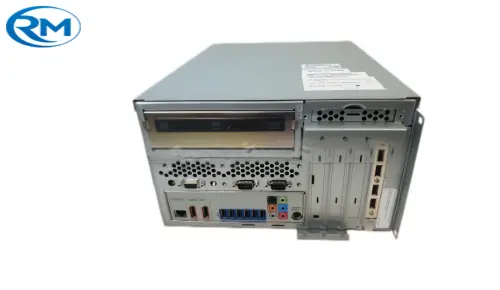

Hardware Specifications and Design Philosophy
For banking operations to run smoothly, computer systems need to be able to handle repeated operations without losing speed. This need is met by the NCR Misano PC Core 6659, which has carefully chosen parts and heat control systems. Intel's Skylake architecture, especially the low-power i5-6500TE and i7-6700TE models with 35W thermal design power, is what it's built on. The choice of processor strikes a good mix between processing speed and heat production, which is important for ATM housings that don't have a lot of air flow.
This module is different from fixed computer platforms because it lets you change how the memory is configured. The system can handle different transaction loads because it can use both 8GB and 16GB SO-DIMM DDR4 modules. Maximum memory allocation works best for high-volume urban branches that handle thousands of transactions every day, while smaller sites that are more cost-effective benefit from fewer options. The SO-DIMM form factor is very important because its small size makes fitting easier in ATM chassis that are limited on room while still providing effective heat dissipation paths.
Dual Motherboard Configurations for Network Diversity
The Misano platform has two different types of motherboards that can be used for different types of network equipment. Traditional banking networks can link to standard configurations via Ethernet, while LAN2-enabled models support multiple network paths. This ability to connect to two interfaces is very helpful for organizations using failover methods that depend on uninterrupted network connections to keep services running. Both versions have the same mounting points and power needs, which makes managing goods easier for deployments in more than one place.
Security and Compliance Foundations
Banking laws require that tools used for processing transactions meet strict security standards. The module has built-in hardware security features, such as support for the Trusted Platform Module (TPM) and the ability to do a safe start. These built-in safeguards check the security of the software during starting processes, stopping illegal changes to the firmware. Built-in encryption speedups in the processor make sure that PIN verification and handling of transaction data meet PCI DSS standards without slowing down transactions.
How NCR Misano PC Core 6659 Works in SelfServ ATM Solutions
Central Processing Unit Role in ATM Ecosystems
To understand what the NCR Misano PC Core does, you need to look at where it fits in the design of ATMs. The module is the coordination hub that links NCR's own APTRA software suite to external devices like card readers, cash dispensers, receipt printers, and tablet displays. During transaction sequences, the processor sets up standard methods for communication between these parts. This makes sure that everything works at the same time so that customers think they are getting answers right away.
Software support goes beyond the apps that come with NCR. The design of the module works with Windows and lets it connect to third-party security systems, remote tracking systems, and banking middleware. Interoperability is very important for banks that need to set up customized software stacks to meet regional compliance requirements or offer specialized services like cryptocurrency transactions and mobile wallet connections that are becoming more popular in developing markets.
Peripheral Integration and Connectivity Protocols
The motherboard provides several ports for connecting to peripherals, meeting a range of needs. High-bandwidth devices like improved ID readers and biometric modules can connect to USB 3.0 ports. Legacy serial links, on the other hand, will still work with tried-and-true cash dispensing systems. Gigabit Ethernet network connection ensures fast contact with central banking servers, which is very important during busy transaction times when network congestion could otherwise cause delays.
The steps for updating firmware are organized in a way that keeps service interruptions to a minimum. The system lets technical teams plan changes for times when there isn't much traffic because it allows remote software release. Failure to update is prevented by rollback mechanisms; if the integrity checks for new software fail during installation, the system instantly reverts to safe versions from earlier releases. This stops long periods of downtime that hurt customer trust and cause service calls.
Software Maintenance and Update Strategies
To keep banking gear safe, software needs to be updated regularly to fix new security holes. The module works with NCR's structured update plan, which sorts patches into two groups: security-critical updates that need to be installed right away and feature improvements that can be installed during regular maintenance times. With this tiered method, procurement teams can plan repair tasks that won't affect service access during times when it's important for business.
Comparing NCR Misano PC Core 6659 with Other ATM Computing Solutions
Performance Benchmarks Against Legacy Systems
To properly evaluate the NCR Misano PC Core 6659, you need to know about ATM computers from earlier generations. Older systems with Core 2 Duo processors have trouble keeping up with the needs of current banking software. Graphical user interfaces, real-time fraud detection algorithms, and encryption processes all use a lot of processing power that older systems don't have. The Skylake design has about 40% more computing power per watt than these older architectures, which means that transactions are processed faster and less energy is used.
Another improvement over DDR3 versions is the DDR4 memory standard. Aside from faster data flow rates, DDR4 units also use 20% less power and are better at fixing errors. These features are especially useful in hot and desert areas where high temperatures can be hard on computer parts. Less power use directly leads to less cooling needs and longer component lives, both of which have a big effect on the total cost of ownership estimates for large ATM fleets.
Cost-Effectiveness Analysis for Procurement Decisions
Budget concerns are at the center of buying talks, especially for organizations that are in charge of hundreds of ATMs. The core is priced in a way that puts it in the middle of basic computer units and high-end multiple systems. This placement in the middle tier works for most deployment situations where reliability needs are higher than what consumer-grade hardware can handle but don't require fully redundant hot-swappable setups made for very high-availability settings.
The Misano platform is expected to have lower failure rates, which will lower the cost of maintenance. The modular design lets techs replace the whole computer core without taking apart the peripherals. For example, if the card reader stops working, the computing section doesn't need to be replaced. This separation of duties makes it easier to keep track of extra parts and speeds up the fixing process. Banks say that normal service times have dropped by 35% compared to integrated systems, where troubleshooting at the component level takes a lot of time.
Reliability and Uptime Considerations
Uptime numbers are used by banks to figure out how reliable an ATM is. For every percentage point below 99%, thousands of transactions fail and customers are upset. The system has a proven uptime of 99% thanks to a number of tech choices. When choosing components, industrial-grade capacitors and plugs that can handle long periods of thermal cycles are given top priority. Vibration resistance testing makes sure that the module can handle the mechanical pressures of operating a cash machine, which causes the ATM chassis to vibrate continuously as the mechanism moves over and over again.
Procurement Insights: Buying NCR Misano PC Core 6659
Sourcing Strategies for Bulk Orders
People who work in procurement and are in charge of large-scale ATM operations need suppliers who can keep delivery dates and ensure quality. HONGKONG RONG MEI TECHNOLOGY keeps the NCR Misano PC Core 6659 in stock, both as brand-new and as approved refurbished, so they can meet the needs of customers with a range of budgets and rollout schedules. Our 3,000-square-meter building has quality control labs where every module is tested for performance before it is shipped. This way, recipients can go straight to installation without having to go through any preliminary testing steps.
For coordinated operations, planning ahead for lead time is very important. Standard configurations are sent out three to five business days after an order is confirmed. Customized configurations with specific memory or software versions take fifteen to twenty business days. This time frame gives our technical team enough time to customize, do burn-in testing, and put together complete documentation packages with installation tips and compliance certificates that will make the logistics of your rollout easier.
Warranty and After-Sales Support Framework
Our 30-day guarantee covers problems with the way the ATM was made and damage that happened during shipping. It also covers new units sent quickly to keep ATMs running as much as possible. In addition to warranty terms, our technical help system is available 24 hours a day to answer questions about how to fix problems. Our international support team has worked with NCR platforms for twenty years, helping customers in Southeast Asia, the Middle East, Africa, and Latin America. This quick reaction is possible because of their experience.
With remote diagnostics, our experts can help with making sure the work is correct and improving performance without having to go to the site. Video support meetings help your expert staff understand difficult procedures, so they don't have to rely on outside service providers as much. This support system is especially helpful for schools that work in places where NCR's authorized service network isn't very strong. It makes sure that you can keep getting service no matter where you are.
Best Practices for Deployment and Troubleshooting
Installation Guidelines and Environmental Considerations
Assessment of the surroundings is the first step in a successful NCR Misano PC Core rollout. The module can work in temperatures ranging from 0°C to 40°C, but running it at temperatures above 35°C for a long time makes the parts wear out faster. When ATMs are placed in full sunlight or in rooms with poor ventilation, they need extra cooling systems like exhaust fans or heat exchanges to keep the temperatures inside within the right ranges. Controlling the humidity is also very important. Places with more than 80% relative humidity can cause mist to form, which eats away at electrical contacts over time.
Power quality has a big effect on how long a computer part lasts. The system has power regulation hardware that can handle voltage changes within a ±10% range. However, these protective parts get worn out over time when power spikes happen often. Using surge suppressors and uninterruptible power sources adds another layer of safety, which is especially helpful in places where the power grid isn't stable. These safety steps lower the number of failures that happen in the field and increase the time between replacements, which saves a lot of money over long periods of time.
Integration with Existing ATM Software Ecosystems
Verifying software compatibility stops release delays and compatibility problems that lead to costly rollback procedures. Set up test settings that are exactly the same as your production software before you release it to a lot of people. Put in the module along with the drivers for your peripherals, your unique version of APTRA, and any third-party protection software. This validation process finds any driver issues or performance problems that need to be fixed before the software is sent out into the field. This lets your technical team create standard installation methods that make future deployments go more quickly.
Configuration management makes sure that all of your ATMs are consistent. Write down normal settings for things like BIOS settings, driver versions, and software installs. Make deployment images that techs can use on new modules. This will get rid of the need for humans to do hand setup steps, which can lead to mistakes. This standardization makes troubleshooting easier. When problems happen, techs can quickly find deviations that need to be fixed by comparing the broken units to known-good setups.
Common Issues and Systematic Troubleshooting Approaches
Hardware diagnostics use organized methods to tell the difference between problems with computer modules and problems with peripherals. If an ATM won't turn on, make sure the power is getting to it before you think the computer section is broken. Check the voltage levels at the outlets of the power source and look for corrosion or damage in the wire contacts. These basic checks fix about 40% of reported "computing module failures" without having to repair any parts. This saves money on shipping and downtime that aren't needed.
Problems with software show up differently than problems with hardware. When a system passes the power-on self-test but fails to run the operating system, it's usually because the software installs are corrupt, not the computing modules. In these cases, you don't need to change the hardware; instead, you need to restart the operating system or recover the firmware. Keeping up-to-date recovery media and written recovery processes on hand lets your technology staff handle these issues quickly, reducing the time that ATMs are unavailable.
Conclusion
The NCR Misano PC Core 6659 gives banking institutions that need reliable ATM operations important processing power. Its Intel Skylake processors, flexible memory combinations, and strong cooling design make it suitable for 24/7 banking operations. The platform has 99% uptime reliability thanks to its flexible design and carefully chosen components. It is also very cost-effective, making it perfect for both large-scale deployments and targeted repair projects. Establishment of supply routes that offer both new and used units, along with full insurance coverage and quick technical support, is helpful for procurement teams. The module works with both NCR software environments and third-party devices, so it can be easily added to current systems. When problems do happen, systematic troubleshooting methods keep service interruptions to a minimum.
FAQ
What operating systems are compatible with the Misano PC Core 6659?
As long as you have the 32-bit or 64-bit version of Windows 7, Windows 8.1, or Windows 10, the NCR Misano PC Core will work with both older APTRA installs and your new software. NCR's certification testing shows that drivers are available for all common SelfServ peripherals on these systems.
What are typical procurement lead times for bulk orders?
Standard versions ship in three to five business days for orders of up to fifty units. Larger orders or requirements that aren't standard take 15 to 20 working days to complete, plus time for quality checks and paperwork preparation. Our method for managing goods keeps a buffer stock that lets us quickly meet urgent substitute needs.
Can this module support software upgrades for older NCR SelfServ models?
The module can work with SelfServ 32, 34, and 38 series ATMs because it has standard ports for placing and connecting. When upgrading older models, you have to make sure that the power supply's size and the chassis's measurements are right for the module. If you ask, our expert team will do compatibility checks.
What distinguishes new versus refurbished units?
Factory seals and full guarantees are on all new units when they leave the plant. Refurbished units go through a lot of tests in our quality control labs, get new parts that wear out quickly, like cooling fans and thermal paste, and come with the same 30-day warranties. For buying plans that are focused on saving money, both situations offer the same level of reliability.
Partner with RM for Your ATM Computing Solutions
You can trust HONGKONG RONG MEI TECHNOLOGY as your NCR Misano PC Core supplier. They have been making ATM parts for 20 years and have an extensive collection that includes more than 80% of all modules on the market. Before it gets to your facilities, our ISO9001-2008-certified quality methods make sure that every unit meets the reliability standards of the banking business. Our flexible shipping choices and reasonable price structures can handle projects of all sizes, from replacing a single unit to buying a lot of units to support network-wide changes.
You can email our procurement specialists at Tang@atm-part.com to talk about your unique needs, ask for technical specs, or get price quotes for large orders. Our multilingual support team answers technical questions quickly and offers remote troubleshooting and video-assisted installation help that makes setup easier. You can experience the dependability and excellent service that banks in both new and established markets rely on to keep their self-service banking systems running.
References
1. NCR Corporation. "SelfServ ATM Hardware Architecture and Component Integration Standards." NCR Technical Documentation Series, 2021.
2. Intel Corporation. "Skylake Microarchitecture Performance and Power Efficiency in Embedded Banking Applications." Intel Embedded Computing White Paper, 2019.
3. Banking Equipment Manufacturers Association. "Best Practices for ATM Computing Module Procurement and Lifecycle Management." BEMA Industry Guidelines, 2020.
4. International Organization for Standardization. "ISO 9001:2008 Quality Management Systems Requirements for Financial Equipment Manufacturing." ISO Standards Publication, 2008.
5. Payment Card Industry Security Standards Council. "PCI PTS Hardware Security Module Requirements for ATM Components." PCI Standards Documentation, 2022.
6. Financial Services Technology Consortium. "ATM Uptime Optimization Through Modular Computing Architecture Design." FSTC Research Report, 2021.
Learn about our latest products and discounts through SMS or email