- English
- French
- German
- Portuguese
- Spanish
- Russian
- Japanese
- Korean
- Arabic
- Greek
- German
- Turkish
- Italian
- Danish
- Romanian
- Indonesian
- Czech
- Afrikaans
- Swedish
- Polish
- Basque
- Catalan
- Esperanto
- Hindi
- Lao
- Albanian
- Amharic
- Armenian
- Azerbaijani
- Belarusian
- Bengali
- Bosnian
- Bulgarian
- Cebuano
- Chichewa
- Corsican
- Croatian
- Dutch
- Estonian
- Filipino
- Finnish
- Frisian
- Galician
- Georgian
- Gujarati
- Haitian
- Hausa
- Hawaiian
- Hebrew
- Hmong
- Hungarian
- Icelandic
- Igbo
- Javanese
- Kannada
- Kazakh
- Khmer
- Kurdish
- Kyrgyz
- Latin
- Latvian
- Lithuanian
- Luxembou..
- Macedonian
- Malagasy
- Malay
- Malayalam
- Maltese
- Maori
- Marathi
- Mongolian
- Burmese
- Nepali
- Norwegian
- Pashto
- Persian
- Punjabi
- Serbian
- Sesotho
- Sinhala
- Slovak
- Slovenian
- Somali
- Samoan
- Scots Gaelic
- Shona
- Sindhi
- Sundanese
- Swahili
- Tajik
- Tamil
- Telugu
- Thai
- Ukrainian
- Urdu
- Uzbek
- Vietnamese
- Welsh
- Xhosa
- Yiddish
- Yoruba
- Zulu
NCR SelfServ 83/87 Recycler Module Installation Guide
Whether your ATM network works well or becomes a maintenance nightmare depends on how well you install a cash recycler module. The NCR SelfServ 83/87 Recycler Module is an important part of modern banking infrastructure, and if it's installed correctly, it will work perfectly from the start. This guide gives people who work with ATMs, manage equipment, and run financial institutions useful installation steps that were made after 20 years of experience in the field. By following these tried-and-true steps, you can keep your downtime to a minimum, get rid of compatibility problems, and get the most out of your self-service terminals' cash-handling capabilities. We've worked with hundreds of banks in both new and established markets, and the installation process outlined here is based on real-life problems and how to solve them in a way that meets the technical needs of places that recycle a lot of cash.
Understanding NCR SelfServ 83 and 87 Recycler Modules
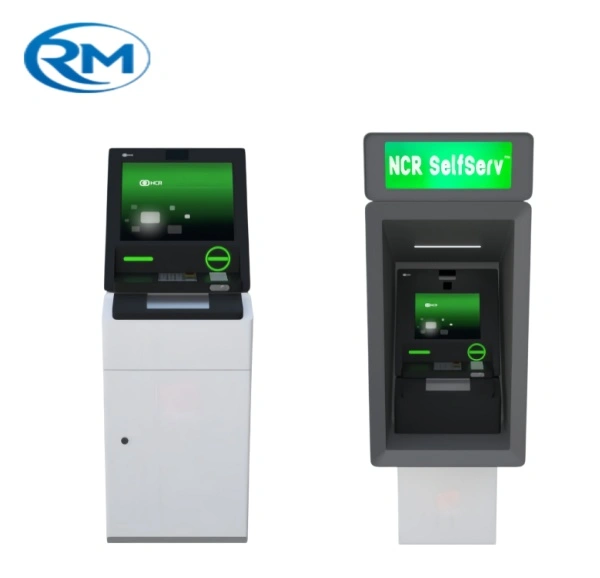

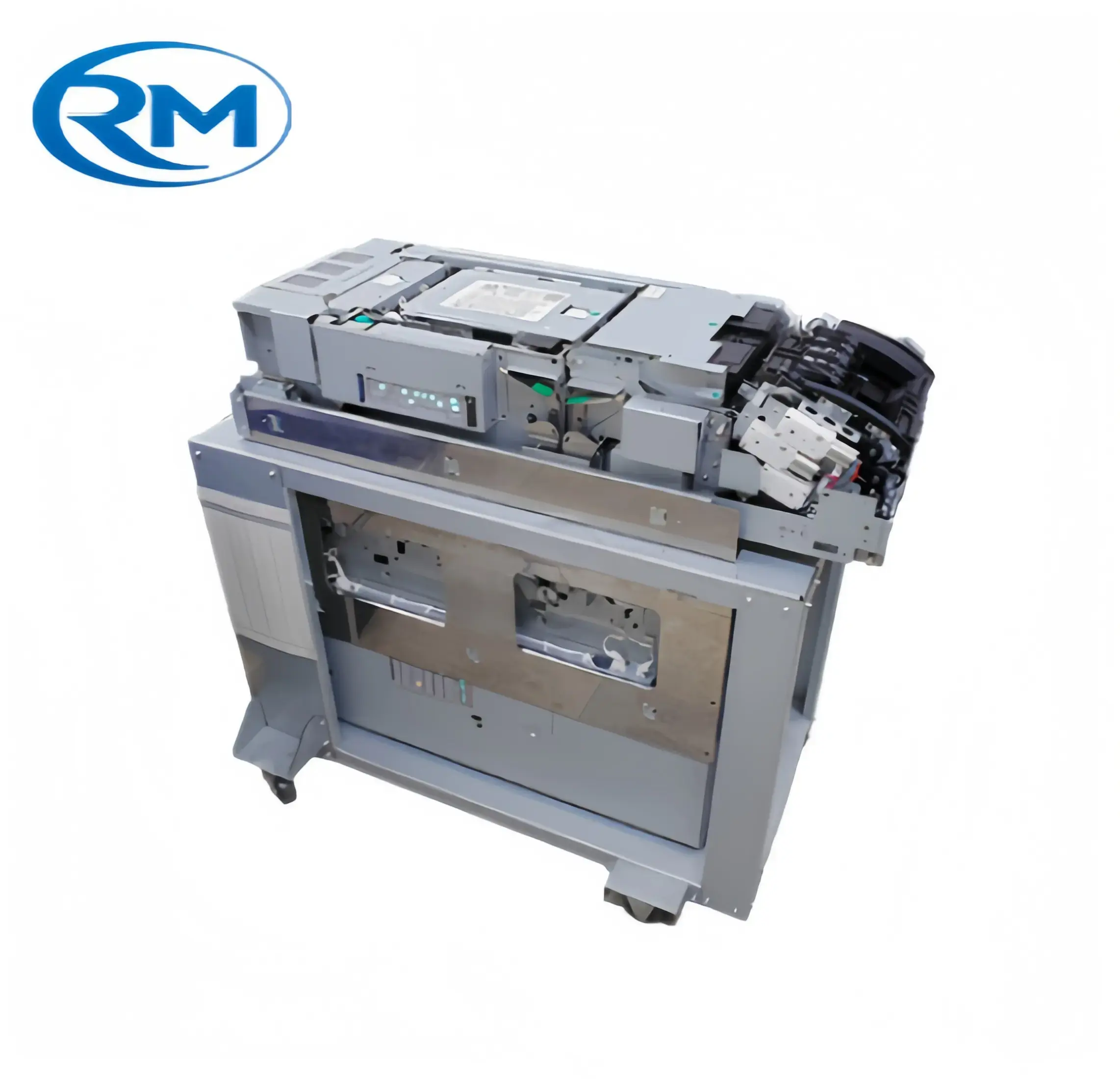
Because they let deposits be recycled in the same terminal, these modules change how banks handle cash flow. The technology lowers the cost of cash in transit and speeds up transactions for people depositing mixed bills. Both models work well with NCR SelfServ platforms, but they meet different operational needs depending on the number of transactions and the environment.
Core Functionality and Technical Specifications
A Hongkong Rong Mei Technology product called the Bunch Recycler Module (BRM) can handle 8 to 12 notes per second and can hold 200 to 300 notes per transaction. This processing speed works well in places with moderate to high traffic, where quick transaction completion has a direct effect on how happy customers are and how well lines are managed. The module has Multi-Spectral Image Analysis and UV fluorescence sensors to find fake money. It meets Central Bank compliance standards in a number of different countries. Our modules work reliably in temperatures ranging from 0°C to 50°C, which means they can be used in both climate-controlled indoor installations and outdoor kiosks where changes in temperature can make components less stable.
The advanced note validation system checks more than one security feature at the same time. This lowers the number of false rejections that make customers angry and increase the number of service calls. When the module finds suspicious notes, it sends them to a special bin for rejects and credits valid currency right away. This real-time authentication keeps financial institutions safe from fraud and keeps transactions running smoothly during busy banking hours.
Distinguishing Model 83 from Model 87
Both models have the same basic structure for recycling, but Model 87 is more reliable because it has reinforced polymer gears and high-tensile anti-static belt transport systems. These engineering improvements make maintenance intervals longer and reduce wear on parts in places that handle a lot of transactions every month. Model 83 works well in places with normal traffic, where a moderate number of transactions doesn't put too much mechanical stress on moving parts.
The choice between models depends on how many transactions are expected, the environment, and the long-term cost of ownership. Model 83 is more cost-effective for branches with lighter traffic, while Model 87 is more durable and warrants a higher initial investment in places that process more than 5,000 transactions per month. Both setups support dynamic cassette mapping, which lets financial institutions change the amounts of cash given out when cash demand changes with the seasons or during special banking campaigns.
Step-by-Step Installation Process for Recycler Modules
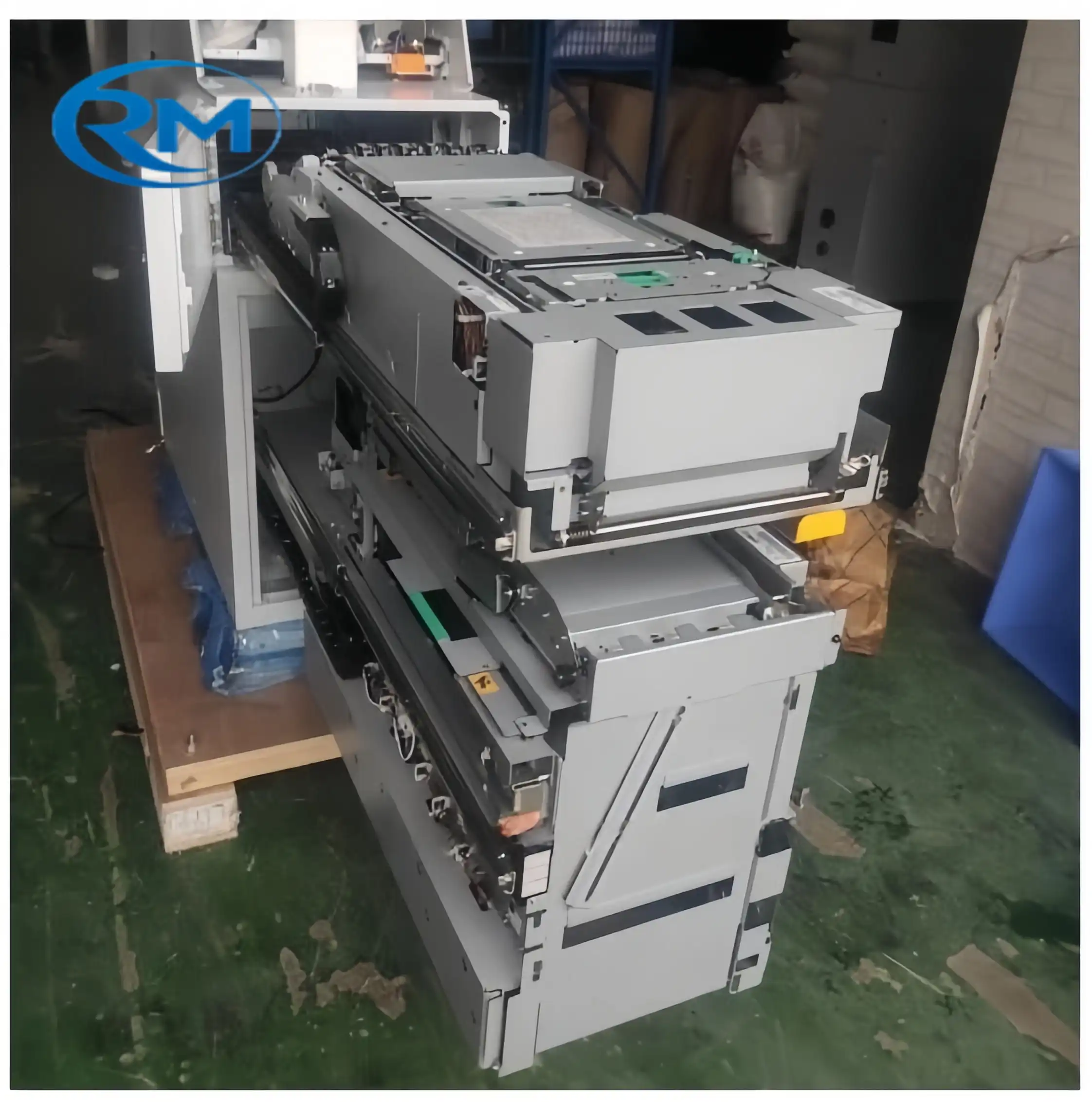
Installing a module correctly starts long before it gets to your facility. Preparation determines whether the installation is finished during the planned maintenance window or goes on for too long and costs too much, forcing the branch to close for longer periods of time.
Pre-Installation Preparation and Environment Readiness
Make sure that the ATM cabinet has enough space for the module and that the technician can get to it during the installation process. The temperature in the installation area should stay stable between 0°C and 50°C, and the relative humidity should stay below 85% to keep electronic parts from condensing. Before you start the procedure, make sure you have all the tools you will need, such as precision screwdrivers, torque drivers that are calibrated to the manufacturer's specifications, anti-static wrist straps, and cable management clips.
Make sure the version of the ATM software that works with the NCR SelfServ 83/87 Recycler Module firmware that you want to install. Version mismatches lead to initialization failures that show up as strange error codes when testing after installation. Get the most up-to-date firmware from your provider and use checksum validation to make sure the files are correct before you start the physical installation. Hongkong Rong Mei Technology offers online technical documentation and video support to help you understand the requirements for compatibility that are specific to your ATM platform version.
Physical Installation and Connection Procedures
Before you open the cabinet, turn off the ATM completely and disconnect it from the power source. Follow the instructions in your platform's service manual to carefully label all electrical connectors and data cables so that they don't get mixed up when you put the system back together. The recycler module is attached to precision alignment rails inside the cabinet. Make sure these rails are clean and free of anything that could get in the way of the module's secure seating.
Slide the module into place until the mounting latches engage and click, confirming that everything is lined up correctly. Connect the main power harness to the module's power input port. Before applying force, make sure that the connector pins are lined up correctly. Connect the communication cable to the data port, which is usually a special connector that handles both power and serial communication signals. Cables should be run through designated cable management channels so that they don't get pinched when the cabinet closes and so that they don't interfere with the module's moving mechanical parts.
Reconnect the ATM to the power source and start the power-up process again. During initialization, the module checks its own functionality by checking the motors, sensors, and communication pathways. Keep an eye on the diagnostic codes that show up on the service screen. If initialization goes well, a ready status will appear, which means the module passed all of its own checks. Before the installation moves on to the configuration stages, our modules have full diagnostic routines that look for problems with connections, misaligned sensors, or firmware that doesn't work with each other.
Software Configuration and System Integration
Using your technician credentials, get into the ATM service menu and go to the section for module configuration. Entering the new recycler module's serial number and choosing the right hardware profile for your BRM model will let you register it. Set up cassette assignments to tell which physical cassettes handle which denominations based on how your institution handles cash. The dynamic cassette mapping feature lets you change these assignments without having to change the hardware. This gives you operational flexibility as cash demand patterns change.
Set the conditions for accepting notes, such as the minimum condition that is acceptable. Tougher acceptance criteria lower the number of jams but raise the number of customer notes that are turned down. Looser criteria raise the customer experience but increase the number of times that maintenance needs to be done. Adjust these settings based on the condition of the currency in your market. Places where newer currencies are used should have stricter acceptance standards, while places where older notes are used should have more flexible settings.
If the version that is already installed is different from the latest release, you should upload the latest firmware to the module. Updates to the firmware make it easier to spot fakes, fix jams, and get the most out of mechanical timing sequences by using data from real-world use. Based on feedback from installations around the world, our engineering team is always improving firmware. These changes make components last longer and reduce the number of maintenance calls that need to be made. The update process usually finishes in 10 to 15 minutes, and if there are any problems, the update can be rolled back automatically.
Post-Installation Testing and Validation
Do thorough testing using sets of test notes that represent the different situations the module will face while it's working. Put the right amount of test money on each cassette and then make deposits while changing the number of notes, their conditions, and the way they are mixed. Check that the module correctly identifies denomination, checks fitness levels, and sends notes to the right cassettes based on the configuration parameters.
Use standard test notes that are made to look like common ways to fake things to test the system for finding fakes. The module should always reject these notes and send them to the reject bin while transactions with real money are still being processed. Keep track of the rejection rates and compare them to the baseline specifications. If there are too many rejections, it means that the sensors need to be calibrated before the ATM can be given to customer service.
Do withdrawal transactions to make sure the module gives out the right amounts and denominations. Mix withdrawal and deposit transactions to make sure that recycled notes work correctly in later transactions. This verifies the whole recycling process. Run long test sequences that mimic a full business day's worth of transactions to find any intermittent problems that might not show up in short tests. These thorough validation procedures stop failures that affect customers and cause the institution's reputation to suffer, which leads to calls for emergency services.
Maintenance and Troubleshooting Best Practices
When you do preventative maintenance, you keep the performance standards you set when you installed the system and avoid the much more expensive repairs that are needed when it breaks down in use.
Routine Maintenance Schedules and Procedures
Every 30 working days or every 5,000 transactions, whichever comes first, clean the transport paths and sensors. Optical sensors get misread when dust builds up on them. This leads to more false rejections, which are frustrating for customers and cause needless service calls. Only use cleaning Products that have been approved by the manufacturer. Homemade cleaning solutions can damage sensor coatings and void the warranty. The cleaning process takes about 20 minutes per module when trained technicians who know where the parts are located do it.
During every three months of maintenance, check the tension and alignment of the belt. During normal use, transport belts gradually stretch, and this loss of tension leads to mistakes in handling notes, such as misfeeds and jams. Using the calibration mechanism described in the service manual, adjust the tension so that the belt deflection is within the manufacturer's acceptable range. If you see cracks, fraying, or surface glazing on a belt, replace it before it breaks while it's in use. Preventative replacement costs much less than emergency service calls for belt failures.
At regular intervals, lubricate mechanical linkages and pivot points of the NCR SelfServ 83/87 Recycler Module with the appropriate lubricants to ensure smooth operation and reduce wear. Our modules use special lubricants that are made to work at temperatures ranging from 0°C to 50°C without collecting dust or breaking down over time. Using the wrong lubricants can lead to premature wear or the attraction of contaminants that speed up the breakdown of parts. Following the lubrication schedule in your maintenance manual will make mechanical parts last a lot longer than modules that are oiled irregularly or incorrectly.
Common Issues and Troubleshooting Guidance
Most of the time, worn money, foreign objects, or mechanical misalignment are to blame for note jams, which are the most common operational problem. When jams happen, don't improvise—follow the written procedure for clearing jams instead. Forcing jammed notes damages sensors and transport mechanisms, turning simple jams into difficult repairs. Our modules have jam detection algorithms that stop operation right away if resistance goes above normal levels. This keeps damage from happening when mechanisms keep pushing stuck notes through transport paths.
When there are problems with communication between the module and the ATM controller, transactions fail or there are problems with initialization when the machine starts up. Check that the connections between the cables are still tight, and look for corrosion or damage in the connectors. Communication problems are often caused by cables getting pinched when cabinet doors close or by connectors rusting in places with a lot of moisture. If you replace damaged cables right away, you can avoid intermittent failures that are hard to figure out and make troubleshooting more difficult.
As money designs change and sensor parts get older, the sensitivity of counterfeit detection needs to be adjusted from time to time. If rejection rates go up for no reason, make sure the sensor surfaces stay clean and compare the calibration to test note sets. Our technical support team can help with recalibration procedures remotely by showing your technicians how to make the necessary adjustments to get accurate detection back. The promise of a 24-hour response time makes sure that technical help gets to you when you need it, so calibration problems don't cause too much downtime.
Software and Firmware Update Management
Instead of waiting until there are problems to install firmware updates, do it during scheduled maintenance windows. Updates include performance improvements based on analysis of field experience as well as security improvements that fix newly found vulnerabilities. When scheduled maintenance is done instead of emergency repairs for security breaches or performance degradation, the update process requires the least amount of downtime.
Keep track of which version of firmware is installed on each module in your ATM fleet by keeping a firmware version log. Version tracking makes troubleshooting easier by removing version mismatches as a possible cause of problems. It also helps you plan updates more efficiently, so you can schedule updates for your whole fleet at once instead of fixing each module individually as problems come up. Our online support portal has a version history and release notes for each firmware release that list changes that have been made and known problems that have been fixed.
Comparing Performance and Procurement Considerations
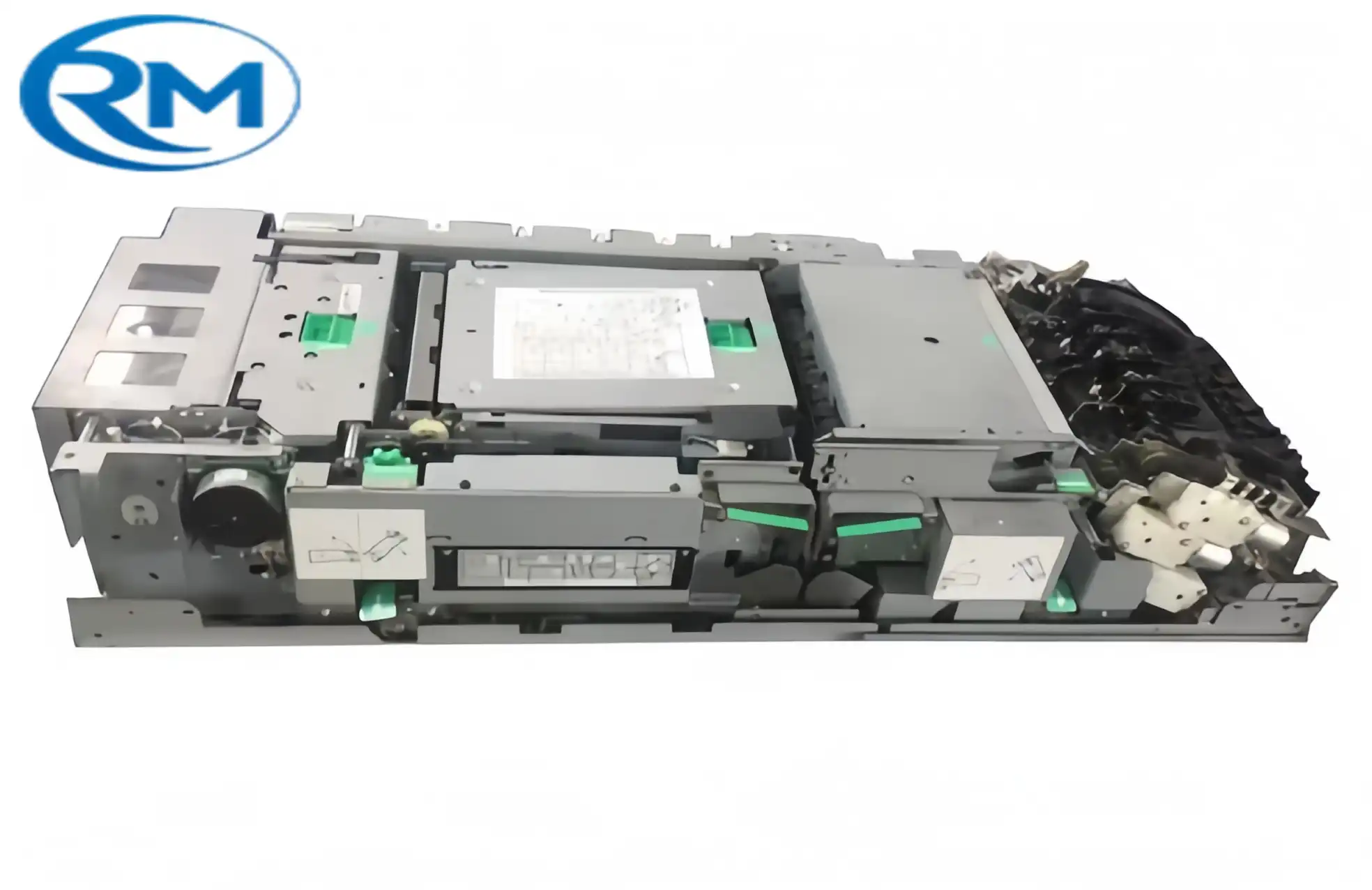
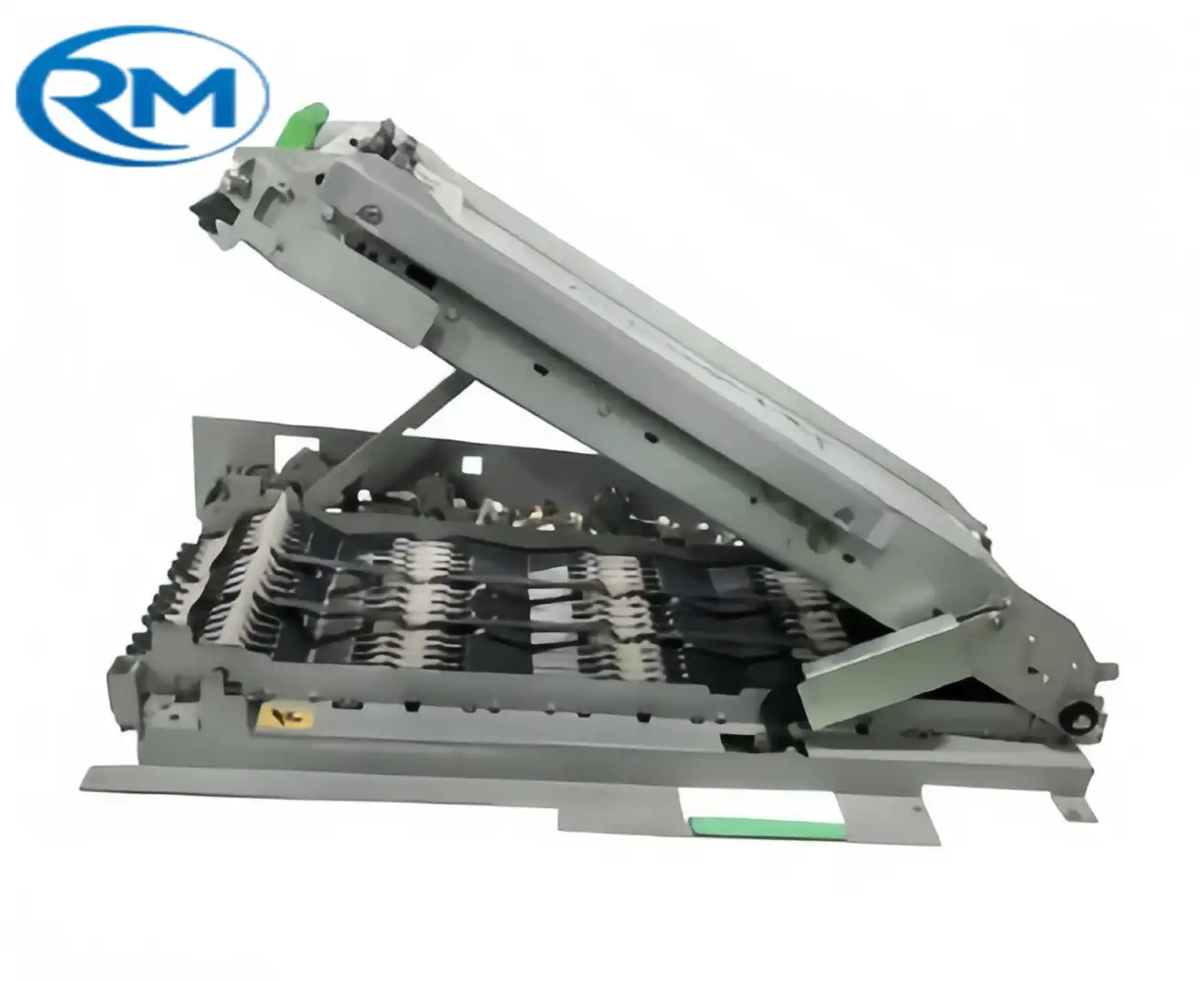
In order to choose the right recycler configuration, you need to know how technical specifications affect operational outcomes and the total cost of ownership over a number of years.
Performance Metrics and Operational Capacity
The speed of 8 to 12 notes per second has a direct effect on how long it takes for customers to complete transactions and how long lines are during busy banking hours. Higher throughput cuts down on wait times for customers, which raises customer satisfaction and lets branches serve more customers during regular business hours. Find your peak transaction volumes and make sure that the module's capacity is higher than its maximum demand. This way, you can make sure that there is enough reserve capacity for seasonal peaks or promotional campaigns that cause unusually high transaction volumes.
The 200-300 note escrow capacity sets the largest transaction size that can be processed in one go. Retail deposits and business banking transactions often involve more than 100 notes, which means that escrow capacity is a practical limit that slows down transaction times. When there isn't enough capacity, big transactions have to go through multiple cycles, which takes longer to finish and makes customers more frustrated. Match the escrow capacity to the typical deposit patterns of your customers. For example, business banking locations need more capacity than retail branches that handle mostly consumer transactions.
Cassette configuration flexibility lets you adjust the number of denominations available based on demand patterns in different places. When it comes to denomination mixes, branches in shopping districts need different ones than branches in business districts or tourist areas. Dynamic cassette mapping lets you make changes for different seasons without having to change the hardware. This means that you can adapt to holiday shopping seasons, changes in tourism, or special events that cause short-term changes in cash demand patterns. This flexibility makes the most of the cash that is available while minimizing the costs of cash-in-transit by planning replenishments in the best way.
Cost-Benefit Analysis and Return on Investment
The investment in the recycler module pays off in more ways than just lowering the cost of cash in transit. Immediate credit for deposits makes customers happier and opens up cross-selling opportunities by showing bigger available balances right away after a deposit is made. When branch employees don't have to handle as much cash, operational costs go down and staff time is put toward customer service tasks that bring in money instead of administrative tasks.
Finding fake money at the point of deposit keeps banks from losing money to fraud and customers from fighting over accepting fake money. Multi-Spectral Image Analysis and UV fluorescence detection find sophisticated fakes that can't be seen by a casual eye. This stops fake money from going through your institution and into circulation. By protecting institutions, they can keep their good name and avoid the customer service problems that come up when they accept fake money and have to try again to collect it.
The intelligent recycling that cuts cash logistics costs by 40% is spread out over multiple years and years of deployment. These savings cover the costs of buying modules within the typical 18–24 month payback period. After that, the continued savings directly lead to improvements in operational efficiency. To find the total cost of ownership, you need to add up all the costs involved in buying, installing, maintaining, and cashing in the goods. This thorough analysis shows the strategic value beyond just comparing prices at first.
Sourcing Recycler Modules and Accessing Support Services
Achieving good prices is only one part of successful procurement. Other factors include the dependability of the supply chain, the quality of technical support, and the value of a long-term partnership.
Selecting Qualified Suppliers and Verifying Credentials
Hongkong Rong Mei Technology has ISO9001-2008 certification, which shows that they follow quality management system rules and make sure their products meet consistent standards. This certification lets you know that the modules you buy meet the written requirements and go through strict quality checks before they are shipped. Our 3,000-square-meter building has special mold rooms, the ability to do injection molding, and quality control departments that make sure that parts are the same from one production run to the next.
We have both brand-new and expertly refurbished units in stock, so customers can find the best balance between price and performance. Refurbished modules go through a lot of testing and have their parts replaced, so they work just as well as new units but cost less. The 30-day warranty and online technical support cover both new and refurbished units, so there is no risk in choosing the cheaper refurbished options.
Our inventory includes more than 80% of the ATM modules and parts that are on the market. This makes us a complete supplier that can meet the needs of the whole fleet through a single relationship. This range gets rid of the hassle of managing relationships with many suppliers and makes it easier to use purchasing power to get better prices on large orders. We offer integrated supply chain support to make your purchasing easier, whether you need whole systems, single modules, or the smallest spare parts.
Ordering Process and Logistics Management
For the NCR SelfServ 83/87 Recycler Module, the standard lead time from order confirmation to delivery is 15 to 20 working days. This lets production schedules keep quality standards without breaking delivery promises. This schedule lets you plan installations for times when there are scheduled maintenance windows, so that emergency deployments don't mess up branch operations. When you order in bulk for deployments across a fleet, you can get volume discounts and delivery schedules that work with installations in different places.
We offer shipping options by sea, land, and air, depending on how quickly you need the package delivered and how much you want to save. Air freight is used for emergency replacements when the costs of downtime are higher than the premium shipping rates, while sea freight is more cost-effective for planned deployments and restocking. We have a lot of experience with shipping to new markets in Southeast Asia, the Middle East, Africa, and Latin America, as well as to established markets in Europe and the US. This helps us deal with customs rules and complicated paperwork quickly.
The 24-hour response time for general and technical questions makes sure that decisions about procurement don't have to be put on hold while people wait for more information. Our team knows how important it is to make quick decisions about ATM equipment because downtime has a direct effect on both customer service and the institution's bottom line. Contact Tang@atm-part.com right away for help with specifications, questions about compatibility, or requests for quotes that are tailored to your needs.
Customization Capabilities and Technical Support
We can change hardware to meet specific operational needs that aren't met by standard configurations. Customizing an interface lets you support multiple languages, so you can serve customers from a wide range of markets. Technical problems can be fixed with remote video support and troubleshooting help instead of having to be fixed on-site. This cuts down on resolution time and saves money on travel costs in remote areas.
Our technical documentation is available in several languages, so there are no communication problems that make maintenance tasks and troubleshooting harder. This support in multiple languages is especially helpful for international groups that have local technician teams managing ATM fleets in many countries. Clear documentation in local languages speeds up training, cuts down on mistakes, and makes maintenance more consistent across operations that are spread out geographically.
As part of customization services, modules can be made for uses other than standard ATM deployments. Recycler technology is built into smart safes and back-office systems in stores so that cashiers can make deposits at the end of the shift and get provisional credit right away. Financial institutions' teller automation units use recycler modules to handle complicated notes, such as damaged or mutilated money, while keeping throughput high.
Conclusion
When you correctly install recycler modules, you set the stage for years of reliable cash handling. The steps outlined here come from real-world experience gained from thousands of installations around the world. They are based on real problems that technicians face in a variety of working conditions. The performance benefits and cost savings that these modules offer can be kept up with careful planning, methodical installation, thorough testing, and regular maintenance. The technical specifications, troubleshooting tips, and procurement considerations give people who make decisions the information they need to choose the right configurations and build strong relationships with suppliers. By using these tried-and-true methods, banks can increase uptime, lower operational costs, and give customers the smooth transaction experiences they expect from modern self-service banking.
FAQ
What distinguishes Model 83 from Model 87 in practical operation?
The Model 87 incorporates reinforced mechanical components including upgraded polymer gears and enhanced belt transport systems providing superior durability in high-volume environments. Locations processing over 5,000 monthly transactions benefit from Model 87's extended component lifespan and reduced maintenance frequency, while Model 83 serves effectively in moderate-traffic installations where cost optimization takes priority over maximum durability.
How frequently should recycler modules receive maintenance?
Clean sensors and transport paths every 30 operating days or 5,000 transactions. Quarterly maintenance should include belt tension inspection, mechanical lubrication, and comprehensive functional testing. Following this schedule prevents the majority of operational failures and extends component lifespan significantly beyond modules receiving irregular maintenance.
Can existing ATMs be retrofitted with recycler modules?
Most NCR SelfServ platforms accommodate recycler module installation through cabinet modifications and software updates. Compatibility depends on specific ATM model, software version, and cabinet configuration. Contact our technical team at Tang@atm-part.com with your ATM model details for compatibility assessment and retrofit feasibility evaluation for the NCR SelfServ 83/87 Recycler Module.
What warranty coverage applies to refurbished modules?
Refurbished modules receive identical 30-day warranty coverage as new units, including online technical support and replacement for manufacturing defects. Refurbished units undergo complete testing and component replacement matching new unit performance at reduced cost, providing cost-effective solutions without sacrificing reliability or support quality.
Partner with a Trusted NCR SelfServ Recycler Module Supplier
RM (Hongkong Rong Mei Technology) delivers comprehensive recycler solutions backed by over 20 years of ATM technology expertise and ISO9001-2008 certified manufacturing processes. Our Bunch Recycler Modules for NCR SelfServ 83/87 Recycler Module systems combine enterprise-level performance with cost-effective pricing, reducing your cash logistics expenses by up to 40% while maintaining 99.5% uptime through superior component quality. We maintain extensive inventory of both new and refurbished modules with 15-20 working day delivery and 24-hour inquiry response times. Contact Tang@atm-part.com today for detailed specifications, compatibility verification, and competitive quotations tailored to your fleet requirements. Our multilingual technical support team provides remote video assistance and comprehensive documentation ensuring successful installations and long-term operational excellence.
References
1. "NCR SelfServ ATM Technical Specifications and Installation Manual," NCR Corporation Engineering Documentation, 2022.
2. Williams, R., "Cash Recycling Technology in Modern Banking Infrastructure," Journal of Financial Equipment Management, Vol. 15, No. 3, 2023, pp. 112-128.
3. "ISO 9001:2008 Quality Management Systems Requirements for Manufacturing Operations," International Organization for Standardization, 2008.
4. Chen, L. and Martinez, J., "Comparative Performance Analysis of ATM Cash Handling Modules," International Conference on Banking Technology Proceedings, 2023, pp. 45-62.
5. "Best Practices for ATM Maintenance and Component Lifecycle Management," ATM Industry Association Technical Guidelines, Fourth Edition, 2023.
6. Thompson, K., "Cost-Benefit Analysis of Cash Recycling Implementation in Multi-Branch Banking Networks," Financial Operations Quarterly, Vol. 28, No. 2, 2023, pp. 89-104.
Learn about our latest products and discounts through SMS or email