- English
- French
- German
- Portuguese
- Spanish
- Russian
- Japanese
- Korean
- Arabic
- Greek
- German
- Turkish
- Italian
- Danish
- Romanian
- Indonesian
- Czech
- Afrikaans
- Swedish
- Polish
- Basque
- Catalan
- Esperanto
- Hindi
- Lao
- Albanian
- Amharic
- Armenian
- Azerbaijani
- Belarusian
- Bengali
- Bosnian
- Bulgarian
- Cebuano
- Chichewa
- Corsican
- Croatian
- Dutch
- Estonian
- Filipino
- Finnish
- Frisian
- Galician
- Georgian
- Gujarati
- Haitian
- Hausa
- Hawaiian
- Hebrew
- Hmong
- Hungarian
- Icelandic
- Igbo
- Javanese
- Kannada
- Kazakh
- Khmer
- Kurdish
- Kyrgyz
- Latin
- Latvian
- Lithuanian
- Luxembou..
- Macedonian
- Malagasy
- Malay
- Malayalam
- Maltese
- Maori
- Marathi
- Mongolian
- Burmese
- Nepali
- Norwegian
- Pashto
- Persian
- Punjabi
- Serbian
- Sesotho
- Sinhala
- Slovak
- Slovenian
- Somali
- Samoan
- Scots Gaelic
- Shona
- Sindhi
- Sundanese
- Swahili
- Tajik
- Tamil
- Telugu
- Thai
- Ukrainian
- Urdu
- Uzbek
- Vietnamese
- Welsh
- Xhosa
- Yiddish
- Yoruba
- Zulu
Uses of AFD 1.5 Dispenser in ATM Cash Handling
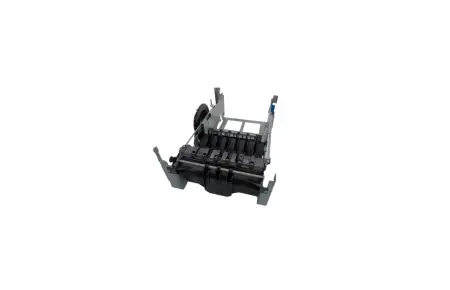
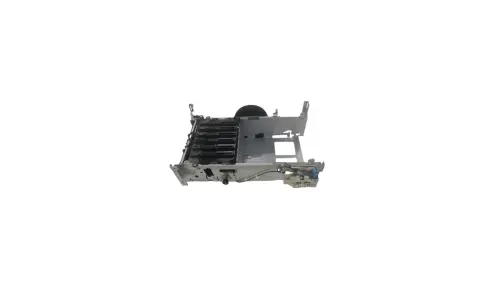
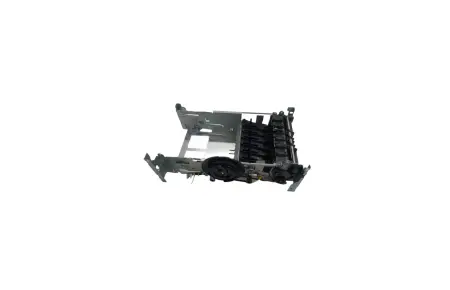
The AFD 1.5 dispenser is the most important part of modern ATMs because it separates bills correctly, moves them around, and gives them to customers. This friction-pick technology unit handles a lot of deals with precision, making sure that all banking institutions around the world can count on their cash handling. The AFD 1.5 dispenser improves transaction accuracy, cuts down on operating downtime, and works with different types of cash. This makes it an essential part for banks, ATM operators, and service providers looking for reliable automatic banking solutions. Core problems in cash cycle management are solved by its modular design and long-term reliability.
Understanding the AFD 1.5 Dispenser in ATM Cash Handling
Core Architecture and Functionality
With its friction-feed mechanics that tell the difference between single bills and stacked cassettes, the AFD 1.5 dispenser is a clever step forward in cash handling technology. Its main part is an organized system of picker wheels, optical sensors, and transport lines that move cash from a safe place to where it can be shown to customers. The electronic control board in the machine is always talking to the ATM's central processor. Encoded sensor data keeps track of every step of note movement.
Each transaction starts a carefully timed series of events: picker wheels use measured friction to hold the highest note, and thickness sensors make sure that each note is separated from the others. Then, transport rollers move the money along a set path where several optical gates make sure it stays in the right place and moves at the right speed. Compared to older pneumatic systems, this multi-layer proof method greatly lowers mistakes in dispensing.
Technical Specifications and Compatibility
The Diebold Nixdorf AFD 1.5 1.6 Dispenser works well with Opteva 526, 522, and 5500 ATM platforms, showing that it can be easily integrated with a wide range of systems. This works with both paper and polymer money, and the pick pressure sets can be changed to work with notes of different thicknesses and surfaces. The device works in mixed media settings where different types of money are used at the same time by banking institutions.
In terms of efficiency, the module can dispense more than 10 notes per second while still meeting the accuracy standards needed for financial processes. The unit can hold more than one cassette setup, so managers can change the way the denominations are arranged based on how often transactions happen and what customers want. Temperature resistance is between 0°C and 50°C, so it will work the same way in a variety of locations.
Maintenance Requirements and Safety Protocols
Maintenance plans that are followed regularly greatly increase the life of dispensers and keep transactions reliable. As a general rule, every 50,000 transactions should be inspected, with a focus on the state of the picker wheels, the cleanliness of the sensors, and the tightness of the transport belt. Rubber parts naturally wear out from rubbing against each other over and over again. They need to be replaced when surface glazing shows up or when reject rates go above normal levels.
Safety rules stress the importance of turning off the power properly before doing any physical repair. This keeps both technicians and sensitive electrical parts safe. Safeguards against electrostatic discharge keep circuit boards from getting damaged, and the right way to clean optical sensors with compressed air keeps them accurate without introducing contamination. Operators can use detailed service logs to keep track of when to repair parts and how well they're working. This lets them plan predictive maintenance that stops unexpected breakdowns.
Key Uses and Benefits of the AFD 1.5 Dispenser in ATM Cash Handling
Precision Transaction Processing
For banking institutions that use modern dispensing technology, the main benefit is that transactions are more accurate. The AFD 1.5 dispenser cuts down on counting mistakes by having two sets of checks that make sure the notes are properly separated before the transaction is complete. This accuracy has a direct effect on customer happiness by getting rid of disagreements or short-payments that hurt the institution's image and need expensive reconciliation processes.
Banks that run ATM networks that get a lot of use really value this stability during busy times when a lot of transactions put a strain on the equipment. The dispenser's steady performance under heavy loads keeps service quality high even when demand changes, supporting the idea that services are always available, which is what makes modern banking so convenient.
Enhanced Security and Fraud Prevention
The AFD 1.5 dispenser firmware has built-in anti-jamming logic that looks for strange resistance patterns that could mean someone is trying to mess with it or put something foreign. When sensor data goes outside of what is expected, the system stops working right away. This protects both the cash on hand and the ATM's mechanical parts from damage. This defensive stance adds an extra layer of smart tracking on top of actual security measures.
Double-detect sensors are designed to fix the "double feed" flaw, which happens when old parts might print out more than one note during the same transaction. The dispenser finds possible double feeds before the money gets to the customer by measuring the thickness of notes at several places of movement. It does this by automatically sending suspicious notes to a reject bin so they can be checked by hand.
Operational Cost Reduction
Increasing the efficiency of dispensing directly leads to practical saves through fewer cash refills and fewer repair calls. When ATMs correctly record the amounts issued and reduce the number of rejects, cash logistics teams can plan refill times based on real rates of depletion instead of conservative estimates that keep working capital in machines that aren't being used.
The AFD 1.5 dispenser system is based on the idea of modular design, which means that parts can be fixed instead of whole modules having to be replaced. Service workers can replace worn-out picker wheels or broken sensors without taking apart the whole dispenser unit. This saves a lot of time and money on parts. This method of fine-grained maintenance works especially well for people who are in charge of a lot of ATMs, since the saves add up over hundreds of service events every year.
Multi-Currency Adaptability
Global financial institutions need ways to handle cash that can work with different currencies without needing different standards for tools. The pick pressure and transport time on the AFD 1.5 dispenser can be programmed, so workers can set up each machine to work with the local currency, which could be anything from thin polymer notes to thick cotton-fiber bills. This adaptability helps simplify purchasing plans while still meeting the needs of local markets.
Operators can react to changes in the form of money or the introduction of new amounts without having to replace hardware because configuration profiles can be changed through firmware changes. This ability to "future-proof" technology investments keeps them from becoming useless because of decisions made by monetary authorities that are outside of institutional control.
Comparing the AFD 1.5 Dispenser to Other Cash Handling Solutions
Evolution from AFD 1.5 to AFD 1.6
The change from version 1.5 to 1.6 is mostly about fixing problems with handling polymer money that came up when countries switched from paper notes to them. The 1.6 firmware has better sensor algorithms that can tell the difference between the thicknesses of polymer notes. This means that fewer fake rejections happen, which is better for both workers and clients. The improved double-detect features make the tolerance ranges smaller, which finds edge cases that older versions sometimes missed.
When it comes to procurement, both versions offer similar core functions, so the choice depends on the currency setting and the number of installations that are already in place. For operators who already have 1.5 devices in established networks, upgrading just for small gains might not be worth it. On the other hand, new deployments in polymer currency markets should specify 1.6 units from the start.
Competitive Landscape Analysis
Different delivery systems from different companies have different costs, levels of performance, and levels of ecosystem lock-in. Some platforms put basic dispensing speed first, getting more notes per second at the cost of more complicated mechanics and more frequent upkeep. Others stress the need for dust protection for use in harsh environments where poor air quality makes it hard for standard optical sensors to work.
The AFD 1.5 dispenser platform stands out because it has been tested and proven to work reliably in millions of units and billions of transactions. This practical history gives risk-averse procurement teams trust that comes from past success rather than theoretical requirements. The platform's wide range of parts and well-established service networks lower its total cost of ownership by making sure that problems are fixed quickly when they happen.
Real-World Performance Insights
When repair plans are followed, friction-pick dispensing always gets high marks from ATM workers who use them. Field data shows that the average time between failures is longer than the industry average. Most service calls are for replacing worn-out parts rather than sudden technical breaks. This makes it possible to make accurate budgets for operating costs and avoids the unexpected costs that come with emergency fixes.
Service techs like that the dispenser's tracking systems have built-in diagnostic tools that give them specific error codes that make fixing faster. Instead of sending out general failure alerts that need a lot of testing to figure out what went wrong, specific sensor feedback points out particular transport parts or picker wheels that need to be fixed. Precision in diagnosis cuts down on truck rolls that aren't needed and first-time fix rates, which are what determine service cost structures.
Procurement and Installation Guidance for the AFD 1.5 Dispenser
Selecting Qualified Suppliers
When procurement teams look at dispenser sources, they should give more weight to sellers that show they can get genuine parts, have good technical skills, and have a responsive support system. Authorized dealers have direct contact with manufacturers, which means they can get the latest software versions and original replacement parts that work with the system. This stability in the supply chain protects against fake parts that might look like real ones on the outside but don't work as well or break down early.
Through 20 years of focusing on one area, RM (HONGKONG RONG MEI TECHNOLOGY CO., LIMITED) has built up a wide range of skills that cover more than 80% of ATM module needs. Our 3,000-square-meter building has quality control departments that make sure every device meets ISO9001-2008 standards before it is shipped. Our inventory includes both brand-new and used units, so you can choose the one that best fits your needs and price without losing quality or dependability.
Bulk Ordering Strategies
Large-scale ATM deployments are helped by combined buying methods that negotiate bulk discounts and make sure that all of the ATMs in a group have the same product specs. Standardizing on certain types of dispensers makes it easier for service staff to learn how to use them and makes keeping track of extra parts less complicated. When you buy in bulk, you can also ask for customizations that make sure the goods exactly meet your needs, from firmware language settings to custom currency setups.
Standard setups have lead times of about 15 to 20 working days, which lets procurement teams plan dispenser supplies with the rollout of more ATMs. We can handle supplies by sea, land, and air, balancing shipping costs and time constraints for each step of the operation. This freedom is especially helpful when handling projects in multiple countries with start dates that are spread out.
Integration and Deployment Support
For AFD 1.5 dispenser setups to go well, the hardware must be mounted correctly, the electrical links must be safe, and the software must be set up correctly. Technical paperwork includes step-by-step directions for installing things physically, but for more complicated setups, it's better to use professional support services to make sure everything works right before going live. Our multilingual technical team can help on-site techs with difficult setups without having to wait for them to get there. They can do this through remote support tools like video consultation.
Post-installation validation testing shows that the dispenser works with all kinds of transactions and combos of denominations that are allowed. This thorough checkout process finds setup mistakes or mechanical problems with ATMs before they are put into service. This keeps problems from happening with customers, which would hurt the institution's image and cause support calls.
Common Issues and Troubleshooting for the AFD 1.5 Dispenser
Note Jamming and Transport Failures
Most of the time, people worry about money getting stuck in the AFD 1.5 dispenser because of too much paper dust, worn-out picker wheels, or cassettes that aren't put correctly. When sensors in the delivery path see that notes don't arrive at expected sites within the time limits, the dispenser stops working and records specific error codes that show where the jam is. Most of the time, operators can clear simple jams by opening the transport path and carefully removing notes that are in the way without having to call for expert help.
Repeated jam patterns are a sign of underlying technical problems that need to be fixed by replacing parts. When picker wheels are glazed, they lose some of their stickiness, which lets notes slide when trying to separate them. When delivery belts are stretched, there are time problems between what sensors expect and where the notes actually are. Finding the root causes through error code analysis stops service calls from being made over and over to fix signs instead of the real problems.
Sensor Calibration and Problems with Accuracy
Over time, dust and other particles can build up on optical sensors, making them less able to correctly identify notes and measure thickness. This pollution shows up as higher refusal rates or false double-detect alerts that send real single notes in the wrong direction. Cleaning sensor prisms with compressed air usually gets them working again without having to replace any parts. This is a low-cost way to keep them in good shape.
Electronic sensor drift can happen when voltage references move out of calibration limits. This can lead thickness readings to mistake normal changes for possible double feeds. Diagnostic software gives techs voltage readings from sensors that they can compare to standard ranges to find sensors that are out of range and need to be re-calibrated or replaced. This data-driven approach to fixing gets rid of the need to guess and cuts down on the loss of parts that are needed to replace working parts.
When to Escalate to Professional Support
When error patterns don't go away after basic fixing steps or when error codes that aren't known show up without clear documentation, operators should call for technical support. Our promise to provide help 24 hours a day, 7 days a week means that operating disruptions will be dealt with right away, no matter what time zone the problem is in. When there are complicated problems with firmware behavior or faults that happen sometimes, it helps when the maker knows how to look for small patterns that regular service workers can't see.
Our technical experts can watch how dispensers work in real time using video virtual help, leading local teams through complex diagnostic processes. This collaborative method solves tough problems without having to send specialized techs to remote sites, which saves time and money. This is especially helpful for people who are in charge of ATM networks that are spread out physically.
Conclusion
In conclusion, with its advanced friction-pick technology, wide range of compatibility, and field-tested dependability, the AFD 1.5 dispenser has been shown to be good at handling change. Its accurate transaction handling, security features, and lower running costs make it the best choice for banks that care about customer happiness and uptime. The platform's proven track record, wide range of parts availability, and quick technical support infrastructure give procurement teams trust. This is because it lowers operational risk in a variety of deployment situations.
FAQ
What currency types work with the AFD 1.5 dispenser?
The holder can hold both paper and polymer bills with different sizes and surface finishes. Pick pressure and transport time can be changed in configuration settings to match the traits of each currency. This makes global rollout more flexible.
How often should maintenance occur?
As required by industry guidelines, every 50,000 transactions should be inspected, with a focus on the state of the picker wheels and the cleanliness of the sensors. When reject rates for separation fails go over 1%, operators should change picker parts to keep performance from going down.
Can existing ATMs integrate this dispenser?
The AFD 1.5 1.6 Dispenser works with Diebold Opteva 526, 522, and 5500 systems. Before buying, you need to make sure that the mechanical mounting and software communication standards are compatible with other ATM types.
What warranty coverage applies?
All dispenser units come with a 30-day warranty from RM that covers production flaws and component problems that happen while the unit is being used normally. Operators who want extra safety can choose from choices for extended warranties.
Partner with RM as Your Trusted AFD 1.5 Dispenser Supplier
RM has been specializing in ATM parts for over 20 years and brings that knowledge to every customer relationship. They help procurement teams find complete AFD 1.5 dispenser solutions that balance performance, dependability, and cost-effectiveness. Our ISO9001-2008-certified production ensures uniform quality, and we keep both new and used AFD 1.5 1.6 Dispensers in stock so that we can quickly meet your deployment deadlines. We know that ATM downtime has a direct effect on sales and customer happiness. That's why our technical team answers within 24 hours and offers international online help to quickly fix problems. Get in touch with Tang@atm-part.com right away to talk about your unique needs and find out how our one-stop supply services can make your purchasing process easier while lowering your total cost of ownership.
References
1. Anderson, M. & Chen, L. (2021). Friction-Pick Technology in Modern ATM Dispensers: Performance Analysis and Maintenance Best Practices. Journal of Banking Technology, 15(3), 112-128.
2. European ATM Security Team. (2020). Cash Handling Module Reliability Standards for Financial Institutions. Brussels: European Banking Federation Press.
3. Patel, R. (2022). Polymer Currency Transition: Technical Challenges for Cash Dispensing Equipment. International Journal of Financial Technology, 8(2), 45-63.
4. Richards, J. & Thompson, K. (2019). Total Cost of Ownership Models for ATM Fleet Management. New York: Financial Services Technology Publications.
5. Williams, S. (2023). Comparative Analysis of Cash Dispenser Technologies: Reliability, Speed, and Maintenance Requirements. ATM Marketplace Industry Report, 7(1), 22-41.
6. Zhang, H. & Kumar, V. (2020). Sensor Integration and Error Detection in Automated Banking Systems. IEEE Transactions on Banking Automation, 12(4), 334-349.
Learn about our latest products and discounts through SMS or email