- English
- French
- German
- Portuguese
- Spanish
- Russian
- Japanese
- Korean
- Arabic
- Greek
- German
- Turkish
- Italian
- Danish
- Romanian
- Indonesian
- Czech
- Afrikaans
- Swedish
- Polish
- Basque
- Catalan
- Esperanto
- Hindi
- Lao
- Albanian
- Amharic
- Armenian
- Azerbaijani
- Belarusian
- Bengali
- Bosnian
- Bulgarian
- Cebuano
- Chichewa
- Corsican
- Croatian
- Dutch
- Estonian
- Filipino
- Finnish
- Frisian
- Galician
- Georgian
- Gujarati
- Haitian
- Hausa
- Hawaiian
- Hebrew
- Hmong
- Hungarian
- Icelandic
- Igbo
- Javanese
- Kannada
- Kazakh
- Khmer
- Kurdish
- Kyrgyz
- Latin
- Latvian
- Lithuanian
- Luxembou..
- Macedonian
- Malagasy
- Malay
- Malayalam
- Maltese
- Maori
- Marathi
- Mongolian
- Burmese
- Nepali
- Norwegian
- Pashto
- Persian
- Punjabi
- Serbian
- Sesotho
- Sinhala
- Slovak
- Slovenian
- Somali
- Samoan
- Scots Gaelic
- Shona
- Sindhi
- Sundanese
- Swahili
- Tajik
- Tamil
- Telugu
- Thai
- Ukrainian
- Urdu
- Uzbek
- Vietnamese
- Welsh
- Xhosa
- Yiddish
- Yoruba
- Zulu
Best IC Smart Card Reader for NCR ATM SelfServ Systems
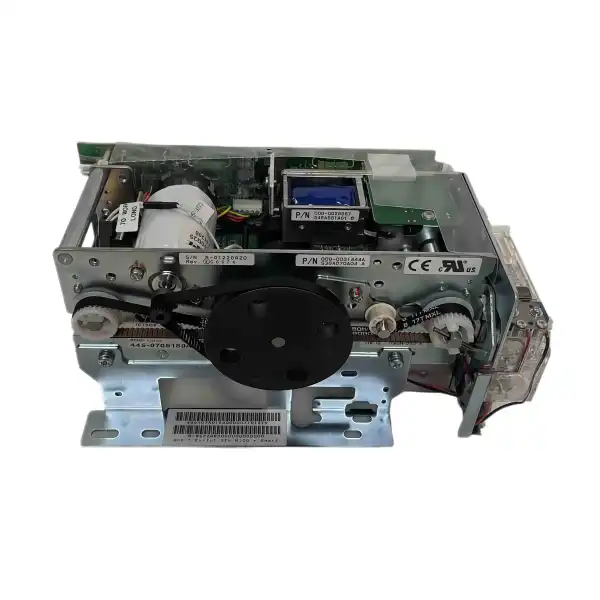
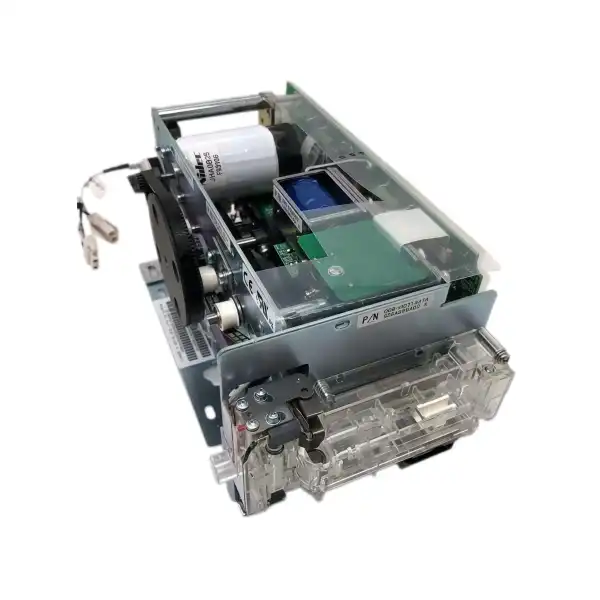
When choosing the best IC Smart Card Reader for NCR ATM SelfServ systems, procurement managers must prioritize compatibility, security compliance, and supplier reliability. The Nemo MCRW Card Reader stands out as an enterprise-grade solution engineered specifically for NCR SelfServ ATM infrastructure. Supporting both 2-track and 3-track HiCo magnetic stripe formats alongside integrated IC chip functionality, this device delivers seamless EMV compliance while maintaining compatibility with critical NCR part numbers including 445-0765158 and 445-0765159. With availability in both brand-new and refurbished conditions, the Nemo MCRW addresses core procurement pain points: stable supply chains, rapid deployment timelines, and cost-effective alternatives to OEM-exclusive parts.
Understanding IC Smart Card Readers and Their Role in NCR ATM SelfServ Systems
Technology Fundamentals and Operating Principles
Chip-enabled cards and ATM host systems can safely talk to each other through IC Smart Card Reader units, which work as electromechanical connections. Contact-type readers, which are mostly used in ATMs, have pins that are loaded with springs and directly connect with card chip contacts according to ISO 7816 standards. When a customer enters their EMV chip card, the reader turns on the chip, sends and receives Application Protocol Data Unit (APDU) commands, and checks encrypted identification data before allowing the transaction.
These days, ATM card readers use more than one technology in the same building. During times when one technology is being replaced by another, the Nemo MCRW can read both magnetic stripe cards and EMV chip cards because it has both IC chip and magnetic stripe reading capabilities. This dual-mode operation is especially useful in places where people still haven't switched all of their cards to chip cards.
Critical Features for ATM Deployment
Skimming attacks and illegal data theft are prevented by security measures built into ATM-grade card readers. Hardware encryption units secure card data as soon as it is read, so it can't be seen in plaintext by the ATM system. Parts that stop skimming include theft detection circuits that look for external devices plugged into the card slot and send out alerts if they find any.
Read precision and longevity determine how reliable something is in high-volume settings. ATM card readers have to keep working well even after millions of times they've been used, even when dust builds up, temperatures change, and the machines are under a lot of stress. Enterprise-grade readers, like the Nemo MCRW, have a reinforced frame and precise transport systems that keep the accuracy even in demanding 24/7 operation scenarios.
NCR SelfServ System Integration Requirements
Standardized communication methods are used by NCR SelfServ ATM models to connect to card reader units. To integrate well, the hardware must be able to fit on NCR mounting brackets, work with NCR power sources and data buses, and have code that works with different versions of NCR ATM software. The Nemo MCRW is fully compatible with NCR specs, so it can be installed directly as a replacement without any special changes.
USB for data transfer and specialized power links are common types of connection interfaces. Transport mechanisms need to line up with NCR throat kits, which include parts like the 009-0031447 short throat design that helps cards fit into the reader mechanism. Full compatibility includes sub-modules like transport bases (part numbers 009-0031443 and 009-0031444) and IC blocks (009-0028982), so sourcing teams can easily find whole kits or single replacement parts.
Key Criteria for Selecting the Best IC Smart Card Reader for NCR ATM SelfServ Systems
Procurement Decision Framework
The F-1 criteria screening approach gives you an organized way to look at different IC Smart Card Reader choices based on how they will be used. When buying a lot of things for a national ATM network rollout, you need to think about some things differently than when buying a few things for a regional store replacement. Integration difficulty changes based on whether an entire ATM is replaced or current machines are upgraded after the fact.
Buyers who buy in bulk should give priority to sellers who offer regular availability and bulk prices. Suppliers who keep large parts lists that cover 80% or more of market modules are helpful for service companies that manage a variety of ATM lines. Organizations that don't have a lot of technical staff need easy-to-follow installation instructions and lots of paperwork. Buyers who are more technically savvy may value the ability to customize and access to SDKs.
Performance and Security Metrics
Transaction speed has a direct effect on how happy customers are and how much money can be taken out of an ATM. These days, smart card readers can finish the chip identification steps in less than three seconds, so customers don't have to wait too long during busy times. Read error rates below 0.1% ensure that the business runs smoothly, without transaction fails that are annoying and send customers to competing stores.
Security approvals show that readers meet the standards set by the industry to keep user data safe. EMV Level 1 and Level 2 approvals show that hardware and software meet the standards of the global payment network. Payment Card Industry PTS (Payment Card Industry PIN Transaction Security) approval makes sure that devices have the right security measures in place to stop hacking and other logical threats.
Long-term reliability measures include an average time between failures (MTBF) of more than 500,000 card inserts and help from the maker for at least five years after the purchase. The warranty should cover both parts and work, and expert help should be quick and easy to reach by phone, email, and remote diagnostics.
Comparative Analysis of Reader Options
The Nemo MCRW Card Reader gives you a competitive edge in key rating areas. It works with both 2-track (445-0765158) and 3-track HiCo setups (445-0765159), so it can be used for a range of transaction types and card standards in different regions. Because it has an integrated IC block, it can fully process EMV chip cards while still working with magnetic stripe cards.
There are other choices on the market, such as proprietary and third-party readers, but procurement pros need to make sure that they work with certain NCR SelfServ models. Generic readers that don't have NCR-specific certifications may have trouble integrating or may cancel NCR system guarantees. Suppliers that have been around for a while and have proven NCR deployment experience lower operational risks and speed up deployment times. When you can get full sub-modules from a single source, like transport mechanisms, throat assemblies, and circuit boards, it makes it easier to handle extra parts and makes buying them less complicated.
Benefits and Applications of IC Smart Card Readers in NCR ATM SelfServ Systems
Enhanced Security and Fraud Prevention
Modern IC Smart Card Readers have advanced encryption technologies built in that keep private user data safe while transactions are being processed. With end-to-end encryption, card information is safe from the time the card is inserted until it is fully authorized. This means that data theft is impossible. Even if attackers get direct access to ATM parts, secure key management systems keep encryption keys from getting into the wrong hands.
Authentication mechanisms check that a card is real before allowing a transaction to go through. Dynamic data authentication (DDA) and combined data authentication (CDA) make transaction numbers that are unique and stop card cloning attacks. Together, these security layers and systems that look out for network theft create a lot of hurdles that make it hard for people who aren't supposed to be there to get in.
Operational Efficiency and User Experience
High-performance card readers speed up transactions, which directly leads to higher customer happiness levels. With shorter transaction times, ATMs can serve more people per hour, which increases income per machine and shortens wait times during busy times. Intuitive card insertion advice, made possible by properly set throat assemblies, cuts down on user mistakes and deals that are abandoned.
Improving reliability cuts down on the number of service calls and the costs of upkeep that come with them. When ATM owners use readers that have been shown to last for a long time, they need fewer emergency service calls and use fewer extra parts. The 30-day warranty and online support included with Nemo MCRW deployments provide immediate assistance when issues arise, minimizing revenue losses from ATM downtime.
Multi-Application Versatility
Modern smart card readers allow ATMs to do more than just standard banking activities. Identity verification apps let ATMs be used as safe tools for government services, healthcare registration, and controlling who can access a business. Integrating loyalty programs lets stores put in ATM-style devices that can handle both payments and withdrawal of loyalty points through a single card interface.
Upgrades to smart card readers have been shown to have measured returns on investment in case studies from banking institutions. One network of regional banks said that after switching to enterprise-grade modules, card reader upkeep costs dropped by 40% and transaction completion rates went up by 12% because there were fewer read mistakes. Within 18 months of deployment, these organizational gains helped get the full value of the investment back.
Troubleshooting and Maintenance Tips for IC Smart Card Readers in NCR ATM Systems
Common Issues and Diagnostic Procedures
Card read failures are the most common problem that ATM owners describe. Customers may get "card read error" messages, purchases may fail during card identification, or the ATM may hold on to the cards. The first tests should make sure that the cards are inserted correctly and that customers fully put the cards into the reader throat. Checking the card slot for obvious damage or barriers is a quick way to find real problems.
When the IC Smart Card Reader module and the ATM host system can't talk to each other, it can cause problems with handling transactions. Often, these problems show up as good card reads followed by transaction timeouts or authorization fails. As part of the diagnostic process, the reader and ATM mainboard's cable links are checked for damage, and transmission error codes are looked for in the system logs. Standardized interface methods on the Nemo MCRW make troubleshooting easier by getting rid of the need for secret communication layers.
Preventive Maintenance Best Practices
Regular cleaning plans keep dust and other particles from building up and slowing down reading. Card readers should be cleaned once a month in normal settings and once a week in places with a lot of dust, like outside ATMs. Specialized cleaning cards with cleaning strips built in get rid of dirt and dust from magnetic read heads and IC contact points without having to take reader devices apart by a professional.
Card readers stay compatible with changing payment network standards and security methods thanks to firmware management. Operators should set up ways to keep track of the software versions of all of their ATMs and install changes as suggested by the manufacturers. Remote software update features, which can be accessed through online technical support channels, make it possible to make changes quickly and easily without sending field techs to each ATM site.
Hardware inspection methods should include checking the movement mechanisms visually, making sure that inserting and removing cards goes smoothly, and checking the tension of the IC contact spring. Readers like the Nemo MCRW have a modular design that lets you replace individual parts, like transport bases (009-0031443, 009-0031444) or IC blocks (009-0028982), without having to buy whole card reader assemblies again. This lowers the cost of maintenance and the amount of spare parts that you need to keep on hand.
Procurement and Supplier Insights: How to Buy the Best IC Smart Card Reader for NCR ATM SelfServ Systems?
Supplier Evaluation and Selection Criteria
Warranty terms and expert help are what set reliable sellers apart from vendors of generic parts. Full guarantees should cover problems with the way the product was made and make it clear how to handle a return merchandise authorization (RMA). The 30-day warranty and online support that come with IC Smart Card Reader sales show that the seller is confident in the quality of the product and give customers quick ways to get help with technical issues.
Responding quickly to after-sales service issues has a direct effect on ATM uptime and operating stability. Suppliers with 24-hour support reaction times let ATM operators fix urgent problems without having to stop service for long periods of time. For global ATM operations, having multiple support channels, such as phone advice, email ticketing, and remote diagnostic access, makes it possible to handle different technical support situations and time zone needs.
Manufacturing qualifications and quality badges are objective ways to check a supplier's skills. The ISO9001:2008 certification shows that quality control methods have been put in place to make sure that product standards are always met. Brokers who buy from several contract makers don't have as much control over the process as suppliers who run their own factories with teams for things like mold making, injection molding, maintenance, and quality control.
Pricing Strategies and Bulk Purchase Considerations
Cost-effective buying takes into account both the single price and the total cost of ownership. Even though refurbished card readers are cheaper to buy, buyers need to make sure they check the guarantee coverage, the remaining service life, and how well they work with long-term usage plans. Brand-new modules have the longest remaining service life and full maker support, which is why they cost more but are necessary for important ATM setups that need the highest level of reliability.
Bulk buy deals allow discounts for large orders and make sure that the supply chain stays open for operations at multiple sites. Nemo MCRW orders have a wait time of 15 to 20 working days, which lets procurement teams plan staged rollouts and keep extra parts on hand in case they need to be replaced suddenly. Instead of drop-shipping, established suppliers with in-stock goods allow for faster delivery and more openness in the supply chain.
Establishing Long-Term Supplier Relationships
Some suppliers have huge lists of ATM parts that include more than 80% of market modules. This makes it easier to manage purchases. Buying from fewer suppliers cuts down on administrative costs and makes managing vendors easier. It also often qualifies buyers for preferred customer benefits, such as priority placement during supply limits.
Technical consulting services are useful for more than just buying things. Suppliers who have been making ATM parts for more than 20 years can help you with problems like compatibility, best practices for rollout, and lifecycle management. Customization features, such as changing hardware and setting up Products for a specific language, let providers change standard products to fit specific application needs. This means that customers don't have to find custom solutions from multiple vendors.
Managing extra parts is easier when you can get whole systems, sub-modules, and individual parts from the same place. When problems happen with card readers, techs can order just the broken parts instead of having to replace whole systems. This cuts down on waste and fix costs. A wide range of parts, including transport mechanisms, IC blocks, and throat kits, is available to make sure that ATM owners can keep their machines ready to go no matter how a component fails.
Conclusion
To choose the best IC Smart Card Reader for NCR ATM SelfServ systems, you need to think about technical specs, the supplier's skills, and the total cost of ownership. The Nemo MCRW Card Reader meets important buying needs by being compatible with NCR systems, working with both magnetic stripes and IC chips, and having a wide range of submodules available.
Suppliers with ISO-certified quality systems, a lot of experience making ATM parts, and a fast technical support infrastructure are good for procurement pros. By using structured evaluation methods and putting long-term supplier relationships at the top of their list, ATM owners can find reliable card reader solutions that improve business efficiency, make transactions safer, and support multi-year rollout strategies across a wide range of market environments.
FAQ
What compatibility requirements must card readers meet for NCR ATM SelfServ systems?
It is important that card readers work with NCR's mechanical mounting standards, electrical interface standards, and software communication methods. The Nemo MCRW still works with NCR part numbers 445-0765158 and 445-0765159, so it can be installed directly. To make sure the card moves correctly and the IC Smart Card Reader engages, all of the physical parts, such as the throat sections and transport devices, must meet NCR standards.
Which security protocols protect ATM transactions through smart card readers?
ATM transactions are safe because EMV chip identification, hardware encryption, and anti-skimming monitoring all work together. Readers that are certified at EMV Levels 1 and 2 secure card data as soon as they read it, so the cleartext cannot be seen. Unauthorized device recognition circuits keep an eye out for tampering, and unique transaction codes used for dynamic authentication stop card cloning attempts.
What warranty and support standards should buyers expect from reputable suppliers?
Professional providers offer at least 30-day warranties that cover flaws in the manufacturing process, as well as online expert help channels. Full help includes remote diagnostics, instructions in multiple languages, and answering questions within 24 hours. When compared to commodity parts sellers, suppliers with ISO-certified quality systems and specialized expert teams offer better customer service after the sale.
Contact RM for Your IC Smart Card Reader Supplier Needs
HONGKONG RONG MEI TECHNOLOGY CO., LIMITED has been making specialized ATM parts for more than 20 years and can help buying professionals find reliable IC Smart Card Reader options. Our 3,000-square-meter ISO9001-2008-certified building has separate R&D, production, and quality control offices that make sure our products are always of the highest quality.
We keep the Nemo MCRW Card Reader, as well as all of its sub-modules and extra parts, in stock so that your ATM operations can go smoothly. Delivery times of 15 to 20 business days are available to ensure this. Our expert team offers online help 24 hours a day, seven days a week in multiple languages, and they quickly solve compatibility issues and connection problems. Contact Tang@atm-part.com to talk about buying in bulk, get technical specs, or get prices that are specifically made for your NCR SelfServ ATM needs.
References
1. Financial Industry Technology Standards. "EMV Chip Card Reader Specifications for ATM Integration." International Payment Systems Review, 2022.
2. NCR Corporation Technical Documentation. "SelfServ ATM Series Component Compatibility Guidelines." NCR Engineering Standards Manual, 2023.
3. Global ATM Security Alliance. "Best Practices for Card Reader Selection and Deployment in Financial Self-Service Terminals." ATM Security White Paper Series, 2023.
4. Institute of Electrical and Electronics Engineers. "ISO 7816 Smart Card Interface Standards: Implementation for Banking Applications." IEEE Financial Technology Standards, 2022.
5. Payment Card Industry Security Standards Council. "PIN Transaction Security Requirements for ATM Card Reading Devices." PCI PTS Device Certification Manual, 2023.
6. Association of Financial Technology Professionals. "Total Cost of Ownership Analysis for ATM Component Procurement." Journal of Financial Equipment Management, 2023.
Learn about our latest products and discounts through SMS or email