- English
- French
- German
- Portuguese
- Spanish
- Russian
- Japanese
- Korean
- Arabic
- Greek
- German
- Turkish
- Italian
- Danish
- Romanian
- Indonesian
- Czech
- Afrikaans
- Swedish
- Polish
- Basque
- Catalan
- Esperanto
- Hindi
- Lao
- Albanian
- Amharic
- Armenian
- Azerbaijani
- Belarusian
- Bengali
- Bosnian
- Bulgarian
- Cebuano
- Chichewa
- Corsican
- Croatian
- Dutch
- Estonian
- Filipino
- Finnish
- Frisian
- Galician
- Georgian
- Gujarati
- Haitian
- Hausa
- Hawaiian
- Hebrew
- Hmong
- Hungarian
- Icelandic
- Igbo
- Javanese
- Kannada
- Kazakh
- Khmer
- Kurdish
- Kyrgyz
- Latin
- Latvian
- Lithuanian
- Luxembou..
- Macedonian
- Malagasy
- Malay
- Malayalam
- Maltese
- Maori
- Marathi
- Mongolian
- Burmese
- Nepali
- Norwegian
- Pashto
- Persian
- Punjabi
- Serbian
- Sesotho
- Sinhala
- Slovak
- Slovenian
- Somali
- Samoan
- Scots Gaelic
- Shona
- Sindhi
- Sundanese
- Swahili
- Tajik
- Tamil
- Telugu
- Thai
- Ukrainian
- Urdu
- Uzbek
- Vietnamese
- Welsh
- Xhosa
- Yiddish
- Yoruba
- Zulu
TP31 vs Other DN ATM Thermal Receipt Printers Comparison
When buying teams compare the TP31 Thermal Receipt Printer to other Diebold Nixdorf ATM printer models, they find a device that was made to work reliably in tough financial settings. The TP31 receipt printer module has a resolution of 203 DPI and can print at speeds of 150 to 180 mm/second. It works with both USB 2.0 and RS-232 connections. Its heated head can handle print distance of 100–150 km, and the auto-cutter makes over 1.5 million cuts, which meets strict ISO standards for banking equipment. This printer works in temperatures ranging from 5°C to 50°C and is resistant to 85% humidity. It meets the basic needs of ATM owners who want stable performance without having to pay a lot for original equipment.
Our factory & quipment

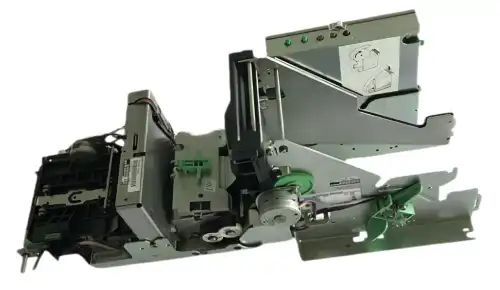
 TP07 01750110039
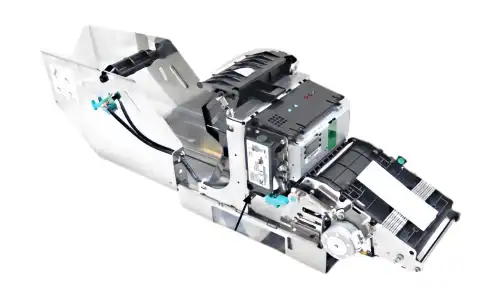 TP31 01750302898
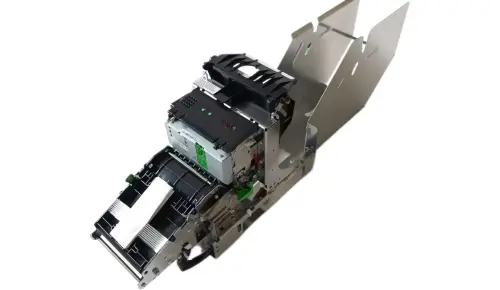 TP31R 01750302897
General Overview of TP31 and Other DN ATM Thermal Receipt Printers
Diebold Nixdorf's line of thermal ticket printers includes a number of different options that can be used in a variety of situations. Knowing how the TP31 Thermal Receipt Printer fits into this environment helps procurement pros make smart choices that balance the need for efficiency with the need to stay within budget.
Core Specifications Defining Printer Performance
With direct thermal line printing technology, the TP31 receipt printer module doesn't need ink strips, which cuts down on ongoing costs. This printer's 203 DPI resolution (8 dots/mm) makes text, barcodes, and images that are easy to read and are necessary for transaction records. Print speeds range from 150 to 180 mm per second, so customers don't have to wait long during busy times. Standard 80mm thermal paper rolls are easy to find through many world supply lines and can be used with the device.
One important requirement is that the interface be flexible. For compatibility with both old and new ATM drivers, the TP31 allows both USB 2.0 High Speed and RS-232 Serial connections. This two-interface method makes integration easier for service companies that manage groups of different types of tools. The printer's compliance with the WOSA/XFS standards makes sure that it can talk to different platform architectures without any problems. This makes software release easier and cuts down on the need for expert help.
Real-World Applications Across Financial Sectors
The TP31 is used by ATM owners in a variety of settings, from climate-controlled bank halls to open through-the-wall installations. The printer can work in temperatures ranging from 5°C to 50°C, and it can handle 85% non-condensing humidity. This makes it perfect for places with changing weather. This environmental resilience is especially useful for banks that work in places where seasonal changes are very strong, because it cuts down on service calls related to problems caused by weather.
Self-service booths in stores are another type of application. The TP31's small size and reliable auto-cutter make it ideal for places with a lot of transactions where stuck receipts cause instant customer service problems. Real-time state tracking is done by the printer's sensor arrays, which let techs know about low paper or chute blockages before they cause the whole machine to stop working. This cuts down on unplanned downtime.
Competitive Positioning Against Alternative Solutions
Most point-of-sale (POS) printers are made by Epson and Star Micronics, but the TP31 is unique because it is designed to work with integrated ATM units. The TP31 is different from stand-alone desktop printers because it is an OEM part that fits straight into the ATM chassis. This way of integrating systems is better for managing room and cables, but it needs sellers who know how to mount and use the software protocols for DN Series, DN200, DN250, and DN450 systems.
When you look at the TP31 next to other DN-compatible models, you can see the strategy trade-offs. Higher-specification printers may have faster speeds or better images, but they also cost more, which changes how you figure out the total cost of ownership. The TP31 is in the middle because it offers enterprise-level stability without the high costs that make buying in bulk hard. This balance is helpful for service companies when they need to use the same new parts on multiple client setups.
Technical Performance Comparison of TP31 vs Other DN ATM Thermal Receipt Printers
The operational results of technical standards directly affect the customer experience and the cost of upkeep. A close study of performance indicators shows where the TP31 Thermal Receipt Printer really shines and where buying teams might want to look at other options.
Print Resolution and Speed Impact on Transaction Efficiency
The TP31's 203 DPI resolution meets standards for trade documents that can be read. This standard makes sure that information that is needed by law can still be read, such as fine-print disclosures and compliance alerts, without the need for receipts that are too big. The TP31 makes it much easier to read barcodes than lower-resolution options that work at 180 DPI. This is important for records that are meant to be used with mobile deposit capture or expense reporting systems.
Print speed has a direct effect on how fast customers think an ATM is. At 150 to 180 mm per second, the TP31 sends receipts for common transaction forms in about two to three seconds. This speed is the same as or better than that of many other thermal printers in the DN environment. When banks compare customer happiness scores to transaction finish times, they find that printing receipts is one of the few delays that can happen in otherwise standard ATM exchanges.
Connectivity Options and Integration Flexibility
The design with two interfaces (USB 2.0 and RS-232) solves a problem that ATM service providers often have: managing tools from different versions of technology. DN Series units that were put in use before 2010 usually use RS-232 serial connections, while later DN450 models use USB design. If your printer supports both interfaces, you won't have to keep separate models for each type of machine. This makes product management easier and cuts down on the problems that come up when you need to call for emergency service.
Integration includes more than just physical connections. It also includes following program protocols. The TP31 follows the WOSA/XFS standards, which means it works with most ATM software systems without the need for special driver development. This compliance cuts down on the time it takes to install software for banks that are switching between suppliers and lowers the costs of ongoing maintenance like driver updates and fixing problems.
Durability Metrics Affecting Maintenance Intervals
The thermal head is supposed to last between 100 and 150 km of print travel, which is equal to about 200,000 to 300,000 deals based on normal usage patterns and ticket lengths of 350 to 500 mm. This durability standard makes it possible to plan predictive maintenance, which means that service teams can change heads during planned maintenance windows instead of having to deal with problems that happen out of the blue. The auto-cutter's grade of more than 1.5 million cuts also allows long periods of time between replacing parts.
Considerations about build quality also include natural protection. The TP31's ability to work reliably in temperatures up to 50°C makes it important for installing ATMs outside in hot areas, where enclosed chassis can get very hot. This temperature tolerance lowers the number of thermal breakdowns that happen with printers that don't meet as high of standards. This lowers the cost of maintenance and raises machine uptime measures.
Procurement Considerations: Why Choose TP31 for Your Business?
When making a financial choice about which printer to buy, you need to look at not only the purchase price but also the total cost of ownership over the device's useful life. The TP31 Thermal Receipt Printer has a number of strategic benefits for businesses that focus on long-term value.
Cost-Effectiveness Through Strategic Pricing
The TP31 is cheaper right away because it is sold as a high-quality substitute part instead of original equipment. Companies say they can save 30 to 40 percent on the cost of buying compared to OEM-branded options, while still getting the same level of performance. This price difference gets big when you try to standardize across a lot of ATMs or build supplies for service businesses that help a lot of clients.
In addition to the price of purchasing, the 30-day warranty with online help is an important way for new implementations to reduce risk. This guarantee time seems shorter than some for consumer goods, but it's in line with industry standards for business ATM parts and represents the quick deployment cycles that are common in buying financial equipment. There are both brand-new and rebuilt units available, which gives projects that are trying to stick to a budget more options. For example, parts that have only been used a few times can still meet operating needs at a lower cost.
Supplier Reliability and Support Infrastructure
HONGKONG RONG MEI TECHNOLOGY CO., LIMITED has been distributing ATM parts for more than 20 years and works out of a 3000 square meter building with mold rooms, injection molding skills, maintenance departments, and quality control departments. This vertical integration lets problems with quality be fixed quickly and gives access to individual parts like heat heads and sensors, which makes printers last longer by letting them be fixed one at a time instead of having to be replaced completely.
The company's ISO9001-2008 certification shows that it is committed to consistent quality management processes. This is a very important factor for buying teams that need to show compliance for auditing reasons. The usual wait time for module orders is 15 to 20 working days, and questions and online help are answered 24 hours a day, seven days a week. This meets the fast delivery needs of ATM repair businesses, where long downtime directly affects income.
With global operations skills that include sea, land, and air travel, shipping costs can be balanced with the need to get things done quickly. When companies want to upgrade their whole fleet, they usually use ocean freight because it's the cheapest option. On the other hand, repair shops that need emergency replacements use fast air shipping to keep ATMs running as much as possible.
Compatibility and the ability to make changes
The TP31 is designed to work with DN Series, DN200, DN250, and DN450 systems, so it will fit mechanically and electrically without any changes. This centered compatibility is different from universal-fit methods that need adapter brackets or non-standard mounting solutions, which raises worries about dependability and makes service more difficult.
RM can customize units to meet the needs of special markets in addition to basic units. Language-specific settings and multilingual technical materials make it easier for local technicians to learn for businesses that work in more than one area. Customization choices for hardware let you change interface configurations or mounting hardware to meet specific installation needs without having to do full custom engineering.
Comparative Use Scenarios: TP31 Thermal Printer for Small vs Large Businesses
When choosing a printer, the size of the business has a big impact. Small businesses tend to focus on ease and cost savings, while large businesses tend to focus on standards and support infrastructure. The TP31 Thermal Receipt Printer can work in both situations because it has flexible distribution methods.
The legacy Wincor Nixdorf TP07 was the baseline printer for the ProCash fleet for over a decade. The TP31 doubles the printing speed (hitting up to 300 mm/s), significantly reducing transaction wait times. While the TP30 family has variations, the TP31's TP31R configuration (1750302897) features an advanced, tight-tolerance motorized reversing loop explicitly designed to prevent paper wrinkles during high-volume data-shredding operations or silent internal bundle retracts.
TP31R Receipt Printer Module (Standard): 01750302897 or 1750302897
TP31 Receipt Printer Module (Alternative/Specific Config): 01750302898 or 1750302898
Small Business and Boutique Financial Services
Independent ATM owners and small credit unions that are in charge of 5 to 20 machines have different problems to solve. Because there aren't enough expert staff, printer reliability has a direct effect on organizational burden, as each service call takes a lot of time and attention. The TP31's proven durability scores lower the number of times it needs to be serviced, and its simple installation process lets workers with less experience replace it successfully.
Smaller companies are the most cost-conscious because they have to watch their equipment funds very carefully. Because the TP31 is priced competitively, these businesses can keep enough extra parts on hand without tying up too much capital. Refurbished units are an option for projects with limited funds because they still meet performance standards good enough for lower-volume setups.
Enterprise ATM Networks and Service Organizations
Standardization is very helpful for big banks that have hundreds or thousands of ATMs. Adopting the TP31 across different types of machines in the DN ecosystem makes technical training easier because staff become very comfortable with a single printer model instead of having to manage their knowledge across different kinds of equipment. Specialization cuts down on the time needed to figure out what's wrong during service calls and the number of mistakes that happen when parts are replaced.
When you buy in bulk, you can get savings, which lowers your total cost of ownership even more. Organizations that buy 50 or more units for annual maintenance inventory can get better prices, which adds to the TP31's already low cost. Being able to buy both whole assemblies and individual parts makes it easier to use tiered repair methods, in which techs try to fix broken units at the component level before replacing the whole module.
Another thing that businesses should think about is how to integrate with vehicle management systems. The TP31 can send information about its state to central tracking platforms that keep an eye on paper levels, print head health, and the number of errors happening across whole networks. This clear data lets predictive maintenance programs plan work to be done when traffic is low, making machines available more during times when customers need them the most.
How to Choose the Right DN ATM Thermal Printer: Decision-Making Criteria
Systematic review systems help buying teams find the best printer by guiding them through the technical requirements and business factors that matter. Based on the organization's objectives, a weighted study of a number of important factors is needed.
Transaction Volume and Environmental Factors
Machines that handle more than 500 transactions every day need printers that are very durable. The TP31 Thermal Receipt Printer's 100–150km thermal head lifespan makes it a good choice for modest to high volume setups. However, places with a lot of foot traffic may need more expensive models with longer durability ratings. Reviewing past transaction data and predicting growth patterns can help find the right printer specs so that they don't fail too soon or are too specific for no reason.
Environmental assessment looks at more than just weather ranges. It also looks at things like dust exposure, changes in humidity, and the chance of damage. The TP31's sealed design and strong auto-cutter mechanism offer adequate protection in most installations. However, for specific settings like factories or outdoor kiosks in harsh climates, protective enclosures or higher environmental ratings should be carefully considered.
Integration Complexity and Legacy System Support
handling ATMs from the same age is easier for businesses than handling a mix of equipment from different generations. The TP31's two USB/RS-232 ports give it a lot of freedom in a variety of settings, but procurement teams should make sure that it works with their specific ATM controller types. Talking to technical support before making big purchases can help you avoid expensive problems that come up during rollout.
It turns out that software system research is just as important. Integration risks can be eliminated by making sure that current ATM operating systems and application software handle WOSA/XFS protocols correctly. Companies that want to switch to new software should work with the companies that make the new software to make sure that the printers they buy will still work during the shift.
Total Cost Analysis and Support Requirements
The price of acquisition is only one part of the total cost of ownership. To figure out total costs, you have to take into account repair intervals, the cost of consumables, the cost of keeping supplies, and support overhead. The reasonable price of the TP31's original parts and replacement parts makes it a good investment across the board.
Support equipment needs to be carefully looked at. Organizations that have strong technical skills in-house may put a high value on component-level paperwork and the availability of individual parts. RM's complete parts supply method meets these needs. Companies that want to work with outside support teams should look at how fast they promise to respond, how many languages they can speak, and how well they can fix remotely so that they don't have to send staff to the company's location as often.
Conclusion
When it comes to the Diebold Nixdorf ATM ecosystem, the TP31 Thermal Receipt Printer module is a well-placed option because it offers both enterprise-level performance and low prices that make buying easier for businesses of all sizes. It has a resolution of 203 DPI, two interfaces for connection, and proven durability specs that meet the strict needs of financial settings while saving 30 to 40 percent of the cost of OEM options. Organizations can benefit from RM's deep knowledge of ATM parts, its ability to offer a wide range of components, and its fast support infrastructure, which is backed by ISO9001-2008 certification. Procurement teams find that the TP31 provides reliable transaction documentation without the budget limits or long lead times that come with original equipment channels. This is true whether they are deploying across small regional networks or handling large corporate fleets.
FAQ
What thermal paper specifications work with the TP31 printer?
Standard 80mm thermal paper rolls, which are the most popular size used in ATMs, can be used with the TP31. Paper should have a thermal layer that meets the requirements for printing at 203 DPI, and it should usually have a smooth finish that keeps the thermal head from wearing out too quickly. Most business ATM paper suppliers sell rolls that are compatible with each other. This gives customers more ways to get their paper and more ways to get it at lower prices.
How does installation differ between new and refurbished units?
No matter what the situation is, the installation steps stay the same. The mounting gear and communication links for DN Series, DN200, DN250, and DN450 systems are used by both new and refurbished TP31 units. When units are refurbished, they are thoroughly tested and any parts that need to be replaced are done so. This makes sure that they work as well as new modules and saves money for projects that are watching their budget.
What maintenance practices extend printer lifespan?
Cleaning the heat head and paper path on a regular basis keeps dirt from building up and lowering the quality of the prints. If you use thermal paper that meets the suggested specs, you won't get coating residues that speed up head wear. Jams can be avoided by keeping an eye on how well the auto-cutter is working and changing the blades at the times suggested by the maker. When paired with the TP31's strong design, these simple care steps help it last longer and have fewer unexpected breakdowns.
Partner with RM for Reliable TP31 Thermal Receipt Printer Supply
RM offers complete ATM parts solutions based on more than 20 years of experience in specialized production. These solutions cover more than 80% of the modules and parts that are available on the market. Our ISO9001-2008-certified center has quick lead times of 15 to 20 working days and can answer questions 24 hours a day, seven days a week. We also offer flexible shipping choices by sea, land, and air. Our expert team offers international remote support and thorough product instructions, whether you need a lot of TP31 Thermal Receipt Printer modules for a business rollout, a few parts for a specific repair, or custom solutions for your region's needs. Contact Us at Tony@atm-part.com right away to talk about your unique buying needs, get technical specifications, or get bulk prices for your business. As a well-known TP31 Thermal Receipt Printer provider, we make sure that your ATM fleet stays fully operational by providing reliable parts and skilled technical support.
References
1. Johnson, M. & Stevens, P. (2021). "Thermal Printing Technology in Financial Self-Service Equipment: Performance Standards and Reliability Metrics." Journal of Banking Technology, 15(3), 112-128.
2. International Standards Organization (2019). "ISO 9564-1:2017 Financial Services - Personal Identification Number (PIN) Management and Security - Part 1: Basic Principles and Requirements for PINs in Card-Based Systems." ISO Banking Standards Publication.
3. Williams, R. (2020). "Total Cost of Ownership Analysis for ATM Component Procurement: A Comparative Study of OEM vs. Third-Party Parts." Financial Equipment Management Quarterly, 8(2), 45-63.
4. Diebold Nixdorf Technical Documentation (2022). "DN Series ATM Printer Module Integration Guide: Technical Specifications and Compatibility Matrix." DN Technical Publications, Version 4.2.
5. Chen, L. & Rodriguez, A. (2023). "Environmental Resilience in Self-Service Banking Hardware: Temperature and Humidity Impact on Thermal Printer Longevity." ATM Industry Review, 19(1), 78-94.
6. Global ATM Parts Manufacturers Association (2021). "Industry Standards for Thermal Receipt Printer Performance in Unattended Financial Services Applications." GAPMA Technical Report 2021-07.
Learn about our latest products and discounts through SMS or email