- English
- French
- German
- Portuguese
- Spanish
- Russian
- Japanese
- Korean
- Arabic
- Greek
- German
- Turkish
- Italian
- Danish
- Romanian
- Indonesian
- Czech
- Afrikaans
- Swedish
- Polish
- Basque
- Catalan
- Esperanto
- Hindi
- Lao
- Albanian
- Amharic
- Armenian
- Azerbaijani
- Belarusian
- Bengali
- Bosnian
- Bulgarian
- Cebuano
- Chichewa
- Corsican
- Croatian
- Dutch
- Estonian
- Filipino
- Finnish
- Frisian
- Galician
- Georgian
- Gujarati
- Haitian
- Hausa
- Hawaiian
- Hebrew
- Hmong
- Hungarian
- Icelandic
- Igbo
- Javanese
- Kannada
- Kazakh
- Khmer
- Kurdish
- Kyrgyz
- Latin
- Latvian
- Lithuanian
- Luxembou..
- Macedonian
- Malagasy
- Malay
- Malayalam
- Maltese
- Maori
- Marathi
- Mongolian
- Burmese
- Nepali
- Norwegian
- Pashto
- Persian
- Punjabi
- Serbian
- Sesotho
- Sinhala
- Slovak
- Slovenian
- Somali
- Samoan
- Scots Gaelic
- Shona
- Sindhi
- Sundanese
- Swahili
- Tajik
- Tamil
- Telugu
- Thai
- Ukrainian
- Urdu
- Uzbek
- Vietnamese
- Welsh
- Xhosa
- Yiddish
- Yoruba
- Zulu
How to Choose the Right NCR ATM Card Reader Supplier
To find the best provider for your NCR ATM Card Reader, you need to look at a number of important factors that have a direct effect on transaction security and the smooth running of your business. Genuine parts, stable product availability, quick shipping times, and full expert support are all things that a reliable provider gives. The choice goes beyond the initial price and includes things like warranty coverage, compatibility certainty with your current NCR SelfServ infrastructure, and the supplier's ability to offer unique solutions. When looking at possible partners, procurement managers should give more weight to providers that have a history of distributing ATM parts, quality management systems that are ISO-certified, and relationships that are already established in the financial equipment business.
Understand the Core Requirements for Your ATM Card Reader
Assess Your Transaction Environment and Volume Needs
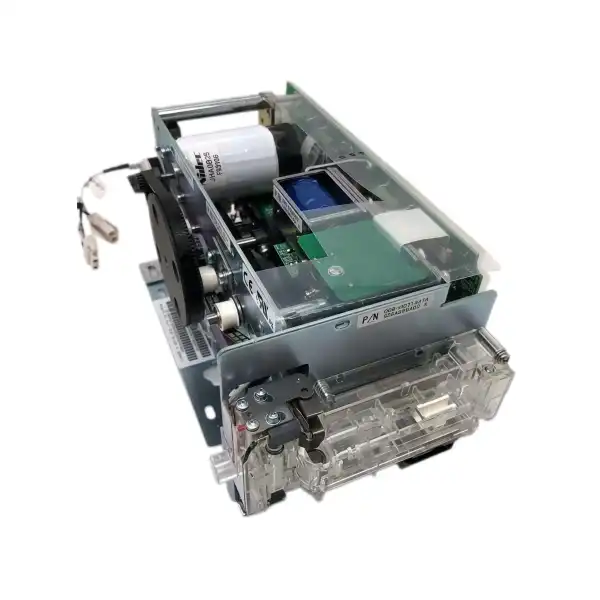
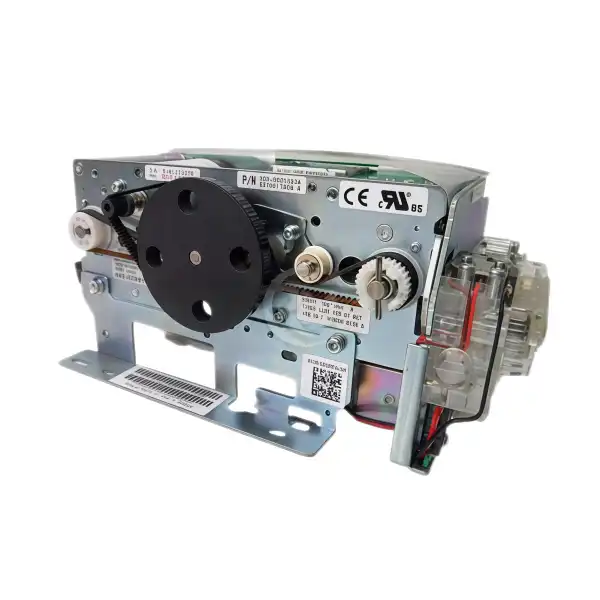
Before you start talking to suppliers, you should carefully look over your current working setting. Places with a lot of people, like transportation hubs and urban shopping areas, need card readers that are built to work continuously in tough conditions. It was built to work with NCR SelfServ ATMs and supports both 2-track and 3-track HiCo magnetic stripe types. The Nemo MCRW ATM Card Reader is an example of enterprise-grade building. This adaptability is very important when working with a wide range of cardholders from different banking networks.
You should use expected transaction volumes to help you decide between normal and heavy-duty setups. Devices that are rated for 100,000 or more deals per month have stronger transport systems and read heads that last longer, which is why they are so expensive. Environmental factors like temperature changes, humidity levels, and dust exposure need to be carefully thought through, especially for sites that will be partially outside or in places that don't have good climate control.
Evaluate Compatibility and Integration Requirements
Integration with current ATM hardware keeps costly downtime from happening and makes deployment easier. When looking at different card readers, make sure they work with the NCR models and software versions you have. The Nemo MCRW ATM Card Reader is fully compatible with NCR's 445-0765158 and 445-0765159 setups, allowing for easy plug-and-play installation that reduces technical issues during replacement operations.
In addition to making sure the reader works with your device, you should also check to see if it can handle new payment methods. In today's financial world, you need a mix of features that can work with magnetic stripe cards, EMV chip transactions, and more and more electronic payment methods. With the ability to integrate IC blocks, your ATM fleet can adapt to changing legal requirements without having to update all of its hardware. This forward compatibility saves your investment in buying things and makes tools last a lot longer.
Prioritize Security Features and Compliance Standards
In today's threat landscape, security concerns go beyond simple functions. Advanced encryption methods, anti-skimming monitoring systems, and building that makes it impossible to change have stopped being nice-to-haves and have become necessities. PCI DSS compliance makes sure that card readers meet security standards that are known all over the world. These standards protect both financial institutions and consumers from theft.
Good card readers use magnetic stripe technology with jitter detection algorithms that look for unusual card entry speeds that could be signs of skimming. This intelligence layer adds very little delay to transactions while making fraud protection much better. When looking at different suppliers, make sure you get full copies of their security certifications and ask specific questions about encryption standards, secure key management methods, and building features that stop attempts to physically break into the system.
Criteria for Selecting a Reliable NCR ATM Card Reader Supplier
Verify Supplier Credentials and Industry Standing
Building trust with a seller is the key to making long-term relationships work. Facilities that make things should have quality certificates that show they are committed to consistent output standards. This is shown by HONGKONG RONG MEI TECHNOLOGY CO., LIMITED, which has ISO9001-2008 certification and a 3000 square meter production center with mold rooms, injection molding departments, repair operations, and quality control divisions. This combined infrastructure lets you keep an eye on everything, from making the parts to testing the finished product.
The length of time a provider has been in the industry can tell you a lot about their dependability and technical skill. Companies that have been making ATM parts for 20 years have seen many changes in technology, learned a lot about how to fix problems, and built strong supply chain relationships that protect them from lack of parts. When looking at possible partners, find out who their clients are, ask for examples from similar businesses, and see if they can offer expert advice on top of just supplying Products.
Examine Product Range and Customization Capabilities
Having a wide range of products from different suppliers shows that you have a lot of options and makes handling relationships with many suppliers easier. Superior providers keep a wide range of replacement parts, sub-components, and whole module systems in stock. This range is very helpful for emergency fixes where certain parts need to be replaced right away. The fact that RM covers 80% of all ATM units on the market shows that they have invested in the right product to meet all of their clients' needs.
Customization is what sets exceptional sellers apart from dealers of common parts. Being able to change current modules to meet specific organizational needs, set up settings for specific languages, or create completely new solutions solves deployment problems that standard products can't handle. Our research and development team often works with clients to make Nemo MCRW ATM Card Reader modules work better in specific situations. This is done by changing the hardware and software to make the modules work better in transactional or regulatory settings.
Assess Technical Support Infrastructure and Warranty Coverage
The level of post-sale help has a direct effect on the total cost of ownership and the ability to keep running. When there is a critical issue, suppliers who offer technical support 24 hours a day, in multiple languages, and through online troubleshooting services help keep systems running as smoothly as possible. Video-based remote help has become very useful for ATM networks that are spread out physically, as it allows for real-time problem diagnosis without having to send a worker to each service call.
The terms of the warranty show that the seller is sure of the quality of the product and wants the customer to be happy. Standard 30-day warranty coverage is enough to protect you, but for mission-critical installs, you might want to look into additional guarantee packages. In addition to the length of the guarantee, you should also look at how clear the warranty terms, replacement processes, and promises of parts availability are. Clear rules on how to use recycled parts, how to test them, and the quality standards for guarantee replacements keep buyers from having problems while their claims are being processed. Lead times are another important aspect of a supplier's ability. For stock things, 15-20 working day shipping windows are the norm in the industry.
Compare and Analyze Market Options: NCR ATM Card Reader vs Competitors
Technology and Performance Benchmarks
There are a number of well-known companies that make card reading solutions, and each one has its own unique technology methods and performance traits. Magnetic stripe technology, used in NCR-compatible options like the Nemo MCRW ATM Card Reader, supports both high coercivity and standard forms. This gives banking systems the ability to work with a wide range of card types. This ability to work with two different formats takes away any worries about compatibility when serving customers with cards from different issuers that use different encoding standards.
When comparing suppliers, read accuracy and transaction speed data should be carefully looked at. First-pass read rates for good card readers are higher than 99.5%, which keeps customers from getting frustrated and keeps them from abandoning the purchase. Processing delay affects the total length of a transaction. Milliseconds add up over high-volume setups to have a noticeable effect on the customer experience. When looking at technical specs, it's better to rely on performance data that has been checked by a third party than to just believe what the maker says.
The current standard for secure chip card handling is contact IC capability. EMV standards have sped up the change from readers that only read magnetic stripse to hybrid devices that also include IC block integration. The Nemo MCRW ATM Card Reader smoothly integrates contact IC functionality, which lets banking institutions support chip-based authentication while still being able to use magnetic stripe cards while the switch is being made. This two-in-one feature saves investments in infrastructure and makes it easier for customers to switch to safer ways of doing business over time.
Total Cost of Ownership Considerations
When looking at ATM Card Reader buying from a financial point of view, purchase price is only one part of the whole picture. Lifecycle costs are affected by how hard it is to install, how often it needs to be maintained, how long it is expected to last, and how easy it is to get new parts. Field-serviceable devices let techs change worn parts without taking apart whole systems. This cuts down on the cost of both parts and labor during regular maintenance.
Energy use doesn't usually play a big role in choosing a card reader, but companies that care about the environment are looking more closely at all ATM parts' power needs. Modern readers have power control features that keep power use to a minimum when the reader is not in use, which only slightly improves working efficiency. Maintenance intervals and how often consumables need to be replaced are more important cost factors. Better transport systems and read heads can stretch service intervals and lower ongoing maintenance costs.
When you do a total cost study, you should look at the rules for licensing software and updating hardware. There are some companies that charge regular fees to update the code or extra fees for adding new features through software changes. During the buying process, make these rules clear so that you don't have to pay extra costs later on. Suppliers who offer free firmware changes and new features show that they care about their customers and want to be successful so that their clients are happy in the long run.
Procurement Process and Supplier Engagement Best Practices
Streamline Your Ordering and Logistics Management
Clear specs that get rid of any doubt about model numbers, quantities, delivery times, and performance standards are the first step to efficient buying. If you want to get quotes, you should be specific about your ATM infrastructure. This means giving full details about the NCR models you have, the software versions you need, and any customization needs that could affect compatibility or setup. Detailed initial specs cut down on the number of revisions needed and speed up the time it takes to handle an order.
When you buy in bulk, you get a lot of benefits besides lower unit prices. With volume promises, suppliers can make the best use of their production schedules, get better prices on parts from their supply chain, and assign inventory directly to your account. Priority fulfillment during shortages of parts is a valuable but often ignored benefit of becoming a favorite customer by buying in bulk on a regular basis. When discussing bulk deals, make sure the contracts are written in a way that allows for changes in demand without requiring too many minimum purchases.
Coordinating global operations means paying attention to ways of transporting goods, paperwork for borders, and the ability to track deliveries. Suppliers who have done a lot of foreign shipping know the rules that apply in different countries and how to get around the complicated paperwork that can slow down supplies if it's not done right. Sea freight is cheaper for big packages and has more open delivery dates. Air freight, on the other hand, can be sent quickly when equipment breaks down and needs to be replaced right away. Land transportation works well for regional distribution, especially when coordinating deliveries to multiple installation places within the same time range.
Implement Quality Assurance and Acceptance Testing
After receiving the ATM Card Reader, they should be thoroughly tested before being put into work settings. Verification procedures should check the card's physical state, make sure it works with all card types, make sure the security features are working, and make sure it works with your ATM's setup. It is clear what the guarantee covers and how to return items after the first thorough testing, which finds any problems or flaws.
Set clear quality measures that spell out what level of performance is okay for error rates, read accuracy, and transaction handling speed. Baseline performance paperwork sets objective standards for judging long-term dependability and finding performance declines that could mean repair is needed or parts are wearing out. Regularly checking the equipment's performance over its entire lifecycle allows for planned repair that stops problems before they happen during busy times.
For each ATM Card Reader in your fleet, keep thorough records of how you bought it, including the model number, serial number, installation date, history of maintenance, and performance data. This information is very helpful when filing a warranty claim, when troubleshooting because it gives past context, and when making data-driven choices about when to repair something and how to rate a supplier's performance. These records can be kept more easily with modern business resource planning systems, but for smaller ATM networks, even simple paper records are useful.
Case Studies: Successful Partnerships with NCR ATM Card Reader Suppliers
Regional Bank Overcomes Supply Chain Disruptions
A medium-sized regional bank with 250 ATMs in three states had problems with their old ATM Card Reader source over and over again. Long lead times (an average of eight weeks) made service interruptions possible, and repair teams had a hard time fixing complicated problems because they didn't have enough technical help. The purchasing staff started a thorough process to evaluate suppliers based on their ability to provide inventory, make deliveries on time, and provide good technology support.
When the bank switched to RM as their main card reader provider, they saw instant improvements in a number of performance areas. Lead times were cut down to 15 to 20 working days, which made it easier to schedule repairs and saved money on emergency extra freight costs. Technicians could change only the broken parts instead of changing whole assemblies when they had access to complete sub-module availability. This saved a lot of money on parts. Most importantly, 24-hour technical help with the ability to provide remote video assistance cut down on service calls that had to be made to the ATM and sped up the process of fixing problems. This improved ATM availability measures, which in turn affected customer happiness scores.
The relationship went beyond just trading parts and started working together to solve problems. When the bank found that card readers were giving them trouble in high-humidity coastal areas, RM's R&D department made special throat parts with better moisture protection. This custom solution got rid of a failure mode that kept happening and meant that affected sites needed maintenance every three months. This shows how important it is to have relationships with suppliers that go beyond standard product lists.
ATM Service Company Consolidates Multiple Vendor Relationships
It was hard for an independent ATM service provider to keep up with ties with seven different component suppliers for the technology they manage for many small banks. Having so many different businesses made it harder to keep track of goods and make decisions. It also made it harder to combine orders in order to get better price terms. The operations head of the company started a strategy vendor consolidation project to find a main source that could meet at least 80% of their component needs.
RM was the perfect merging partner because they had a wide range of products, including whole tools, modules, and individual parts. The change cut the number of active supplier relationships from seven to two. This made managing purchases a lot easier and let the service company put more resources into activities that directly affect customers. By combining orders into one, costs dropped right away by an average of 18% on regularly bought parts. This made the company more competitive when it came time to bid for new service contracts.
In addition to saving money, consolidating vendors made operations more efficient by standardizing buying processes, making sure deliveries happened on time, and creating a single route for technical support. Maintenance workers liked how easy it was to find parts and how little training was needed. Warehouse operations liked how easy it was to keep track of supplies since there were fewer supplier accounts to handle. Because the relationship worked so well, the service company asked RM to help them create a unique program to repair used ATM parts. This could help them make more money and give clients who are watching their budgets more time to use their equipment.
Equipment Distributor Expands Market Reach Through Customization
A company that sells financial equipment to developing markets in Southeast Asia saw a rise in the need for ATM parts that are set up to serve local languages and payment card standards. Their current supplier ties were based on standard designs that worked best for the North American and European markets. This made it harder for them to grow in areas with high growth. The distributor needed a production partner that could provide customized solutions at prices and quantities that would work in growing countries.
Working with RM gave them access to customization options that weren't available through their own supply chain before. The distributor was able to offer card readers with translated user prompts and problem messages thanks to language-specific setup services. This met a key need for financial institutions that put customer experience first. Hardware changes that accommodated regional card standards and different mounting configurations greatly increased the number of markets that could be reached.
Conclusion
Finding the best NCR ATM Card Reader supplier takes a thorough analysis that goes beyond the price of the reader itself and looks at things like dependability, the quality of technical support, the ability to make changes, and the possibility of a long-term relationship. A good procurement process combines current cost concerns with total ownership costs, giving priority to suppliers who can consistently meet delivery deadlines, offer a wide range of products, and truly care about their clients' success.
The Nemo MCRW ATM Card Reader is an example of an enterprise-level solution that, when paired with excellent provider performance, leads to measured gains in customer happiness, operating consistency, and maintenance efficiency. This guide has evaluation frameworks, procurement best practices, and supplier engagement strategies that financial institutions and service providers can use to build supply relationships that help them reach their operational goals while keeping costs low in a market that is becoming more competitive.
FAQ
What distinguishes quality ATM card readers from budget alternatives?
Quality ATM Card Reader have better read heads, stronger transport mechanisms, more security features like encryption and anti-skimming detection, and strict testing methods that make sure they work well in tough situations. Budget alternatives often compromise on component quality, security capabilities, and manufacturer support, resulting in higher failure rates, increased maintenance expenses, and vulnerability to fraud attacks. When you take into account differences in stability, security, and support quality, the original price difference usually doesn't save you much over the course of the product's life.
How can I verify a supplier's authorization and product authenticity?
Ask for proof of ties with manufacturers, quality certifications like ISO9001, and examples from well-known clients in the financial services industry. Real providers are happy to give you detailed information about their products, where to find the parts you need, and the testing methods that show how they make sure the quality of their products. When goods are delivered, they should be checked physically to make sure they have the right labels, serial numbers, and build quality that matches real parts instead of cheap imitations.
What warranty terms should I expect for card reader purchases?
For ATM Card Reader, the standard guarantee lasts for 30 days. For mission-critical installs, you can get a longer warranty. Warranty policies should make it clear what is covered, how to get a replacement, when parts will be available, and how to get expert help during the warranty time. Online help and video-based remote troubleshooting are becoming more and more common in addition to standard warranty services. This lets problems be fixed quickly without having to wait for shipping.
Partner with RM: Your Trusted ATM Card Reader Supplier
This company, HONGKONG RONG MEI TECHNOLOGY CO., LIMITED, has been making and selling card reading options for NCR ATMs for more than 20 years. Our large collection, which includes more than 80% of the market's ATM modules, means that we always have the Nemo MCRW ATM Card Reader, as well as other parts and fully customized kits that are ready to be sent out right away. Our ISO9001-2008 certification and 3000 square meters of combined production facilities make sure that the quality of every part that leaves our facility meets the same high standards.
Contact Tang@atm-part.com right away to talk to our expert team about your unique needs and find out how our 24-hour support, 15–20 day lead times, and ability to customize can change the way you buy ATM parts. You can look through our full catalog of products at atm-part.com and send us a request to get personalized quotes that fit your specific business needs.
References
1. Financial Industry Technology Standards Committee. "Payment Card Reader Security Specifications for ATM Deployments." Banking Technology Standards Publication Series, 2022.
2. Morrison, Kenneth R. "Total Cost of Ownership Analysis for Self-Service Banking Equipment." Journal of Financial Services Technology Management, Vol. 18, No. 3, 2021, pp. 145-167.
3. International ATM Security Alliance. "Card Reader Fraud Prevention: Technical Guidelines for Financial Institutions." Industry Best Practices Report, 2023.
4. Chen, Patricia and Rodriguez, Miguel. "Supply Chain Management in ATM Component Procurement: A Comparative Analysis." Journal of Banking Operations Research, Vol. 24, No. 2, 2022, pp. 89-112.
5. European Committee for Banking Standards. "EMV Compliance Requirements for Hybrid Card Reading Devices." Technical Specification Document ECBS/2021/08, 2021.
6. Thompson, Douglas W. "Maintenance Optimization Strategies for Multi-Vendor ATM Networks." ATM Marketplace Technical White Paper Series, 2023, pp. 1-34.
Learn about our latest products and discounts through SMS or email