- English
- French
- German
- Portuguese
- Spanish
- Russian
- Japanese
- Korean
- Arabic
- Greek
- German
- Turkish
- Italian
- Danish
- Romanian
- Indonesian
- Czech
- Afrikaans
- Swedish
- Polish
- Basque
- Catalan
- Esperanto
- Hindi
- Lao
- Albanian
- Amharic
- Armenian
- Azerbaijani
- Belarusian
- Bengali
- Bosnian
- Bulgarian
- Cebuano
- Chichewa
- Corsican
- Croatian
- Dutch
- Estonian
- Filipino
- Finnish
- Frisian
- Galician
- Georgian
- Gujarati
- Haitian
- Hausa
- Hawaiian
- Hebrew
- Hmong
- Hungarian
- Icelandic
- Igbo
- Javanese
- Kannada
- Kazakh
- Khmer
- Kurdish
- Kyrgyz
- Latin
- Latvian
- Lithuanian
- Luxembou..
- Macedonian
- Malagasy
- Malay
- Malayalam
- Maltese
- Maori
- Marathi
- Mongolian
- Burmese
- Nepali
- Norwegian
- Pashto
- Persian
- Punjabi
- Serbian
- Sesotho
- Sinhala
- Slovak
- Slovenian
- Somali
- Samoan
- Scots Gaelic
- Shona
- Sindhi
- Sundanese
- Swahili
- Tajik
- Tamil
- Telugu
- Thai
- Ukrainian
- Urdu
- Uzbek
- Vietnamese
- Welsh
- Xhosa
- Yiddish
- Yoruba
- Zulu
Top Benefits of Using NMD Reject Cassette for ATM Security
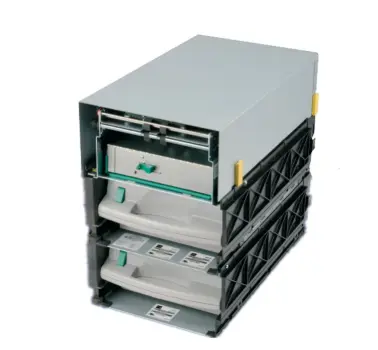
If you manage ATM networks and deal with cash handling errors daily, you already know how disruptive unmanaged NMD rejects can be. A properly specified reject cassette is not just a storage bin—it is a security control point. The NMD50 Reject Cassette (part number 1038242) from RM keeps rejected notes isolated, prevents counterfeit recirculation, and triggers real-time sensor alerts that protect both the machine and the end user. This guide breaks down exactly why this component matters for your operations and procurement decisions.

Understanding NMD Rejects in ATM Security
What "NMD Reject" Actually Means?
An NMD reject is a bill that the ATM's dispensing module won't process. This is usually because it fails checks for thickness, skew, or optical sensors during the transport cycle. This is not the same as a broken part or a scrap part. Rejects are valid notes that don't pass real-time verification thresholds. To avoid double-counts or ghost transactions, they must be physically separated from the stack that is being dispensed.
Common Causes of Reject Events
The most common reasons are wear and tear on the feed rollers, guide rails that aren't lined up right, or optical prisms that are dirty. The NMD50 dispenser's IDD (Intelligent Double Detection) firmware sends a note to the reject bin when it finds one. If that bin is too small or poorly made, papers will pile up, sensors will wrongly estimate how much space it has, and the machine will stop working, which will cost operators hundreds of dollars per hour in lost productivity.
How Detection Protocols Reduce Downtime
When ATM operators use properly adjusted reject modules, they report a lot fewer false "bin full" mistakes. The NMD50 Reject Cassette has passive input design that works directly with optical sensors to give accurate data for bin-presence and bin-full. Field workers can plan cassette swaps before the machine goes offline with early detection, so they don't have to answer emergency service calls.
Top 5 Benefits of Using NMD Reject Cassette for ATM Security
Picking the correct return cassette is a purchasing choice that has direct practical impacts. Here are the main benefits this part brings to real-life ATM installations:
The correct reject isolation (Part 1038242 / A006676 cover plate) is as follows: The calibrated internal geometry of the NMD reject cassette keeps rejected notes physically separate from bills that are still valid. This keeps a torn or questionable note from going back into the dispensing cycle, which directly cuts down on payout disputes and audit problems.
- Accurate reject isolation (Part 1038242 / A006676 cover plate): The NMD50 cassette's calibrated internal geometry keeps rejected notes physically separated from circulating currency. This prevents a torn or suspect note from re-entering the dispensing cycle, which directly reduces payout disputes and audit discrepancies.
- Counterfeit containment: Once a note fails the optical density check, it routes to the reject bin and stays there. The tamper-evident housing—built to ISO-12209 physical security standards—means no one can extract that note without triggering a visible breach. This is a meaningful compliance advantage for retail ATM operators and gaming/casino cash recyclers.
- Reduced manual interventions: The 200–250 note capacity of the NMD50 reject bin means service intervals are longer. Field engineers handle fewer emergency cassette swaps, which lowers labor costs and reduces machine exposure during open-safe servicing.
- Lower maintenance overhead: Components such as the A007726 swing arm, A006725 bottom plate, and A007938/A008360 14-tooth gate gears are individually replaceable. This modular design means you repair only what is worn—not the entire module—cutting per-incident costs.
- Real-time monitoring via sensor integration: The cassette's passive input geometry works with the machine's existing optical sensors to report bin status continuously. Operators using remote monitoring platforms receive alerts before capacity is reached, enabling planned maintenance rather than reactive service calls.
These benefits solve the two biggest problems that ATM owners have: unplanned downtime and failed security audits. Both problems can be fixed at the component level by a reject cassette that works well.
How to Integrate NMD Reject Cassette in Your ATM Procurement Strategy?
Supplier Evaluation Criteria
Make sure that the provider you choose can match the exact part numbers—1038242 for the main unit and A006676 for the cover plate—to your Glory ATM frame when you are looking for reject cassettes. Mismatched part numbers lead to fitment problems that look like mechanical problems until a technician checks the cassette in person. Before you place a sample order, ask for a bill of materials (BOM) and a quality control report.
Setting SLAs and Documentation Standards
While a 30-day guarantee is the norm, the real safety comes from the paperwork that goes with it. As standard deliverables, procurement teams should ask for ISO-12209 compliance certificates, photos of incoming inspections, and failure analysis reports. These papers let operators show end-client banks that third-party components are compliant without giving away their confidential vendor relationships.
Structuring a Trial-to-Framework Agreement
In real life, the steps for buying look like this: send a part number inquiry with photos of the machine; get a costed bill of materials within 24 hours; place a trial order of 50–200 units (standard lead time: 15–20 working days); test in the field for 30–60 days; and then switch to a quarterly or semi-annual framework agreement. This cycle, which lasts between two and four months on average, lets procurement teams see the whole NMD reject quality picture before they agree to bulk pricing.
Comparative Insights: NMD Reject Cassette vs. Traditional Reject Handling Methods
Manual Sorting: The Hidden Cost
In the old way of handling rejects, technicians would sort flagged notes by hand during regular maintenance. This method takes a long time, includes human error, and leaves gaps in the chain of control that make checks harder. According to operational benchmarks set by the ATM Industry Association, manually sorting can take up 15–20% of all field service labor hours in high-volume retail ATM environments.
What Automated Cassette Design Changes
The NMD50 cassette replaces sorting by hand with a closed storage area that is watched over by sensors. Notes always go into the bin in the same orientation thanks to calibrated guide rails that hold the A004366 connecting arm and the A004394/A004393 left/right rotation control rods. This stops the note jams that happen with generic aftermarket alternatives. As a result, the amount of time spent on each visit has gone down.
Performance Benchmarks in Practice
According to data from third-party ATM service providers in the retail and gaming verticals, operators who moved from manually rejecting cards to dedicated cassette modules saw a drop in "bin full" false alarms and a rise in double-detect mistakes. The 14-tooth gate gear system (A007938/A008360) in the NMD50 keeps the note-path tension constant over the full 200–250 note capacity range, which can't be done by hand.
Future Trends in ATM Reject Management
IoT Integration and Remote Bin Monitoring
Companies that run ATMs are starting to connect sensor data from cassettes to cloud dashboards. This way, bin capacity readings can be updated in real time without having to send a technician. This cuts down on truck rolls and lets owners run big lines of ATMs with fewer field staff. It already works with this architecture because the NMD50's NMD reject optical sensor interface does.
Predictive Maintenance Through Reject Data
There is one data point for every reject event. When workers keep track of the number of rejects by machine location and cash denomination, trends start to show up. For example, machines that are in places with a lot of humidity may have more skew errors, which means the rollers are wearing out before a jam happens. Larger independent ATM deployers are starting to use this data-driven approach to maintenance more and more.
Component-Level Standardization
Purchasing teams are stocking both new and used cassettes. To make sure that the used units are safe for bank-auditable deployments, they use quality reports that are certified by ISO. RM sells both brand-new and used NMD50 cassettes that fit this model perfectly. This gives operators saving options without losing compliance paperwork.
Conclusion
The NMD reject Cassette from RM is a security control point, not just a storage bin. It physically isolates rejected notes from valid currency, preventing torn or questionable bills from re-entering the dispensing cycle and reducing payout disputes and audit problems. Its calibrated internal geometry works with the ATM's optical sensors for real-time bin monitoring, enabling planned maintenance instead of emergency service calls. With a 200–250 note capacity, modular replaceable components, and ISO-12209 compliant tamper-evident housing, it cuts manual interventions and per-incident costs. RM supplies new and used units with QC reports, 30-day warranty, and fast pricing.
FAQ
What is the reject cassette capacity for the NMD50?
There are 200 to 250 notes on the NMD50 Reject Cassette. This capacity is enough for most retail ATM repair intervals, and compared to smaller-capacity options, it cuts down on the number of emergency field trips.
Can I mix new and refurbished NMD50 reject cassettes in the same fleet?
Yes. Both grades are often used by operators. Making sure that restored units have a quality control report and ISO-12209 compliance paperwork is very important. This way, you can show that the units are compliant to banks when they do checks.
What part number should I reference when ordering?
1038242 (NMD50-NC050 Cash Cassette) is the main unit. The number for the cover plate is A006676. Before placing an order, you should always include photos of the machine model along with the part number to make sure it will work with the chassis.
How long does delivery take?
The usual lead time is 15 to 20 business days. For urgent orders, please contact RM directly to make sure that they can quickly fill your needs from current stock.
Does the 30-day warranty cover sensor-related failures?
Yes. The protection covers problems with the way the product was made, such as parts that connect to sensors. Within 24 hours of submitting a claim through atm-part.com, you can get online technical support.
Get NMD Reject Cassette Pricing From RM — Inquire Today
From its factory in Shenzhen, RM has been selling ATM parts for more than 20 years. It has ISO9001:2008 approval and makes parts for more than 80% of all ATM modules on the market. As a reliable NMD reject cassette provider, we carry both brand-new and used NMD50 units, and we offer online help 24 hours a day, 7 days a week. To get a price within one business day, email Tony@atm-part.com a list of your part numbers and pictures of your machine.
References
1. ATM Industry Association (ATMIA). Global ATM Security Guidelines and Best Practices. 2023.
2. Glory Global Solutions. NMD50 Cash Dispenser Technical Reference Manual. 2019.
3. International Organization for Standardization. ISO 12209: Banking — Mechanical Security of ATM Cabinets. 2020.
4. Lyman, D. ATM Fraud and Physical Security: Field Operator Handbook. ATM Marketplace Press, 2021.
5. RBR London. Global ATM Market and Forecasts to 2028. Retail Banking Research, 2023.
6. NCR Corporation / Cardtronics. ATM Uptime and Maintenance Cost Benchmarking Report. 2022.
Learn about our latest products and discounts through SMS or email