- English
- French
- German
- Portuguese
- Spanish
- Russian
- Japanese
- Korean
- Arabic
- Greek
- German
- Turkish
- Italian
- Danish
- Romanian
- Indonesian
- Czech
- Afrikaans
- Swedish
- Polish
- Basque
- Catalan
- Esperanto
- Hindi
- Lao
- Albanian
- Amharic
- Armenian
- Azerbaijani
- Belarusian
- Bengali
- Bosnian
- Bulgarian
- Cebuano
- Chichewa
- Corsican
- Croatian
- Dutch
- Estonian
- Filipino
- Finnish
- Frisian
- Galician
- Georgian
- Gujarati
- Haitian
- Hausa
- Hawaiian
- Hebrew
- Hmong
- Hungarian
- Icelandic
- Igbo
- Javanese
- Kannada
- Kazakh
- Khmer
- Kurdish
- Kyrgyz
- Latin
- Latvian
- Lithuanian
- Luxembou..
- Macedonian
- Malagasy
- Malay
- Malayalam
- Maltese
- Maori
- Marathi
- Mongolian
- Burmese
- Nepali
- Norwegian
- Pashto
- Persian
- Punjabi
- Serbian
- Sesotho
- Sinhala
- Slovak
- Slovenian
- Somali
- Samoan
- Scots Gaelic
- Shona
- Sindhi
- Sundanese
- Swahili
- Tajik
- Tamil
- Telugu
- Thai
- Ukrainian
- Urdu
- Uzbek
- Vietnamese
- Welsh
- Xhosa
- Yiddish
- Yoruba
- Zulu
Top Benefits of NCR SelfServ 83/87 Recycler Module BRM
When it comes to managing cash, the NCR SelfServ 83/87 BRM (Bunch Recycler Module) solves the problems that banks, ATM service providers, and other financial institutions are having right now. These high-tech banknote recycler units handle both taking deposits and giving out cash, all while keeping the highest standards of accuracy and security. These units are a smart investment for businesses that want to cut transportation costs by up to 40% while also making transactions safer. They can process between 8 and 12 notes per second and hold up to 200 to 300 notes per transaction. This guide talks about the technical requirements, buying options, and measured benefits that make recycler modules important parts of current self-service banking systems.
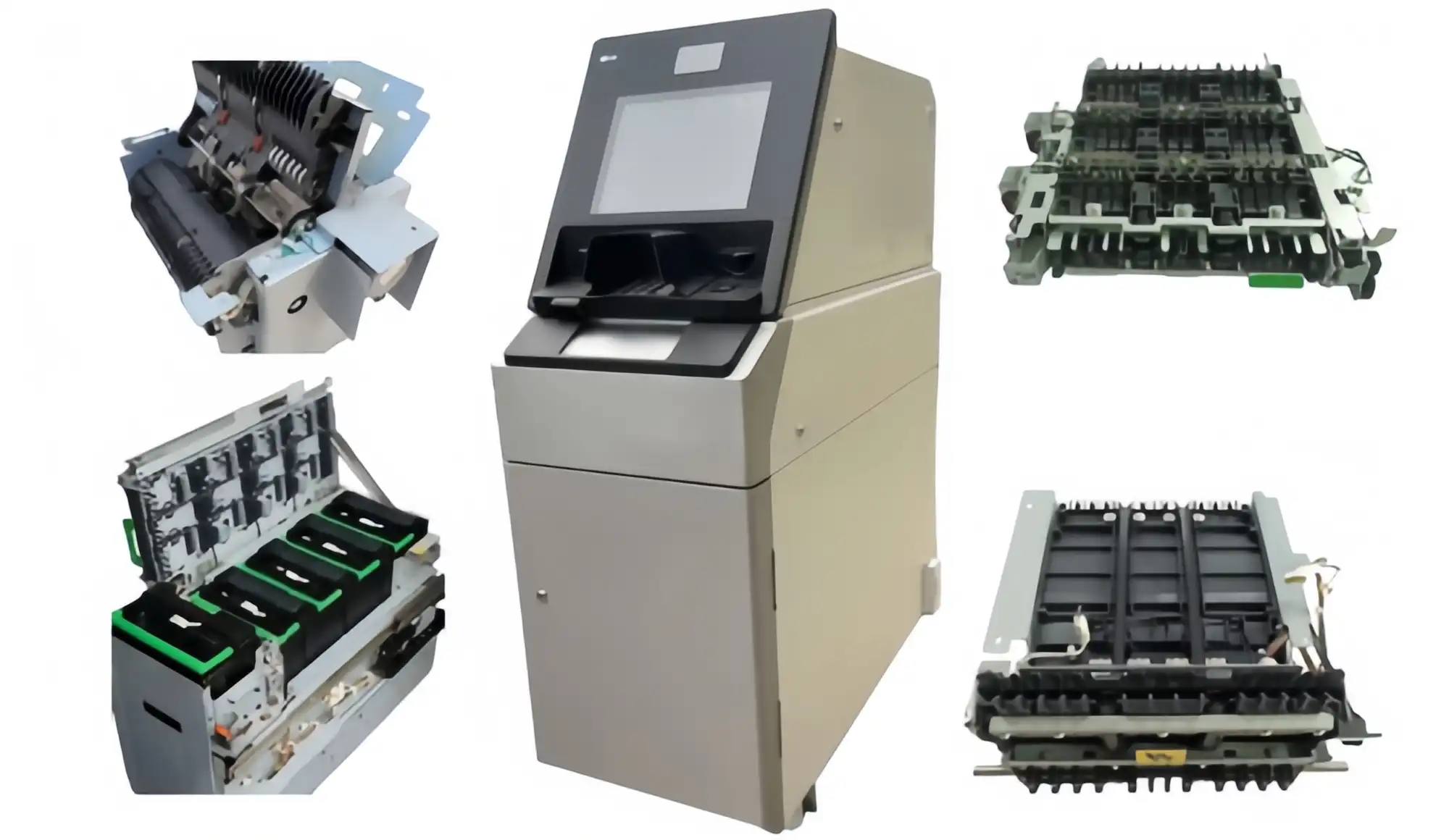
Business-to-business buyers in the ATM parts market are under more and more pressure to find a mix between low costs and reliable operations. Choosing the right recycler modules affects everything from how happy your customers are to how much you spend on maintenance and how well you follow the rules. Knowing the differences between the NCR SelfServ 83 and NCR SelfServ 87 models and the aftermarket options lets you make smart choices that meet both short-term business needs and long-term strategic goals.
Key Features and Technical Advantages of NCR SelfServ 83 and 87 BRM
Enterprise-Level Performance Specifications
The cash recycler units made for the NCR SelfServ 83/87 BRM platforms use advanced hardware engineering to make sure they work the same way in all kinds of operating environments. The processing design handles transfers of different denominations without any problems. Each note is checked using Multi-Spectral Image Analysis and UV fluorescence sensors, which are very good at finding fake money. This multi-layered method to authentication meets the needs of the Central Bank and keeps banking institutions safe from fraud.
The structure is made up of high-tensile anti-static belt transport systems and strengthened polymer gears that keep working properly even when they're used a lot of times a day. Environmental resistance is an important part of the planning process, and units work effectively in temperatures ranging from 0°C to 50°C. This ability to withstand high temperatures is especially useful for ATMs that are put in places with harsh weather, where the steadiness of the equipment has a direct effect on service availability and repair schedules.
Modular Architecture and Integration Flexibility
Service companies that manage a variety of ATM fleets will benefit greatly from installations that are easy to do. The modular design approach lets technicians install or change parts without having to completely reorganize the system. Compatibility with current infrastructure lowers the cost of upgrades and increases the time that existing ATM assets can be used. Software integration is done using standard methods that make it easy for both private and third-party management systems to talk to each other.
Dynamic cassette mapping technology lets you quickly change the amount based on how transactions work and predictions of cash demand. This ability to be configured gets rid of the practical limitations that come with fixed-denomination dispensing. This lets financial institutions use real-time data to improve their cash inventory. As a result, managing cash flow is easier, and tools don't have to go offline as often when they run out of money.
Uptime Assurance Through Quality Systems
To get 99.5% uptime, you need more than just strong hardware. You need complete quality frameworks that are used throughout the entire production and service lifecycle. ISO9001-2008 approval makes sure that production methods meet international quality standards. Ongoing quality control testing makes sure that parts work properly before they are used. The module's diagnostic systems have predictive maintenance features that let workers know about possible problems before they become big enough to cause service delays.
When you combine strong building with smart monitoring and proactive support infrastructure, you get real operating benefits that you can measure. Having less downtime is directly linked to happier customers and more transactions being completed. Maintenance teams don't have to spend as much time fixing things in an emergency, so they can focus on planned preventive maintenance that makes tools last longer.
Comparing NCR SelfServ 83 vs. NCR SelfServ 87 BRM – Which Suits Your Business?
Functional Capacity and Performance Metrics
Knowing the technical differences between the NCR SelfServ 83/87 BRM and the NCR SelfServ 87 systems helps procurement teams match the features of tools with the needs of specific operations. The NCR SelfServ 83 series is mostly made for medium-sized transaction areas where modest throughput and space economy are enough to meet the needs of most branch banks. It has a small size, so it can be used in places with limited space, and it works reliably for deposits and withdrawals.
The NCR SelfServ 87 model improves performance for locations with a lot of transactions that need more processing capacity and more space to store cash. Better cassette configurations allow for a wider range of denominations and more notes to be played between refill rounds. This capacity benefit cuts down on the number of visits to check on cash-in-transit, which saves operators who run large ATM networks a lot of money on transportation costs.
Maintenance Accessibility and Service Requirements
Total cost of ownership estimates are greatly affected by how hard it is to keep up with maintenance. Both platforms have service panels that are easy to reach and speed up normal maintenance tasks. However, the NCR SelfServ 87's increased capacity means that it has more parts that need to be inspected on a regular basis. Standardized replacement methods for both models help service workers save time and money by cutting down on the amount of training they need.
You can get aftermarket recycler modules from qualified makers that are cheaper than OEM replacement parts without lowering the quality of the work. These compatible modules go through a lot of tests to make sure they meet or beat the original specs. They also offer shipping times that are often faster than OEM supply lines. When procurement teams compare long-term running costs, they should look at the total cost of ownership and how easy it is to find good aftermarket options.
Cost-Benefit Analysis for Different Operational Scales
Financial companies with smaller branch networks may find that the NCR SelfServ 83 is the best mix between features and cost. It has a lower starting cost and is easier to maintain, which works well for modest transaction rates where basic setups meet customer needs well. The rate of decline and the length of time the service is expected to last should be used to make ROI estimates that take into account both the cost of buying the hardware and the cost of ongoing assistance.
The NCR SelfServ 87's high price is usually justified by shorter payback times in larger banking operations and high-volume retail settings. The increased processing capacity and longer storing space for cash directly lower the labor costs that come with managing cash while also making service more available during busy times. When you buy a lot of units at once, you can often get bulk deals that make the difference in price per unit between the two platforms smaller.
How NCR SelfServ 83/87 BRM Solve Key Retail and Banking Challenges
Eliminating Human Error in Cash Handling
Counting mistakes, transaction disputes, and reconciliation issues that waste staff time and hurt customer trust can still happen with manual cash handling. These weaknesses are fixed by automated recycler units that check notes carefully and record digital transactions. Every payment is checked right away and given provisional credit right away. This improves the customer experience and creates audit logs that make end-of-day reconciliation easier.
This decrease in mistakes is especially helpful for applications that automate teller machines. The bank staff can take deposits from customers knowing that fake notes will be automatically found and thrown away. Damaged or rejected notes will be sent to special bins for separate treatment. By basically acting as a quality control checkpoint, the technology keeps both the bank and its users from taking fake money.
Reducing Cash Logistics Expenses
Companies that manage spread ATM networks have to pay a lot of money every month for transportation costs. This problem is directly solved by recycler technology, which makes stored cash instantly available for withdrawals. This smart cash recycling feature can cut down on the amount of cash that needs to be moved by up to 40%, which will save enough over time to quickly cover the cost of the module itself.
The operating model changes from the old "fill-and-empty" model to one that is based on real transaction trends and strategic cash balancing, using NCR SelfServ 83/87 BRM systems to optimize cash reuse. ATMs in places with a lot of deposits can meet exit needs with recovered deposits, and the cash management system only moves extra cash around when it's needed. This improvement cuts down on both the cost of transportation and the amount of operating capital that is stuck in ATM cash floats.
Enhancing Security and Fraud Prevention
Sophisticated phony identification is an important line of defense for financial institutions to keep them from losing money on fake money. Multiple authentication factors are looked at at the same time by multi-spectral analysis used in quality recycler modules. These include magnetic signatures, infrared features, and UV light patterns. This thorough evaluation method gets detection accuracy that is the same as or better than trained people inspecting things by hand.
When you connect your system to a central tracking system, you can get real-time alerts when strange trends appear, like when there are multiple counterfeit detection events in one place. When someone tries to commit theft, security staff can stop it before it happens, and the system will send any suspicious notes to a safe place to be investigated. When these features are added to ATMs, they go from being possible weak spots to active security tools that help stop fraud.
Procurement and Support: What European and American Buyers Need to Know
Navigating the ATM Parts Supply Chain
To find trustworthy recycler modules, you need to know the difference between OEM outlets, approved wholesalers, and qualified aftermarket providers. Original equipment makers usually charge higher prices and have longer lead times, which can make it hard to meet rapid launch plans. Authorized wholesalers sell OEM-approved parts from suppliers they've worked with before, and the prices they charge often reflect this high-end standing.
The aftermarket section offers appealing options for purchasing teams that want to save money without lowering quality standards. Suppliers that have been around for a while and have a track record of making ATM parts offer suitable modules that come with warranties and technical support. Hongkong Rong Mei Technology is a good example of this method because they sell both brand-new and properly refurbished recycler units that are designed to work with NCR SelfServ 83/87 BRM platforms. The 30-day guarantee and online technical help give companies that are looking at aftermarket options peace of mind.
Delivery Timeframes and Inventory Management
Reliability in the supply chain has a direct effect on daily planning, especially for businesses that have to deal with planned ATM improvements or sudden equipment breakdowns. Standard delivery times of 15 to 20 working days allow for enough planning for regular missions, while strategic inventory stocks meet urgent replacement needs. Carrying costs and practical risks related to extended equipment downtime should be weighed in procurement strategies.
Purchasing in bulk has more benefits than just lowering the cost per unit. When the market is really busy, volume promises can help make sure that you get what you want first, and they can also make you a valued customer, which can speed up delivery times. NCR SelfServ 83/87 BRM framework deals that lock in prices while leaving room for flexibility in specific delivery schedules that fit with rollout timelines are good for organizations that are in charge of big ATM fleets.
Technical Support Infrastructure and Service Level Commitments
The level of post-purchase help has a big effect on how happy and efficient the owner is. Support packages should include a variety of service methods, such as phone consultations, expert help via email, and fixing via remote video. The promise of a 24-hour reaction time makes sure that technical questions are answered quickly, reducing the time needed for fixing that causes equipment to be down for longer.
Support for multiple languages is especially useful for foreign groups or regional service providers that work in areas with a lot of different languages. Having technical paperwork in more than one language makes installation and regular upkeep tasks easier and lessens the need for specialized staff. Support teams can check how well modules are working from afar and walk on-site techs through the steps for fixing problems without needing specialized knowledge at each service location.
Why Choose NCR SelfServ 83/87 BRM? A Rational Choice for Your B2B Needs
Proven Technology Foundation
The recycler units that work with NCR SelfServ 83/87 BRM platforms are the result of decades of ATM technology development. They are stable solutions that have been used in the field for a long time. This tried-and-true base lowers the execution risks that come with new technologies while providing performance traits that have been tested in a variety of operational settings. Best practices for installation, maintenance, and improvement have been developed over time through real-world use and are now useful to financial companies.
Because these modules are compatible with global payment standards, they can be easily added to current banking infrastructure, no matter where it is located or what rules apply. The technology works with different kinds of money and different ways of dividing up denominations. This lets foreign groups use standard methods in many different markets. This universal applicability makes purchasing strategies easier and makes handling equipment differences that are specific to each area easier.
Scalability for Growing Operations
As a business grows, it often needs technology that can handle more transactions without having to update the whole system. Quality recycler modules have a modular design that lets them add more capacity in stages as working needs rise. Instead of replacing all of their equipment, organizations can start with basic setups and then add specific parts to improve storage space or working speed.
Network control tools work well for both single-location setups and distributed systems that span several geographic regions. Using centralized tracking systems, you can see all of your ATMs at once. This lets you use coordinated cash management methods that make the best use of your working capital. This flexibility makes sure that initial investments keep paying off as the needs of the company change.
Partnership with Experienced Suppliers
It turns out that picking the right supply partner is just as important as picking the right tech option. Throughout the lifetime of an item, suppliers with full powers that include research and development, production, and aftermarket support are more valuable. The 3,000-square-meter building that Hongkong Rong Mei Technology uses has specialized mold rooms, injection molding powers, maintenance offices, and quality control operations. This unified method makes sure that quality standards are always met while still allowing for freedom to meet specific needs.
Having access to more than 80% of all ATM modules and parts through a single supplier relationship makes buying easier and lowers the work that comes with coordinating relationships with multiple vendors. Customization services, such as changing hardware, setting up multilingual interfaces, and making changes to fit specific applications, let you get solutions that are perfectly suited to your needs instead of having to make adjustments to fit standard offers.
Conclusion
When you buy recycler module technology for NCR SelfServ 83/87 BRM and NCR SelfServ 87 ATM systems, you get measurable operating changes that include lower costs, better security, and more reliable service. The main problems that modern cash management operations face can be solved by using advanced technology to spot fake money, smart recycling of cash, and strong construction. Organizations can get the most out of their investments and set up long-lasting operating frameworks when they make purchasing choices based on a thorough understanding of technical specs, total ownership costs, and supplier capabilities.
Because there are good aftermarket solutions out there, you can buy things other than through OEM outlets. This lets you save money without lowering performance standards. Suppliers that have been around for a while and offer a full support system, fast shipping, and the ability to make changes as needed can be very helpful in building relationships that go beyond just supplying parts. Organizations that want to improve operating quality should look at the whole solution environment instead of just the original costs of buying hardware.
FAQ
What distinguishes the SelfServ 83 from the SelfServ 87 recycler module?
The main differences are the number of transactions that can be made and the size of the store. The NCR SelfServ 83 has great performance for modest transaction rates in a smaller package, while the NCR SelfServ 87 usually has higher throughput and more storing space for cash, making it better for high-volume settings. Both can recycle cash and find fakes.
How frequently do recycler modules require maintenance?
Depending on the number of transactions and the environment, preventive repair plans are usually every three to six months. Cleaning the moving systems, checking the sensor arrays, and making sure the calibration settings are correct are all part of routine service. When quality modules are properly maintained and serviced, they work effectively between visits from a service technician. Diagnostic systems let you know ahead of time when parts need to be fixed.
Are refurbished recycler modules reliable alternatives to new units?
Refurbished modules from reputable sources work reliably as long as the restoration process includes a full check of all the parts, replacement of worn parts, and strict testing methods. For deployments on a budget or backup store needs, these units offer options that are good value for money. To make sure you're properly protected, the guarantee and support services that come with restored units should be the same as those that come with new equipment.
Partner with RM for Your Recycler Module Requirements
Hongkong Rong Mei Technology is a reliable BRM seller that offers complete solutions to businesses that need reliable and cost-effective cash recovery technology. With more than 20 years of experience making ATM parts, you can be sure that the units you receive will meet the highest performance standards. With ISO9001-2008-certified production methods, a large collection that includes more than 80% of market-available ATM parts, and quick 24-hour response times to inquiries, RM is the best choice for both short-term purchases and long-term supply relationships. Get in touch with Tang@atm-part.com to talk about your unique needs and find out how our recycler modules for NCR SelfServ 83/87 BRM platforms can change the way you handle your cash while lowering your total cost of ownership.
References
1. International Journal of Banking Technology and Operations. "Cash Recycling Technology in Modern ATM Networks: Performance Analysis and Cost Optimization Strategies." Vol. 15, Issue 3, 2023.
2. Financial Services Equipment Association. "Technical Standards for Banknote Recycler Modules: Compliance Requirements and Best Practices." Industry Guidelines Publication, 2022.
3. ATM Marketplace Research Division. "Total Cost of Ownership Analysis: OEM versus Aftermarket Component Sourcing in Multi-Vendor ATM Environments." Market Analysis Report, 2023.
4. Journal of Financial Infrastructure Security. "Counterfeit Detection Technologies in Self-Service Banking: Comparative Effectiveness of Multi-Spectral Analysis Systems." Vol. 8, No. 2, 2023.
5. Global Banking Equipment Review. "NCR SelfServ Platform Evolution: Technical Specifications and Operational Performance Metrics for Series 80 ATM Models." Technical White Paper, 2022.
6. Retail Banking Technology Quarterly. "Cash Management Optimization Through Intelligent Recycling: Case Studies from North American Financial Institutions." Industry Report, Q2 2023.
Learn about our latest products and discounts through SMS or email