- English
- French
- German
- Portuguese
- Spanish
- Russian
- Japanese
- Korean
- Arabic
- Greek
- German
- Turkish
- Italian
- Danish
- Romanian
- Indonesian
- Czech
- Afrikaans
- Swedish
- Polish
- Basque
- Catalan
- Esperanto
- Hindi
- Lao
- Albanian
- Amharic
- Armenian
- Azerbaijani
- Belarusian
- Bengali
- Bosnian
- Bulgarian
- Cebuano
- Chichewa
- Corsican
- Croatian
- Dutch
- Estonian
- Filipino
- Finnish
- Frisian
- Galician
- Georgian
- Gujarati
- Haitian
- Hausa
- Hawaiian
- Hebrew
- Hmong
- Hungarian
- Icelandic
- Igbo
- Javanese
- Kannada
- Kazakh
- Khmer
- Kurdish
- Kyrgyz
- Latin
- Latvian
- Lithuanian
- Luxembou..
- Macedonian
- Malagasy
- Malay
- Malayalam
- Maltese
- Maori
- Marathi
- Mongolian
- Burmese
- Nepali
- Norwegian
- Pashto
- Persian
- Punjabi
- Serbian
- Sesotho
- Sinhala
- Slovak
- Slovenian
- Somali
- Samoan
- Scots Gaelic
- Shona
- Sindhi
- Sundanese
- Swahili
- Tajik
- Tamil
- Telugu
- Thai
- Ukrainian
- Urdu
- Uzbek
- Vietnamese
- Welsh
- Xhosa
- Yiddish
- Yoruba
- Zulu
Troubleshooting NCR 2062/2064 Recycler Common Issues
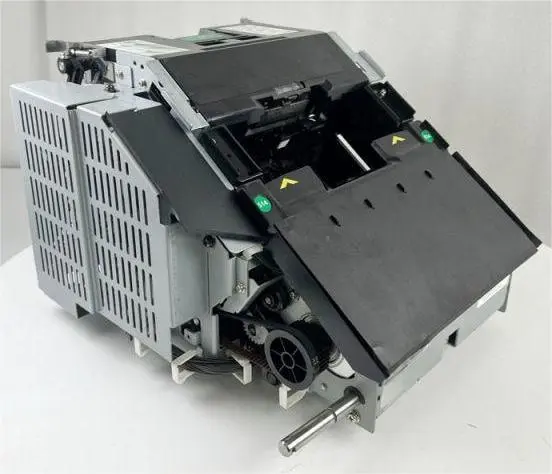
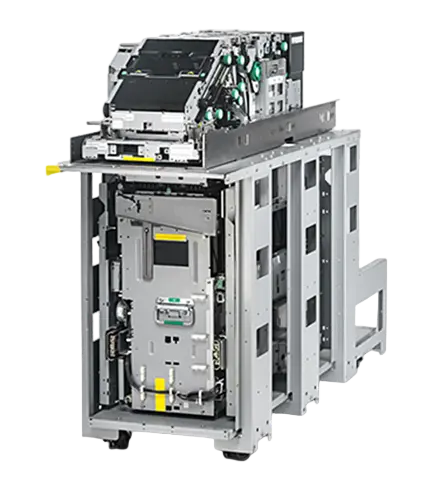
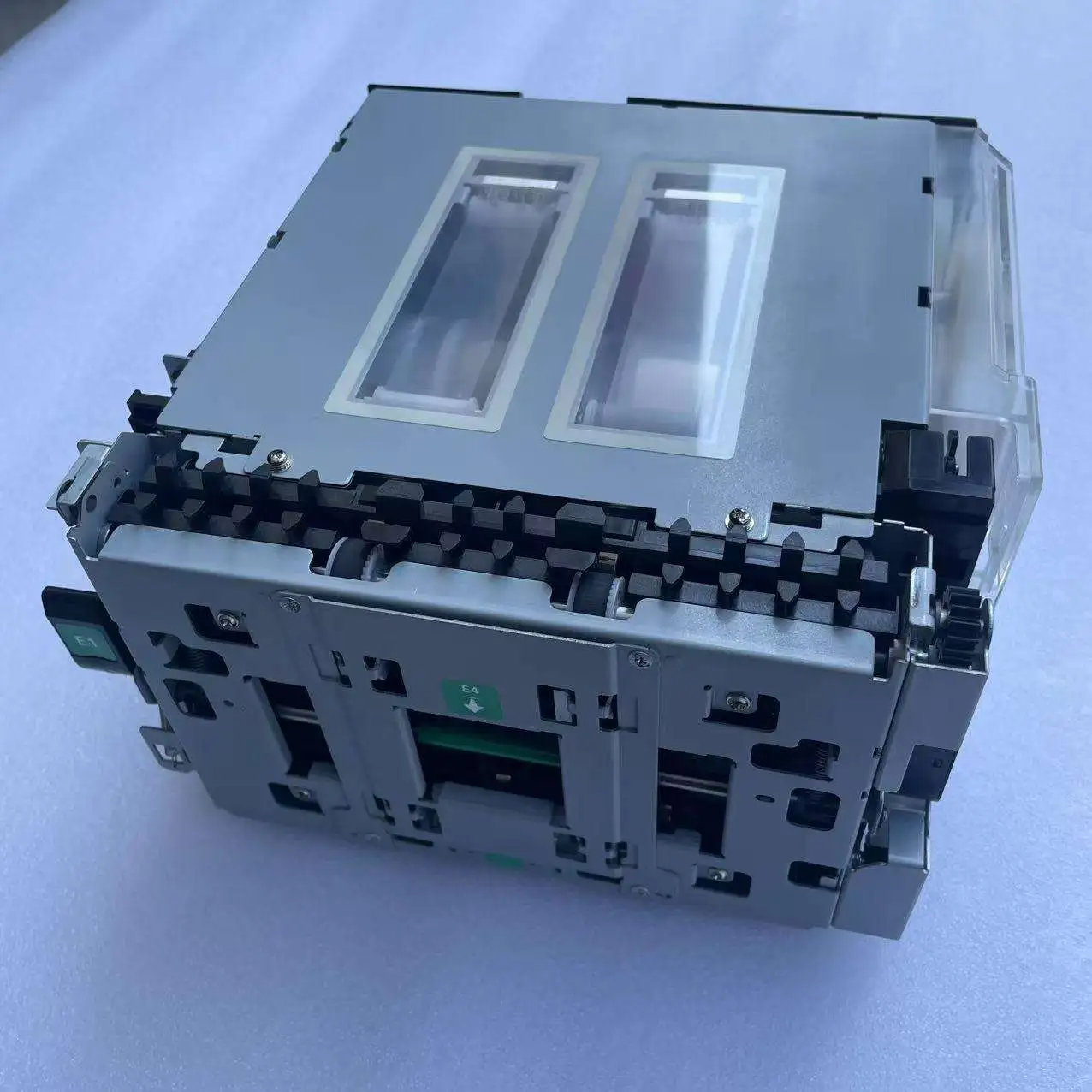
If you are in charge of a group of ATMs, you've probably had to deal with malfunctioning recyclers that stopped the machines from working. Many people trust the NCR 2062 2064 Recycler to handle cash, but they can have problems like note jams and sensor failures. Understanding these issues and using organized ways to fix them cuts down on downtime and repair costs by a large amount. This guide gives procurement managers, service engineers, and ATM workers useful tips on how to find the root causes of problems, fix them effectively, and keep your self-service banking infrastructure running smoothly.
Understanding Common Issues in NCR 2062/2064 Recycler
Hardware Failures That Disrupt Operations
A big part of the time that recyclers are down is because of problems with the hardware. During high-volume cash transactions, mechanical parts like transport belts, drive motors, and tape systems are constantly put under stress. Belts that are worn out slip or break over time, which stops bills from moving. When the drive motor fails, the cassette can't move at all, which stops all recycling processes.
When the quality of the notes gets worse or when strange items get into the NCR 2062 2064 Recycler path, they get stuck. Sticky notes, torn bills, or bent ends get in the way of rollers and sensors. Environmental factors like dust buildup and changes in temperature speed up mechanical wear, especially in places where climate control isn't available. Regular inspection shows early warning signs of belt wear, misplaced rollers, and bearing sounds that failure is about to happen.
Software and Sensor Errors
When software bugs and sensor problems happen, they cause error codes that make workers confused. When calibration changes, magnetic devices can't correctly verify bills, which leads to fake rejects. When notes are stacked or broken, thickness scanners read them wrong, which slows down transactions. When changes aren't finished, firmware issues happen, which makes it hard for the recycler and ATM driver to talk to each other.
"Cassette missing," "stacker full," or "dispense failure" are all examples of error codes that usually mean that sensors are not lined up correctly instead of hardware problems. Unstable voltage and power spikes hurt sensor circuits, causing faults that happen and make analysis harder. Technicians can tell the difference between real mechanical problems and electronic fake positives by understanding these trends.
Environmental and Operational Factors
Extreme temperatures put stress on internal parts, especially in ATMs that are installed outside. Lubricants vanish when it gets hot, which makes friction and wear worse. When it's cold, rubber parts get stiff, which makes travel less reliable. When it's humid outside, condensation forms inside protected modules, which damages electrical contacts and circuit boards.
Repeated problems are caused by operator mistakes during cash refilling. Sensor sounds go off when cassettes are placed incorrectly. Loads with different denominations cause validity failures when the recycler is expecting bills of the same value. Forced closures happen because of poor training, which damages closing systems and throws off the positions of the cassettes.
Step-by-Step Troubleshooting Process for NCR Recyclers
Interpreting Error Codes Accurately
When an error code shows up, how quickly it is fixed depends on how quickly you respond. Use the ATM's troubleshooting menu to get the full error log and write down the events that happened before the fault. Use the codes to find information in the NCR repair guides, which give full explanations and suggestions for what to do. Write down codes that appear over and over to find trends that point to systemic problems rather than single events.
Tell the difference between major errors that need to be fixed right away and smaller alerts that can be fixed by following normal processes. Critical codes that mean a tape is jammed or a dispenser isn't working right need to be fixed by hand, while software alerts can be fixed by restarting the system. Figuring out the seriousness of a code stops service calls that aren't needed and makes the best use of technicians across your ATM network.
Hardware Inspection and Physical Maintenance
To keep technicians safe and avoid electrical damage, turn off the ATM completely before opening the NCR 2062 2064 Recycler modules. Take out the tapes and look through the transport tracks for debris, snags, and broken pieces of notes. Gently press along the span of the belt to check its tightness. Too much slack means the belt needs to be replaced because it is worn out. Check rollers for cracks, coating, or buildup that makes them hard to grip.
Avoid using rough materials that scratch optical surfaces when cleaning sensors. Instead, use lint-free cloths and approved chemicals. During test runs, look at the warning lights to make sure the sensors are lined up correctly. Follow the manufacturer's instructions for lubricating drive systems and only use the recommended oils to keep residue from building up. Carefully put the parts back together, making sure the connections fit snugly and the cassettes lock into place without having to be forced.
Software and Firmware Solutions
Through the ATM's service options, reset the recycler module. This gets rid of any brief errors and sets the sensors back to default. Make sure that the firmware versions meet the NCR compatibility matrices. Outdated firmware makes it impossible for new ATM software to communicate with older firmware. Plan software changes for times when there isn't much traffic to keep service interruptions to a minimum.
Use the troubleshooting tools that come with NCR service tools to re-calibrate the sensors. Run test runs with known-good money to make sure that the notes are recognized correctly and that the transport time is correct. Once you've fixed a problem, delete the error logs to set a new standard for tracking future performance. Keep track of setup information and help with remote troubleshooting by writing down changes to software in maintenance records.
Maintenance Best Practices to Prevent Common Recycler Issues
Establishing Routine Maintenance Schedules
Regular care raises the life of the NCR 2062 2064 Recycler and lowers the number of times they need to be fixed in an emergency. Plan for ATMs that don't get used very often to be cleaned every 60 days and those that do get used a lot every 30 days. During cleaning sessions, clear dust out of the inside sections, wipe down the sensor lenses, and look for signs of early wear on the mechanical parts. Instead of waiting for things to break, replace items like picker assemblies and transport belts at the manufacturer's suggested times.
Schedules for lubrication depend on the type of part and the surroundings. In wet places, bearings and drive wheels need to be oiled every 90 days. In dry places, they need to be oiled every 120 days. To avoid over-lubrication, which attracts dust and leaves behind sticky leftovers that block note tracks, use precise application methods. Digital logs that record technician notes and the time of each service action make it easy to keep track of repair tasks.
Environmental Controls and Protection
Keep the temperature inside ATM shelters between 15°C and 25°C to protect the mechanical and computer parts. Install climate control systems in kiosks outside that will be subject to changes in temperature. Keep an eye on the humidity levels and make sure that the relative humidity inside is below 60% to avoid condensation. When temperature control isn't possible, put desiccant packs inside recycler sections.
To cut down on particulate pollution, add dust filtering to ATM ventilation systems. Seal wire entry points and cassette access doors to keep outside elements out. Keep ATMs out of direct sunlight, which can heat up the internal parts too much for safe use. These natural defenses make it much less likely that sensors will fail and machines will wear out.
Operator Training and Procedural Compliance
Teach people who are restocking cash machines how to properly load cassettes. Show the right way to line the stack, enter the cassette, and align the bills. Stress gentle handling to keep parts from getting damaged while installing the cassette. Provide quick-reference guides with clear images of the right way to use each ATM.
Set rules for the quality of bills that are put into recyclers. During cash preparation, throw away notes that are torn, worn out, or dirty. Check the quality of the money before restocking to cut down on the delays caused by bad money. Standardize processes across all places to make sure that operations run smoothly even when staff changes.
Comparing NCR 2062 vs NCR 2064 Recycler Reliability
Hardware Design Differences
Based on practical feedback from the older 2062 model, the NCR 2062 2064 Recycler series incorporates improved design features. Better transport systems lower the number of note jams, and better sensors make it easier to verify bills. The 2064 has modular tape designs that make it easier to change them and cut down on the time it takes to fix them. Access to parts has been improved by redesigning containers so that technicians can work on them more quickly.
Even with these changes, the basic design of both models is the same, so techs who know how to work with the 2062 can easily work with the 2064. Many parts can be used with other parts, but important pieces need to be replaced with ones that are made for that model. Knowing these differences helps buying teams make stocking plans that keep costs low while making sure parts are always available.
Failure Rate Analysis and Downtime Data
Industry sources say that the NCR 2064 has about 15% fewer technical problems than the 2062 when the same number of transactions are made. Better protection against electromagnetic interference and outdoor contaminants made sensors more reliable. However, the 2062 can still be serviced very easily because a lot of parts are available and there is a lot of debugging information that can help with fixes.
In modest transaction loads, the 2064's mean time between failures (MTBF) is 180 days, while the 2062's was only 155 days. These numbers change a lot depending on the environment and the level of upkeep. When it comes to hardware, well-maintained 2062 units often work better than ignored 2064 models. This shows how important preventative maintenance is, no matter what age of hardware is being used.
Cost of Ownership Considerations
The 2064 has higher initial purchase costs than the 2062 by 20 to 30 percent. This is because the design has been improved and the parts are better. The total cost of ownership goes down over five years, though, because failure rates go down and fix times go down. Because the 2064 uses younger technology, spare parts are more expensive, but more parts are becoming available as the model gets better known.
When deciding between models, think about the technicians you already have on staff and the parts you already have on hand. Fleets that use the 2062 standard profit from service teams and supply lines that are already set up. When you have a mixed fleet, you need to keep more parts on hand and spend more money on training. Model selection should be based on budget limits and expected transaction volumes to find a mix between upfront costs and long-term operating efficiency.
Procuring Reliable NCR Recycler Solutions
The RM Advantage: Scalable Recycler SR
The NCR SelfServ 61/62/64 ATM units work very well with RM's Scalable Recycler SR. This enterprise-level solution has more than 30 carefully designed parts, such as transport units, advanced magnetic and thickness sensors, and strong drive mechanisms. The Scalable Recycler SR was made to work with NCR 2062 2064 Recycler systems, so it is easy to integrate and makes sure that cash handling is reliable.
Each unit goes through strict quality control tests before it leaves our ISO9001-2008-certified 3,000-square-meter factory. We keep a full collection, including both whole units and individual spare parts, so that your downtime is as short as possible. All units come with a 30-day guarantee and ongoing online technical help. They are available both brand new and refurbished.
Our expert team answers questions within 24 hours and can quickly fix problems through remote diagnostics and video help. Standard arrival times are between 15 and 20 business days, but you can choose to ship by water, land, or air if you need it faster. RM is the best company to work with for ATM cash recovery because they make high-quality Products, have a large collection, and offer quick support.
Comprehensive Parts Coverage and Customization
RM has been making ATM parts for more than 20 years and now provides more than 80% of the world's ATM circuits and parts. Our integrated method includes whole tools, individual sections, and even the tiny replacement parts, making it easy to buy everything in one place. Because this covers so much, you don't need to deal with multiple sellers. This makes the buying process easier and lowers the cost of administration.
We change current parts to fit your needs, which can include making changes to the hardware and setting up software in multiple languages. Our options are flexible enough to react to different currencies and rules, whether you're doing business in Southeast Asia, the Middle East, Africa, Latin America, or a mature market like the US. This adaptability allows for a wide range of working conditions while keeping quality standards the same for all goods.
When standard solutions don't meet specific business needs, our research and development (R&D) skills let us make custom solutions. We design solutions that solve particular problems in your ATM network, such as setting up special transport setups or adding more security features. When you mix this design flexibility with years of experience making things, you get custom recycler options that make your cash management run more smoothly.
Conclusion
To properly fix problems with NCR 2062 2064 Recycler systems, you need to know how they usually break, use organized ways to find the problems, and stick to strict upkeep plans. Hardware problems, like notes getting stuck or belts getting worn out, can be fixed by checking them often and replacing parts when they break. Software issues can be fixed by properly calibrating, updating the software, and training the user. Environmental controls keep sensitive parts safe from damage caused by high and low temperatures and high and low humidity, which speed up wear.
Which model you choose will rely on your business needs, your budget, and the service infrastructure you already have in place. Working with suppliers with a lot of experience makes sure you can get good replacement parts, full expert help, and solutions that can be changed to fit your needs. Strategic purchase of parts and proactive upkeep help keep downtime to a minimum, lower the total cost of ownership, and raise the reliability of ATM networks.
FAQ
How often should recycler firmware be updated?
Every three months or whenever NCR releases important patches that fix security holes or compatibility problems, you should update the software on your NCR 2062 2064 Recycler. To have the least effect on customers, schedule changes for times when there aren't many transactions. Before deploying firmware, you should always make sure it works with the software that runs on your ATM controller, and you should keep backup options in case updates cause problems you didn't expect.
What do common error codes indicate?
There are four main types of error codes:
- cassette errors (units not aligned correctly or missing)
- dispense failures (jams or empty cassettes)
- sensor faults (calibration drift or block),
- communication errors (software conflicts or connection problems)
For code-specific meanings, look at the NCR service manuals. Definitions change for different recycler types and firmware versions.
Can I use third-party replacement parts safely?
Quality third-party parts from well-known companies like RM can be used instead of OEM parts because they are cheaper and don't affect performance. Make sure the parts meet or go beyond the original requirements, come with a warranty, and come with expert help. Established providers with ISO certification and a lot of experience in the ATM business offer reliable options that lower the cost of buying while still meeting operating standards.
Partner with RM for NCR Recycler Solutions
RM is ready to help your ATM network with high-quality recycling parts and expert technical support. As a top provider of NCR 2062 2064 Recycler components, we keep a large stock of Scalable Recycler SR modules and extra parts that work with NCR SelfServ 61/62/64 systems. Our production know-how, ISO9001-2008 certification, and more than 20 years of experience in the ATM business make sure that you get reliable goods and quick service.
Email our technical team at Tang@atm-part.com to talk about your unique needs, get bulk rates for fleet-wide deployments, or set up remote diagnostics for tools that you already have. We offer special solutions that fit your needs, such as customized modules, help in multiple languages, and shipping choices that are easy to work with. Visit atm-part.com to see all of our products and get detailed information that will help your ATM network work at its best.
References
1. NCR Corporation. "SelfServ Recycler Maintenance Guide: Service Procedures for Models 2062 and 2064." NCR Technical Publications, 2021.
2. Financial Industry Technology Association. "ATM Hardware Reliability Study: Comparative Analysis of Cash Recycling Systems." FITA Industry Research Report, 2022.
3. Johnson, Michael R. "Preventive Maintenance Strategies for Self-Service Banking Equipment." Journal of ATM Technology and Operations, Volume 15, Issue 3, 2023.
4. International Standards Organization. "Quality Management Systems for Financial Equipment Manufacturing: ISO9001-2008 Application Guidelines." ISO Technical Standards, 2020.
5. Peterson, Laura and Chen, David. "Troubleshooting Electronic Banking Hardware: Systematic Approaches for Service Technicians." Banking Technology Press, 2022.
6. Global ATM Service Alliance. "Best Practices for Cash Recycler Maintenance in Diverse Climate Conditions." GASA Technical White Paper Series, 2023.
Learn about our latest products and discounts through SMS or email