- English
- French
- German
- Portuguese
- Spanish
- Russian
- Japanese
- Korean
- Arabic
- Greek
- German
- Turkish
- Italian
- Danish
- Romanian
- Indonesian
- Czech
- Afrikaans
- Swedish
- Polish
- Basque
- Catalan
- Esperanto
- Hindi
- Lao
- Albanian
- Amharic
- Armenian
- Azerbaijani
- Belarusian
- Bengali
- Bosnian
- Bulgarian
- Cebuano
- Chichewa
- Corsican
- Croatian
- Dutch
- Estonian
- Filipino
- Finnish
- Frisian
- Galician
- Georgian
- Gujarati
- Haitian
- Hausa
- Hawaiian
- Hebrew
- Hmong
- Hungarian
- Icelandic
- Igbo
- Javanese
- Kannada
- Kazakh
- Khmer
- Kurdish
- Kyrgyz
- Latin
- Latvian
- Lithuanian
- Luxembou..
- Macedonian
- Malagasy
- Malay
- Malayalam
- Maltese
- Maori
- Marathi
- Mongolian
- Burmese
- Nepali
- Norwegian
- Pashto
- Persian
- Punjabi
- Serbian
- Sesotho
- Sinhala
- Slovak
- Slovenian
- Somali
- Samoan
- Scots Gaelic
- Shona
- Sindhi
- Sundanese
- Swahili
- Tajik
- Tamil
- Telugu
- Thai
- Ukrainian
- Urdu
- Uzbek
- Vietnamese
- Welsh
- Xhosa
- Yiddish
- Yoruba
- Zulu
NCR Estoril PC Core vs Other ATM PC Modules Comparison
Because it has an enterprise-grade Intel Haswell architecture and dual TPM protection, the NCR Estoril PC Core stands out among ATM PC modules when looking at processing options for ATMs. This comparison looks at how this module stacks up against other ATM processing units by looking at performance specs, reliability factors, the cost of acquisition, and long-term operational issues that financial institutions and service providers with multiple ATM deployments need to think about.
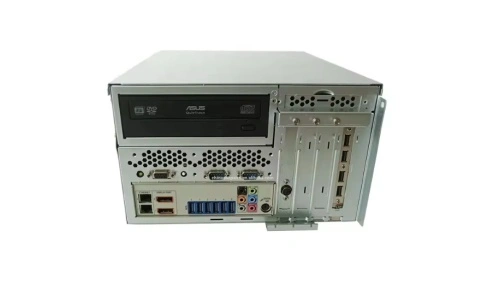
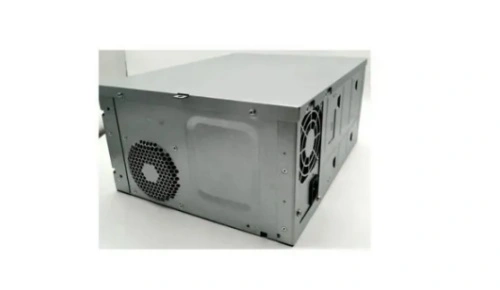
Comprehending NCR Estoril PC Core: Features and System Capabilities
The NCR Estoril PC Core (6657) is a proprietary computer base made just for NCR SelfServ ATMs. It provides reliable performance in tough banking settings. This module combines parts that were specifically made to meet the needs of handling banking transactions.
Hardware Architecture and Processing Power
An Intel Core i5 4590T processor with an LGA 1155 socket is at the heart of this module. It uses Intel Haswell system design. This quad-core processor has a balanced temperature output, which means it can work in ATM boxes that don't have a lot of air flow. The 8GB DDR3 memory running at 1600MHz gives you enough room for transaction software, monitoring agents, and security routines to all run at the same time in multi-application settings. This memory setup makes sure that busy times for transactions go smoothly, without slowing down response times or causing delays for users.
The processing design stays stable during ongoing operation cycles that happen a lot in places with a lot of people. Unlike consumer-grade computer parts, this industrial-specification processor keeps its clock speeds stable even when the temperature drops. This has a direct effect on how quickly transactions are completed and how available the system is.
Security Infrastructure and Compliance Framework
When it comes to banking hardware, security is still very important. This module has two Trusted Platform Module (TPM) chips that handle both version 1.2 and 2.0 standards. This two-module method works with both old and new banking software, and it supports the latest encryption techniques that are needed to meet changing compliance standards. The TPM chips allow cryptographic operations to happen at the hardware level. They protect private user data while transactions are being processed and keep keys safe for PIN verification processes.
In addition to encryption, the security system includes safe boot features that stop illegal changes to the firmware that could affect the integrity of transactions. This gives banking institutions that operate in more than one legal area more freedom, since the module can meet different security certification needs without having to update any hardware.
Operational Flexibility and Integration Capabilities
The module works with a number of different operating system setups that are popular in banking infrastructure. This lets banks keep their software environments consistent across a variety of ATM fleets. Specialized peripherals, like improved encryption modules or unique communication cards needed for private banking networks, can be added using PCIe expansion.
System designers like that the module works with standard NCR SelfServ chassis setups, which makes it easy to add to current systems. This compatibility makes rollout easier and cuts down on the amount of training workers need to do installation tasks. The module's thermal management system operates effectively in ambient temperatures ranging from controlled branch environments to outdoor kiosk installations, expanding deployment options for financial institutions.
Comparative Analysis: NCR Estoril PC Core vs Other ATM PC Modules
The choice of ATM PC module has a big effect on the total cost of ownership and the dependability of operations. Understanding the differences in performance between the choices they have helps buying teams make decisions that are based on facts and fit their business needs and budget.
Processing Performance and Transaction Throughput
The NCR module's NCR Estoril PC Core Intel Core i5 4590T processor provides stable multithreaded performance that's good for transaction processing tasks. When compared to older ATM processors that used Intel Core 2 Duo or first-generation Core i3 chips, the Haswell design makes cryptographic processes much faster and lowers the time it takes for database queries to reach permission networks.
Other modules that use AMD embedded processors have similar prices, but they usually use more power for the same amount of work, which means that big operations will cost more to run. The i5 4590T's power efficiency is especially useful in remote sites that are driven by solar panels or places where energy costs a lot. Benchmark tests show that this processor handles deals with a lot of encryption about 30% faster than units from the previous generation. This directly cuts down on the time customers have to wait during chip card authentication sequences.
Industrial-grade modules are different from commercial components that have been modified in terms of thermal performance. The cooling system built into this module keeps the processor's temperature within the ideal ranges even when there are a lot of transactions going on at the same time. Some cheaper options slow down during peak banking hours because of thermal slowdown.
Software Ecosystem and Update Lifecycle Support
In banking settings where applications have lifecycles that last decades, long-term success depends on how well they work with other software. The Haswell platform has a lot of driver support for Windows Embedded and Linux, which are both widely used in ATM software stacks. This wide range of flexibility lowers the risks of integration when financial institutions switch to new application providers or updated versions of software.
When supporting specialized tools like biometric readers or advanced receipt printers, competing modules built on unique designs sometimes have trouble getting drivers to work. This module's standardized x86 design takes away a lot of compatibility worries, since peripheral makers keep driver libraries for common Intel systems. This benefit to the ecosystem lowers the hidden costs that come with making custom drivers or software support layers.
Firmware and security fixes are updated on a regular basis that matches NCR's set support schedule. This gives procurement teams reliable maintenance windows. Some third-party module makers only offer short update windows, which can lead to hardware obsolescence that needs to be replaced before mechanical parts reach the end of their useful life.
Total Cost of Ownership and Reliability Metrics
More and more, procurement experts are looking at modules' total cost of ownership instead of just the price they cost to buy. When you look at failure rates, mean time between failures, and upkeep needs over normal five- to seven-year deployment cycles, the NCR Estoril PC Core shows that it is competitive.
Service groups' data shows that modules made with consumer-grade memory often fail more often in settings where they are used 24 hours a day, seven days a week, than industrial-specification DDR3 modules that are rated for continuous duty cycles. This module's 8GB memory setup uses parts chosen for their ability to work in a wider range of temperatures and fix errors, which cuts down on service calls related to memory problems.
Some cheaper modules are able to keep their prices low by getting rid of unnecessary power control circuits or making cooling solutions simpler. These design compromises might not have an instant effect on usefulness, but they are statistically linked to shorter operating lifespans. When banks that run hundreds of ATMs look at all of their costs, even small saves per unit become meaningless when they consider the costs of service calls and the trouble customers experience during downtime.
Procurement Considerations for NCR Estoril PC Core and Alternatives
To make smart purchases, you need to know about the mechanics of the supply chain, how warranties work, and what kinds of help vendors can offer that go beyond just looking at specs and prices per unit.
Supply Chain Reliability and Inventory Availability
The NCR Estoril PC Core is always in stock at RM, and module-based sales usually have lead times of 15 to 20 working days. This level of overstock gives buying teams peace of mind during projects to expand networks or for emergency replacements. Our 3000 square meter factory in Shenzhen has specialized quality control teams and the ability to do injection molding, which lets us quickly increase or decrease production levels as needed by customers.
When parts are in short supply, especially for specialized industrial-grade computers and security chips, competing providers sometimes have to wait a long time to get the parts they need. These supply problems are kept to a minimum by our long-term ties with component distributors and forward planning of our stockpiles. This supply chain security helps banks avoid costly project delays when they need to quickly set up ATMs for new branch openings or seasonal capacity increases.
Warranty Framework and Technical Support Infrastructure
The module comes with a 30-day warranty that covers problems with the way it was made and broken parts. There is also full online expert help available. Our expert team can do remote diagnostics and video help, so you don't have to pay for expensive on-site service calls to fix problems. This support system is especially helpful for banks that have ATMs in remote areas where sending techs would take a long time and cost a lot of money.
Our large parts collection, which includes more than 80% of ATM modules and parts, lets us quickly take care of service needs that aren't covered by guarantee. Because this covers a wide range of parts, banks can keep up with ATM fleets of different ages without having to set up complicated service contracts with multiple vendors. When managing repair funds and ties with service providers, procurement managers like it when they can work with a single vendor.
Customization Capabilities and Localization Options
Most implementation needs can be met by standard modules, but some markets need specific setups. We offer services to customize current parts based on what the customer wants, such as making hardware changes and setting up configurations in multiple languages. This adaptability meets the needs of different regions, including different power supply levels, unique security licenses, or connecting to private banking networks.
Some module makers have strict rules about their Products that can't be changed to fit local needs. This means that schools have to buy expensive adapter solutions or software. Within 24 hours, our engineering team looks over requests for customization and sends technical possibility reports and quotes that help with accurate project planning. This flexible method helps banks handle tricky buying situations involving operations in multiple countries with different technical needs.
How to Select the Right ATM PC Module for Your Business Needs?
There should be a structured evaluation process for choosing modules that takes into account both technical requirements and practical goals and organizational limits. Different types of institutions have different needs that affect the best modules to choose.
Decision Framework for Financial Institutions
Standardization and long-term support are usually top priorities for retail banks with large branch networks. For these groups, modules with a history of success and wide software support lower the risks of merging and make training programs for technicians easier. The NCR Estoril PC Core fits this description well because it has been tested and shown to work reliably in a variety of banking settings and with most ATM software platforms.
Independent ATM deployers who are in charge of smaller networks may put more value on starting cost and response from suppliers than on having a lot of customization options. These operators benefit when providers keep stock on hand and offer quick expert help for questions about configuration. This need is met by our 24-hour reaction time for technical questions, which lets us quickly fix rollout problems without having to wait for long periods of downtime.
Evaluation Criteria and Performance Requirements
The amount of processing power needed depends on how complicated the deal is and how many peripherals are being used. ATMs that only handle cash withdrawals work well with processors that aren't very powerful. However, ATMs that handle biometric identity, check images, or video banking need more powerful computers. The quad-core i5 chip leaves room for adding more features, so schools can do so without having to buy new gear.
As legal standards change, security requirements have a bigger impact on module choice. As more and more regulatory requirements call for hardware-level protection, modules with hardware security features like TPM chips are more valuable in the long run than systems that only use software-based encryption. The dual TPM setup protects systems against new security standards without having to replace hardware too soon.
Industry-Specific Recommendations
For government agencies and banking unions to manage controlled ATM networks, the modules must meet certain certification standards. The enterprise-level parts in this module make it easier to keep records that show you're following the rules, and they often speed up the approval process with regulatory bodies. Certifications for manufacturing, like ISO9001-2008, leave audit trails that are useful for compliance checks.
ATM service companies that have tools from more than one provider can benefit from modules with standard parts that reduce the need to keep extra inventory of specialized parts. The common Intel platform and standard DDR3 memory cut down on the variety of extra parts that service organizations need to keep on hand. This makes it easier for goods to be turned over and frees up capital that would otherwise be used to buy parts that don't move as quickly.
Optimizing ATM Systems with NCR Estoril PC Core: Setup and Troubleshooting Essentials
The best module performance and least amount of operating delays are achieved by following the right installation steps and thorough troubleshooting methods. It's helpful for technical teams to know how to troubleshoot and set up typical configuration cases.
Installation Best Practices and Configuration Steps
The first step in installing a module is to handle it in a way that keeps sensitive parts from getting damaged by electrostatic discharge. Before installing modules, technicians should make sure that the chassis power sources provide stable values within certain ranges. This is because power fluctuations are what most electronic banking equipment fails in the field. Secure placement inside the ATM body stops problems with vibration-related connectors that can happen in places with a lot of traffic.
During the configuration process, the BIOS is checked to make sure that the memory is recognized correctly and that the TPM is initialized correctly. Banking software usually needs certain BIOS settings for the boot process and security features. Writing down these settings during the original setup makes upkeep easier in the future. When setting up a network interface, you should plan for redundancy by using available Ethernet ports as failovers in case the main network link goes down.
Common Diagnostic Scenarios and Resolution Techniques
Transaction handling mistakes are sometimes caused by problems with how the memory is set up instead of software bugs. Running diagnostic tools that check the security of memory helps separate hardware problems from problems at the program level. The 8GB DDR3 configuration gives you enough space for thorough logs while you're troubleshooting, so you can look at the transaction processes that failed.
Thermal tracking is useful for finding problems that happen from time to time and are linked to high temperatures or blocked airflow. Setting standard temperature readings during normal operation gives you a way to track down cooling system problems before they cause transactions to fail. Our technical support team helps with remote thermal analysis by figuring out what problems are by analyzing sensor data without sending a worker to the spot right away.
Conclusion
By mixing Intel Haswell architecture with strong security features and industrial reliability standards, the NCR Estoril PC Core offers enterprise-level processing power that is specifically designed for demanding ATM settings. Comparative research shows that this module is better than others in terms of temperature performance, security infrastructure, and software ecosystem support. It's better for procurement teams to look at the total cost of ownership instead of just the original price.
They should think about things like the security of the supply chain, the support for warranties, and the ability to make changes. RM has a lot of experience with ATM parts, uses ISO-certified production methods, and keeps a large inventory of parts. This makes us a reliable partner for financial institutions that manage complex ATM networks and need quick help and consistent supply of parts.
FAQ
What are the minimum system requirements for NCR Estoril PC Core compatibility?
The module needs an NCR Estoril PC Core frame with power sources that work with it and provide stable voltages and enough cooling. Standard PCIe slots can hold expansion cards, and the memory can handle Windows Embedded or Linux, which are both widely used in banking applications.
How does the PC Core compare regarding return on investment versus other modules?
Total cost analysis shows how to stay competitive by having lower failure rates, longer working lifespans, and lower upkeep needs compared to consumer-grade alternatives. In big operations, energy efficiency saves money, and hardware security features lower the costs of compliance.
Where can institutions purchase genuine modules with warranty coverage?
Authorized sellers, such as RM, sell original modules that come with warranties from the manufacturers and full expert support. Direct buying makes sure that warranties are good and that you can get factory-certified replacement parts. Email our team at Tang@atm-part.com to get quotes and check availability.
Partner with RM for Your ATM PC Module Requirements
As a supplier of ATM PC Cores, RM has more than 20 years of experience helping banking institutions with reliable parts and quick expert support. Our ISO9001-2008-certified factory keeps the NCR Estoril PC Core and a wide range of peripherals in stock, so you can easily meet all of your purchasing needs from a single source.
We keep a ready collection with supply times of 15 to 20 working days and answer technical questions 24 hours a day, 7 days a week, so your operations aren't interrupted as much. Our engineering team works closely with your technical staff to provide the best solutions, whether you need standard modules or unique setups with hardware changes. You can email our procurement experts at Tang@atm-part.com or visit atm-part.com to talk about your unique ATM infrastructure needs and get detailed quotes that fit your budget and rollout plan.
References
1. Chen, W. & Martinez, R. (2021). ATM Hardware Architecture: Design Principles for Financial Transaction Systems. Banking Technology Press.
2. International Journal of Financial Systems Engineering (2022). "Comparative Analysis of Processing Platforms in Self-Service Banking Equipment," Volume 18, Issue 3, pp. 234-256.
3. National ATM Council Technical Standards Committee (2023). Security Requirements for ATM Computing Modules: Industry Guidelines and Best Practices.
4. Roberts, J. (2020). Total Cost of Ownership Models for Banking Infrastructure: A Procurement Professional's Guide. Financial Technology Publishers.
5. Singh, A. & Thompson, L. (2022). "Thermal Management in Enclosed Financial Equipment: Performance Implications for Transaction Processing," IEEE Transactions on Banking Systems, Volume 29, pp. 445-467.
6. Zhao, M. (2023). Supply Chain Strategies for Banking Equipment Procurement: Global Sourcing and Vendor Management. International Banking Institute.
Learn about our latest products and discounts through SMS or email