- English
- French
- German
- Portuguese
- Spanish
- Russian
- Japanese
- Korean
- Arabic
- Greek
- German
- Turkish
- Italian
- Danish
- Romanian
- Indonesian
- Czech
- Afrikaans
- Swedish
- Polish
- Basque
- Catalan
- Esperanto
- Hindi
- Lao
- Albanian
- Amharic
- Armenian
- Azerbaijani
- Belarusian
- Bengali
- Bosnian
- Bulgarian
- Cebuano
- Chichewa
- Corsican
- Croatian
- Dutch
- Estonian
- Filipino
- Finnish
- Frisian
- Galician
- Georgian
- Gujarati
- Haitian
- Hausa
- Hawaiian
- Hebrew
- Hmong
- Hungarian
- Icelandic
- Igbo
- Javanese
- Kannada
- Kazakh
- Khmer
- Kurdish
- Kyrgyz
- Latin
- Latvian
- Lithuanian
- Luxembou..
- Macedonian
- Malagasy
- Malay
- Malayalam
- Maltese
- Maori
- Marathi
- Mongolian
- Burmese
- Nepali
- Norwegian
- Pashto
- Persian
- Punjabi
- Serbian
- Sesotho
- Sinhala
- Slovak
- Slovenian
- Somali
- Samoan
- Scots Gaelic
- Shona
- Sindhi
- Sundanese
- Swahili
- Tajik
- Tamil
- Telugu
- Thai
- Ukrainian
- Urdu
- Uzbek
- Vietnamese
- Welsh
- Xhosa
- Yiddish
- Yoruba
- Zulu
Supplier Guide: Nemo MCRW Card Reader for ATM Parts
It's important to be clear about how to get reliable ATM parts, especially when looking for important features like card readers. It is recommended that financial institutions and ATM service providers choose the Nemo MCRW Card Reader if they want to reliably process magnetic stripe and smart cards for NCR SelfServ ATMs. This complete guide covers the Nemo MCRW's technical specs, buying issues, and operating best practices.
It gives decision-makers the tools they need to streamline their supply chain while keeping transaction integrity. Understanding the skills and supply ecosystem of this card reading solution is important for both cost-effectiveness and operating resilience in competitive banking settings. This is true whether you are in charge of deploying a lot of ATMs or replacing old parts.
Understanding the Nemo MCRW Card Reader: Features and Compatibility
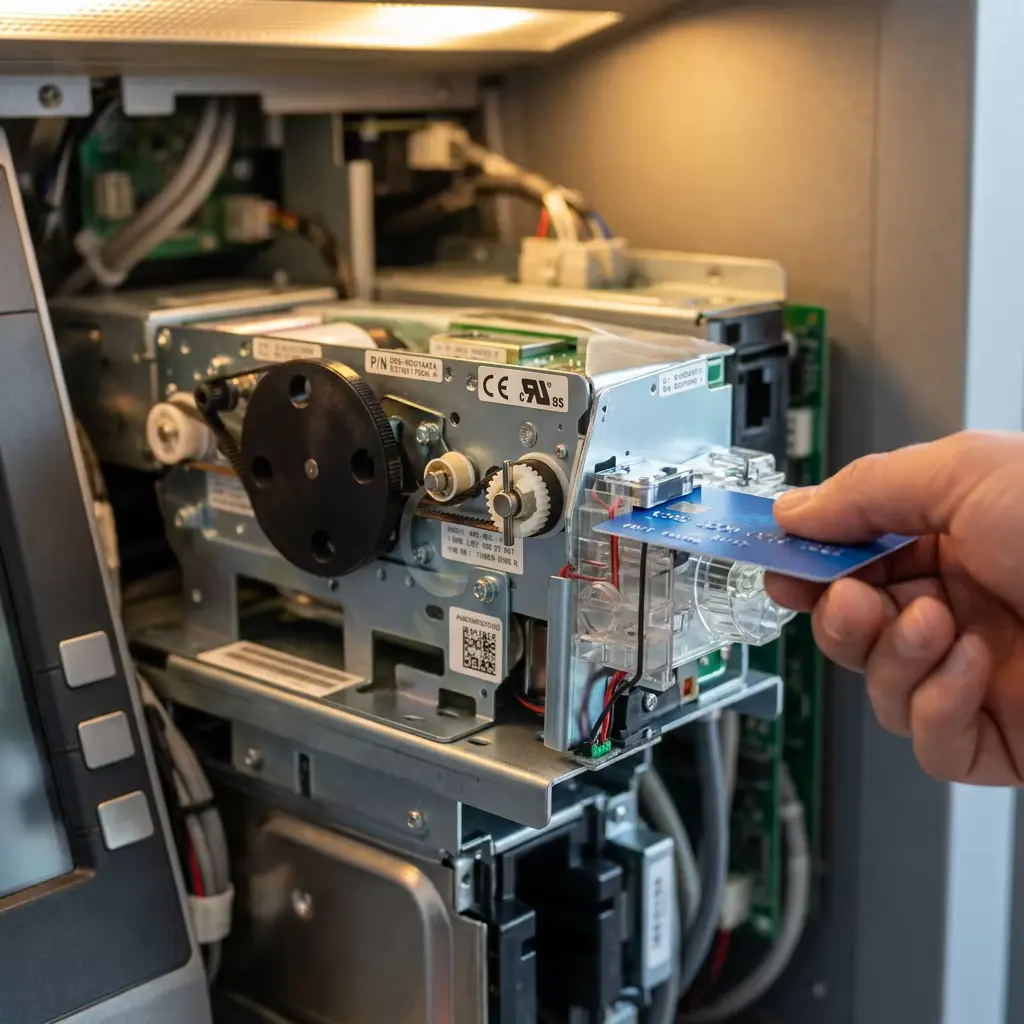
The Nemo MCRW Card Reader is designed to work with NCR SelfServ ATMs and has enterprise-level speed. This device uses cutting-edge magnetic stripe technology that can handle both 2-track and 3-track high coercivity (HiCo) setups. It can handle the different card types that are used in today's banking networks. Important NCR part numbers, such as 445-0765158 and 445-0765159, are compatible, making sure that they work well with current systems.
Multi-Format Card Processing Capabilities
In today's banking world, transfers need to be able to work with a variety of card systems. The Nemo MCRW can read magnetic stripe cards and also work with IC smart cards by using contact chip technology. This two-in-one feature helps with EMV compliance standards, which are needed in many places to lower the risk of scams. The device works with older magnetic stripe systems and gets ATM owners ready for when payment technologies change in the future.
Modular Architecture for Maintenance Efficiency
One problem that ATM repair companies always have is replacing parts quickly when they break down without warning. The Nemo MCRW solves this problem with its modular design, which includes subassemblies that can be swapped out on their own. The 009-0031443 transport mechanism with base assembly for 2-track setups, the 009-0031444 3-track HiCo transport, the 009-0028982 IC block for chip card processing, and the 009-0031447 short throat assembly are some of the most important parts. The mean time to fix (MTTR) is much shorter with this layout than with monolithic designs, which need to replace the whole unit.
Security Protocol Adherence
When looking at card reading hardware, financial equipment sellers put security requirements first. The Nemo MCRW has features that look for signs of tampering and works with security methods that are in line with Payment Card Industry (PCI) standards. Attacks like skimming and unauthorized data interception are still a danger in self-service banking settings, but these security layers protect both the ATM operator and the people who use the machines.
The quality of the construction meets the needs for continued running in busy areas. The reinforced frame design can handle the physical stress of thousands of daily inserts and still read accurately over the course of its useful life. Tolerance to the environment means being able to handle dust and temperature changes that are common in outdoor booth setups.
How to Choose the Right Card Reader for ATM Parts – A Decision Support Approach
When buying ATM parts, you have to weigh a lot of different factors, such as the cost at the start, the stability over time, the need for compatibility, and the supplier's ability to provide help. The decision process is especially hard when you have to manage a fleet of different ATMs or plan to upgrade technology in stages at several sites.
Evaluating Operational Requirements
The situations in which ATMs are put in place are very different between bank branches in cities that handle a lot of transactions and remote machines in rural areas that are only used sometimes. In places with a lot of people, Card Readers need to have high mechanical endurance rates, which are usually tested in insertion rounds. The Nemo MCRW was built to work in tough conditions, so it can be used in places that handle hundreds of deals every day.
Another important standard is read accuracy. Readers that aren't very good may have trouble reading magnetic stripes on older cards or cards that have been in magnetic fields. Quality devices keep their first-read rates high even when cards are tampered with, which keeps customers happy and cuts down on service calls. Transaction speed has a direct effect on the customer experience. Delays of just two or three seconds can lead to real queueing issues during busy banking hours.
Comparative Analysis with Alternative Solutions
There are several ways that the Nemo MCRW is different from other card reading systems. When institutions work in developing countries, they may have to wait longer for proprietary OEM parts from big ATM makers and pay more for them. Third-party alternatives like the Nemo MCRW are cheaper than original parts without sacrificing key functions. They can save you 30–40% while still being compatible thanks to careful reverse engineering.
Comparing durability shows important differences. Some cheap options cut corners on build quality to keep prices low, which leads to more failures and a higher total cost of ownership. The Card Reader and the Nemo MCRW are in the middle because they have commercial-grade build but cost a lot less than OEM parts. This value offer is especially appealing to service companies that manage cost-sensitive contracts and independent ATM deployers.
Supplier Support and Customization Considerations
In addition to the hardware itself, the skills of the seller have a big effect on how well the purchase goes. Lead times affect how much inventory you can plan for. The Nemo MCRW keeps stock on hand with normal shipping windows of 15 to 20 working days, so you don't have to worry about the multi-month delays that can come with ordering specialized parts. How quickly technical help responds is also important, especially when solving problems with integration or figuring out what's wrong in the field. Operators who are in charge of foreign deployments can get a lot of value from suppliers who offer multilingual help and online diagnostic capabilities.
Customization choices make regular parts more useful in more situations. If you want to change the hardware, you might have to adjust the mounting mounts for an ATM chassis that isn't standard. If you change the software, you can make it work with different languages or different transaction flows. If a manufacturer does its own research and development, it can change current designs to fit the needs of a specific job without having to do full custom engineering.
Optimizing ATM Operations with Nemo MCRW Card Readers – Performance and Troubleshooting
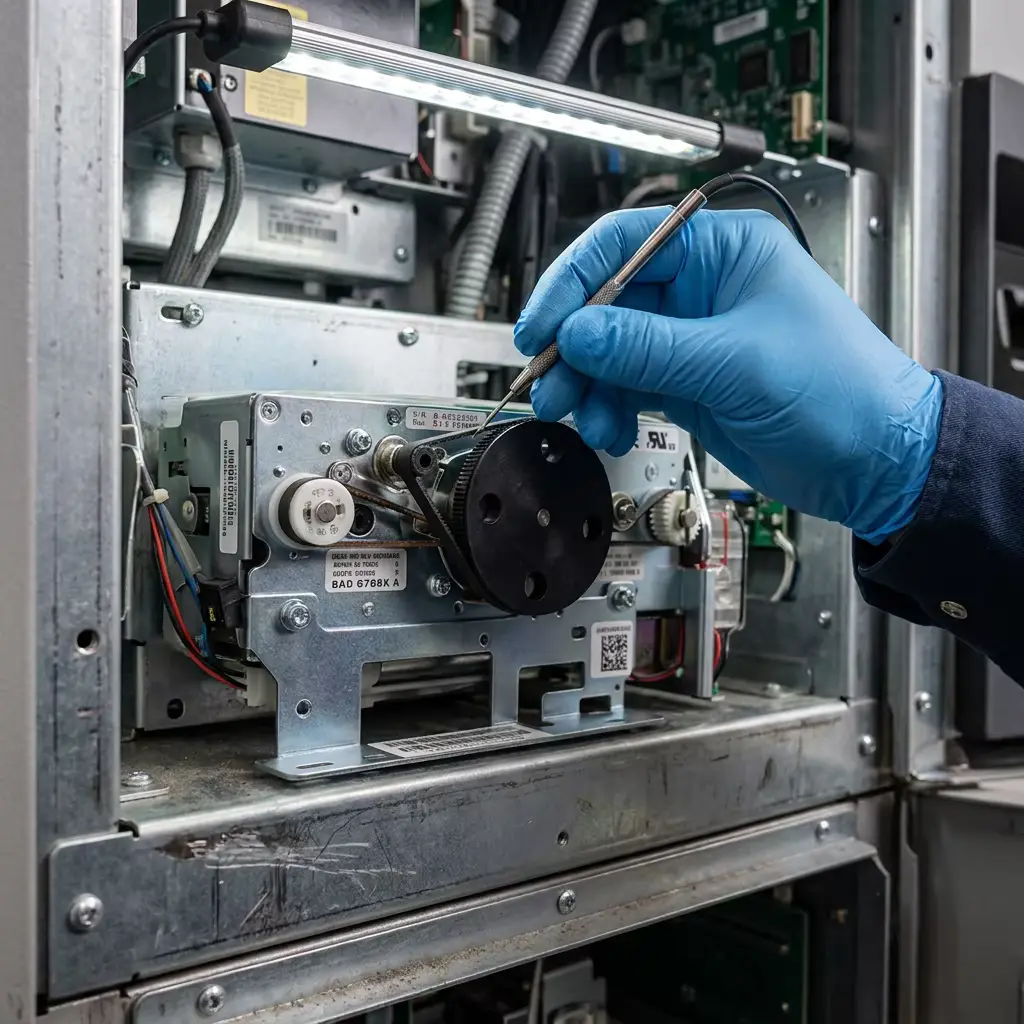
A successful deployment includes more than just the original setup. It also includes regular monitoring of performance and preventative upkeep. Uptime rates and mean time between failures (MTBF) are used by ATM owners to measure success. These metrics are directly affected by the quality of the parts and how well they are maintained.
Installation and Integration Best Practices
Many problems down the line can be avoided by installing things correctly. Standardized interface protocols let the Nemo MCRW connect to NCR SelfServ platforms, but installation must be done carefully to ensure the link stays strong. Failures that happen from time to time and are hard to figure out are caused by loose wire connections. Installers should make sure that all of the connectors are properly seated and that the wires are routed so that they don't get pinched or bend too much near the connection points.
Different versions of ATM operating systems have different ways to install drivers and set up software. Before putting the Card Reader into use, technicians must make sure that the code works with the ATM's control software. Version differences can cause small problems like read fails that happen from time to time or wrong transaction logging. Keeping records of the allowed firmware combos stops setup drift across ATM fleets.
Common Operational Issues and Diagnostic Approaches
Read mistakes show up in a number of ways. If you can't read any cards at all, it's probably because of a bad power source, a wire that has come loose, or a catastrophic component failure. Reading problems that only happen with certain types of cards could mean that the magnetic head isn't aligned correctly or that the read path is contaminated. Diagnostic steps should be organized like fixing steps, starting with an eye check of the card path for damage or trash.
When ATMs get software changes, there are sometimes problems with how they work with other devices. If there are changes to the transaction flow or new security standards, the Card Reader may need to have its software updated. As soon as compatibility problems show up in the field, suppliers who keep up with product support send out software patches that fix them.
Maintenance Protocols for Extended Lifespan
Regular preventative repair greatly increases the useful life of parts. In places with a lot of wetness, magnetic read heads pick up dust from card coatings. Read ability is restored by cleaning methods that use isopropyl alcohol and lint-free materials. How often you clean relies on how many transactions you do. Locations that handle 1,000 or more transactions per day should clean once a month, while locations with lower transaction volumes can do maintenance every three months.
IC contact blocks need different ways of being maintained. Unlike magnetic heads, IC contacts wear out mechanically over time when cards are inserted over and over again. A visual check shows that there is too much wear, which can be seen by the contact area becoming flattened or pitted. Degradation of spring tension lowers the dependability of contacts, which causes chip cards to fail sometimes. These problems can be avoided by replacing the 009-0028982 IC block assembly at the times suggested by the maker.
Firmware changes do two things: they fix bugs that have been found and they make the system safer. To avoid problems with unexpected compatibility, ATM owners should set up ways to try firmware changes in controlled settings before putting them on all of their machines.
Procurement Guide: Purchasing Nemo MCRW Card Readers in Bulk for ATM Projects
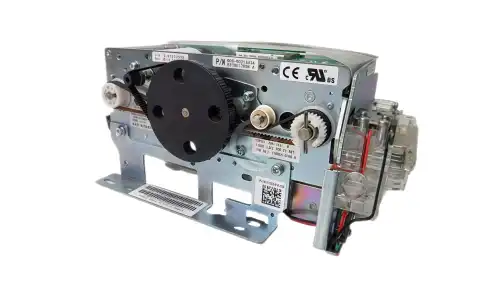
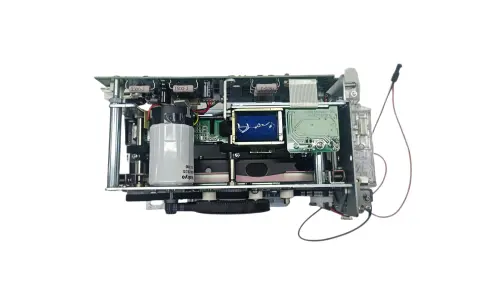
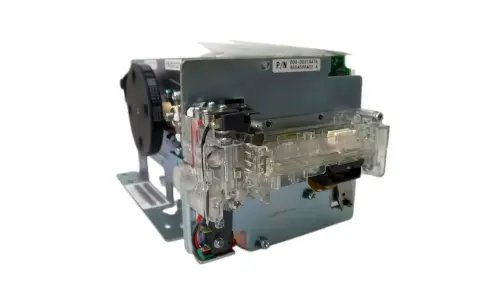
For large-scale ATM deployments, procurement strategies must balance the needs of the project right now with the security of the supply chain in the long run. When you buy in bulk, you can save money, but it also makes managing your goods more difficult and requires you to commit capital for items such as the Card Reader.
Cost-Benefit Analysis and Pricing Models
Nemo MCRW's price structure shows that it is positioned between high-end OEM parts and low-cost options. Volume price is offered at different levels. Usually, orders over 50 units get a discount at first, and then discounts go up at 100 and 250 units. Pricing based on projects for deployments of more than 500 units could save you 25 to 30 percent compared to pricing based on single units.
The total cost of ownership is more than just the price of the car. Warranty coverage and the cost of after-sales help are important factors. The basic coverage is provided by the normal 30-day warranty with online help. However, operators who don't want to take risks should look into the choices for longer warranties. Higher-reliability parts are worth the extra money because they reduce the number of service calls and the cost of fast shipping for emergency repairs.
Identifying Reliable Suppliers and Distributors
Choosing a supplier has big effects on the success of a project. HONGKONG RONG MEI TECHNOLOGY CO., LIMITED is a well-known example of a company that can do everything from research and development to production and customer service after the sale. The business has been around since 2008 and is certified by ISO9001-2008. It has a 3,000-square-meter building with offices for making molds, injection molding, upkeep, and quality control.
Checking the identities of suppliers guards against fake parts and sellers you can't trust. Manufacturers that are legitimate offer certifications, allow building checks, and keep up with business registrations that can be checked. Companies that have been in business for 15 years or more in the tough ATM component market show that they are both technically skilled and able to handle business challenges.
Logistics and Inventory Management Strategies
Shipping becomes more complicated when you buy things from other countries. The Nemo MCRW ships from China in a number of different ways, including sea freight for big orders that need to be cost-effective, plane freight for urgent needs, and land transportation for regional distribution. Lead times range accordingly. Sea freight takes 30–45 days to get to North American places, while air freight cuts the time it takes to get there to 7–10 days, but it costs more.
Just-in-time buying is better because it saves money on inventory holding costs, but keeping buffer stock is better in case of supply chain problems. Based on average failure rates, replacement needs, and carrying costs, balanced methods figure out the best amount of supplies to keep on hand. Important parts, like the full 445-0765158 and 445-0765159 systems, should have more in stock than less likely to break sub-components.
These buying factors have a direct effect on the continuation of operations. Companies that are in charge of hundreds or thousands of ATMs need to have strategic partnerships with their suppliers that go beyond just buying things, such as the Card Reader. These partnerships should include expert advice, quick support, and flexible supply chains.
Future Trends and Innovations in ATM Card Reader Technology
The world of financial technology is always changing because of what customers want, the need for protection, and changes in the law. Card reading technology responds to these stresses by making small improvements and sometimes big changes.
Contactless Payment Integration
Near-field communication (NFC) technology lets you use a card without touching it. This keeps Card Readers from wearing out and speeds up purchases. In the past few years, people have become much more comfortable with contactless payments. This has led ATM makers to look into making readers that can handle both touch and contactless transactions. Because the Nemo MCRW platform is built in a flexible way, it can potentially get contactless capabilities through extra modules.
Biometric Authentication Enhancements
More and more, authentication methods are being used in addition to or instead of standard ID cards. Security is better with fingerprint readers, eye scanners, and face recognition systems than with cards alone, which can still be stolen or copied. In the future, Card Readers might have biometric scanners built right into the housing of the module. This would allow for multi-factor security in small packages.
Enhanced Encryption and Fraud Prevention
Even though security has gotten better, sophisticated skimming hacks are still a threat to card-based operations. Behavior analysis is built into next-generation Card Readers to find skimming devices' strange entry patterns. Real-time protection of card data from the moment it is read, rather than at later processing steps, makes it harder for people to steal data.
The Nemo MCRW product line is flexible because it works with both old magnetic stripe standards and new EMV chip standards. This past compatibility is very important during times of transitioning technologies when transaction platforms have a mix of card types. When suppliers keep active development roadmaps, their clients can use new standards without having to update all of their gear.
Conclusion
Getting parts for ATMs requires technical know-how, the ability to evaluate suppliers, and the ability to think strategically. The Card Reader and the Nemo MCRW meet the main needs of banks and ATM service providers by being compatible with NCR SelfServ, supporting multiple card formats, and being able to be serviced in modules.
Procurement managers can streamline their supply lines and keep costs low by getting parts from trusted suppliers like RM that cover more than 80% of the market's ATM modules. The lead times of 15 to 20 working days and the availability of help 24 hours a day/seven days a week meet the urgent needs of ATM operations, where missing parts have a direct effect on income and customer satisfaction.
FAQ
What card formats does the Nemo MCRW support?
Magnetic stripe cards with two or three high coercivity (HiCo) tracks can be read by the device. Through the built-in 009-0028982 IC block assembly, it also works with contact IC smart cards for EMV chip transfers. This mix meets the needs of modern transactions while still working with older magnetic stripe systems during the changeover time.
How does the warranty structure work for bulk purchases?
As standard, the purchase comes with a 30-day warranty and live help. If you buy more than 100 units at once, you may be able to negotiate longer guarantee terms during the buying process. Most warranties cover problems with the way the product was made, but not problems that happen because of bad fitting or not doing regular upkeep. Before confirming big orders, you should talk to sellers directly about the specifics of the warranty.
What distinguishes the Nemo MCRW from original NCR parts?
Most of the time, the Nemo MCRW is 30–40% cheaper than OEM parts while still working with NCR part numbers 445-0765158 and 445-0765159. This is the key characteristic that sets it apart. The performance specs meet or go beyond what the OEM needs in terms of transaction processing speed and technical longevity. The trade-off is between cost-effectiveness and name recognition, and the way an organization figures this out depends on its risk tolerance and buying policies.
Partner with RM for Your ATM Card Reader Supply Needs
RM has been making ATM parts for more than 20 years and has helped financial institutions all over the world find dependable part options. The Nemo MCRW Card Reader is made at our plant, along with a wide range of sub-modules such as transport mechanisms, IC blocks, and throat assemblies. This means that you can get all the replacement parts you need without having to go through multiple sources.
As a certified Card Reader provider that maintains ISO9001-2008 certification, we offer consistent quality through strict testing methods and the ability to customize for specific deployment needs. You can talk about your buying needs, get detailed specs, or set up sample evaluation units by emailing Tang@atm-part.com. Our team reacts within 24 hours to help you meet the deadlines for your projects, whether you need replacement parts right away or are planning large-scale ATM deployments that need to organize logistics and handle inventory.
References
1. Anderson, K. (2021). ATM Technology and Security Standards: A Comprehensive Guide for Financial Institutions. Financial Technology Press.
2. Chen, L. & Rodriguez, M. (2020). "Comparative Analysis of Third-Party ATM Components: Cost-Benefit Perspectives for Multi-Site Deployments," Journal of Banking Infrastructure, 15(3), 112-129.
3. European ATM Security Team. (2022). Best Practices for Card Reader Maintenance in Self-Service Banking Environments. Brussels: EAST Publications.
4. International Standards Organization. (2019). ISO 7816: Identification Cards – Integrated Circuit Cards with Contacts. Geneva: ISO Standards Division.
5. Patel, R. (2023). "Evolution of Payment Card Technologies: From Magnetic Stripe to Biometric Authentication," Global Financial Technology Review, 8(2), 45-67.
6. Thompson, J. & Williams, S. (2022). Supply Chain Management for ATM Operations: Procurement Strategies and Vendor Selection Criteria. New York: Banking Industry Publishers.
Learn about our latest products and discounts through SMS or email