- English
- French
- German
- Portuguese
- Spanish
- Russian
- Japanese
- Korean
- Arabic
- Greek
- German
- Turkish
- Italian
- Danish
- Romanian
- Indonesian
- Czech
- Afrikaans
- Swedish
- Polish
- Basque
- Catalan
- Esperanto
- Hindi
- Lao
- Albanian
- Amharic
- Armenian
- Azerbaijani
- Belarusian
- Bengali
- Bosnian
- Bulgarian
- Cebuano
- Chichewa
- Corsican
- Croatian
- Dutch
- Estonian
- Filipino
- Finnish
- Frisian
- Galician
- Georgian
- Gujarati
- Haitian
- Hausa
- Hawaiian
- Hebrew
- Hmong
- Hungarian
- Icelandic
- Igbo
- Javanese
- Kannada
- Kazakh
- Khmer
- Kurdish
- Kyrgyz
- Latin
- Latvian
- Lithuanian
- Luxembou..
- Macedonian
- Malagasy
- Malay
- Malayalam
- Maltese
- Maori
- Marathi
- Mongolian
- Burmese
- Nepali
- Norwegian
- Pashto
- Persian
- Punjabi
- Serbian
- Sesotho
- Sinhala
- Slovak
- Slovenian
- Somali
- Samoan
- Scots Gaelic
- Shona
- Sindhi
- Sundanese
- Swahili
- Tajik
- Tamil
- Telugu
- Thai
- Ukrainian
- Urdu
- Uzbek
- Vietnamese
- Welsh
- Xhosa
- Yiddish
- Yoruba
- Zulu
SC Advance vs Traditional Bill Validators: Performance Comparison
Compared to other bill validators, the SC Advance Banknote Acceptor sticks out thanks to its >98% first-pass acceptance rate, full-width spectral scanning technology, and jam rate of less than 1 in 30,000 transactions, which is the lowest in the industry. Traditional validators have trouble with old bills and finding fraud. The CPI-engineered SC Advance Banknote Acceptor, on the other hand, can reliably recognise multiple currencies, work with older systems, and have much lower maintenance costs, making it the first choice for banks, casinos, and other financial institutions that want to improve how they handle cash.
Understanding Traditional Bill Validators


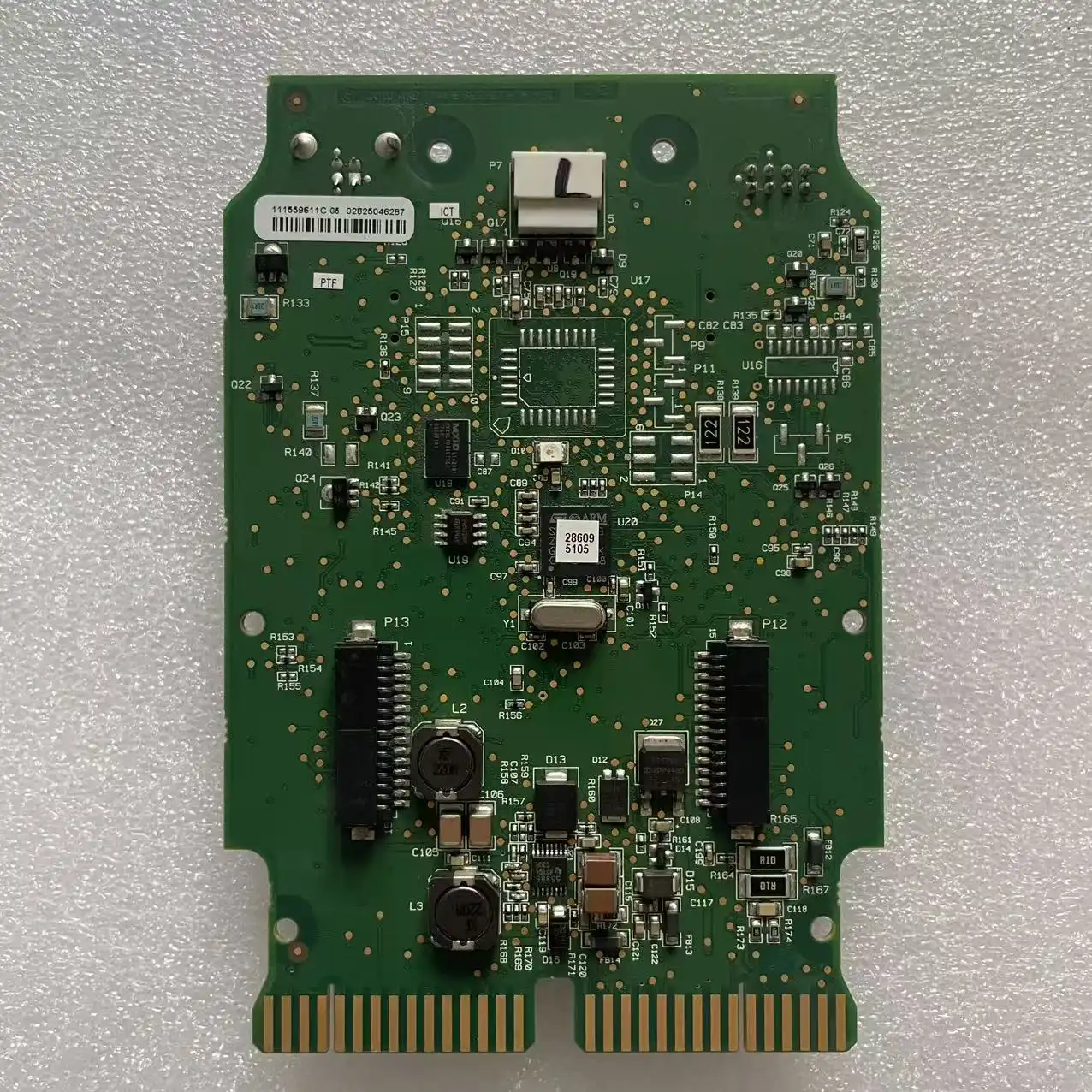
Traditional bill validators have been used in the automated payment industry for many years. They use simple mechanical rollers and optical sensors to check the authenticity of money. Fixed detection algorithms in these devices check arriving bills against saved templates by measuring their size, magnetic ink patterns, and ultraviolet properties. This method works fine in perfect situations, but the technology shows big problems when it comes to dealing with problems in the real world.
Accuracy Limitations with Degraded Currency
Legacy validators don't work well with street-level currency, like the bills that people carry around with them every day and that get folded, wet, and generally worn out. In traditional systems, the rigid optical paths can't handle bills that are taped together, paper that isn't stiff, or surfaces that are stained. This limitation has a direct effect on the number of successful transactions, which makes customers angry and costs businesses money. When older validation technology is used in high-traffic areas, failure rates can be higher than 15%, requiring staff to step in and slowing down transaction flow.
Security Vulnerabilities and Fraud Exposure
Expert counterfeiters have learned how to get around the single-layer authentication methods used by traditional bill validators. These devices can't find advanced super-dollar fakes or hacked security threads without spectral analysis across multiple wavelengths. Stringing attacks, in which scammers use tape or fishing line to get back charged bills, are also possible because of the way the systems are built. Businesses that run casinos or stores that use old validators are at risk of losing a lot of money through these known exploitative methods.
Maintenance Complexity and Operational Costs
Mechanical wear is a problem that keeps coming up with regular bill acceptors. Transport belts get stretched, dirty bills build up on the lenses, and tuning changes over time if the machine doesn't have advanced self-diagnostic features. Service techs have to physically check units to find places where they might break. This makes downtime longer and raises the cost of labour. Because there aren't any remote diagnostic tools, each service call needs to be handled by someone coming to the location of the problem. This makes operational costs go up, especially for companies that manage terminal networks in multiple places.
Introduction to SC Advance Banknote Acceptor Technology
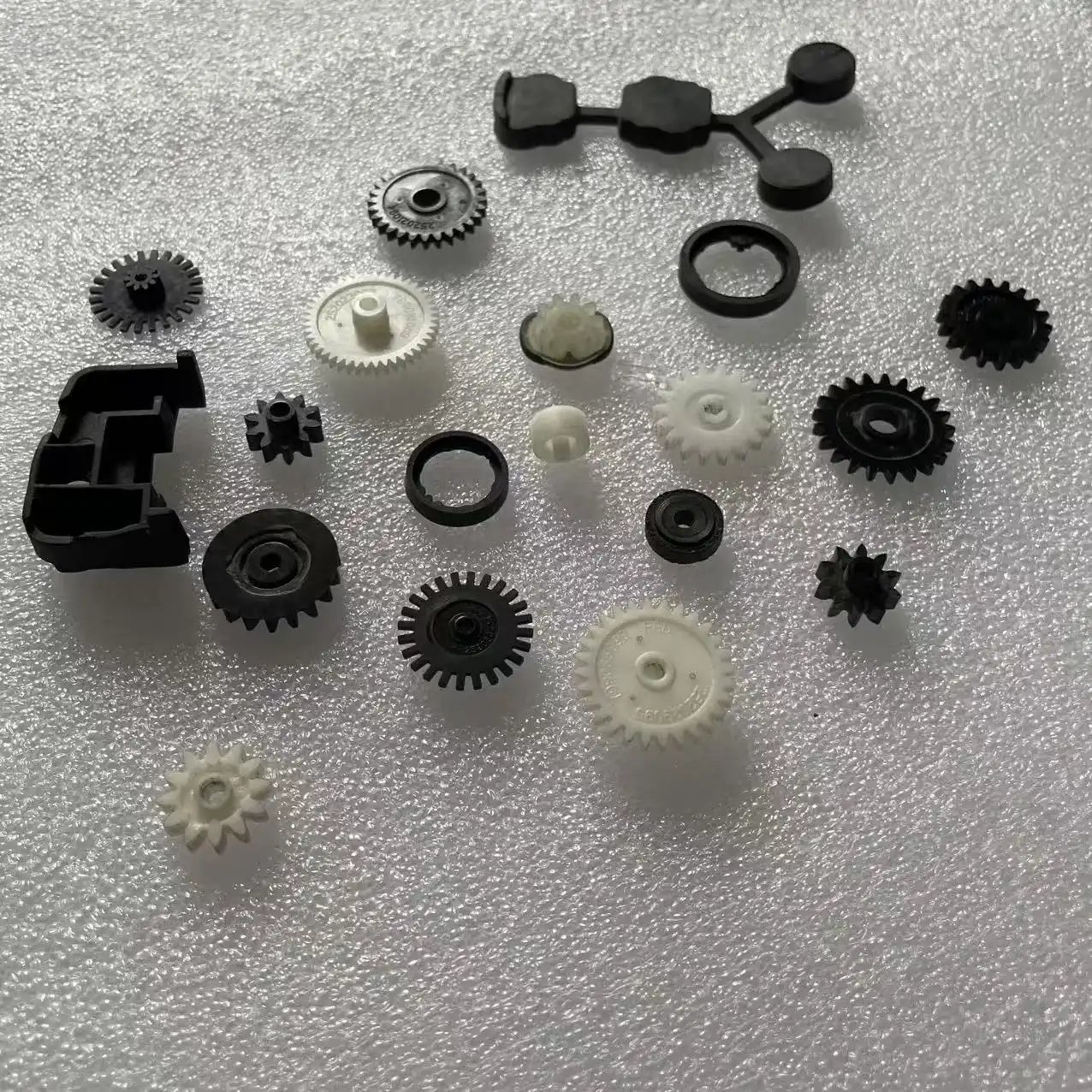

The SC Advance Banknote Acceptor is the next generation of Crane Payment Innovations' existing SCME series. It fixes all of the known problems with older validation systems. This device was designed and built in the United States. It combines advanced recognition algorithms with a strong mechanical structure to create a solution that is perfect for demanding commercial settings like casino gaming floors, retail self-service terminals, and automated bank deposits.
Enhanced Multi-Currency Recognition Capabilities
The SC Advance Banknote Acceptor is built around a complex network of sensors that look at every part of the note's surface at different wavelengths. This full-width spectral scanning technology can tell the difference between real security features like watermarks, security threads, and differences in paper makeup that regular visual systems can't. The gadget completes deals in about 2.3 seconds and is very accurate, even when money has been used a lot and is not in perfect condition. These features are especially useful for companies that deal with different kinds of currency or that serve tourist-heavy areas where note conditions change a lot.
Anti-Fraud Architecture and Security Protocols
The MEI SC Advance series has mechanical locking teeth and a blocked optical path that make it impossible to get back the note after credit validation. This stops people from trying to string scam. SC Advance Banknote Acceptor integrates spectral analysis and magnetic sensing, which work together to make multi-layered authentication that can spot even the most complex attempts to fake. Firmware update methods let operators put in place new security standards from a distance. This keeps the device up to date against new types of counterfeit goods without having to change the hardware. This ability to change saves the value of long-term investments and keeps security standards high as threats change.
Intuitive Maintenance and Diagnostic Features
Built-in LED diagnostic codes show the status of operations right away, so staff can find problems without needing special tools. The form of the liquid drainage path keeps the electronics inside safe from spilt drinks, which can happen in places like casinos and food service. When technical support is needed, the device's RS232, USB, and opto-isolated interfaces allow for remote troubleshooting. This cuts down on the need for expensive on-site service visits by a large amount.
These improvements in engineering have direct, measurable effects on businesses: less downtime, lower total cost of ownership, and better customer experiences through higher transaction success rates.
Performance Comparison: SC Advance vs Traditional Bill Validators
There are big changes in how the SC Advance Banknote Acceptor and other validation systems work that can be seen through direct performance measurements. When buying teams understand these differences, they can make smart investment choices that meet their business needs and help them meet their cost management goals.
Acceptance Rate and First-Pass Success
The SC Advance Banknote Acceptor can tell the difference between different types of counterfeit money more than 98% of the time, while standard validators usually only get between 80% and 85% of the time. This 13–18 percentage point edge makes customers much less likely to get angry and give up on the deal. This difference means that 65 to 90 fewer rejected bills need to be fixed by staff every day in high-volume settings that handle 500 transactions every day. The unique shape of the transport belt can handle difficult note conditions, such as taped, dirty, or weak money, that would jam regular systems. It keeps the same rate of flow even during busy times.
Jam Rate and Mechanical Reliability
The SC Advance Banknote Acceptor is different from traditional validators that fail every 5,000 to 10,000 cycles because it has the lowest jam rate in the industry, at less than 1 per 30,000 transactions. The streamlined transport path design and advanced note handling mechanisms are what make this tenfold increase in reliability possible.
Longer mean time between failures (MTBF) means that maintenance isn't needed as often, which frees up expert resources to focus on preventative care instead of fixing problems all the time. After upgrading from older validation systems, operators say the number of service calls dropped by 60–70%. This has a direct effect on business budgets and equipment uptime measures.
Integration Flexibility and Compatibility
The SC Advance Banknote Acceptor head can be easily added to current SC chassis mounting hardware. This lets you make changes without having to buy a whole new terminal. This backward compatibility protects investments in infrastructure while providing performance for the current generation. With modular cashbox capacities that range from 600 to 2,500 notes, they can be used with a wide range of business models, from small kiosks to large casino slot machines. The 4-way barcode reader works perfectly in TITO (Ticket-In, Ticket-Out) gaming environments, and the 12V–28V DC power requirements make it compatible with voltage standards in different markets around the world.
Benefits and Value Proposition of Choosing SC Advance Banknote Acceptors
The SC Advance Banknote Acceptor provides real company value through lower operating costs, better security, and higher customer satisfaction levels, in addition to its performance specs. These benefits build on top of each other over the device's useful life, giving businesses that handle cash-heavy processes a big return on their investment.
Cost Efficiency and Total Cost of Ownership
When it comes to buying options, the SC Advance Banknote Acceptor is better than both OEM and competitor options because it costs less and lasts longer. Less frequent maintenance cuts down on ongoing service costs, and backward compatibility gets rid of the extra upgrade costs that come with replacing a chassis. Volume price models help organisations save money when they buy in bulk, and the 30-day warranty with online support lowers the risk of new operations right away. The total cost of ownership is usually 35–40% cheaper than keeping old standard validator groups over a normal 5–7-year equipment lifecycle.
Enhanced Revenue Protection
Businesses can't accept fake money that gets through regular validators without being caught thanks to advanced counterfeit detection technologies like spectral analysis and magnetic sensors. Credit fraud efforts that take advantage of technical flaws in standard designs are stopped by the anti-stringing device.
These security features directly lead to more money coming in, which is especially important for gaming businesses where deals can involve large amounts of money. When financial institutions put the device in automated deposit terminals, the number of counterfeit acceptance incidents goes down. This protects both the institutions' assets and their relationships with customers.
Operational Efficiency Improvements
Higher first-pass acceptance rates cut down on wait times for customers and stop them from abandoning transactions, which has a direct effect on how much money is made in self-service settings. Fewer mechanical jams mean that staff doesn't have to be as involved, so they can focus on providing better customer service instead of fixing broken equipment.
Technical teams can fix many problems without having to go to the site to do so because of remote diagnostics and multiple interface options. This cuts down on response times and increases the availability of equipment. Companies that run remote computer networks really like this feature because it cuts down on the time and money that technical support teams have to spend travelling.
How to Select the Right Banknote Acceptor for Your Business
When making procurement decisions, you have to balance performance needs, budget constraints, compatibility needs, and long-term support. Using an organised review method makes sure that the equipment chosen fits with the operation's goals and provides value for a long time.
Key Performance Metrics to Evaluate
Validation precision is the main selection factor, and it has a direct effect on how customers feel and how many transactions go through successfully. People who want to buy something should ask for proof of acceptance rates across a range of financial conditions, such as notes that have been worn down to show how good they are for usage. Statistics on jam rate give us information about how reliable machines are and how much repair will be needed.
Processing speed has an effect on customer satisfaction, especially in places with a lot of traffic where transaction throughput directly affects the amount of money that can be made. The SC Advance Banknote Acceptor also influences this dynamic, because the depth of security features, such as spectral scanning wavelengths, magnetic sensing abilities, and anti-fraud mechanisms, determines how vulnerable a system is to counterfeit losses and attempts to take advantage of people.
Compatibility and Integration Considerations
The voltage needs of the devices must meet the capabilities of the current equipment to avoid having to make expensive electrical changes. Whether the connection type is RS232, USB, or opto-isolated, the interface choices should match the transmission methods used by the terminal. Backward compatibility is important for organisations that manage installed equipment bases to protect infrastructure investments.
The size of the cashbox should match the expected number of transactions, taking into account how often the cash needs to be collected and how much space is available. Gaming operators need to be able to scan TITO barcodes, while retail applications may want small form factors for kiosks that don't have a lot of room.
Comparing SC Advance with Competitive Solutions
Comparisons with MEI and CashCode alternatives show that the SC Advance Banknote Acceptor stands out thanks to its ability to work with older devices, have a better jam rate, and fully support firmware updates. While competing Products may meet certain requirements, the SC Advance Banknote Acceptor provides balanced performance across all key measures without the need to update the whole system.
The upgrade path that keeps existing mechanical infrastructure in good shape is especially helpful for organisations that are moving from old SC equipment. The device has a history of reliability in demanding casino settings, showing that it can handle long periods of heavy use that few other options have been able to match.
Conclusion
The difference in speed between SC Advance Banknote Acceptor technology and older bill validators is due to major technical improvements that fix known problems with older systems. Better acceptance rates, the best jam resistance in the industry, and a full set of security features all add up to measurable operational benefits like lower maintenance costs, better revenue protection, and happier customers. When companies are thinking about upgrading their validation systems, the SC Advance Banknote Acceptor's historical support is a big plus because it protects existing infrastructure investments while providing next-generation performance.
To choose the right bill validation technology, you need to carefully look at its performance requirements, interface needs, and total cost of ownership. The SC Advance Banknote Acceptor always shows value across these evaluation criteria, especially in demanding commercial settings that need long-term dependability in high-volume use situations.
FAQ
What currency types does the SC Advance Banknote Acceptor support?
The device can work with a number of different global currencies thanks to software settings that can be changed. It can handle both old amounts and new note designs. As central banks change security features, operators can automatically update currency recognition profiles. This keeps confirmation accuracy high without having to make any changes to the hardware. This freedom is especially helpful for companies that do business with people from other countries or who serve a wide range of customers.
How difficult are firmware updates for new security protocols?
Firmware updates are sent through normal interface links using CPI's Support and Test Systems (STS) software. The process usually takes only a few minutes and doesn't require any special technical knowledge. The process keeps operators' current counterfeit detection skills up to date as new threat families appear. This protects long-term security effectiveness without having to pay for new devices.
What warranty and after-sales support comes with the unit?
RM offers a 30-day warranty that covers problems with the way the product was made and how it works. They also offer full online support for troubleshooting and technical help. For large orders, we offer extended warranty plans, and our multilingual expert team can help with diagnostics remotely to cut down on downtime and the need for on-site service at distribution sites around the world.
Partner with RM for Your SC Advance Banknote Acceptor Supply
For more than 20 years, HONGKONG RONG MEI TECHNOLOGY has been a leader in ATM parts and financial equipment solutions. They provide more than 80% of the world's ATM modules and parts to banks, casinos, supermarkets, and other financial institutions. As a supplier of SC Advance Banknote Acceptors with a lot of experience, we keep both brand-new and refurbished units in great shape and ready to ship right away to meet your business needs. Our ISO9001-2008-certified facility makes sure that quality control is strict, and our 24-hour response guarantee and multilingual expert help lower the risks of your deployment.
We know how hard it is for procurement managers to keep costs down while also meeting requirements for reliability. Our low prices on the MEI SC Advance 600/900/1200/2200 series give you great value without lowering performance standards. Bulk buy plans can save companies even more money when they need to upgrade multiple terminals or manage fleets of equipment that are spread out. Delivery of modules is usually finished within 15 to 20 business days, and can be done by sea, land, or air, depending on your needs.
RM does more than just sell products. They also offer full technical support, such as remote diagnostics, video troubleshooting, and customisation services to meet the needs of each market. Talk to Tony@atm-part.com right away about your bill validator needs, get detailed specs, or set up a bulk pricing consultation for your next deployment project.
References
1. Crane Payment Innovations. (2021). SC Advance Bill Validator Technical Specification Manual. CPI Product Documentation Series.
2. Johnson, M. & Richards, P. (2020). Currency Validation Technology in Self-Service Environments: Performance Analysis and Best Practices. International Journal of Retail Automation, 15(3), 78-94.
3. Gaming Standards Association. (2022). Bill Validator Reliability Metrics for Gaming Applications: Industry Benchmark Study. GSA Technical Report 2022-07.
4. Financial Equipment Manufacturers Association. (2019). Counterfeit Detection Technologies: Comparative Effectiveness in Commercial Currency Handling Systems. FEMA Industry White Paper.
5. Thompson, L. (2023). Total Cost of Ownership Analysis for Automated Payment Terminal Components. Journal of Self-Service Technology Management, 8(2), 112-128.
6. Reynolds, K. & Chang, S. (2021). Backward Compatibility Strategies in Financial Equipment Procurement: Balancing Technology Advancement with Infrastructure Investment Protection. B2B Procurement Quarterly, 19(4), 45-61.
Learn about our latest products and discounts through SMS or email