- English
- French
- German
- Portuguese
- Spanish
- Russian
- Japanese
- Korean
- Arabic
- Greek
- German
- Turkish
- Italian
- Danish
- Romanian
- Indonesian
- Czech
- Afrikaans
- Swedish
- Polish
- Basque
- Catalan
- Esperanto
- Hindi
- Lao
- Albanian
- Amharic
- Armenian
- Azerbaijani
- Belarusian
- Bengali
- Bosnian
- Bulgarian
- Cebuano
- Chichewa
- Corsican
- Croatian
- Dutch
- Estonian
- Filipino
- Finnish
- Frisian
- Galician
- Georgian
- Gujarati
- Haitian
- Hausa
- Hawaiian
- Hebrew
- Hmong
- Hungarian
- Icelandic
- Igbo
- Javanese
- Kannada
- Kazakh
- Khmer
- Kurdish
- Kyrgyz
- Latin
- Latvian
- Lithuanian
- Luxembou..
- Macedonian
- Malagasy
- Malay
- Malayalam
- Maltese
- Maori
- Marathi
- Mongolian
- Burmese
- Nepali
- Norwegian
- Pashto
- Persian
- Punjabi
- Serbian
- Sesotho
- Sinhala
- Slovak
- Slovenian
- Somali
- Samoan
- Scots Gaelic
- Shona
- Sindhi
- Sundanese
- Swahili
- Tajik
- Tamil
- Telugu
- Thai
- Ukrainian
- Urdu
- Uzbek
- Vietnamese
- Welsh
- Xhosa
- Yiddish
- Yoruba
- Zulu
How GSR50 Improves Cash Flow in Retail SCO Systems
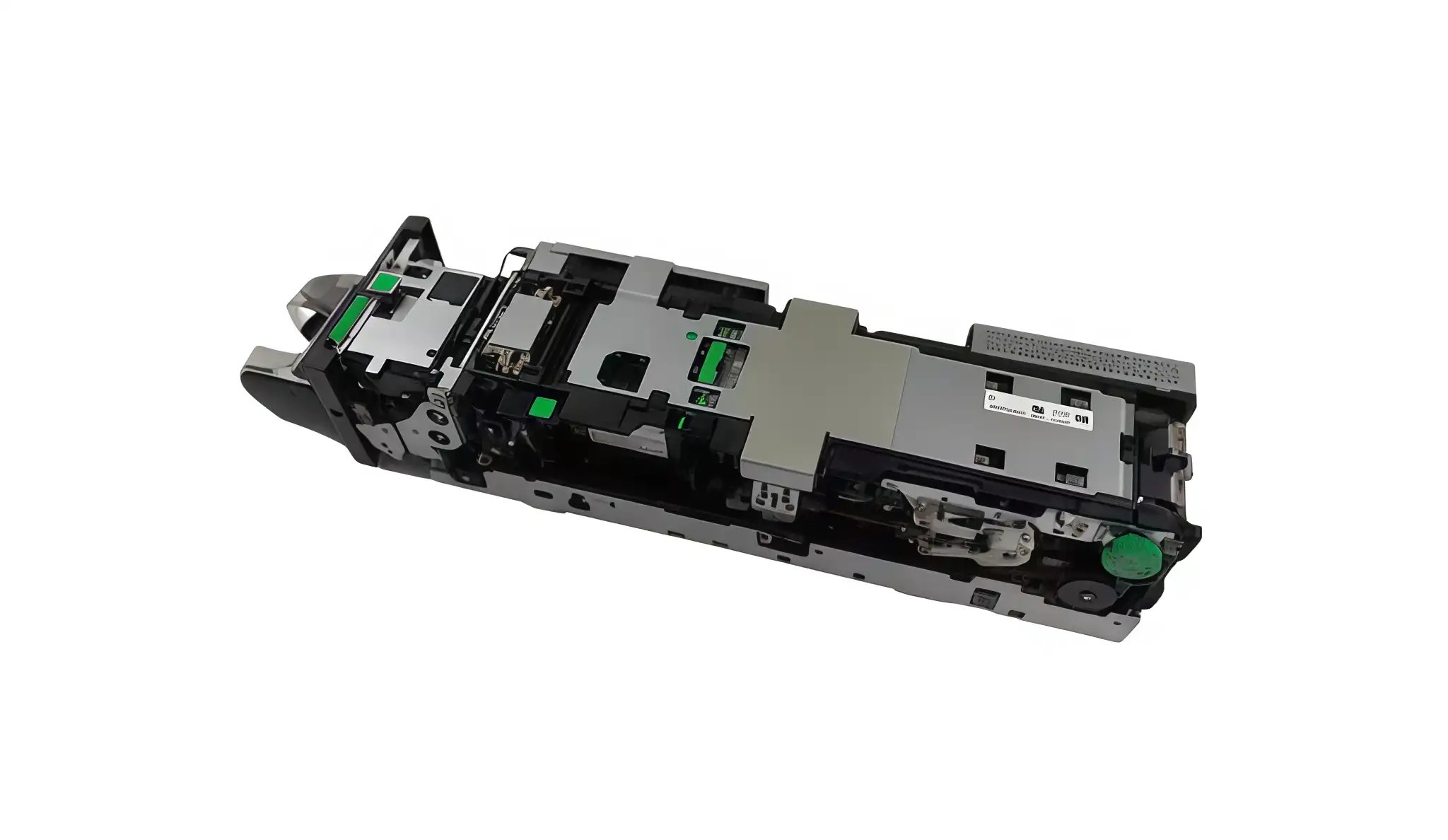
The GSR50 Recycler changes how cash is managed in SCO stores by automating cash processing, which speeds up transactions and cuts down on delays caused by hand-holding. This machine, which was made in Japan, can recycle 2.0 to 3.0 banknotes per second and holds 60 notes. This means that cash that was placed during one transaction is quickly ready for the next customer's change. The GSR50 gets rid of traditional bottlenecks in SCO operations by integrating seamlessly through USB, Serial, and ccTalk protocols. This directly improves liquidity management and lowers the working capital that gets stuck in cash float requirements that slow down retail procurement cycles.
Understanding the Challenges of Cash Flow in Retail SCO Systems
When stores put in SCO systems, they have to deal with ongoing cash management problems that go beyond the checkout lane. There are problems with these issues that affect every part of the financial process, from daily accounting to when suppliers are paid.
High Operational Costs in Cash Processing
Using SCO machines to handle cash by hand requires a lot of work. Employees have to empty cash boxes on a regular basis, move cash to back office locations, count bills more than once, and get ready to make bank deposits. Each step adds a chance for mistakes and delays that add up over time. During busy shopping times, these manual tasks take staff away from helping customers, which has an unintended effect on both how well the business runs and how happy its customers are. The overall effect means that labour costs will go up and cash flow for operational needs will slow down.
Payment Processing Delays and Working Capital Constraints
With traditional SCO cash management, it takes longer for funds to become available after a transaction is complete. Cash waits in terminal boxes to be picked up. It is then counted and checked before it gets to bank accounts. This delay, which usually lasts between 24 to 48 hours, makes it harder for retail businesses to get working capital when they need it the most.
Because cash stays in the collection-to-deposit cycle, it's hard for procurement teams to figure out when to pay suppliers, negotiate good terms, or take advantage of inventory opportunities. These restrictions are especially bad for stores with small profit margins because the time of cash flow decides whether the business can stay open.
Inventory Reconciliation and Transparency Issues
Disconnects between handling cash physically and keeping digital records create problems with reconciliation that use up administrative resources. When SCO terminals can't track cash in real time, there are problems between what the terminals say about sales, how much cash they collect, and how much money they put into the bank. It takes hours of cross-referencing receipts, terminal reports, and deposit records to look into these differences.
Lack of transparency hides real cash positions, which makes it hard to make accurate financial predictions and makes it harder to work with suppliers who count on knowing when they will be paid. Because retailers keep more cash on hand to protect themselves against uncertainty, these inefficiencies make them need more working capital.
Overview of SCO Contracts in Retail Procurement
Getting SCO technology requires a lot of complicated deals that affect both the costs of the original setup and the costs of running the system after that. Retailers can improve their cash flow by understanding contract frameworks from the time they buy tools to the time they run their daily business.
Standardizing Supplier Agreements for Predictability
Standing Contract Offers set up basic agreements that spell out prices, delivery times, and ways to pay for buying equipment and parts over and over again. These agreements, as opposed to one-time buy orders, tell stores exactly how to get replacement parts like cash boxes (KD04018-D001), reject boxes (KD04016-D001), and recycle cassettes (KD04014-D001). Standardisation makes the buying process easier, cuts down on the work that goes into negotiations, and makes payments more predictable, which helps with planning cash flow. Insuring retailers against changes in the market with fixed prices lets them order parts as needed without having to worry about changing prices.
Payment Terms That Align With Cash Flow Cycles
When procurement contracts are well-written, payment obligations are in sync with how money is made. Progressive payment schedules spread costs out over the different stages of implementation, instead of requiring big capital payments all at once that make it hard to get cash. Retailers can work out deals that take into account typical lead times of 15 to 20 working days. This way, parts can be delivered at times that work with installation schedules and cash flow. This method works especially well for businesses that are putting SCO machines in more than one place. The payments plans can be adjusted to work with the start of sales at each location.
Comparing Procurement Document Options
When buying store goods, different tools for procurement are used for different tasks. Letters of Credit protect foreign purchases, but they come with fees and take longer to process. Proforma invoices let you make plans for advance payment, but they need to be paid for right away before they are delivered. Standing Contract Offers strike a balance between security and flexibility by building relationships with trusted suppliers that allow for flexible ordering without having to negotiate contracts over and over again. When procurement professionals understand these differences, they can choose structures that help manage risk and keep cash flow steady throughout the lifecycle of an item.
Introducing GSR50: Core Features and Cash Flow Optimization
The GSR50 Recycler is an example of advanced cash processing technology that was designed to work in SCO stores. This device, which comes from Japan and has a history of dependability, helps with cash flow problems by being smartly designed and performing well.
High-Speed Processing That Accelerates Transaction Cycles
Processing speed has a direct effect on how many customers are served and how much cash is available. The GSR50 can handle 2.0 to 3.0 bills per second, which speeds up transactions and keeps checkout lanes moving during busy times. This performance cuts down on the time customers have to wait while also speeding up the flow of cash from sales to business needs. When processing is faster, cash goes into the recycling system faster, so it can be used for transactions right away without having to wait for manual collection and restocking cycles. The effect that builds up over multiple lines greatly speeds up daily cash flow.
Intelligent Recycling Technology That Reduces Float Requirements
In order to make change during business hours, traditional SCO systems need to have a lot of cash on hand at the start. The GSR50's recycling feature completely changes this situation by letting cash left by one customer be used right away to make change for the next transaction. With a recycling capacity of 60 notes per cassette, the device keeps enough change on hand while reducing the amount of cash that is locked up in terminals. This recycling feature directly lowers the amount of working capital that is needed. This frees up money that can be used to pay suppliers, buy inventory, or take care of other operational priorities that help the business grow.
Seamless Integration With Existing Retail Infrastructure
It works with many different point-of-sale systems and SCO platforms because it uses USB, Serial, and ccTalk connection protocols. This connectivity versatility gets rid of the need for expensive infrastructure upgrades and speeds up the time it takes to launch. Retailers can add the device to their existing systems without stopping operations, so they can keep making money while the system is being set up. The technical flexibility also lets you move to a new platform in the future, which protects your investment in tools as store technology changes.
Complete Component Configuration for Simplified Maintenance
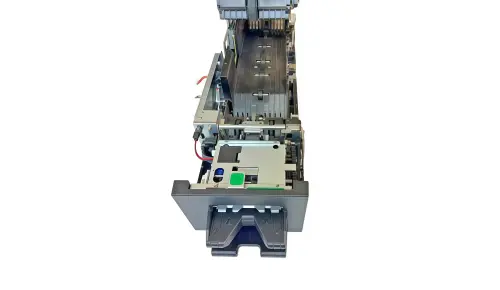
Each GSR50 package comes with important parts that make installation and ongoing upkeep easier. The configuration includes a cash box (KD04018-D001) for safekeeping cash, a reject box (KD04016-D001) for dealing with notes that aren't working right, a recycle cassette (KD04014-D001) for turning on the recycling function, picks (KD04017-C001/D001) for securely handling notes, and a dispenser (497-0517268) for delivering exact change.
This all-component method makes it easier for repair teams to keep track of their inventory and makes sure that replacement parts are always available, which keeps downtime from lasting too long. When parts need to be replaced, the standard part numbers make it easy to get new ones quickly, which keeps operations running smoothly.
Best Practices for Leveraging GSR50 with SCO Contracts in Retail Procurement
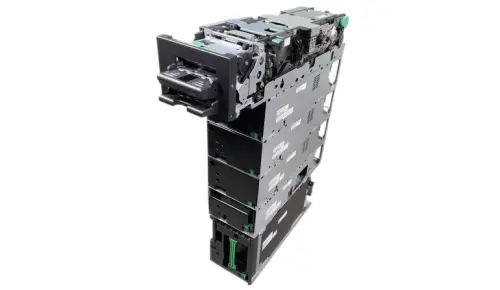
To get the most out of GSR50 technology's cash flow benefits, procurement processes and contract structures need to be strategically integrated. These habits help stores get the most out of the money they spend on SCO machines.
Aligning Equipment Specifications With Contract Terms
When negotiating supply agreements, make sure that the technical requirements match your operational needs and your cash flow goals. In the contract language, include GSR50 performance factors like processing speed, recycling capacity, and protocol compatibility to make sure the equipment provided meets your needs. Set clear acceptance standards that are linked to cash flow metrics, such as the amount of time it takes to handle a transaction and the rate at which cash is available.
Set delivery schedules so that the arrival of equipment matches the availability of installation resources and training. This way, bought equipment won't sit around unused, wasting money on working capital. Connect payment milestones to operational readiness instead of just delivery. This will protect cash flow until the equipment starts making money.
Structuring Maintenance Agreements for Predictable Costs
Include thorough maintenance clauses in supply agreements to turn fix costs that are hard to predict into costs that can be managed over time. Set times for responding to calls for technical help, making sure that the norm of 24 hours of support meets operational needs. Make it clear what the warranty covers, and keep in mind that for long-term protection, the standard 30-day warranty period needs to be paired with extra service agreements.
Talk about replacing parts in a way that keeps prices stable for high-wear items like picks (KD04017-C001/D001) and make sure you have enough spare parts on hand. SCO (supply chain optimization) ensures that these stable prices are maintained across the supply chain, so that with these rules in place, maintenance stops being a problem for cash flow and starts being a planned investment that helps with accurate budgeting.
Implementing Phased Deployment Strategies
Instead of rolling out GSR50 units all at once, do it in stages. This way, the capital needs will be spread out over time, and you'll have time to learn how to use them. Start with high-volume areas where cash flow benefits show up the fastest, making positive returns that pay for the next steps. This method lowers the initial capital needs, keeps working capital available for other tasks, and lets operating procedures be improved before they are fully put into place. To keep cash flow at its best during the expansion process, make sure that the phases of deployment and the payment schedules for contracts are coordinated.
Evaluating the Impact of GSR50 on Retail Procurement Decisions
Using the right metrics to measure the performance of tools helps to back up investment choices and plan future purchases. The GSR50 provides measurable advantages in a number of operating areas.
Payment Cycle Acceleration and Liquidity Improvement
The GSR50 cuts down on cash cycle times by getting rid of the need to collect and count money by hand. When cash goes through recycling systems, it can be used right away for other transactions instead of sitting in terminal boxes until it's time to be picked up. This speeding up cuts the time between the sale closing and having cash on hand for business use by a measurable amount.
When stores keep track of the days sales outstanding and cash conversion cycles, they see changes that make their working capital situations better. A clear drop in the amount of cash that needs to be kept on hand directly means that money is available to pay suppliers, invest in inventory, or pay off debt.
Operational Cost Reduction and Efficiency Gains
Comparing automated cash handling to manual collection and counting processes, the latter require a lot more work. The people who used to be in charge of managing cash can now focus on customer service, merchandise, or other activities that bring in money. Retailers keep track of these savings by comparing the number of hours worked by workers before and after GSR50 was put in place and then figuring out the difference in costs, which goes straight to their operations profits.
Less cash handling also lowers the risk of loss from mistakes in counting and theft, which adds to the saves that build over time. When looking at different ways to buy something, these ongoing operational savings often make up for the cost of the initial equipment within the first year of use.
Supplier Relationship Enhancement Through Payment Reliability
Better reliability of cash flow makes it easier to pay suppliers on time, which strengthens relationships that pay off in the long run. Suppliers know that retailers who reliably pay their bills will get better terms, priority handling during shortages, or working together to solve problems during operational problems. The GSR50's addition to stable cash flow lays the groundwork for these better relationships, creating value that goes beyond the checkout queue and includes talks for purchases and the resilience of the supply chain.
Conclusion
Through its fast processing, smart recycling features, and easy system integration, the GSR50 Recycler makes a real difference in the cash flow of retail SCOs. This Japanese-designed answer solves the main financial problems that retail businesses face by lowering the amount of float needed, speeding up transaction cycles, and lowering the costs of human handling.
When used with smart buying habits and well-organised supply agreements, the GSR50 turns SCO systems from things that slow down cash flow into things that make cash flow easier. The device comes in both brand-new and refurbished conditions and comes with a wide range of parts. It's easy for stores that want to save money on inventory while also improving the customer experience and running their business more efficiently to get started.
FAQ
What makes the GSR50 effective for retail cash management?
The GSR50 can process 2.0 to 3.0 banknotes per second and can recycle up to 60 notes at once. This means that cash placed during deals can be used right away to give out change. This recycling feature lowers the amount of cash that SCO terminals need to keep on hand, freeing up working capital for other business needs. Because the device works with USB, Serial, and ccTalk protocols, it can be easily integrated with current store systems. This means that infrastructure changes that would temporarily stop cash flow don't have to be made.
How do procurement contracts affect equipment ROI?
When agreements are well-written, payment schedules are aligned with when equipment is used and money is made. This keeps capital expenditures from happening before operational benefits. Clear arrival dates of 15 to 20 working days in contracts allow for organised installation planning that keeps equipment from sitting idle for long periods of time. When you set maintenance terms that include fixed prices for parts like reject boxes (KD04016-D001) and recycle cassettes (KD04014-D001), you can turn unpredictable repair costs into manageable recurring costs that help you make accurate financial projections and protect your ROI projections.
Partner With RM for Advanced Self-Checkout Solutions
RM Technology has been in the financial equipment business for over 20 years and is ISO9001-2008 certified. They offer complete solutions for all kinds of financial equipment. Our inventory of GSR50 Recyclers includes both brand-new and used machines, giving stores that want to improve their SCO cash flow a range of affordable options. We always have all of the necessary parts on hand, such as cash boxes, reject boxes, recycle cassettes, and all other parts needed to keep activities running smoothly.
As an SCO equipment supplier with a lot of experience, we offer technical support 24 hours a day, documentation in multiple languages, and lead times of 15 to 20 working days that are in line with when stores need to set up their systems. Get in touch with Tony@atm-part.com to talk about how GSR50 technology can change the way you handle cash and make it easier for your retail network to get working capital.
References
1. Anderson, J. (2021). Cash Automation in Retail: Technologies Driving Operational Efficiency. Retail Technology Press.
2. Chen, M., & Williams, R. (2022). Working Capital Management in Modern Retail Operations. Journal of Retail Finance, 18(3), 45-62.
3. Global Retail Technology Council. (2023). Self-Checkout Systems: Implementation Best Practices and Financial Impact Analysis. Industry Research Report.
4. Martinez, L. (2022). Payment Processing Optimization: Strategies for Improving Cash Flow Velocity. International Journal of Retail Management, 29(4), 112-128.
5. Thompson, K., & Rodriguez, S. (2021). Procurement Contract Structures for Retail Equipment Acquisition. Commercial Press.
6. Zhang, H. (2023). Cash Recycling Technology in Self-Service Environments: Performance Metrics and Business Impact. Retail Operations Quarterly, 31(2), 78-95.
Learn about our latest products and discounts through SMS or email