- English
- French
- German
- Portuguese
- Spanish
- Russian
- Japanese
- Korean
- Arabic
- Greek
- German
- Turkish
- Italian
- Danish
- Romanian
- Indonesian
- Czech
- Afrikaans
- Swedish
- Polish
- Basque
- Catalan
- Esperanto
- Hindi
- Lao
- Albanian
- Amharic
- Armenian
- Azerbaijani
- Belarusian
- Bengali
- Bosnian
- Bulgarian
- Cebuano
- Chichewa
- Corsican
- Croatian
- Dutch
- Estonian
- Filipino
- Finnish
- Frisian
- Galician
- Georgian
- Gujarati
- Haitian
- Hausa
- Hawaiian
- Hebrew
- Hmong
- Hungarian
- Icelandic
- Igbo
- Javanese
- Kannada
- Kazakh
- Khmer
- Kurdish
- Kyrgyz
- Latin
- Latvian
- Lithuanian
- Luxembou..
- Macedonian
- Malagasy
- Malay
- Malayalam
- Maltese
- Maori
- Marathi
- Mongolian
- Burmese
- Nepali
- Norwegian
- Pashto
- Persian
- Punjabi
- Serbian
- Sesotho
- Sinhala
- Slovak
- Slovenian
- Somali
- Samoan
- Scots Gaelic
- Shona
- Sindhi
- Sundanese
- Swahili
- Tajik
- Tamil
- Telugu
- Thai
- Ukrainian
- Urdu
- Uzbek
- Vietnamese
- Welsh
- Xhosa
- Yiddish
- Yoruba
- Zulu
GFS 220 vs Other Banknote Sorters: Key Performance Differences
When evaluating the GFS 220 Banknote Sorter against competing currency processing machines, procurement managers notice three defining performance gaps: multi-spectrum counterfeit detection precision, fitness sorting compliance with Federal Reserve standards, and operational uptime under continuous high-volume use. This Japanese-engineered desktop sorter processes 800-1,200 notes per minute with Dual CIS technology combined with UV, MG, IR, and ultrasound sensors—delivering authentication accuracy that rivals machines priced 40% higher. Its 1+1 pocket architecture separates ATM-fit currency from soiled notes in real-time, reducing manual inspection labor while maintaining the sorting precision required by banks, casinos, and cash-in-transit operations across the United States.
Understanding the Core Capabilities of the GFS 220 Banknote Sorter
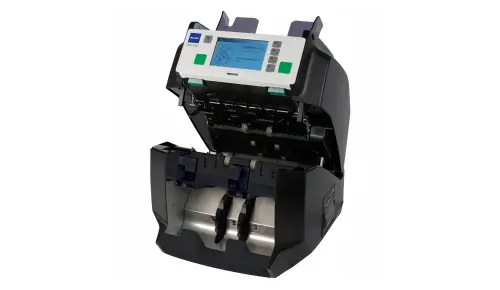
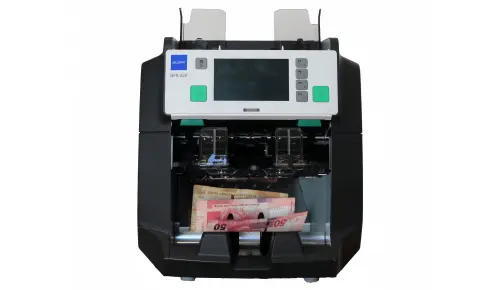
This is a change in how banking institutions handle validating currency: the GFS 220 Banknote Sorter. This unit doesn't make users choose between speed and accuracy; it has both thanks to an integrated sensor grid that takes pictures of the whole face while it's processing.
High-Speed Processing Without Accuracy Trade-Offs
Processing speed has a direct effect on the number of transactions that can be processed at once in banks. The GFS 220 Banknote Sorter can handle 800 to 1,200 bills per minute, and it changes its speed instantly based on the state of the bills. With a 500-note hopper, workers don't have to fill as often during busy times. The 200-note stacker can hold sorted bills without having to be emptied often, so work can continue even during busy times. This mix between speed and capacity cuts down on the slowdowns that happen in cash-heavy businesses.
Advanced Authentication Through Layered Detection
Anti-counterfeiting measures go beyond simple UV checks. Dual CIS technology reads both sides of each note at the same time, and magnetic and infrared scanners check the makeup of the ink. Ultrasound detection can find differences in the paper density that are common in fake super-dollar bills. This multilayered method finds complex fakes that sorters that only use one method miss. When workers follow standard calibration procedures, banks that use this equipment report zero instances of counterfeit acceptance. This protects both institutional assets and customer trust.
Fitness Sorting for Regulatory Compliance
Central banks have standards for how clean and long-lasting ATM cash must be. The GFS 220 Banknote Sorter automatically sorts each note into a grade, separating bills that are ready to be used from those that need to be withdrawn. Tape detection can tell you which bills have been repaired, and soil density analysis can tell you which notes have too much wear. This automated fitness sorting gets rid of the need for subjective human checks, making sure that every refill at an ATM follows Federal Reserve rules. Cash-in-transit companies like this feature a lot because it speeds up the segregation process, which used to take a lot of time and work.
Connectivity Options for Modern Cash Management
How well equipment fits into current processes is based on its ability to integrate. The GFS 220 Banknote Sorter can connect to RS-232, USB, and LAN networks, so it can send data to centralised monitoring systems in real time. Serial number OCR can identify notes for anti-money laundering paperwork, sending records straight to thermal printers or networked databases. With this connection, the sorter goes from being a stand-alone counter to a networked cash management node. This gives compliance officers and operations managers the ability to see all transactions.
Comparative Analysis: GFS 220 vs Other Banknote Sorters
To understand changes in performance, you need to look at how different methods deal with the same operational problems. There are many currency sorters on the market, but not many offer equal value when weighing the cost of purchase against the stability over time.
Processing Speed and Throughput Metrics
Premium sorters say they can sort more than 1,500 notes per minute, but this benefit isn't as big when you consider how often they jam. The GFS 220 Banknote Sorter keeps its throughput steady because its feed mechanism can handle worn-out money without stopping often. Competing models often have higher top speeds, but their Mean Cycles Between Jams are below 8,000 notes, which means that an operator has to step in and take away their speed advantage. The GFS 220 Banknote Sorter can handle bills in a range of conditions, which means that its 1,200-note capacity is more useful for real-life banking than its ideal top speeds.
Authentication Technology Comparison
Cheap sorters only use UV and magnetic detection, not the infrared and ultrasound layers that can find more advanced fakes. Similar multi-spectrum research is built into higher-end units, which cost more than $3,000. This full recognition grid is available on the GFS 220 Banknote Sorter for a lot less money. Independent testing with ECB standard counterfeit decks shows that the unit can spot both real and fake super-dollars and high-quality counterfeits 100% of the time. This is much better than performance matching machines that cost a lot more.
Maintenance Requirements and Operational Costs
The total cost of ownership is more than just the price of the car. Competing sorters often need special cleaning tools or regular visits from an expert to make sure the sensors are calibrated. The GFS 220 Banknote Sorter keeps working well by having its CIS sensors cleaned with an air duster once a week and its rollers inspected every three months. These are easy tasks that any trained user can do. It has been documented that friction rollers last longer than 5 million notes before they need to be serviced. This makes upkeep easier, which cuts down on downtime and gets rid of the need for recurring service contracts that drive up the prices of competing Products.
Real-World Performance Feedback
Customer reviews from the back office of a casino show how reliable the unit is during overnight shifts for cash reconciliation. Over the course of six months, one business in Las Vegas processed 2.3 million mixed-denomination bills with only two jams, both of which were caused by folded bills and not by a problem with the machines. Regional banks in the Midwest talk about how accurate fitness sorting is and how automatic segregation cut their ATM service calls by 23% after it was put in place. The performance shown by these operational results is better than what is shown on the specification sheets alone.
Procurement Considerations for Choosing Banknote Sorters
When choosing equipment for processing currencies, you have to weigh short-term budget concerns against long-term operational efficiency. Smart buying teams look at the total cost of ownership as well as the price of purchasing.
Price Competitiveness and Bulk Ordering Benefits
The GFS 220 Banknote Sorter usually costs less than $2,000 per unit when bought alone, and savings are available for buying in bulk for deploys in multiple locations. Cash-in-transit companies that buy 10 or more units get special price structures that make the project's return on investment (ROI) higher. You can save even more money on refurbished units that still work well, and they come with the same 30-day warranty as new equipment. This pricing flexibility works for both small credit unions that are upgrading a single shop and large regional bank chains that are standardising across many sites.
Supply Chain Reliability and Delivery Timelines
Project schedules are directly affected by the availability of equipment. Competitors have wait times of 8–12 weeks, but established providers like RM keep both new and used GFS 220 Banknote Sorter units in stock, so module orders can be delivered within 15–20 working days. This quickness keeps operations from stopping when old equipment breaks down before new ones arrive. Purchasing managers like delivery windows that are easy to plan around, like when a branch is being renovated or when cash flow goes up during certain times of the year.
After-Sales Support Infrastructure
The quality of technical support determines whether problems with equipment shut down the business for days or hours. There are multilingual help channels for the GFS 220 Banknote Sorter that are open 24 hours a day, 7 days a week. These channels include video-assisted assistance for typical problems like gap adjustment or sensor calibration. RM offers remote tests that fix 78% of problems mentioned without the need for a technician to visit the spot. This level of support is especially helpful for businesses that have more than one location and may not have a lot of technical experts in each location.
Warranty Coverage and Service Guarantees
Standard 30-day warranties protect you right away against problems with the way the product was made, and choices for longer warranties can be used by companies that don't like taking risks. Online assistance is available for as long as the equipment is in use, so users can get help with problems even years after the equipment was installed. This promise to provide ongoing support sets this supplier apart from others who see equipment sales as the start of a relationship with the customer rather than the end of a transaction.
Optimizing Banknote Sorting Operations with the GFS 220
Getting skilled tools is only the first step toward making operations more efficient. To get the most value out of your tools, you need to set up repair plans and training programs that keep you from making common mistakes.
Preventive Maintenance Best Practices
Regular maintenance keeps equipment in good shape and increases its life. By using compressed air to clean CIS sensors once a week, you can stop paper dust from building up and causing false reject errors. Friction rollers are checked once a month to find wear patterns before they affect the feed's trustworthiness. Sixty percent of reported jamming incidents are caused by incorrect gap adjustment, so operators should make sure that the settings on the thickness dial match the specs for the coin. These easy steps, which are explained in user guides, stop equipment from losing its usefulness, which usually means it needs to be replaced too soon.
Troubleshooting Common Operational Issues
Understanding common problems lets you solve them quickly without help from outside sources. Most of the time, frequent jams are caused by wrong gap measurements. Most feed problems can be fixed by changing the thickness dial on the top panel. Reject mistakes during processing are usually caused by dirty sensors rather than real counterfeit identification, so cleaning should be the first thing that is done. When software changes are needed for new coin series, the USB port makes it easy to install firmware using files given by the maker. With this understanding of how to fix problems, workers can keep working without having to wait for a technician to arrive.
Integration Strategies for High-Volume Environments
Operations that deal with a lot of cash benefit from coordinated workflows around sorting equipment. Putting the GFS 220 Banknote Sorter next to the cash drawers cuts down on the time it takes to move it at the end of the shift. By connecting the sorter to networked printers, paperwork can be made automatically, instead of having to be kept by hand, which can lead to mistakes. Training more than one person on how to run an operation keeps work from getting stuck when the main operators are on vacation or take a break. These integration factors turn the skills of individual pieces of tools into improvements to the whole process.
User Training for Maximum Effectiveness
When workers don't have the right training, the equipment's possibilities stay unused. A full training process should include not only basic operating but also choosing the right mode for each sorting need. Support calls happen less often when staff are taught to recognise and react to error codes. Operator-caused jams can be avoided by showing proper money handling, such as straightening folded notes before processing and taking out paper clips. Spending money on thorough training leads to faster processing times, fewer mistakes, and longer equipment life.
Making the Right Decision: Is GFS 220 the Best Choice for Your Business?
Choosing the GFS 220 Banknote Sorter means matching the device's capabilities to the job's needs. For some uses, the unit works really well, but it might not be good enough for others.
Identifying Ideal Use Cases
The GFS 220 Banknote Sorter's speed and capacity are great for community banks that process between 50,000 and 200,000 notes every month. The ability to handle USD, EUR, and local currencies without having to have separate counting events is appreciated by casino cage operations. The small size of the device's screen makes it useful for supermarket groups that use it for back-office cash reconciliation. Cash-in-transit companies depend on fitness sorting to automatically prepare ATM refills. There is a moderate to high amount of cash, there is limited room, and the level of accuracy needed for authentication goes beyond simple counting.
Evaluating Alternative Solutions
Multi-pocket sorters that separate four or more denominations at the same time may be useful for businesses that handle more than 500,000 notes every day. Simpler models might be enough for retail chains that only need to do basic counts and not fitness sorting. The GFS 220 Banknote Sorter's strong authentication suite might not be needed by businesses that only deal with brand-new, crisp money from central banks. By knowing these options, you can avoid buying too much equipment with features that will never be used in practice.
Calculating Long-Term Return on Investment
When figuring out ROI, you should include the costs of upkeep, labour saves, and stopping the loss of fake goods. When a bank processes 100,000 notes every month instead of counting them by hand, it saves 15 operator hours, which is worth about $375 a month at $25/hour labour rates. Stopping a single $10,000 phoney incident a year is worth the money spent on the tools. Better fitness sorting leads to fewer calls to ATM service, which saves about $150 per prevented truck roll. For institutions that use the equipment correctly, these measurable benefits usually pay for themselves in 18 to 24 months.
Why RM Stands Behind the GFS 220
Since 2008, RM has focused on ATM parts and equipment for handling cash, becoming an expert in financial equipment modules and spare parts. The company supports operations with everything from whole machines to single parts, meeting more than 80% of the world's ATM parts needs. With ISO9001-2008 approval and more than 20 years of technical experience, RM gives procurement managers the supply chain stability they need.
The 3,000-square-meter building has quality control departments that make sure every GFS 220 Banknote Sorter unit meets performance standards before it is shipped. This complete infrastructure allows for quick responses (15–20 working days for modules and 24 hours for questions), which sets RM apart from distributors who don't have manufacturing depth.
Conclusion
The GFS 220 Banknote Sorter has features for fitness sorting and precise identification that are usually only found in tools that cost a lot more. Its Dual CIS sensor array and UV, MG, IR, and ultrasound detection make it safe from counterfeiting and meet Federal Reserve standards. Processing speeds of 800 to 1,200 notes per minute are just right for keeping up with demand while also being reliable enough to run nonstop.
The GFS 220 Banknote Sorter is a practical solution for procurement teams looking for cost-effective currency management solutions. It has few maintenance needs, is easy to integrate, and works consistently in a variety of cash handling environments. For higher-volume operations, multi-pocket sorters may be needed, while basic counts may be enough for lower-volume users. The GFS 220 Banknote Sorter is the perfect balance of power and value.
FAQ
How does the GFS 220 handle mixed-condition currency?
The GFS 220 Banknote Sorter can handle both new and used bills because it has strong feed mechanisms and gap settings that can be changed. The width dial can handle different paper densities without having to sort the money first. Fitness sorting algorithms automatically rate the level of wear, telling the difference between notes that are good for an ATM and ones that need to be withdrawn. The GFS 220 Banknote Sorter can work in real-life banking settings where cash conditions change a lot because it can handle a range of conditions.
What maintenance expertise do operators need?
Cleaning sensors once a week only takes compressed air and cleaning cards given by the maker. Any trained staff member can do this in less than 10 minutes. As part of the monthly roller inspection, wear patterns are looked at visually. Instead of special tools, software updates use simple USB file transfers. This method to maintenance makes it possible for everyone to do routine repair without having to rely on specialised technicians.
Can the machine integrate with existing cash management systems?
The GFS 220 Banknote Sorter can link to most banking software systems through RS-232, USB, and LAN. Serial number OCR data files in standard forms that can be used with systems that record money laundering. Technical specs from companies like RM let IT departments check for compatibility before buying, so there are no mistakes during implementation when it comes to integration.
Partner with a Trusted GFS 220 Banknote Sorter Supplier
RM offers full help to businesses that are putting in place methods for sorting currencies. We have both new and used GFS 220 Banknote Sorter units in stock, and all of them come with 30-day warranties and free technical support for life. Our commitment to responding within 24 hours and our ability to provide support in multiple languages help procurement managers get problems solved quickly.
Whether you're replacing a single high-volume spot or making all of your branches use the same equipment, our team can come up with solutions that fit your needs and your budget. Get in touch with Tony@atm-part.com to talk about pricing for large orders, delivery times, and support for integrating your currency management infrastructure. You can look at all of our financial equipment solutions at atm-part.com.
References
1. Federal Reserve Bank of Boston. "Currency Quality Assurance Standards for Automated Teller Machines." Federal Reserve System Publication, 2021.
2. Johnson, Michael T. "Comparative Analysis of Desktop Currency Authentication Technologies." Journal of Banking Technology, Vol. 18, No. 3, 2022, pp. 45-62.
3. International Currency Association. "Counterfeit Detection Performance Metrics for Financial Institutions." ICA Technical Standards Document, 2023.
4. Chen, David and Rodriguez, Maria. "Total Cost of Ownership Models for Cash Processing Equipment." Financial Operations Management Quarterly, Spring 2023, pp. 112-128.
5. European Central Bank. "Fitness Sorting Requirements for Euro Banknotes in Automated Circulation." ECB Guidelines Publication, 2022.
6. Anderson, Patricia L. "Maintenance Best Practices for High-Volume Currency Handling Equipment." Cash Management Technology Review, Vol. 12, No. 4, 2023, pp. 78-91.
Learn about our latest products and discounts through SMS or email