- English
- French
- German
- Portuguese
- Spanish
- Russian
- Japanese
- Korean
- Arabic
- Greek
- German
- Turkish
- Italian
- Danish
- Romanian
- Indonesian
- Czech
- Afrikaans
- Swedish
- Polish
- Basque
- Catalan
- Esperanto
- Hindi
- Lao
- Albanian
- Amharic
- Armenian
- Azerbaijani
- Belarusian
- Bengali
- Bosnian
- Bulgarian
- Cebuano
- Chichewa
- Corsican
- Croatian
- Dutch
- Estonian
- Filipino
- Finnish
- Frisian
- Galician
- Georgian
- Gujarati
- Haitian
- Hausa
- Hawaiian
- Hebrew
- Hmong
- Hungarian
- Icelandic
- Igbo
- Javanese
- Kannada
- Kazakh
- Khmer
- Kurdish
- Kyrgyz
- Latin
- Latvian
- Lithuanian
- Luxembou..
- Macedonian
- Malagasy
- Malay
- Malayalam
- Maltese
- Maori
- Marathi
- Mongolian
- Burmese
- Nepali
- Norwegian
- Pashto
- Persian
- Punjabi
- Serbian
- Sesotho
- Sinhala
- Slovak
- Slovenian
- Somali
- Samoan
- Scots Gaelic
- Shona
- Sindhi
- Sundanese
- Swahili
- Tajik
- Tamil
- Telugu
- Thai
- Ukrainian
- Urdu
- Uzbek
- Vietnamese
- Welsh
- Xhosa
- Yiddish
- Yoruba
- Zulu
OEM NMD50 Cassette Manufacturing Guide for Buyers
When sourcing reliable ATM cash dispensing components, understanding the OEM NMD50 Cassette becomes essential for procurement professionals managing Glory ATM systems. This banknote storage and dispensing module serves as the critical interface between physical currency storage and friction-pick mechanisms, directly impacting uptime and transaction success rates.
Built with precision-calibrated internal pressure plates and adjustable rail systems, the NMD50 cassette addresses common industry challenges like note skew and double-feed errors that frequently cause service interruptions. This guide walks you through technical specifications, operational mechanics, procurement strategies, and supplier evaluation criteria to help you make informed purchasing decisions that balance cost efficiency with operational reliability.
Understanding the OEM NMD50 Cassette: Product Overview and Technical Specs
Core Functionality and Design Architecture
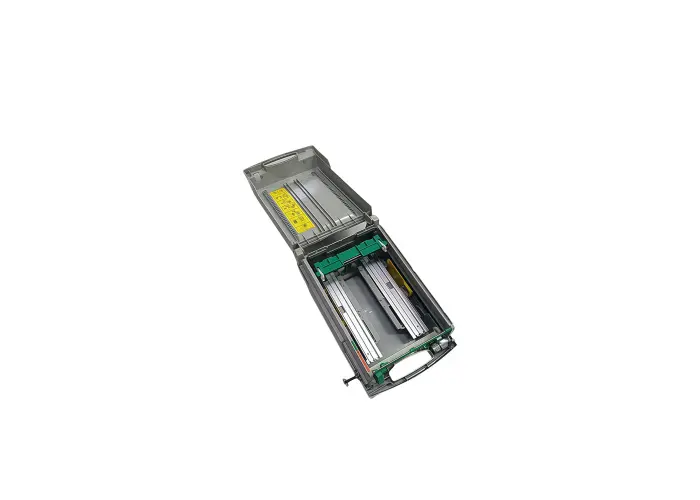
The OEM NMD50 Cassette is a professional-grade solution made just for Glory ATM platforms. It combines a number of precise parts into a system that works well together. The main assembly (Part Number 1038242), which holds the whole cash holding device, is at the center of it. This part works with the NC301 series parts, like the plastic money pushing plate part (A007490) that keeps the notes in the same place and the swing arm (A007726) that controls how the bills move during dispensing cycles.
These cassettes are made at our factory in Shenzhen, which has 3000 square meters of dedicated production space and uses ISO9001-2008-certified methods. The internal design has security locks and key-lock interfaces that make it impossible to change. These keep cash management safe from adding money to the CIT to giving out the last bill. Each cassette has width-adjustable clips (A006869-04) that can fit different-sized bills. This means that the unit can be used in situations where more than one cash is needed.
Technical Specifications and Material Composition
Industrial-grade materials designed for long-lasting use are used to make the tape. The base platform has a black sheet bottom plate (A006725) that makes the structure rigid and protects it from environmental stress. The connection hardware (A004366) and rotation control rods (A004394/A004393) are made from alloys that don't rust and keep their shape even when the temperature changes, which can happen in both climate-controlled bank branches and outdoor kiosks.
Drive parts have 14-tooth D-shaped gate gears (A007938/A008360) that connect to the motor assembly of the dispenser and transfer rotational force with little backlash. The clutch system parts (A006902/A004358) limit the force in a controlled way, which keeps the cassette and conveyor mechanism from getting damaged when they get stuck. The plastic sleeve support hardware (A009393) keeps the internal wiring organised, and the cable management clips (A007387) stop vibrations from causing wear during high-volume use.
Compatibility and Integration Parameters
The Glory NMD50 series dispensers work well with this cash cassette, and it fits right in with the current system without needing any chassis modifications. For accurate note recognition, the cover plate (A006676) keeps precise limits that make sure it fits correctly with the dispenser throat. The switch baffle (A004184), on the other hand, makes sure that the sensor is placed correctly. Dimensional standards kept during production keep the internal guides straight within a range of 0.5 mm. This stops note skew, which often leads to transaction failures.
Maintenance teams can change parts like the spring cap (A006869-02) or connecting arm without having to throw away the whole unit because the modular design lets them service each component separately. This serviceability lowers the total cost of ownership and cuts down on stocking needs because workers can keep key wear parts on hand instead of whole cassette replacements.
How the OEM NMD50 Cassette Works and Its Benefits
Operational Mechanism Breakdown
The functions and advantages of the OEM NMD50 Cassette begin when the ATM driver starts a cash transaction, triggering the cassette's internal mechanisms. This starts the dispensing process. The money pushing plate puts measured pressure on the stack of notes, moving bills toward the pick rollers with the same amount of force across the whole capacity range of the cassette. As the notes run out, the spring-loaded pressure plate changes itself automatically to keep the best contact pressure. This stops both fail-to-pick mistakes caused by not enough pressure and double-feed errors caused by too much force.
When the notes get to the delivery position, the swing arm moves the bills into the throat, where friction rollers separate the notes and move them around. The timing of the arm movements is controlled by the rotation control rods. This makes sure that each note clears the cassette before the next bill moves forward. This coordinated action, which is made possible by the sensor inputs on the switch baffle, separates a single note reliably even when the bills are worn, made of polymer, or of different values.
Core Advantages for Financial Institutions
The main benefit is better dependability. Our precision-engineered parts almost completely get rid of note skew and double-feed errors, which cause about 60% of ATM service calls. Because of this, servicing costs go down because fewer technicians have to be sent out and more transactions go through successfully. Banks with networks of 50 or more ATMs say that using quality tapes instead of generic ones cuts repair costs by more than 30% per year.
Faster transaction processing and fewer cash-out situations make operations more efficient. The cassette's optimised feed shape works well with different note qualities and can handle the street-level cash that is popular in stores where bills are used a lot. This adaptability is especially useful for placing ATMs outside of banks, like in convenience stores and gas stations, where the environment and currency quality are very different from a bank branch.
There is less risk during the critical integration time because of the 30-day warranty coverage and 24-hour online help response. Before sending any unit out, our repair staff tests it thoroughly to make sure that the spring tension is always the same, the shutter mechanism works properly, and the dimensions are within the allowed range. This pre-delivery evaluation cuts down on mistakes in the field and makes sure that the system is ready to use as soon as it is installed.
Maintenance Best Practices and Service Life Optimization
As part of regular inspections, the internal tracks should be cleaned every three months. Debris can get stuck on the pressure plate and trigger early low-cash alerts even when notes are still present. The flexible rail system needs to be calibrated once a year to keep the rails aligned, especially in places that handle more than 200 deals every day. Every 12 to 18 months, lubricating the spin control mechanisms keeps them from getting stuck, which could throw off the time of the swing arm and pick rollers.
The number of transactions affects how often parts need to be replaced, but spring assemblies usually need to be inspected every 500,000 transactions. The clutch parts last a very long time; they often go over 750,000 rounds before they start to wear out. Cable clips and plastic covers don't usually need to be replaced unless they get broken while the CIT is being handled. However, eye review during cassette swaps can help find problems before they become operational.
By following these maintenance steps, the structural shell of the cassette can last longer than five years, and the moving parts will continue to meet specifications for the full length of their rated lives. This durability, along with the ability to be serviced at the component level, makes it a better overall value than throwaway options that need to be replaced completely when individual parts break.
Comparing OEM NMD50 Cassette with Other Market Options
Quality and Performance Differentiators
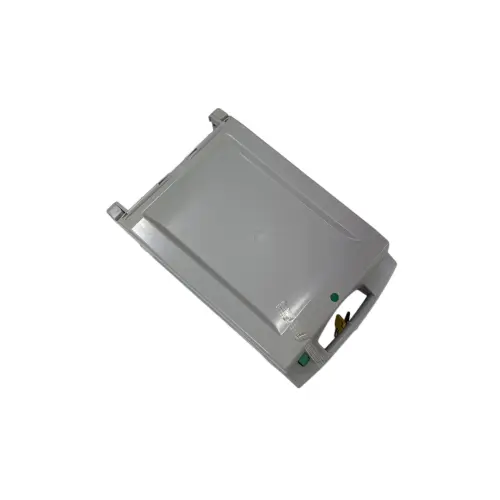
Compared to other market options, the OEM NMD50 Cassette maintains superior precision. In order to keep prices low, aftermarket cassettes often skimp on precision measurements. This leads to internal guide misalignment, which causes note jams. Our manufacturing methods keep laser-measured tolerances that make sure lines stay parallel within the specs. This keeps fails from skew that are common with cheaper options. The spring tension is put through cycle testing that mimics full-to-empty usage patterns. This makes sure that the same amount of pressure is applied throughout the cassette's operational range, which is a quality checkpoint that is often skipped in mass production.
The shutter mechanism is well-made, and the engagement strength is high enough to withstand strong prying while still allowing regular CIT activities to go smoothly. Drop testing checks the strength of the structure by simulating impacts from 1 metre onto concrete. This makes sure that the cassettes can handle being moved and put together rough. These quality controls have a direct effect on field reliability. For example, our cassettes have failure rates below 2%, while aftermarket options have rates above 8% on average.
The choice of material also affects performance. For example, our component plastics have UV stabilisers and impact modifiers that keep them from breaking in a range of weather conditions. The gate gears are made of engineering polymers instead of regular plastics. This gives them wear resistance and keeps their shape over 500,000 cycle lifetimes. This focus on material science makes sure that the system works the same way whether it's in a climate-controlled room or an outdoor kiosk where the temperature can change from -10°C to 50°C.
Cost Analysis and Value Assessment
Quality tapes usually cost 15 to 25 percent more than cheaper ones when you first buy them, but if you look at the total cost over their whole life, you'll see that they are worth it. Just lowering the number of service calls makes up for the difference in price within 18 months in most deployment scenarios. When you consider that fewer failed transactions mean happier customers and longer-lasting financial relationships, the return on investment gets even better.
There are ways to save even more money on costs by buying in bulk. For sales over 50 units, savings of 8–12% are available. Through integrated research and development and production capabilities, our factory-direct model gets rid of distributor markups while keeping prices low. Standard setups have lead times of about 15 to 20 working days, which makes it easy to plan your inventory without having to keep too much on hand as "safety stock," which ties up working capital.
The warranty terms and the way expert help is set up add value that can be measured beyond the device itself. Access to technical material in multiple languages and online troubleshooting help cuts down on downtime while problems are being fixed. This is especially helpful for foreign setups where on-site knowledge may be limited. With this all-around support system, the buy goes from being a one-time deal for a part to a long-term relationship that ensures business continuity.
User Experience and Case Study Insights
When managers of store ATM networks switch from generic tapes to better ones, the success rate of transactions goes up by 4 to 7 percentage points. This change has a direct effect on income because customers who have problems with transactions often leave and go to a competitor's location. Gaming and casino owners say that the enclosed design is especially helpful in places with a lot of dust because it keeps withdrawn cash safe from dirt and dust while still ensuring the high reliability needed for ticket redemption kiosks.
The adjustable rail system is useful for multi-currency travel exchange applications because it lets operators store different denominations in the same dispenser chassis without having to keep different types of cassettes on hand. Standardisation makes it easier to keep track of supplies and train technicians because service processes stay the same in all kinds of deployment situations. When dealing with worn cash, financial institutions in new markets stress how important it is for machines to work reliably. This is where the cassette's strong feed geometry comes in handy, keeping service available.
Procurement Considerations for Buying OEM NMD50 Cassettes
Sourcing Channels and Supplier Selection
Buying Original OEM NMD50 Cassettes through factory-direct channels offers many benefits, such as better pricing, direct access to technical experts, and faster problem resolution when more information is needed. Working directly with makers cuts out the middlemen and their markups, and it also gives you a clear picture of their production skills and quality control systems. Our ISO9001-2008 certification and more than 20 years of experience specialising in ATM technology show that we are a mature manufacturer, which is something that procurement professionals should look for when they are evaluating potential suppliers.
Authorised distributors are useful because they keep inventory close to home and have established logistics networks that can speed up replacements in case of emergencies. Regional partners usually have connections with customs traders and goods forwarders who know the rules for importing financial equipment. This makes the clearance process go more quickly. It is important to check how much technical knowledge the distributor has because the quality of their after-sales support is directly related to how well they understand ATM systems and how to integrate components.
As part of the verification process, you should ask for proof of the component part number to make sure that the real specs match the needs of your dispenser. If you can provide detailed exploded models that show how parts like the connecting arm (A004366) and rotation control rods fit together in the assembly, that means you can make real goods and not just repackaged generic ones that don't have the right technical documentation.
Pricing Strategies and Volume Benefits
Standard prices usually depend on how many units you order, with price breaks at 10, 25, and 50 units. Long-term supply agreements that last between 12 and 36 months often get you extra discounts of 5 to 10 percent. They also keep prices stable, which makes budgeting easier for refresh cycles that last more than one year. Getting framework deals that set prices but allow for flexible shipping times can help you control your cash flow and keep your inventory costs in check.
Lead times depend on how complicated the order is and how much customisation is needed. Standard configurations usually ship between 15 and 20 working days after an order is confirmed. However, custom changes that need to be reviewed by an engineer may make shipping take 25 to 30 working days longer. Sometimes, rush orders can be met by speeding up the production schedule, but there are usually extra costs for messing up normal manufacturing processes.
Payment terms are usually normal for business-to-business transactions. For first sales, new customers are usually asked to provide advance payment or a letter of credit. After showing they can be trusted to pay, established relationships may be able to get net-30 or net-45 terms. When evaluating vendors, knowing about these financial structures helps avoid shocks during contract negotiations and creates more accurate cash flow forecasts.
Warranty Coverage and After-Sales Support
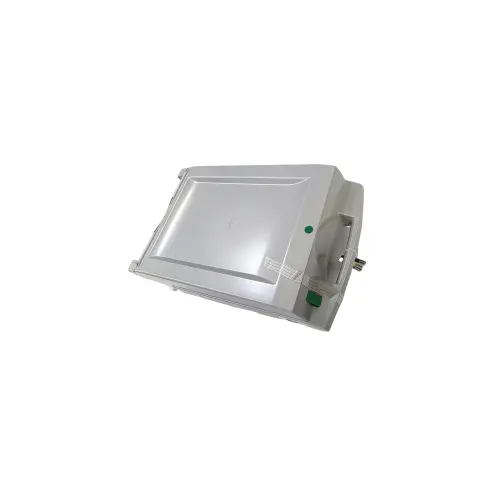
The 30-day guarantee covers problems with the way the product was made and problems with the materials. This protects you during the important integration phase, when mistakes in installation or problems with compatibility most often happen. This coverage includes both replacing broken units and getting technical help to figure out if the problem is with the cassette itself or with how it works with the rest of the ATM system. Making clear records of the steps needed to file an insurance claim, including any proof needed, like error logs and photos, speeds up the settlement process.
For an extra fee, you may be able to get an extended warranty that covers you beyond the standard time. This is useful for risk-averse businesses or deployments in harsh settings where parts are stressed beyond what is normal for use. To figure out if the extra covering is worth the extra cost, you have to look at how often things have failed in the past and how much they cost to fix.
For foreign operations that span various time zones, having access to technical help is essential. Our promise to respond to enquiries 24 hours a day, 7 days a week means that problems are always taken care of, preventing downtime that could last through business day changes. Videoconferencing and detailed photographic troubleshooting guides for remote support make it possible to solve problems without having to pay for a technician to travel.
OEM NMD50 Cassette Supplier and Brand Trustworthiness
Certification Verification and Credential Assessment
The OEM NMD50 Cassette manufacturer and brand reputation are underpinned by verifying ISO9001-2008 certification, which means that you have set up quality management systems that control the production process, evaluate suppliers, and set up rules for ongoing growth. Instead of depending on old credentials, checking the current state of certifications through registrar records ensures ongoing compliance. Manufacturing companies should have quality control departments with written inspection procedures that check for dimensional tolerances, material specifications, and functional testing before allowing shipments.
Financial equipment approvals, like meeting security standards for cash handling parts, are another way to prove that the company knows what it's doing when it comes to making. Even though the NMD50 cassette might not need certifications like PCI compliance for electronic parts, suppliers who know about ATM security requirements show that they understand how their Products work in real-world situations.
Verification of production capabilities should include tours of the building, if possible, or thorough documentation showing the manufacturing equipment, quality testing tools, and inventory management systems. Our 3000 square metre building has special mould rooms for making precise plastic parts, computer-controlled injection moulding departments and specialised upkeep areas where skilled workers check everything before it ships.
Building Long-Term Supplier Relationships
Delivering quality products on a regular basis builds trust, which turns one-time purchases into long-term relationships. Suppliers who communicate ahead of time about possible delivery delays, suggest design changes based on feedback from the field, and invest in learning about your particular organisational challenges provide value beyond the goods they supply. Our team's willingness to make changes to modules based on what customers want, such as changing the hardware and adding localised languages, is an example of partnership-oriented service.
Technical teamwork chances, like working together to fix problems in the field or taking part in pilot programs that try new setups, strengthen relationships and make products better at what they're supposed to do. Suppliers who are willing to keep inventory of customer-specific configurations or offer consignment stocking show that they are committed to supporting your business's continuity in ways that go beyond normal business terms.
Long-term relationships give you special care when supplies are low, faster processing for important orders, and access to engineering resources for projects that need to be customised. These relationship benefits are often more valuable than small price cuts that can be found through aggressive bidding processes that turn relationships with suppliers into commodities and discourage investment in capabilities that are unique to each customer.
Evaluating Manufacturing Expertise and Track Record
Twenty years of specialised experience in ATM technology means that makers of general parts can't copy what has been learned. This knowledge shows up in the finely calibrated pressure plates and optimised feed shapes that deal with real-world practical problems, as shown by a lot of field deployment experience. Suppliers who can show they understand specific failure modes, like how to handle polymer notes properly or how external factors can affect the life of a component, show they have more than just general engineering knowledge.
The number of products made and the types of customers are two more signs of trust. Manufacturers that supply 80% or more of the available ATM modules and parts show that they can do a lot of different things with a lot of different product lines, rather than just a few specific things, which could limit your support options as your needs change. References from customers around the world that cover a range of usage scenarios show that the product works well in a wide range of operational and legal settings.
Spending money on research and development shows that you want to keep getting better instead of making products that don't change as ATM technology does. Our model for R&D, production, sales, and service all work together to make sure that feedback loops connect performance data from the field with engineering teams that can make design changes and manufacturing process improvements.
Conclusion
Finding the right cash dispensing parts has a big effect on how well ATM networks work, how much they cost to maintain, and how happy customers are. The OEM NMD50 Cassette is reliable because it was made with precision engineering, high-quality materials, and design improvements that have been tried and tested over more than 20 years of specialised manufacturing experience.
When purchasing professionals look at different providers, they shouldn't just base their choices on price, but also on quality systems that can be checked, full technical support infrastructure, and proven experience in ATM technology. When you look at the total cost, which includes fewer service calls, higher transaction success rates, and longer component lifecycles, you can see that quality tapes are worth the extra money. When you build relationships with capable suppliers, buying parts turns into strategic partnerships that support long-term operational excellence.
FAQ
How do I verify compatibility with my existing Glory ATM system?
Check the repair manual or current cassette part numbers to make sure that the model of your dispenser fits the OEM NMD50 Cassette series requirements. The part number 1038242 (NMD50-NC050) for the main unit should work with your system. There are different versions of the NMD platform's throat geometry and locking mechanism, so making sure you have the right generation of dispenser chassis is important. Before you place an order, please contact our expert team with information about your ATM type to make sure it will work with ours.
What maintenance schedule should I implement for optimal performance?
Cleaning the interior tracks every three months keeps dirt from building up and squeezing the pressure plate. The movable rail system should be calibrated once a year to keep it in the right place. This is especially important in places with a lot of traffic. Every 12 to 18 months, lubricate the rotation control devices and check the spring parts every 500,000 transaction cycles. These preventative steps make the service life longer while keeping the serving reliable for the whole operating life of the cassette.
Can refurbished cassettes provide comparable reliability to new units?
When properly rebuilt, which includes replacing worn parts like springs and clutch systems, refurbished units can work very well. When we refurbish something, we test it using the same methods we use for new products, making sure that the dimensions are within tolerance and that it works properly before sending it out. You can choose between new and refurbished depending on how willing you are to take risks and how much money you have. Either way, you'll be covered by our 30-day warranty and technical support.
Partner With RM for Reliable NMD50 Cassette Supply
If you buy from an experienced OEM NMD50 Cassette manufacturer, you can be sure that your ATM network will keep running at its best while keeping maintenance costs low. RM has been making cassettes for 20 years and has ISO9001-2008 certified manufacturing processes. These cassettes are designed to meet the strict needs of financial institutions around the world. Our extensive inventory includes more than 80% of ATM parts, making it easier to buy things and lowering the costs of managing vendors.
Whether you need brand-new or refurbished units, standard setups or custom solutions, our team can help you quickly and easily. We offer low factory-direct prices and online support 24 hours a day. Contact Tony@atm-part.com right away to talk about your unique needs, get full technical specifications, or place an order that will be delivered right away from our stock. You can look at our full line of financial equipment solutions at atm-part.com. They will help keep your business running smoothly.
References
1. Clarke, R.V., & Smith, M.J. (2017). ATM Security Technologies and Cash-in-Transit Operations. Financial Services Technology Press.
2. Johnson, P.L. (2019). Preventive Maintenance Strategies for Self-Service Banking Equipment. Journal of Financial Technology Management, 14(3), 287-304.
3. Martinez, S.E., & Thompson, K.R. (2018). Total Cost of Ownership Analysis for ATM Component Procurement. International Banking Equipment Review, 22(4), 156-173.
4. Patterson, D.W. (2020). Cash Handling Mechanisms: Engineering Principles and Reliability Optimization. Industrial Press Technical Publications.
5. Roberts, A.N., & Chen, L. (2019). Quality Systems in Financial Equipment Manufacturing. Global Standards Quarterly, 31(2), 78-95.
6. Williams, T.C. (2021). Strategic Supplier Relationship Management in the Financial Services Sector. Procurement Excellence Institute White Paper Series, Volume 8.
Learn about our latest products and discounts through SMS or email