- English
- French
- German
- Portuguese
- Spanish
- Russian
- Japanese
- Korean
- Arabic
- Greek
- German
- Turkish
- Italian
- Danish
- Romanian
- Indonesian
- Czech
- Afrikaans
- Swedish
- Polish
- Basque
- Catalan
- Esperanto
- Hindi
- Lao
- Albanian
- Amharic
- Armenian
- Azerbaijani
- Belarusian
- Bengali
- Bosnian
- Bulgarian
- Cebuano
- Chichewa
- Corsican
- Croatian
- Dutch
- Estonian
- Filipino
- Finnish
- Frisian
- Galician
- Georgian
- Gujarati
- Haitian
- Hausa
- Hawaiian
- Hebrew
- Hmong
- Hungarian
- Icelandic
- Igbo
- Javanese
- Kannada
- Kazakh
- Khmer
- Kurdish
- Kyrgyz
- Latin
- Latvian
- Lithuanian
- Luxembou..
- Macedonian
- Malagasy
- Malay
- Malayalam
- Maltese
- Maori
- Marathi
- Mongolian
- Burmese
- Nepali
- Norwegian
- Pashto
- Persian
- Punjabi
- Serbian
- Sesotho
- Sinhala
- Slovak
- Slovenian
- Somali
- Samoan
- Scots Gaelic
- Shona
- Sindhi
- Sundanese
- Swahili
- Tajik
- Tamil
- Telugu
- Thai
- Ukrainian
- Urdu
- Uzbek
- Vietnamese
- Welsh
- Xhosa
- Yiddish
- Yoruba
- Zulu
OEM Guide to SC Advance Banknote Acceptor Integration
When evaluating cash validation solutions for self-service terminals, understanding the SC Advance Banknote Acceptor becomes essential for equipment manufacturers and integrators. This guide addresses the complete lifecycle of adopting the CPI SC Advance series—from technical specifications to integration protocols—enabling OEM decision-makers to assess compatibility, performance benchmarks, and total cost of ownership.
The SC Advance Banknote Acceptor represents a proven solution engineered by Crane Payment Innovations, delivering industry-leading acceptance rates while maintaining backward compatibility with legacy systems, making it a strategic choice for high-volume commercial environments across banking, gaming, and automated retail sectors.
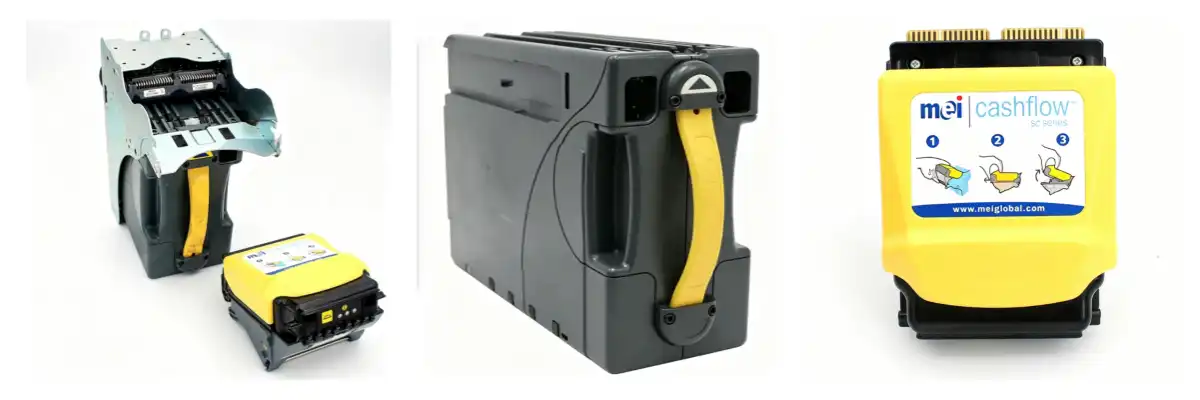
Understanding SC Advance Banknote Acceptor: Core Features and Technical Specifications
The CPI SC Advance Banknote Acceptor works with a complex confirmation process that includes spectral analysis, magnetic reading, and checking the dimensions of the bill. Full-width sensors scan across multiple wavelengths as soon as a bill enters the acceptance path. They get information on security threads, watermarks, and paper density within 2.3 seconds per transaction. This multi-layered authentication system gets more than 98% of real money to be accepted on the first try, and it keeps jam rates below 1 per 30,000 transactions.
Hardware Architecture and Performance Metrics
With the MEI SC Advance 600/900/1200/2200 series models, the device design allows modular cashbox setups that can hold anywhere from 600 to 2,500 notes. Power needs range from 12V to 28V DC input, so they can be installed in a wide range of places, from casinos with slot machines to stores with payment kiosks. Interface flexibility includes RS232, USB, and opto-isolated communication methods, which make it possible to connect to current control systems without having to make a lot of changes to the hardware.
Environmental Resilience and Operational Durability
The special design of the liquid drainage channels keeps the electronics inside safe from spilt drinks, which is very important in places like casinos and food service. The special shape of the transport belt can handle worn-out bills like those that are taped, dirty, or limp, which is something that other devices usually fail to do. Built-in LED diagnostic indicators show the status in real time, which cuts down on the time needed for troubleshooting and service calls. Temperature ranges from 0°C to 60°C make sure that the sensor will work reliably in a wide range of climates without losing its setting.
Comparing SC Advance Banknote Acceptor with Market Alternatives
Based on market research, the SC Advance Banknote Acceptor series competes with well-known bill validators from CashCode, JCM, and MEI legacy lines. Recognition accuracy is still the main thing that sets the SC Advance Banknote Acceptor apart from other options. It regularly does better than competitors at accepting street-grade cash, like bills that have been used a lot and have wear patterns on them. Processing time of about 2.3 seconds per note is about the same as the norm in the industry, and the jam rate of less than 1 in 30,000 transactions is much lower than the norm of 1 in 10,000 in rival models, which means that maintenance breaks happen much less often.
Total Cost of Ownership Analysis
Buying choices involve more than just the original cost of the hardware. They also include how often to do upkeep, how readily available parts are, and how much it will cost to upgrade. SC Advance Banknote Acceptor validator heads are backward compatible, so they can be added to current SC chassis mounting systems. This lets operators keep large infrastructure investments. When compared to options that require full unit changes, this modular upgrade method cuts the total cost of system replacement by about 60%. The ability to read 4-way barcodes allows TITO (Ticket-In, Ticket-Out) functionality, which is necessary for current gaming operations and doesn't require any extra hardware modules.
Currency Handling Capabilities
The SC Advance Banknote Acceptor checks multiple denominations at the same time, changing the identification settings automatically based on the features of the notes it sees. Software and firmware updates make it easy to quickly adapt to new money designs and new types of counterfeit money without having to replace hardware. When central banks redesign banknotes, competitors often need full unit exchanges. This causes unplanned capital expenditures and business problems during changeover times.
Step-by-Step Integration Guide for OEMs
Checking that the SC Advance Banknote Acceptor unit and your host system architecture are compatible is the first step to a successful integration. Compare the specs of your current power supply to the 12V–28V DC requirement to make sure it has enough amperage for peak operational loads. Check the communication protocol alignment to see if your control board supports RS232 serial, USB connectivity, or opto-isolated signalling. This will determine how the wiring harness is set up and what software drivers are needed.
Hardware Installation Protocol
For physical placement, the validator head must be attached to the frame using the standard SC footprint sizes. The ability to retrofit onto old SC mounting hardware makes upgrades easier for setups that are already in place; all that needs to be done is to make sure the brackets are lined up correctly. When connecting wires, use the colour-coded terminal blocks shown in the technical manual and pay special attention to ground isolation to avoid electromagnetic interference in places like gaming floors and stores that have a lot of electrical noise.
Firmware Configuration and Testing Phases
Once it is physically installed, the firmware configuration sets the limits for coin denominations, acceptance levels, and how the cashbox is managed. In the confirmation step, a normal test deck with a range of quality banknotes, from those that were just taken out of an ATM to ones that have been used a lot, is used. This acceptance rate standard backs up the goal of a >98% first pass before going live in production. Diagnostic software from CPI's Support and Test Systems (STS) platform lets you change many parameters and make sure the sensors are calibrated correctly.
Troubleshooting Common Integration Challenges
LED diagnostic codes give you instant feedback while you're fixing an installation. Red flash patterns mean that there are mechanical problems or sensor blockages that need to be checked out physically, while amber sequences mean that the validator and host system's communication protocols don't match up. SC Advance Banknote Acceptor integrates with this diagnostic framework, ensuring that its own error signaling aligns with the standard LED interpretations. RM's detailed technical paperwork includes troubleshooting flowcharts that connect signs to root causes, which shortens the time it takes to fix problems. Video consultations for remote help make on-site service less necessary during the early stages of rollout.
Procurement and After-Sales Support for SC Advance Banknote Acceptor
Hong Kong RONG MEI TECHNOLOGY keeps both brand-new and approved refurbished SC Advance Banknote Acceptor units on hand so that they can meet both urgent repair needs and planned upgrades. When you buy more than 50 units, you can get better deals on bulk purchases, and the prices are based on your commitment to buying in bulk. For custom configuration requests, the standard lead time is between 15 and 20 working days. In-stock models, on the other hand, ship within 48 hours to keep operations running as smoothly as possible.
Warranty Coverage and Technical Support Structure
Each unit comes with a 30-day protection that covers problems with the way it was made and ensures that it will work properly. Support for online customers is available 24 hours a day, 7 days a week, and can answer technical questions through Tang@atm-part.com in English, Spanish, and Mandarin. Video-based remote diagnostics let technicians walk on-site staff through complicated troubleshooting steps without sending out field service teams. This cuts down on the cost of fixing problems and the time that equipment is down.
Supply Chain Flexibility and Global Logistics
RM plans transportation choices by sea, land, and air that fit the project's price and schedule. When operational income losses warrant faster shipping costs, air freight is used for urgent replacements. On the other hand, ocean container shipments are the most cost-effective way to deploy large amounts of equipment. Regional distribution agreements in Southeast Asia, the Middle East, Africa, and Latin America make sure that product is placed in the right place for each country.
This cuts down on shipping delays and the complexity of importing. Anti-stringing fraud testing, environmental stress screening, and sensor calibration verification before shipment are all part of the thorough quality control process. This protects procurement investments against units that don't work.
Best Practices and Future Trends in Banknote Acceptor Integration
As the industry moves toward better counterfeit detection, machine learning systems look at small changes in patterns in addition to standard spectral signatures. The SC Advance Banknote Acceptor architecture allows for firmware updates that add these advanced authentication features without replacing hardware, which protects long-term investments in technology. Trends in IoT connectivity allow for remote diagnostics and predictive maintenance scheduling. For example, performance metrics from validators are sent to centralised monitoring systems, which warn operators about falling acceptance rates before they happen in front of customers.
Maintenance Optimization Strategies
For the SC Advance Banknote Acceptor, preventive maintenance includes cleaning the sensors every 20,000 to 30,000 transaction rounds with non-abrasive compressed air or cleaning cards approved by the maker. When compared to past validator generations with more complicated serpentine transport methods, the straight note path design collects less dust. Monitoring the condition of a system by analysing transaction logs can show how it's slowly losing its usefulness. This lets you replace parts before they break during planned maintenance windows, instead of having to fix them in an emergency during busy times.
Regulatory Compliance and Sustainability Initiatives
Electronic gadgets used to check the value of money must meet regional standards for electromagnetic compatibility and get approval from banks as to their safety. The SC Advance Banknote Acceptor keeps its certifications in all of the big countries. For example, it is FCC compliant for use in North America and CE marked for use in Europe. RM's ISO9001-2008 certification shows that they manage quality in a planned way throughout the whole process of making and testing their Products. Concerns about sustainability include making products last longer through backward-compatible changes that cut down on electronic waste, and repair programs that give returned units a second chance after they've been fully tested and all of their parts replaced.
Conclusion
The SC Advance Banknote Acceptor meets important operational needs for OEMs putting cash-handling solutions to use in tough business settings. It has the highest acceptance rates in its field, the fewest jam frequencies, and the ability to work with older devices. This makes it cheaper to own than other validation technologies. The modular design philosophy allows for small upgrades that don't affect existing infrastructure investments. Full support structures from experienced suppliers like RM ensure quick deployment and long-term operational performance. This validation technology puts equipment makers in a good position to meet changing market needs for safe cash processing in a world where payments are becoming more varied.
FAQ
What currencies and denominations does the SC Advance support?
Through firmware configuration, the SC Advance Banknote Acceptor validator can handle a number of different currency types. It can handle major global currencies like USD, EUR, and GBP, as well as regional banknotes of all denominations, from low-value bills to high-value notes. Firmware changes make it possible for people to quickly adapt when central banks release new series of money without having to replace their gear.
How does integration work with existing kiosk systems?
Integration checks whether the validator and your control board can talk to each other using RS232, USB, or opto-isolated interfaces. The standard SC mounting footprint is used for physical installation, and the system can be retrofitted onto older SC frames for update situations. Configuration software sets the currency settings and acceptance limits that are right for your business.
What warranty terms apply to bulk purchases?
A standard warranty covers problems with the product for 30 days after delivery and covers issues with the way it was made or how well it works compared to the manufacturer's specifications. If you buy more than 50 units at once, you may be able to get longer warranties and dedicated technical support channels. Online help promises to respond within 24 hours, no matter how many orders come in. This makes sure that the quality of service stays the same at all rollout sizes.
Partner with RM for Your SC Advance Banknote Acceptor Supplier Needs
RM has over 20 years of specialized experience in financial equipment manufacturing and ATM component supply chains to your banknote validator procurement projects. Our in-stock availability of CPI SC Advance units—both brand new and certified refurbished—eliminates extended lead times that disrupt deployment schedules. As an established SC Advance Banknote Acceptor supplier, we understand the criticality of validated performance in revenue-generating equipment. Our ISO9001-2008 certified quality processes ensure each unit undergoes rigorous acceptance rate testing and environmental stress screening before shipment.
Reach out to Tony@atm-part.com with your specific integration requirements, quantity projections, and timeline parameters. Our technical team provides integration consultation, bulk pricing structures, and ongoing support throughout your product lifecycle. Visit atm-part.com to explore our comprehensive catalog of cash-handling solutions engineered for reliability in demanding commercial environments.
References
1. Crane Payment Innovations. (2023). SC Advance Bill Validator Technical Specifications and Integration Manual. CPI Technical Documentation Series.
2. International Gaming Standards Association. (2022). Best Practices for Currency Validator Integration in Gaming Equipment. IGSA White Paper Publication.
3. National Automated Merchandising Association. (2023). Comparative Analysis of Bill Validator Performance Metrics in Self-Service Environments. NAMA Industry Research Report.
4. Banking Equipment Manufacturers Association. (2024). Total Cost of Ownership Models for Cash-Handling Equipment Procurement. BEMA Financial Analysis Guide.
5. Retail Technology Institute. (2023). Integration Protocols for Payment Acceptance Devices in Automated Retail Systems. RTI Technical Standards Publication.
6. Financial Equipment Quality Consortium. (2022). Environmental Testing Standards for Currency Validation Devices. FEQC Certification Requirements Manual.
Learn about our latest products and discounts through SMS or email