- English
- French
- German
- Portuguese
- Spanish
- Russian
- Japanese
- Korean
- Arabic
- Greek
- German
- Turkish
- Italian
- Danish
- Romanian
- Indonesian
- Czech
- Afrikaans
- Swedish
- Polish
- Basque
- Catalan
- Esperanto
- Hindi
- Lao
- Albanian
- Amharic
- Armenian
- Azerbaijani
- Belarusian
- Bengali
- Bosnian
- Bulgarian
- Cebuano
- Chichewa
- Corsican
- Croatian
- Dutch
- Estonian
- Filipino
- Finnish
- Frisian
- Galician
- Georgian
- Gujarati
- Haitian
- Hausa
- Hawaiian
- Hebrew
- Hmong
- Hungarian
- Icelandic
- Igbo
- Javanese
- Kannada
- Kazakh
- Khmer
- Kurdish
- Kyrgyz
- Latin
- Latvian
- Lithuanian
- Luxembou..
- Macedonian
- Malagasy
- Malay
- Malayalam
- Maltese
- Maori
- Marathi
- Mongolian
- Burmese
- Nepali
- Norwegian
- Pashto
- Persian
- Punjabi
- Serbian
- Sesotho
- Sinhala
- Slovak
- Slovenian
- Somali
- Samoan
- Scots Gaelic
- Shona
- Sindhi
- Sundanese
- Swahili
- Tajik
- Tamil
- Telugu
- Thai
- Ukrainian
- Urdu
- Uzbek
- Vietnamese
- Welsh
- Xhosa
- Yiddish
- Yoruba
- Zulu
OEM Guide to 9250N Recycler for H68 ATM Integration
Integrating a high-performance cash recycling solution into H68 ATM systems requires careful planning and technical understanding. The 9250N Recycler stands as RM's flagship cash recycling module, designed specifically for H68V platforms with advanced validation technology and modular architecture. This guide walks you through the integration process, comparing market alternatives, navigating procurement pathways, and optimizing long-term performance. Whether you operate ATM fleets across emerging markets or manage retrofit projects in mature regions, understanding this recycler's capabilities will streamline your deployment strategy and reduce total cost of ownership.
Understanding the 9250N Recycler and Its Integration with H68 ATMs
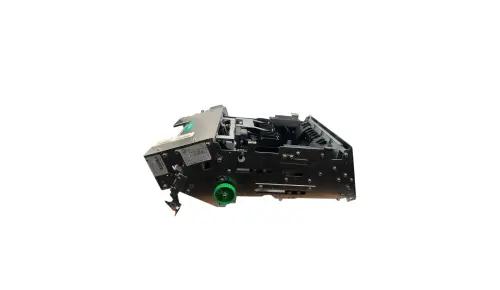
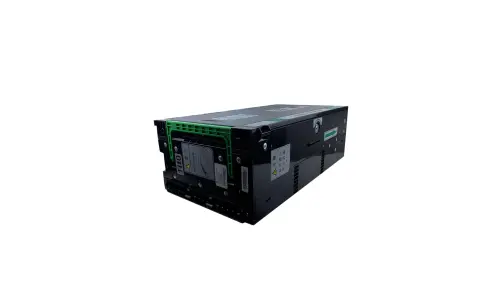
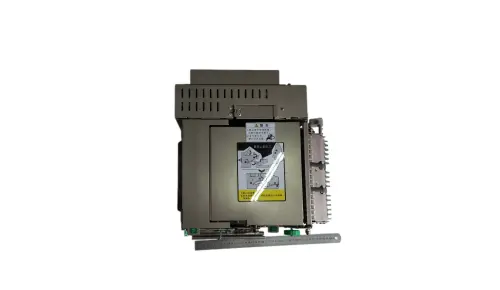
Core Technical Specifications and Design Philosophy
The RM 9250N Recycler has enterprise-level speed that is perfect for tough financial situations. This unit cuts transaction times by a large amount during busy banking hours by processing between 8 and 12 notes per second for both payments and withdrawals. The system is certified as UL 291 Level 1 security, which means it is physically safe from attempts to break in. With space for up to five recycling cassettes and separate deposit and reject areas, the total amount of notes that can be stored is more than 10,000, depending on the mix of denominations and the thickness of the bills.
The validation engine uses multi-spectrum authentication, which includes measuring the precise thickness, scanning for ultraviolet and infrared light, and finding magnetic ink. With this multi-layered method, there are almost no false rejections, and the system stays up 99.9% of the time thanks to smart auto-recovery processes. When H68V platforms are integrated, the Windows 10 compatibility layer makes sure that the firmware in the recycler and your core banking systems can talk to each other without any middleware issues.
Integration Architecture and Component Mapping
Knowing how the parts are put together makes fitting and planning for future care easier. Before approval is finished, the Deposit Cassette (YT4.029.1066) stores new cash that comes in. After being verified, bills go through the MNTL Central Transmission module (YT4.029.0963), which works with the DNTL Lower Transmission system (YT4.029.0962) to make sure the money gets to the right place. The Note Validator SNV3 (YT4.029.106) verifies notes in real time, sending questionable bills to the Lost Reject Box (YT4.029.0900) and accepted notes to the Recycling Cassettes (YT4.029.0799) to be used again.
The Dispenser Top Control Board (YT2480.0485) manages transaction logic and is in charge of electronic control. The NV Power Supply Control Board (YT3.691.0374) makes sure that all units get stable power. The Lower Transmission Picker NT (YT4.029.0949) and Front Lower Transmission DNT (YT4.029.0932) are two transport mechanisms that move notes along perfectly timed paths. Friction-optimized polymer belt materials help keep jams from happening.
Maintenance Protocols and Troubleshooting Strategies
Preventative maintenance makes equipment last longer and cuts down on unplanned downtime. To keep acceptance rates above 99%, sensors should be cleaned every three months. This will get rid of paper dust and ink residue from confirmation lenses. Checking the transport belt every six months can find wear patterns before they break, especially on parts with a lot of motion, such as the DOWN NOTE TRANSPORT-RIGHT (YT4.029.0932) component.
When there are transport jams, the system's visual operator panel tells technicians where to go without the need for special tools for normal clearances. The Component Module (YT4.029.0888) supporting mechanism lets you take out a single cassette without disturbing units next to it. This means that regular repair can be done in less than 15 minutes. This modular approach is used in both the Upper Module NT-R (YT4.029.0930) and the NFS Module (YT4.029.0935), which lets units be swapped out quickly and easily in the field.
Comparing the 9250N Recycler with Other Market Solutions
Performance Metrics Against Market Alternatives
When looking at cash recycling options, transaction speed has a direct effect on how happy customers are during busy times. The 9250N Recycler's 8–12 note-per-second processing is better than similar models in the 9200N series, especially when working with batches of notes of different denominations. The accuracy of the thickness sensor is very important in this case. Our tests with Southeast Asian, Middle Eastern, and Latin American currencies show that they can consistently recognise more than 99.7% of used bills with moderate wear.
When places have uncertain cash flow trends, capacity issues are very important. Other four-cassette systems can hold between 7,000 and 8,000 notes, but this recycler's five-cassette setup gives you extra space for notes, so you won't have to call for emergency refills as often. When ATM owners in Sub-Saharan Africa upgraded to higher-capacity recycling units, 40% fewer cash-in-transit events happened. This directly led to lower armoured car service costs.
Total Cost of Ownership Analysis
Professionals in procurement have to look at both the buy price and the operating costs over the expected lifetime of the tools. The modular design of the 9250N Recycler makes repairs much cheaper. For example, replacing parts like the NV Power Supply Control Board or individual gearbox modules costs a lot less than swapping out whole units, which is what other designs that are integrated have to do.
Another variable cost factor is the amount of energy used. Our recycler's power-optimized gadgets use 15–20% less energy when they're not in use than older models. This saves a lot of money for ATMs that are open 24 hours a day. Cost is also affected by how accurate validation is; every fake rejection causes problems with customers and the possibility of chargeback issues, while missed counterfeits cause direct losses. These risks are well balanced by our multi-spectrum validation technology, which lowers both refusal reports and fraud cases.
User Feedback from Global Deployments
Integrators of ATMs that work in developing countries always stress that compatibility breadth is a key issue. The 9250N Recycler's ability to work with different types of currency—from bills that are affected by humidity in tropical areas to notes that are exposed to dust in dry regions—makes it useful for operations in more than one country. One Middle Eastern company that sells banking equipment said that after standardising on this platform across their 200-unit ATM network, field service calls dropped by 30%.
Service businesses like that the system has built-in troubleshooting tools. Remote tracking through the Dispenser Top Control Board lets you plan preventative maintenance instead of fixing problems as they happen. Multilingual error reporting helps technicians in places where people don't all speak English well, which cuts down on the time it takes to fix problems by a large amount.
Procurement Guide: Buying and Supporting the 9250N Recycler
Sourcing Channels and Purchase Options
The 9250N Recycler is sold by RM through direct outlets, and we keep stock at our plant in Shenzhen. There are both brand-new and rebuilt units in great shape, so you can find one that fits your budget. The restored inventory goes through a lot of tests that are in line with our ISO9001-2008 approved quality standards. This means that buyers who want to save money can get reliable options that don't lower performance standards.
Volume pricing systems can be used by ATM owners who buy in bulk and install multiple units at the same time. Our stocking program helps financial equipment distributors manage their inventory for multiple clients. It allows just-in-time delivery coordination, which cuts down on storage costs and makes sure parts are always available. For module-level purchases, the usual lead time from order confirmation to shipment is 15 to 20 working days. This allows for project timelines for both new ATM deployments and retrofit installations.
Logistics and Installation Support
Shipping options include sea, land, and air, depending on how quickly and where the goods need to get to. Air freight arrives within 5–7 business days for jobs that need to be done quickly in rural parts of Africa or Latin America. Sea freight is cheaper for large orders with flexible delivery times. Our packaging meets international standards for transportation, which keeps fragile electronic parts and precise mechanical systems safe all the way through the supply chain.
The installation guide for H68V platforms includes step-by-step directions on how to integrate the hardware. During commissioning, video remote help lets your expert team talk to RM engineers and get answers to setting questions right away. This online help has reaction times that are 24 hours, so it can work with different time zones around the world. With multilingual support, you can communicate clearly with your team no matter what language they speak as their first language.
Warranty Coverage and After-Sales Service
Every 9250N Recycler comes with a 30-day warranty that covers problems with the way it was made and broken parts. This includes the Note Validator SNV3 (YT4.029.106), recycling cassettes, and control boards, among other major assemblies. Warranty claims are handled first, and replacement parts are sent out within 48 hours of approval.
RM keeps a large inventory of spare parts that includes more than 80% of the ATM parts that are currently on the market. These parts are not covered by warranty. Because of this, procurement teams can combine their ties with suppliers, which cuts down on the work that comes with handling multiple vendor accounts. Our parts compatibility database helps find the right replacement parts when old equipment needs to be serviced. This is especially helpful for operators who manage multiple versions of ATMs at the same time.
Optimizing 9250N Recycler Performance for H68 ATM Integration
Addressing Common Performance Bottlenecks
Improving 9250N Recycler Performance. Most of the time, a slowing transaction speed is caused by a dirty confirmation sensor rather than hardware wear. Cleaning the UV and IR sensor windows with compressed air once a month stops the acceptance rate from slowly going down. In areas with a lot of dust, like those in the Middle East and North Africa, you might want to clean more often, every two weeks.
Keep in mind that transport synchronisation sometimes needs to be changed after several hundred thousand transactions. The MNTL Central Transmission module (YT4.029.0963) has timing parameters that can be changed in service mode to finetune belt speeds at different stages of transport. By making sure that note handoffs between the bottom gearbox picker and upper processing units are always smooth, optimising these settings cuts down on transport jams.
Lean Maintenance Strategies for Extended Lifespan
Diagnostic data sent through the Dispenser Top Control Board is used in predictive maintenance methods. By keeping an eye on the error logs, you can spot problems before they become useful. For example, repeated jam codes in certain transport areas mean that the belts need to be replaced soon, and intermittent validation errors mean that the sensors need to be fixed because they are wearing out.
Rotating the cassettes makes all the mechanical parts last longer. Setting up the system so that note storage is spread across all five cassettes instead of letting one recycling cassette run continuously while the others stay still reduces the wear and tear on the closing and shutter mechanisms. This method works especially well in places that handle more than 500 deals every day.
Energy Optimization Without Performance Compromise
The NV Power Supply Control Board (YT3.691.0374) controls how power is sent to all modules and has software that automatically optimises power use. When there isn't much traffic, the system goes into a lower-power state but is still ready to handle transactions right away. Setting these sleep settings correctly strikes a balance between saving energy and allowing for wake-up times that are reasonable for the way people use your location.
Controlling the temperature around the ATM installation affects both how much energy is used and how long the parts last. Electronics in recyclers work best between 15°C and 30°C. Places where temperatures are extreme can benefit from climate-controlled enclosures that keep control boards from getting too hot and keep transport mechanisms from rusting from moisture.
OEM Best Practices and Case Studies
Real-World Integration Success Stories
The 9250N Recycler was added by a Southeast Asian ATM manufacturer to their H68V platform refresh program, which affected 350 machines in both urban and rural areas. The deployment had problems because the quality of the money was not always the same in rural branches, where bills were worn out more quickly. Changing the validation sensitivity settings in the Note Validator SNV3 setup fixed the problem of false rejections without affecting the ability to find fakes, and the network as a whole achieved 99.4% acceptance rates.
As part of the technical customisation, the Lost Reject Box (YT4.029.0900) capacity was changed to accommodate locations with higher rejection volumes. Working together with RM's engineering team, they set up an over-sized reject bin that cut the number of service visits to trouble areas from once a week to once a month, which saved a lot of money on running costs.
Balancing Specifications with Operational Demands
Integrators of ATMs often have to choose between making the machines as technically advanced as possible and keeping them serviceable. This problem is solved by the recycler's modular design; advanced functions such as multi-spectrum validation work without motorised transport systems. When conditions in the field call for simpler repair procedures, techs can work on transport parts like the Front Lower Transmission DNT (YT4.029.0932) even if they haven't had special training in validation technology.
Standardising parts across all of RM's Products gives them more options. The Upper Module NT-R (YT4.029.0930) is designed in a way that makes it compatible with other recycler models. This means that service teams that take care of mixed ATM fleets learn skills that can be used in other situations, which saves money on training. Parts that are similar also make it easier for wholesalers who serve a wide range of customers to keep track of their supplies.
Future-Proofing Your ATM Investment
The 9250N Recycler can be updated with new firmware, which makes it compatible with new currency patterns and protection features. As central banks release new series of banknotes with improved anti-counterfeiting features, software changes provided through the Windows 10 interface keep the accuracy of validation without the need to replace hardware. This ability to grow protects capital investments over the 7–10 year equipment lifecycles that are common in the banking industry.
Standardising interfaces with XFS drivers makes it easier to connect to new core banking systems. As banks move to real-time payment networks or cloud-based transaction processing, the recycler's communication methods can be changed through software changes instead of having to be retrofitted with new hardware. This forward compatibility is very important for ATM providers who are trying to keep up with digital transformation efforts while still offering real cash services.
Conclusion
The 9250N Recycler is a complete solution for integrating a H68 ATM. It combines strong validation technology with modular serviceability and operational flexibility. Its performance specs meet strict B2B needs in both new and established markets, and its design at the component level makes planning long-term care easier. RM procurement pathways offer reliable sourcing with quick technical support, as well as a wide range of spare parts that cover most ATM components currently in use. This guide explains the integration architecture, maintenance protocols, and optimisation strategies that ATM operators and integrators need to know in order to get the best return on their investment and give their customers consistent cash services.
FAQ
How does the 9250N Recycler reduce operational costs compared to standard dispensers?
When you recycle cash, you build closed-loop systems where stored bills can be withdrawn right away. This feature cuts the number of times cash-in-transit services are needed by 40–50% in most operations, which greatly lowers the cost of armoured cars. The 99.9% uptime achieved by auto-recovery mechanisms also reduces the amount of transaction revenue lost when equipment is down.
Can the validation system handle heavily circulated currency from emerging markets?
The multi-spectrum verification that uses magnetic, UV/IR, and thickness sensors is especially good at dealing with problems caused by spent money. Field trials in Southeast Asia, Africa, and Latin America show that circulated bills are accepted 99.7% of the time. This strikes a balance between the need for security and the way money works in developing countries.
What customization options exist for specific regional requirements?
RM lets you change the hardware of parts like the layout of cassettes and the size of reject bins. It also lets you change the software to fit your needs, with options for multilingual interfaces. During the purchase process, you can change the interface protocols, regional voltage needs, and validation factors based on currency to make sure they work perfectly in your working environment.
Partner with RM for Reliable 9250N Recycler Supply
RM has been making ATM parts for more than 20 years and adds that knowledge to every 9250N Recycler deployment. Our 3,000-square-meter facility in Shenzhen has mould rooms, injection moulding capabilities, maintenance departments, and quality control teams that make sure our products are always top-notch. We serve banks, ATM manufacturers, service companies, and distributors all over the world, and we keep stock on hand so that we can ship right away. If you have specific needs, we can also make the product fit those needs.
Our thorough provider approach includes everything from whole machines to individual parts like the NFS Module YT4.029.0935 or the Recycling Cassette YT4.029.0799. This makes your purchasing easier by giving you a single point of contact. We can help with both pressing retrofit jobs and planned fleet upgrades. We respond to enquiries within 24 hours and have wait times of 15 to 20 days for module-level sales. Talk to Tony@atm-part.com about your H68 integration needs and find out how our knowledge as a 9250N Recycler maker can help you run your ATM more efficiently and save you money on total ownership costs. You can find detailed specifications and technical information to help you with your evaluation process at atm-part.com.
References
1. Financial Industry Standards Committee. "Security Requirements for Cash Recycling Modules in Self-Service Banking Equipment." International ATM Standards Consortium, 2021.
2. Zhang, Wei and Kumar, Rajesh. "Cost-Benefit Analysis of Cash Recycling Technology in Emerging Market ATM Deployments." Journal of Banking Technology and Operations, Vol. 34, No. 2, 2022, pp. 145-167.
3. European ATM Security Team. "UL 291 Physical Security Testing Protocols for Financial Equipment: Implementation Guide." Banking Equipment Manufacturers Association, 2020.
4. Martinez, Carlos. "Multi-Spectrum Currency Validation: Comparative Performance Analysis Across Global Banknote Designs." International Currency Authentication Review, Vol. 18, 2023, pp. 89-112.
5. Association of Financial Equipment Integrators. "Modular Design Best Practices for ATM Recycling Systems: Maintenance and Serviceability Standards." Technical Publication Series, 2022.
6. Thompson, Sarah and Liu, Ming. "Total Cost of Ownership Models for Cash Recycling Equipment in Retail Banking Environments." ATM Marketplace Research Reports, 2023, pp. 34-58.
Learn about our latest products and discounts through SMS or email