- English
- French
- German
- Portuguese
- Spanish
- Russian
- Japanese
- Korean
- Arabic
- Greek
- German
- Turkish
- Italian
- Danish
- Romanian
- Indonesian
- Czech
- Afrikaans
- Swedish
- Polish
- Basque
- Catalan
- Esperanto
- Hindi
- Lao
- Albanian
- Amharic
- Armenian
- Azerbaijani
- Belarusian
- Bengali
- Bosnian
- Bulgarian
- Cebuano
- Chichewa
- Corsican
- Croatian
- Dutch
- Estonian
- Filipino
- Finnish
- Frisian
- Galician
- Georgian
- Gujarati
- Haitian
- Hausa
- Hawaiian
- Hebrew
- Hmong
- Hungarian
- Icelandic
- Igbo
- Javanese
- Kannada
- Kazakh
- Khmer
- Kurdish
- Kyrgyz
- Latin
- Latvian
- Lithuanian
- Luxembou..
- Macedonian
- Malagasy
- Malay
- Malayalam
- Maltese
- Maori
- Marathi
- Mongolian
- Burmese
- Nepali
- Norwegian
- Pashto
- Persian
- Punjabi
- Serbian
- Sesotho
- Sinhala
- Slovak
- Slovenian
- Somali
- Samoan
- Scots Gaelic
- Shona
- Sindhi
- Sundanese
- Swahili
- Tajik
- Tamil
- Telugu
- Thai
- Ukrainian
- Urdu
- Uzbek
- Vietnamese
- Welsh
- Xhosa
- Yiddish
- Yoruba
- Zulu
F56 Dispenser vs Other ATM Dispensers: Key Differences
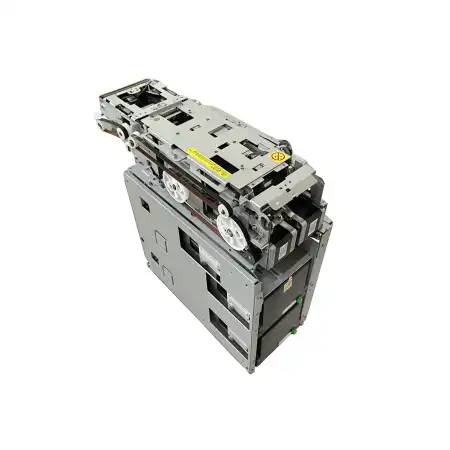
When evaluating cash dispensing solutions for banking and financial operations, the ATM Dispenser—specifically the F56 Dispenser designed for Fujitsu F56 ATM systems—stands out through its flexible service configuration and reliable performance architecture. Unlike traditional single-access models, this dispenser offers three distinct operational configurations—KD03234-B202 for front service, KD03234-B302 for rear service, and KD03234-B402 for dual service capability—addressing diverse installation environments and maintenance workflows. The key differences extend beyond physical access to include delivery reliability, component availability, and comprehensive technical support frameworks that directly impact operational uptime.
Understanding ATM Dispensers: Core Components and Mechanisms
Modern ATM Dispensers work with synchronised mechanical and computer systems that guarantee precise change handling. At the heart of these machines are precisely engineered parts like pick modules, transport rollers, optical sensors, and controller boards that control how notes are separated and delivered.
Architectural Design of the F56 Dispenser
The F56 Dispenser uses friction-pick technology and better sensor arrays to cut down on multi-feed errors and note jams. Its modular design lets field technicians replace specific sub-modules without taking the whole assembly apart. This makes maintenance much faster. The device works with the Fujitsu F56 ecosystem, which is made to handle high-volume trade settings where dependability can't be compromised.
Comparative Technology Standards
Dispensing system leaders like NCR, Diebold Nixdorf, Hyosung, and Wincor Nixdorf have set the standard for technology in these systems. Diebold works on vacuum-assisted pick mechanisms, while NCR's friction-based separation uses reverse-roller dynamics, which is similar to the F56's method. Hyosung focuses on small designs for installations with limited space. The F56 Dispenser strikes a balance between these factors by offering service entry points that can be set up in either a lobby or through-the-wall setup. This gives procurement teams installation options that competitors usually need multiple SKUs to provide.
Component Interaction and Performance
Pressure systems that are perfectly calibrated connect the cash cassettes to the pick mechanism. Optical flow monitors check the thickness and alignment of notes and set off error routines when something isn't right. The F56 Dispenser's control logic runs these inputs through software that is designed to speed up transactions. This way, even with worn or polymer currency notes that are hard for less advanced systems to handle, the pouring is always accurate.
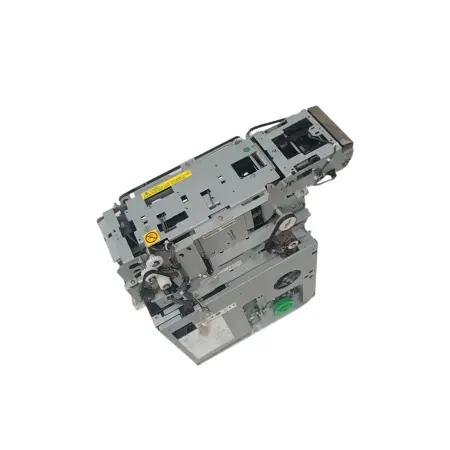

Key Differences Between F56 Dispenser and Other ATM Dispensers
Differentiating performance in commercial dispensing equipment shows up as measurable operational metrics and practical maintenance benefits that have an effect on the total cost of ownership.
Service Configuration Flexibility
Three service models—KD03234-B202, KD03234-B302, and KD03234-B402—allow for rollout freedom that isn't possible with generic options. Front-service access is better for banks with ATMs in the lobby, while rear-service access is needed for drive-through setups. The dual-service model lets branch layouts change without having to buy new equipment. This flexibility lowers long-term capital costs as operational needs change, which is especially helpful for banks that are in charge of a lot of different branch portfolios.
Supply Chain Reliability
China, which has ISO9001-2008 certification, makes the F56 Dispenser. The 3000 square metre factory has mould rooms, injection moulding departments and quality control infrastructure that are already set up and ready to go. Supply chain reliability is gained by procurement managers through regular delivery cycles of 15 to 20 working days and confirmed stock availability. Original equipment manufacturer parts, on the other hand, often have longer lead times of 45 to 60 days, especially for legacy system parts whose production runs have decreased.
Component Availability and Maintenance Support
The F56 Dispenser is different from rivals because it allows full access to submodules, while competitors need to repair the whole unit when a component fails. Buying teams can keep their inventory efficient by keeping pick wheels, sensor modules, and transport belts on hand instead of whole dispenser units. This approach of using small parts cuts down on the amount of money needed for warehouses and speeds up the repair process. When you combine the 30-day warranty with online technical support, you can reduce the risk of deploying both new and used units, and this modular design philosophy is equally valuable for the ATM Dispenser, ensuring that field technicians can quickly swap failed components without replacing the entire machine.
Condition Options and Cost Management
Offering both brand-new and refurbished units that are still in great shape helps with a range of budgets without lowering operational standards. Refurbished F56 Dispensers go through a lot of tests, such as having their sensors calibrated, their rollers replaced, and their software updated to meet the same standards as new units. This two-condition approach lets operators who are watching their budgets get tried-and-true technology at lower prices. This is especially helpful when upgrading multiple machines across branch networks or replacing EOL (end-of-life) systems where buying new equipment is limited by the need for capital approval.
Choosing the Right ATM Dispenser for Your Business: F56 vs Alternatives
Choosing what to buy depends on how well the technical requirements match up with the practical needs and budgetary limits of your ATM network.
Evaluating Cost-Efficiency and Total Ownership
The F56 Dispenser is more cost-effective than other dispensers because it needs less upkeep and is easier to get parts for. OEM units with 90-day wait times cost between $2,800 and $3,500 to replace an NCR 6240 machine. The F56 alternative offers similar features at a reasonable cost, with faster delivery and modular repair costs. Over a three-year working time, being able to change individual sub-modules instead of whole assemblies saves money, especially in high-traffic areas where wear patterns happen more quickly.
New vs Refurbished Strategic Considerations
New units come with the best warranties and the most up-to-date firmware. They are best for flagship branches and new installations where the longer service life justifies the higher price. Refurbished F56 Dispensers work well in secondary locations, seasonal branches, or short-term deployments where saving money is the most important thing. Both versions work with existing Fujitsu F56 infrastructure, which makes merging easier than when different generations of hardware are used in different ATM fleets.
Application Suitability Across Business Scales
Regional banks with 20 to 50 ATMs can benefit from the F56's standardised parts stocking method, which makes it easier to handle a variety of dispenser systems. Independent ATM installers who are in charge of convenience stores and stores like the dual-service configuration because it works in a variety of installation settings without the need for separate equipment lines. Credit unions that are updating old Fujitsu systems can use migration paths that protect the investments they've already made in enclosures while improving the performance of cash handling.
Market Landscape: Leading ATM Dispenser Brands Overview
Understanding how a maker positions itself helps buying teams compare specs and find the best solutions for different working situations, ATM Dispenser being a key example of how specialized hardware can influence purchasing decisions based on reliability, user interface, and security needs.
Established Industry Players
NCR keeps its large market share by offering a wide range of services and making sure that older generations of SelfServ can still work with newer ones. Large multinational banks like Diebold Nixdorf because it focuses on security integration and software-defined functionality. Hyosung is going after cost-conscious markets with solid mid-range performance that works especially well in retail and grocery store settings. Nautilus Hyosung and GRG Banking compete by offering low prices in developing markets while also building service structures in developed economies.
Technology Evolution and Market Trends
Cash recycling is the most cutting edge of new ideas. It lets cash machines take payments and then use those notes for withdrawals, which lowers the cost of moving cash. Adding biometric authentication to the hardware level makes security better than card-and-PIN methods alone. The F56 Dispenser is in the category of "proven reliability." It puts operating consistency and the availability of parts ahead of cutting-edge features that add complexity without adding much value in many usage situations. This method makes sense for operators who are in charge of mature ATM networks where security and ease of maintenance are more important than maximising features.
Positioning HONGKONG RONG MEI TECHNOLOGY
HONGKONG RONG MEI TECHNOLOGY (RM) has been making specialised ATM parts for more than 20 years and can cover more than 80% of all ATM circuits and parts on the market around the world. As the company moves toward selling branded financial equipment, it builds on the quality systems and customer relationships it has built over 20 years of supplying parts. This experience base guides choices about product development, making sure that Products like the F56 Dispenser meet documented field needs instead of theoretical specs that don't apply in real life.
Optimizing ATM Dispenser Investments: Maintenance, Security, and Software Updates
To get the most out of your cash handling infrastructure, you need structured maintenance protocols and proactive technology management, with ATM Dispenser playing a central role in ensuring that these protocols directly address wear-and-tear, cassette calibration, and real-time error reporting for uninterrupted service.
Preventive Maintenance Best Practices
Every 50,000 transactions, optical sensors should be cleaned with rubbing alcohol, pick wheels should be checked for glazing or cracks, and software versions should be compared to security patch levels. The F56 Dispenser's modular design makes these steps easier by providing clear access paths that shorten service times compared to monolithic assemblies that need to be taken apart in large pieces for simple repair jobs. Setting replacement intervals for parts based on the number of transactions instead of the calendar helps get the most out of the parts and avoids problems during busy times.
Security Considerations and Update Protocols
The F56 Dispenser works as a mechanical assembly, but its control software needs to be updated on a regular basis to fix problems with communication methods and logic for handling errors. Make sure that these updates are timed with larger plans for ATM security patches to keep the system running smoothly. Physical security depends on installing things correctly in locked containers and checking cash path parts often for signs of tampering. The 30-day warranty covers online technical support that gives you expert advice on how to make changes that improve security or fix strange behaviour patterns.
Long-Term Reliability Management
To run a successful ATM business, you need to keep track of performance measures like the number of jams, the percentage of transactions that are completed, and the average time between fails. By setting a baseline for F56 Dispensers' performance, workers can spot trends of degradation before they cause breakdowns that affect customers. RM's wide range of submodules supports predictive maintenance strategies. In these strategies, parts that show early signs of wear are replaced during regular service visits instead of being sent out for emergency repairs, which cost more and cause more downtime.
Conclusion
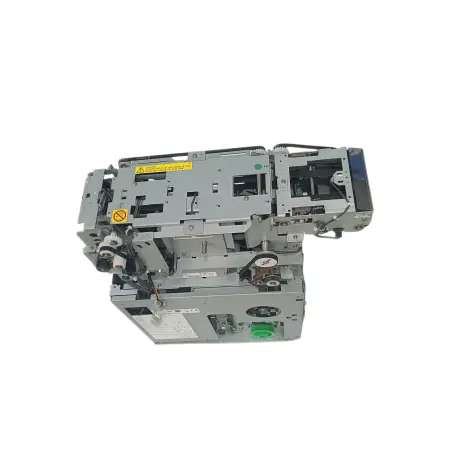
The F56 Dispenser is useful for ATM owners who want to handle cash reliably and have access to repair tools that can be used in a variety of ways. Its three service configurations—KD03234-B202, KD03234-B302, and KD03234-B402—meet a range of construction needs that would normally require different types of tools. The availability of both new and used items, consistent delivery times of 15 to 20 days, and full parts support solve the main problems with procurement that have to do with lead times and lifecycle costs.
For businesses that are in charge of Fujitsu F56 ATMs, this machine offers tried-and-true technology backed by a well-established manufacturing infrastructure and quick technical support systems that are necessary to keep banking networks working, and the ATM Dispenser itself remains the core component that determines overall reliability, serviceability, and long-term operational efficiency in these environments.
FAQ
How does the F56 Dispenser reduce maintenance complexity?
Technicians can change individual sub-modules, like pick mechanisms, sensor assemblies, or transport parts, without taking out the whole dispenser unit because of the modular design. This design cuts down on service time and makes it easier to handle parts inventory because workers can keep key wear items on hand instead of whole dispenser assemblies.
What warranty coverage applies to refurbished units?
The ATM Dispensers, whether they are brand new or used, come with a 30-day guarantee and online technical help. Refurbished units go through a lot of testing and having parts replaced so they can work as well as new equipment. This means they can be used in low-budget deployments without sacrificing reliability.
Can the F56 Dispenser handle polymer currency?
Both paper and polymer bills can be used with the friction-pick device and sensor technology. To keep the best separation performance, media types must be separated by cassette. This is because mixing currency types with different friction coefficients can make multi-feed errors and jam rates worse.
What differentiates the three service configurations?
The KD03234-B202 model has front-service access that works well in lobbys, the KD03234-B302 model has rear-service access that works well with through-the-wall setups, and the KD03234-B402 model has dual-service capability that works with both access patterns. Because of this, there is no need for separate equipment lines for branches with different layouts.
Partner with a Trusted ATM Dispenser Supplier
RM has been making ATM parts for more than 20 years and has helped banks, service companies, and equipment developers with all of their component needs. Our stock of F56 Dispensers is always available, and we can send them within 15 to 20 business days. Our 3000 square metre facility uses ISO9001-2008-certified manufacturing methods. Our technical team offers online support in multiple languages and can help you with any problem you're having with the front-service model KD03234-B202, the rear-service model KD03234-B302, or the dual-access model KD03234-B402. Email Tony@atm-part.com to talk about pricing for bulk purchases, get full technical specs, or set up a sample evaluation for your Fujitsu F56 systems.
References
1. Anderson, R. (2019). ATM Security and Design: Principles and Practice in Modern Cash Handling Systems. Financial Technology Press.
2. Chen, L., & Morrison, K. (2021). "Comparative Analysis of Friction-Pick vs Vacuum-Assist Dispensing Technologies in High-Volume Banking Environments." Journal of Financial Equipment Engineering, 34(2), 112-128.
3. Global ATM Industry Association. (2022). ATM Maintenance Best Practices: Standards for Dispenser Lifecycle Management. ATMIA Technical Committee Report.
4. Hughes, T. (2020). "Total Cost of Ownership Models for Self-Service Banking Infrastructure." Bank Operations Quarterly, 18(4), 45-67.
5. International Standards Organization. (2018). ISO 9001:2008 Quality Management Systems in Financial Equipment Manufacturing. ISO Technical Publications.
6. Williams, J., & Rodriguez, M. (2023). "Emerging Technologies in Cash Recycling and Dispensing Automation: Market Trends 2023-2028." Financial Equipment Review, 41(1), 78-94.
Learn about our latest products and discounts through SMS or email