- English
- French
- German
- Portuguese
- Spanish
- Russian
- Japanese
- Korean
- Arabic
- Greek
- German
- Turkish
- Italian
- Danish
- Romanian
- Indonesian
- Czech
- Afrikaans
- Swedish
- Polish
- Basque
- Catalan
- Esperanto
- Hindi
- Lao
- Albanian
- Amharic
- Armenian
- Azerbaijani
- Belarusian
- Bengali
- Bosnian
- Bulgarian
- Cebuano
- Chichewa
- Corsican
- Croatian
- Dutch
- Estonian
- Filipino
- Finnish
- Frisian
- Galician
- Georgian
- Gujarati
- Haitian
- Hausa
- Hawaiian
- Hebrew
- Hmong
- Hungarian
- Icelandic
- Igbo
- Javanese
- Kannada
- Kazakh
- Khmer
- Kurdish
- Kyrgyz
- Latin
- Latvian
- Lithuanian
- Luxembou..
- Macedonian
- Malagasy
- Malay
- Malayalam
- Maltese
- Maori
- Marathi
- Mongolian
- Burmese
- Nepali
- Norwegian
- Pashto
- Persian
- Punjabi
- Serbian
- Sesotho
- Sinhala
- Slovak
- Slovenian
- Somali
- Samoan
- Scots Gaelic
- Shona
- Sindhi
- Sundanese
- Swahili
- Tajik
- Tamil
- Telugu
- Thai
- Ukrainian
- Urdu
- Uzbek
- Vietnamese
- Welsh
- Xhosa
- Yiddish
- Yoruba
- Zulu
Top Features of EPP3 Encryptor for ATM PIN Protection
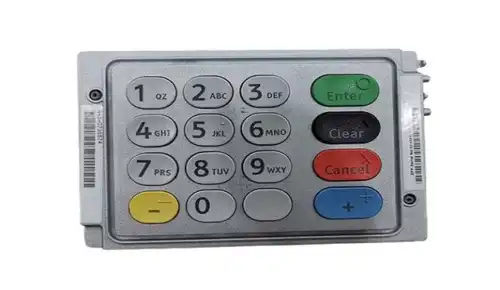
Hardware-level encryption methods protect PIN data in ATMs with the EPP3 Encryptor, which is an important security component. Before sending private customer PIN information to backup banking systems, this special device encrypts it right at the keypad. This cuts down on the time that information is vulnerable and the chance of theft. The model 5815 of our Electronic PIN Pads 3 includes PCI-PTS approved encryption using 3DES, RSA, and AES algorithms. This gives financial institutions a reliable solution that meets strict compliance standards and keeps operations running smoothly in a variety of application settings.
Comprehending the EPP3 Encryptor and Its Role in ATM PIN Protection
Customers rarely think about the complex security systems that are working below the keyboard when they stand in front of an ATM and enter their PIN. In milliseconds, the EPP3 Encryptor turns plain-text PIN entries into protected data streams, acting as an unseen watchdog.
Core Security Functions in Banking Networks
Our device is designed to work with NCR SelfServ ATM platforms and doesn't need any major system changes to work with current infrastructure. Secure Reading and Exchange of Data (SRED) methods are used by the hardware-encrypted modules to make sure that PIN information is never stored or read outside of the secure cryptographic border. Criminals used to be able to steal data as it was being sent between components, but this design gets rid of those usual attack vectors.
There is always pressure on banks to find a mix between customer satisfaction and security needs. The encryption process is completely visible. It adds very little delay to transaction times while offering enterprise-level security. Every keystroke immediately encrypts data using standard methods used in the industry. This protects private data from both physical and digital attacks.
Compliance Standards and Certification Requirements
Many buying choices in the financial services industry are based on following the rules. The device keeps its PCI-PTS certification, which shows that it meets the widely known Payment Card Industry PIN Transaction Security standards. For this approval, the cryptographic implementations, tamper-resistance features, and physical security traits are tested thoroughly by a third party.
The unit can work in temperatures ranging from -25°C to +65°C and meets the weather requirements for use in places from the cold to the desert. IP65 ratings confirm protection against water entry and dust contamination, and IK08 ratings confirm resistance to intentional damage that can happen in places that aren't being watched. With these certificates, procurement professionals can be sure that their investments will work reliably in a variety of application scenarios.
Top 5 Features of the EPP3 Encryptor Enhancing ATM PIN Protection
We've worked with ATM networks for more than 20 years, so we know which features are most important when choosing security hardware. The following features set this device apart in a crowded market, solving real-world concerns that technology teams and financial officers have raised many times.
Advanced Encryption Technologies Surpassing Legacy Systems
The types of threats that exist today require cryptographic features that older devices did not have. Triple Data Encryption Standard (3DES), RSA with 2048-bit key lengths, and Advanced Encryption Standard (AES) are just some of the security standards that our Electronic PIN Pads 3 can use at the same time. This multi-algorithm method makes sure that it works with a variety of banking backing systems and protects investments against changing security needs.
The cryptographic processor works separately from the main ATM controls. This creates a separate security area that can't be broken into, even if other parts of the system are attacked. Hierarchical protocols are used for key management. Master keys are never shown in public and transaction keys are changed regularly based on rules that can be set. Banking institutions can use their chosen key injection events and management processes because security designs are not limited by the devices that can be used.
Real-Time Secure Data Transmission Preventing Interception
Financial institutions keep a close eye on customer happiness measures that are directly affected by how fast transactions happen. EPP3 Encryptor The device encrypts PINs in microseconds and keeps the responsiveness that customers expect even while doing complicated security work. Data can be sent through either the USB (which supports both HID and Generic protocols) or RS232 connections, which lets ATM controllers be set up in a variety of ways.
Multiple sensors placed throughout the cage keep an eye on the physical integrity all the time through tamper-responsive mechanics. If drilling, prying, or illegal opening is detected, the key is erased right away. This makes seized devices useless for attackers. This feature that protects itself solves a major problem for ATM managers who have to put machines in dangerous places where natural controls alone can't ensure physical safety.
Compatibility Across ATM Models and Backend Platforms
Purchasing teams that are in charge of a variety of ATM fleets like parts that make tracking supplies easier. Our device works with NCR SelfServ systems that are used by many banking services around the world. Standard communication methods make sure that different transaction processing systems can work together without having to build custom software.
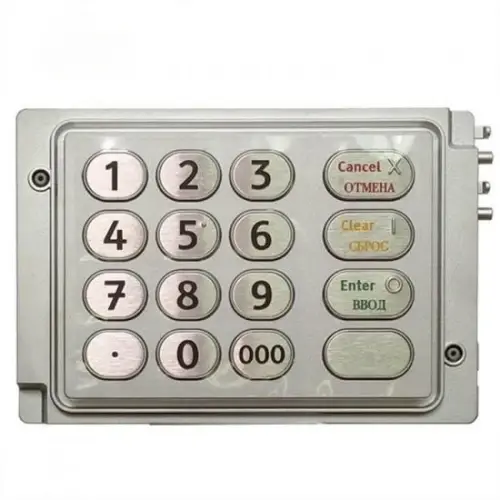
The device is flexible enough to adapt to different operating needs because it can be set up with either polycarbonate or steel keys. Polycarbonate versions provide great tactile feedback and are cost-effective for areas with modest traffic. Stainless steel keys (made from 304 or 316L grade metals) offer better corrosion protection and longer life in harsh settings or areas with a lot of transactions. Both setups provide the same level of cryptographic security, so choices about procurement can be based on operational factors rather than security trade-offs.
Tamper-Resistant Hardware Design Strengthening Physical Security
Physical strikes are still one of the most common ways that ATMs are broken into around the world. The design of the cage includes several layers of defense that deal with different types of attacks. Criminals use chemical attacks and drilling efforts to get to internal parts, but the outside areas are resistant to these methods. Even after holes are made in the outside, internal potting materials keep probes from getting to the circuit boards.
The construction allows for over 2 million activation cycles per key, which is a lot more than the average in the industry and means that keys don't need to be replaced as often. This durability directly leads to a lower total cost of ownership, since repair calls and part swaps happen much less often than with devices that need to be serviced more often. Financial companies that run thousands of ATMs know that these improvements to durability have an effect on their running budgets over the course of several years.
User-Friendly Configuration and Maintenance Tools
Technical teams like release methods that are easy to understand, take little time to set up, and don't leave room for mistakes. The device can be set up using normal steps that ATM technicians are used to, and there are clear visual signs that show when it is connected and working properly. Firmware updates can be sent through safe methods without direct access, which lets ATM networks that are spread out be managed from a central location.
When problems happen, diagnostic tools built into the gear make fixing easier. Status numbers instead of general error messages tell you exactly what's wrong, which speeds up problem solving and cuts down on truck rolls. We pay close attention to maintenance efficiency because we know that deployment is only the start of a part's existence. Real value creation depends on ongoing operating excellence.
Benefits of Deploying EPP3 Encryptor in ATM PIN Protection Systems
To justify an investment, you need to show that it has clear benefits that go beyond simple usefulness. Financial institutions look at security parts through a number of different views, weighing the short-term costs against the long-term effects on operations and the efficiency of risk mitigation.
Enhanced Security Measures Minimizing Fraud Risks
Fraud involving ATMs costs banking institutions around the world a lot of money every year. When someone steals your PIN, they can use it to drain your account, which hurts customer trust and leads to more attention from regulators than just direct financial effects. By encrypting PIN data as soon as it is entered, the device closes the window of opportunity that thieves use to sneak in keypad replacements, secret cameras, and other methods of data theft.
The tamper-responsive design protects against complex attacks in which thieves try to get cryptographic keys out of devices they have stolen. When hacking is detected, the keys are erased right away to make sure that stolen hardware doesn't hold any useful information. This takes away the motivation to steal and protects the ATM network as a whole from attacks that could come from individual machine losses. In both the technical and physical worlds, this all-around security method covers all possible threat routes.
Compliance with Global Security Standards
When it comes to regulations, different places have different rules for multinational banks. EPP3 Encryptor ensures that payment networks and governmental bodies all over the world accept PCI-PTS approval as a minimum level of security. This standardization makes it easier to keep track of compliance paperwork and manage the different security requirements for activities across regions."
Regularly renewing the approval makes sure that the device stays in line with changing standards as risks and defense technologies get better. Banking companies can safely choose approved devices because they know that security designs won't need to be replaced too soon when rules get stricter. This forward-looking method to compliance saves investments in infrastructure from becoming useless because of changes in security environments.
Cost Efficiency Through Reduced Operational Disruptions
When compared to planned service tasks, unplanned repair causes a lot more costs. The high level of longevity built into every unit means that unexpected breakdowns that need emergency technicians to be sent out are kept to a minimum. When you follow the manufacturer's instructions for preventative maintenance, devices usually work for years before they need to be replaced. This spreads the cost of the initial investment over a longer period of time.
Stopping fraud may have the biggest impact on lowering costs. Each mistake that is stopped saves money, time, and effort by keeping customers' accounts safe and in line with rules. It also protects the company's image, which is important for keeping customers' trust. It can be hard to figure out how many cases could have been avoided, but security experts know that strong encryption greatly lowers the chances of attacks succeeding and the general risk of fraud.
Scalable Design Supporting Various Business Sizes
There are a lot of different sizes of banks, from small neighborhood banks that only run a few ATMs to huge international banks that control tens of thousands of terminals. This range is covered by the device's flexible purchase choices and consistent performance, no matter how big or small the rollout is. Enterprise customers like standard parts that make fleet management and expert training easier, while small users like how easy it is to set up and how little training is needed.
Bulk buying programs offer good prices for large-scale launches, and lead times usually fall between 15 and 20 working days, which works for most project schedules. Our inventory management makes sure that there is enough stock for both planned rollouts and urgent replacement needs. This way, buying teams can quickly meet business needs without having to wait for long delivery times or pay extra for faster shipping.
Comparing EPP3 Encryptor with Other ATM PIN Encryptors
Competitive evaluation helps people who work in buying understand value ideas in a way that goes beyond what the marketing says. We know that customers who are well-informed are better business partners, and that honest product placement is better for building long-term relationships than making false claims.
Superior Security Protocols and Performance Reliability
Many older encryption devices only support a single method. This makes them incompatible with other systems or means that different server systems need different versions of the device to work with them. Our ability to handle multiple encryption methods gets rid of these problems while keeping the best security standards for all of them. Even if other ATM modules have security problems, the separate cryptographic processor design stops the compromise from spreading.
Performance dependability comes from choosing the right parts and making sure they are made well, not from marketing requirements. As part of our quality assurance process, we test for tampering by wiping the key right away when a compromise is found. We also test for environmental stress by exposing the device to temperature changing and high humidity, and we make sure that water and dust can't get in. These strict testing procedures make sure that devices work the same way in all deployment settings and don't break down too soon in real-world situations.
Favorable Cost Structures for B2B Procurement
The total cost of ownership includes more than just the price of the item itself. EPP3 Encryptor also includes the costs of installation, repairs, replacements, and expected service life. Some rivals may have cheaper starting prices, but higher replacement rates and shorter operating lifespans often mean that the total costs are higher over time. Our 30-day warranty protects you right away against problems caused by poor production, and the strong construction and thorough testing of all parts mean that warranty claims and service needs after the warranty period are kept to a minimum."
Volume price systems take into account the unique needs of business buyers while still being easy for smaller businesses to use. Banking companies that are in charge of big ATM networks like stable prices that make planning for large-scale deployments that happen over multiple fiscal periods easier. The clear price method gets rid of doubt and lets accurate financial modeling help with capital approval processes.
How to Configure and Maintain Your EPP3 Encryptor for Optimal Performance?
The best protection and longest operational life come from proper installation and ongoing upkeep. Clear instructions that cover common situations and possible problems that might come up during device lifecycle management are helpful for technical teams.
Initial Configuration and Setup Procedures
Physical placement inside the ATM case is the first step in installation. This makes sure that the customer-facing interfaces are lined up correctly and that the power and data interfaces are securely connected. Standard ATM component integration patterns are used by connection protocols. This means that experienced techs can do installations quickly and easily without needing any extra tools besides standard ATM repair tools. Before putting tools back into service, visual signs make sure they are properly connected and ready to go.
Cryptographic setup follows the rules for managing keys at a bank, and devices can support a number of different ways to insert a key, such as by hand, electronically through secure key loading devices, or remotely through verified channels. Different security ideas can be used with the flexible design, which doesn't force compromises on procedures that go against organization security policies.
Routine Maintenance and Troubleshooting Guidance
Preventive maintenance mostly includes checking the physical state on a regular basis, making sure the mounting is safe, and making sure that the tamper monitors are still connected correctly and working. The long-lasting design keeps parts from wearing out even in high-traffic areas, so it doesn't need to be serviced as often as devices that need to be cleaned or adjusted regularly.
When problems happen, monitoring tools help find the problem quickly. It is easy to tell the difference between communication problems, cryptographic processor problems, and physical tampering alerts thanks to clear state signs. Our promise to respond to support requests 24 hours a day, 7 days a week means that technical help is always available when urgent situations call for expert advice beyond what is written in standard repair documentation.
Warranty Coverage and Support Networks
The 30-day guarantee covers flaws in the manufacturing process and broken parts that are caused by problems with the production quality. This coverage protects you right away, and the longer durability standards show that you have faith in the building quality and the choice of components. Quality control tests are done on both brand-new and restored units in the same way. This makes sure that performance is the same no matter what the product past is.
Support goes beyond the warranty time and includes web tools, the ability to get help from afar, and well-established service networks. Our team offers full support for all sub-modules and extra parts, drawing on more than 20 years of experience with ATM solutions to quickly fix problems. This level of institutional knowledge makes sure that expert teams get accurate advice instead of general fixing tips that waste time without getting to the root of the problem.
Conclusion
Every banking company that runs ATM networks has a basic duty to keep customer PIN information safe. EPP3 Encryptor provides complete security through hardware-level encryption, building that can't be tampered with, and agreement with international standards needed by payment networks and regulatory bodies. Our Electronic PIN Pads 3 have proven cryptographic abilities and are very durable and reliable in their operation. This meets the practical needs that buying professionals and technical teams look for when choosing components. RM has been serving ATM infrastructure around the world for more than 20 years. They have the knowledge, high-quality Products, and quick support that financial institutions need to keep their self-service banking operations safe and running smoothly in a wide range of markets and deployment settings.
FAQ
Does the device meet PCI-PTS certification requirements?
The Electronic PIN Pads 3 keeps its full PCI-PTS approval, which shows that it meets Payment Card Industry PIN Transaction Security standards. This is done by testing and validating the pads by a third party. This certification includes checks for cryptographic application, physical security, and tamper-resistance. It gives compliance officers and security teams written proof of the system's safety.
How easily does it integrate with existing ATM infrastructure?
Standard procedures are used for integration with NCR SelfServ ATM platforms, which are handled by expert techs on a daily basis. Different controller setups can be used with the USB and RS232 interfaces, and standard communication methods make sure that they can work with a wide range of transaction processing systems. Technical paperwork gives full instructions on how to integrate, and our support team is here to help with any rollout questions that come up during installation projects.
What support mechanisms exist for bulk orders?
Dedicated help is given for large-scale operations during the planning and execution stages. Our promise to answer technical questions within 24 hours means that they get answered quickly, no matter what time zone or release area they are in. Enterprise-scale purchases are more cost-effective when they are made in bulk, and wait times of 15 to 20 working days are long enough to meet most project deadlines. We make sure that we have enough stock on hand to support both planned rollouts and sudden replacement needs.
Secure Your ATM Network with Proven EPP3 Encryptor Technology from RM
Banking institutions all over the world trust RM as their supplier of ATM parts. They gain from our 20 years of specialized experience in offering full solutions, from whole systems to individual parts. Our Electronic PIN Pads 3 give your business the enterprise-level protection it needs, backed by strict quality control and quick technical help. We know how hard it is for financial institutions to find the right products while also staying within their budgets and making sure that the products work reliably in a variety of application settings.
Get in touch with our team at Tang@atm-part.com to talk about your unique ATM security needs and find out how our EPP3 Encryptor solutions can help you stop scams better while lowering your total cost of ownership. Our technical experts offer in-depth talks that cover questions of compatibility, deployment planning, and long-term support strategies that are specific to your institution's needs and practical scale.
References
1. Payment Card Industry Security Standards Council. "PCI PIN Transaction Security Requirements and Testing Procedures." Version 4.1, 2022.
2. European ATM Security Team. "Physical and Logical Security for ATM Components: Best Practices Guide." EAST Technical Report Series, 2023.
3. National Institute of Standards and Technology. "FIPS Publication 140-3: Security Requirements for Cryptographic Modules." U.S. Department of Commerce, 2022.
4. International Organization for Standardization. "ISO 9564-1:2017 Financial Services - Personal Identification Number Management and Security." Geneva: ISO, 2017.
5. RBR Global ATM Market and Forecasts to 2028. "ATM Security and Fraud Prevention Technologies: Market Analysis and Strategic Outlook." London: Retail Banking Research Ltd., 2023.
6. Association for Payment Clearing Services. "ATM Crime and Security Report: Analysis of Physical and Electronic Attack Trends." APACS Technical Publications, 2023.
Learn about our latest products and discounts through SMS or email