- English
- French
- German
- Portuguese
- Spanish
- Russian
- Japanese
- Korean
- Arabic
- Greek
- German
- Turkish
- Italian
- Danish
- Romanian
- Indonesian
- Czech
- Afrikaans
- Swedish
- Polish
- Basque
- Catalan
- Esperanto
- Hindi
- Lao
- Albanian
- Amharic
- Armenian
- Azerbaijani
- Belarusian
- Bengali
- Bosnian
- Bulgarian
- Cebuano
- Chichewa
- Corsican
- Croatian
- Dutch
- Estonian
- Filipino
- Finnish
- Frisian
- Galician
- Georgian
- Gujarati
- Haitian
- Hausa
- Hawaiian
- Hebrew
- Hmong
- Hungarian
- Icelandic
- Igbo
- Javanese
- Kannada
- Kazakh
- Khmer
- Kurdish
- Kyrgyz
- Latin
- Latvian
- Lithuanian
- Luxembou..
- Macedonian
- Malagasy
- Malay
- Malayalam
- Maltese
- Maori
- Marathi
- Mongolian
- Burmese
- Nepali
- Norwegian
- Pashto
- Persian
- Punjabi
- Serbian
- Sesotho
- Sinhala
- Slovak
- Slovenian
- Somali
- Samoan
- Scots Gaelic
- Shona
- Sindhi
- Sundanese
- Swahili
- Tajik
- Tamil
- Telugu
- Thai
- Ukrainian
- Urdu
- Uzbek
- Vietnamese
- Welsh
- Xhosa
- Yiddish
- Yoruba
- Zulu
Why Banks Prefer Bunch Recycler Module BRM Systems
Innovative cash management technologies are being quickly adopted by banks around the world to improve security, ease operations, and cut costs. It has become clear that the BRM Banking System is a game-changing answer that fixes major problems in modern banks. Traditional ways of handling cash involve different deposit-accept-dispense systems that need to be operated by hand. These advanced recycler modules, on the other hand, automate the whole cash cycle, from verifying the cash to storing it and distributing it again. This technology offers instant transaction handling, cuts costs by up to 40%, and finds fakes in a way that meets Central Bank standards. Financial companies that use these systems say that they make staff work much more efficiently, make more cash available, and stop fraud by a huge amount. This makes recycler technology an important part of a competitive banking infrastructure.
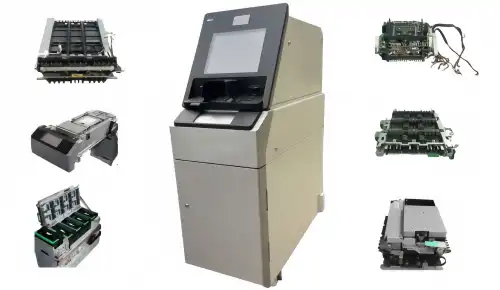
Understanding the Bunch Recycler Module (BRM) System
These days, managing cash requires more than just being able to put and take money. How banks handle money in their daily business has changed a lot because of the way recycler modules are built.
Core Components and Operational Design
At its core, the recycler module combines several complex elements into a single base for handling cash. The system can handle 8 to 12 notes per second, and it can hold 200 to 300 notes per transaction in escrow. This means that it can handle busy banking hours without any problems. High-tensile anti-static belt transport systems and strengthened polymer gears are built into the flexible design to make sure it works reliably in temperatures from 0°C to 50°C. This sturdy design is especially useful for schools that work in different climates where normal equipment doesn't work well when temperatures change.
Multi-Spectral Image Analysis, pattern recognition, and UV fluorescence sensors are all used in the confirmation process. All of these technologies work together to make sure that money is real, finding complex fakes that get past easier proof methods. When suspicious notes are found, the system sends them immediately to special reject bins so that legal currency can continue to be processed.
Integration with Existing Banking Infrastructure
When buying teams look at recycler technology, they need to make sure that it works with well-known payment systems. The Bunch Recycler Module, which was made to work with NCR SelfServ 83/87 ATMs, is an example of how focused engineering can make integration go smoothly. This method gets rid of the problems with compatibility that come with general solutions. This lets banks improve how they handle cash without having to replace whole ATM networks.
The dynamic cassette mapping feature adapts to different denomination needs, which lets banks change how they distribute cash based on trade trends and yearly needs. Branch managers can change the orders of cassettes from afar, based on changes in local cash flow, without sending techs to make changes in person. This versatility cuts down on downtime and makes sure that all branch locations have the right amount of cash on hand.
Why Traditional Banking Software Falls Short Compared to BRM Systems
Traditional ways of managing cash lead to practical errors that get worse as the number of transactions rises. Knowing these problems makes it clear why forward-thinking banks put recycler technology investments at the top of their list.
Operational Limitations of Conventional Methods
Traditional ATMs split taking deposits from giving out cash, so they need twice as much equipment to handle cash flow in both directions. This duplicate makes it more important to keep up with upkeep, stock up on parts, and use floor area wisely. More importantly, it stops the cost-saving benefits of cash recycling, which is when money that is placed is quickly ready for withdrawal. When banks use traditional systems, they need to keep more cash on hand and plan protected transfer services more often. This increases transportation costs, which have a direct effect on profits.
When bank tasks are done by hand, mistakes can happen when handling cash. Miscounts, wrong identification of fakes, and inconsistent procedures cost money and cause problems with customer service. The time it takes to validate and sort transactions by hand also slows down transaction throughput during busy times, causing lines that hurt the customer experience and make the store less efficient.
Measurable Performance Improvements
When financial institutions switch to recycling technology, they report measurable business gains. BRM Banking System Counting mistakes happen in about 0.5 to 2% of human deals. Automated validation gets rid of these mistakes, which saves high-volume branches a lot of money. Comprehensive quality systems can keep systems up 99.5% of the time, which is a level of consistency that human processes can't match.
When recycler units improve currency flow, cash transport costs can drop by as much as 40%. Deposited bills are quickly used for withdrawals, which cuts down on the amount of cash that needs to be transported safely. When an organization has multiple branches spread out over large areas, this improvement is especially helpful because protected transport is a big cost for them.
How Banks Benefit from Implementing BRM Systems
By switching to more advanced recycling technology, many operating areas will be improved, giving financial institutions great return on their investments.
Immediate Transaction Processing and Customer Experience
Mixed cash payments are validated and credited right away when they go through recycler units. Customers don't have to wait for temporary credits or delayed access anymore, which makes them happier and cuts down on the number of questions they ask. The system can handle dirty, worn, or broken money while keeping output high. It can handle the way bills are used in real life without causing process delays.
This ability to handle information right away is especially helpful in retail banking settings. When cashiers make payments at the end of the shift, they get temporary credit right away, while the system sorts possible fakes into separate reject bins. This feature makes it easier for businesses to control their cash flow and keeps banks from taking fake money.
Enhanced Security Protocols and Fraud Prevention
Central Bank-compliant counterfeit detection keeps businesses from having to accept complex fakes. Multi-Spectral Image Analysis, pattern recognition, and UV fluorescence detection work together to make multiple layers of identification that are much stronger than what can be done by hand. These systems find fake bills that even trained bankers might miss. This stops loses and the problems that come with having fake money in circulation.
Modular design includes built-in physical security features that stop tampering and illegal entry. Stronger building and anti-static belt transport systems can handle both natural stress and tries to change them on purpose. When these security measures are combined with full monitoring systems, they create audit trails that meet legal standards and stop employees from committing fraud.
Real-Time Data Management and Compliance Support
Full reporting tools turn raw transaction data into practical information that can be used. Managers can see the current amount of cash on hand on all connected devices, which allows for proactive adjustment that stops power blackouts. Customizable reports help with getting ready for audits, keeping records of legal compliance, and analyzing performance to find ways to improve it.
The ISO9001-2008 certification that supports quality systems makes sure that performance standards are always the same and meet international standards. This certification is very helpful for international banks that do business in a lot of different legal areas because it lets them know that their equipment meets all of the different compliance standards without having to be changed to fit each market.
Choosing the Right BRM System for Your Financial Institution
When making a procurement choice, it's important to carefully consider technical capabilities, vendor help, and the possibility of a long-term relationship. Knowing the important selection factors helps organizations find solutions that meet their practical needs and strategic goals.
Evaluating Technical Specifications and Performance Metrics
BRM Banking System Processing speed has a direct effect on how long customers have to wait and how much work can be done at a store. The 8–12 notes per second standard gives you a way to compare the performance of different options. Institutions that serve places with a lot of traffic should focus on systems at the top of this range. Branches with modest transaction rates may find performance in the middle of this range to be sufficient.
The escrow capacity tells the system how many notes it can hold briefly while they are being checked out, before they need to be accepted or rejected. The 200-300 note capacity can hold big deposits without having to split them into multiple transactions. This makes processing faster for business users who are depositing a lot of cash.
The operating temperature range affects how easily the system can be set up in different branch sites. Institutions that work in both cold climates and tropical climates can use systems that work regularly from 0°C to 50°C, which means they don't have to build expensive temperature control infrastructure around ATM sites.
Vendor Support and Long-Term Partnership Considerations
Established producers are different from younger ones in the market because they have technical knowledge that has been built up over more than 20 years. This knowledge is used by HONGKONG RONG MEI TECHNOLOGY, which has a 3,000-square-meter building with special mold rooms, injection molding equipment, and quality control departments. This unified method makes sure that all the parts work together correctly and lets you quickly adapt to changing customer needs.
A full inventory that includes more than 80% of ATM circuits and parts protects the supply chain and cuts down on downtime. When parts need to be replaced, being able to get them right away cuts down on the time it takes to order from far away sources or wait for making runs. This is especially important for institutions that work in emerging markets, where foreign shipping can take weeks and make buying processes longer.
The 30-day warranty and online technical help show that the company behind the product is confident in its reliability and lower the risk for buyers. The 24-hour response time for questions makes sure that technical questions are answered quickly, which keeps small problems from becoming big ones that stop operations.
Procurement Insights: How to Acquire and Deploy BRM Systems
Strategic purchase methods get the most value for the money while lowering the risks of implementation. Learning about the best ways to buy things can help schools choose vendors, negotiate contracts, and plan deployments.
Partnering with Verified Suppliers and Manufacturers
Working directly with makers like RM cuts out markups for middlemen and gives you access to technical knowledge that dealers might not have. Direct relationships also make it possible to talk about customizations that meet the specific needs of an institution. For example, hardware changes for specific operational needs or multilingual interface adaptations for a wide range of customers.
BRM Banking System You can choose from brand-new units or units that have been carefully fixed up, so you can stick to a budget. Refurbished modules go through strict quality control to make sure they work as well as new equipment and are cheaper, which is appealing to buyers who want to save money. This dual access is especially helpful for institutions that are improving more than one location. Combining new flagship installations with refurbished units at minor branches makes the best use of the total investment.
Managing Implementation Timelines and Training Requirements
The delivery period of 15 to 20 working days makes project planning more realistic because it lets you plan when the tools will arrive and how long it will take to set up the building and train staff. This lead time turns out to be much faster than many competitors', cutting down on the time between approval of a choice and launch.
A successful execution includes more than just installing things. It also includes teaching everyone who works on the project. The people who work as tellers need to be taught how to handle transactions, deal with errors, and let customers know about new features. The people who work in maintenance need to be taught how to do simple troubleshooting, regular maintenance, and when to call manufacturer help. Remote video help and expert documentation in multiple languages make it easier for people to share their knowledge across language obstacles and long distances.
Customization Options for Market-Specific Requirements
Hardware changes are made to meet specific operating needs that aren't met by normal configurations. Manufacturers who are willing to create solutions instead of making practical compromises are good for banks that work in markets with odd denomination structures, special security needs, or connection with legacy systems.
Institutions that serve a wide range of people can benefit from multilingual interface modifications. Audio prompts and screens that face the customer can show directions in more than one language. This makes the system more accessible and lowers the number of times non-native speakers quit a transaction. This tailoring is especially helpful in international markets where customers speak a lot of different languages.
Conclusion
Using BRM Banking System with Bunch Recycler Module technology has strategic benefits that go far beyond just making operations more efficient. When financial institutions use these tools, they become more competitive because they lower costs, make security better, and give customers a better experience — and BRM Banking System integrates seamlessly into this framework. Immediate transaction processing, full phony detection, and smart cash recycling all work together to give a clear return on investment while also helping with regulatory compliance and being ready for audits.
As banks moves more toward automation and self-service models, recycler technology is becoming more of an important part of the infrastructure than an extra that can be added if desired. It's possible for institutions that wait too long to adopt to lose users to banks that offer faster transfers and more ATM features. Adoption is possible for all kinds of organizations, from small banks to large networks, thanks to its proven performance, established vendor support, and flexible purchasing choices from experienced makers.
FAQ
How does recycler technology reduce cash logistics costs?
Recycler modules make stored currency instantly available for withdrawal transactions. This greatly reduces the amount of cash that needs to be transported in armored vehicles between offices and central vaults. This improvement cuts transportation costs by up to 40% and makes it easier for branch networks to get cash. The decrease is especially important for schools that have multiple sites spread out over large areas.
What makes BRM systems compatible with existing ATM infrastructure?
Modules made just for NCR SelfServ 83/87 ATMs are examples of purpose-built systems that make it easy to connect to other equipment. This focused engineering method gets rid of compatibility worries and lets banks improve how they handle cash without replacing whole ATM networks. This protects the infrastructure investments that were made in the past.
How reliable are refurbished units compared to new equipment?
When units are expertly restored, they go through a lot of quality control steps that make them work as well as new equipment. Manufacturers like RM back these units with the same 30-day warranty and online technical support that they offer for new modules. This shows that they trust the stability of refurbished modules and gives schools on a tight budgets affordable ways to update.
Ready to Transform Your Cash Management Operations?
RM is ready to help your bank use the cutting edge BRM Banking System technology to improve how it works. We know the unique problems that financial institutions in both new and old markets face because we have been making BRM Banking Systems for over 20 years and have a lot of experience with ATM technology. Our full solutions, which include everything from whole systems to individual parts, are backed by ISO9001-2008 certification, which means you'll get equipment that meets strict international quality standards.
Whether you need brand-new units for high-profile sites or refurbished modules for low-cost deployments, we keep a lot of them in stock and can ship them right away. Our team offers help in multiple languages, online video troubleshooting, and customization services that are made to fit your unique needs. Contact Us at Tang@atm-part.com right away to talk about how our Bunch Recycler Module options for NCR SelfServ 83/87 ATMs can cut your cash handling costs by 40% while also making transactions faster and safer. You can see all of our Products at atm-part.com and ask for a full specification review there.
References
1. Anderson, R. (2021). Cash Automation in Modern Banking: Technologies and Best Practices. Financial Technology Publishers.
2. Chen, L., & Roberts, M. (2020). "Cost-Benefit Analysis of Cash Recycling Systems in Retail Banking," Journal of Banking Technology, 45(3), 127-145.
3. European Central Bank. (2022). Payment Statistics and Cash Cycle Optimization in Financial Institutions. Frankfurt: ECB Publications.
4. Martinez, S. (2023). ATM Technology and Self-Service Banking Infrastructure. New York: Banking Systems Press.
5. Thompson, J., & Liu, W. (2021). "Counterfeit Detection Technologies in Automated Cash Handling Systems," International Journal of Financial Security, 18(2), 89-106.
6. World Bank Group. (2022). Financial Infrastructure Modernization in Emerging Markets: Trends and Technologies. Washington DC: World Bank Publications.
Learn about our latest products and discounts through SMS or email