- English
- French
- German
- Portuguese
- Spanish
- Russian
- Japanese
- Korean
- Arabic
- Greek
- German
- Turkish
- Italian
- Danish
- Romanian
- Indonesian
- Czech
- Afrikaans
- Swedish
- Polish
- Basque
- Catalan
- Esperanto
- Hindi
- Lao
- Albanian
- Amharic
- Armenian
- Azerbaijani
- Belarusian
- Bengali
- Bosnian
- Bulgarian
- Cebuano
- Chichewa
- Corsican
- Croatian
- Dutch
- Estonian
- Filipino
- Finnish
- Frisian
- Galician
- Georgian
- Gujarati
- Haitian
- Hausa
- Hawaiian
- Hebrew
- Hmong
- Hungarian
- Icelandic
- Igbo
- Javanese
- Kannada
- Kazakh
- Khmer
- Kurdish
- Kyrgyz
- Latin
- Latvian
- Lithuanian
- Luxembou..
- Macedonian
- Malagasy
- Malay
- Malayalam
- Maltese
- Maori
- Marathi
- Mongolian
- Burmese
- Nepali
- Norwegian
- Pashto
- Persian
- Punjabi
- Serbian
- Sesotho
- Sinhala
- Slovak
- Slovenian
- Somali
- Samoan
- Scots Gaelic
- Shona
- Sindhi
- Sundanese
- Swahili
- Tajik
- Tamil
- Telugu
- Thai
- Ukrainian
- Urdu
- Uzbek
- Vietnamese
- Welsh
- Xhosa
- Yiddish
- Yoruba
- Zulu
MiniMech Dispenser vs Traditional Cash Dispensing Systems
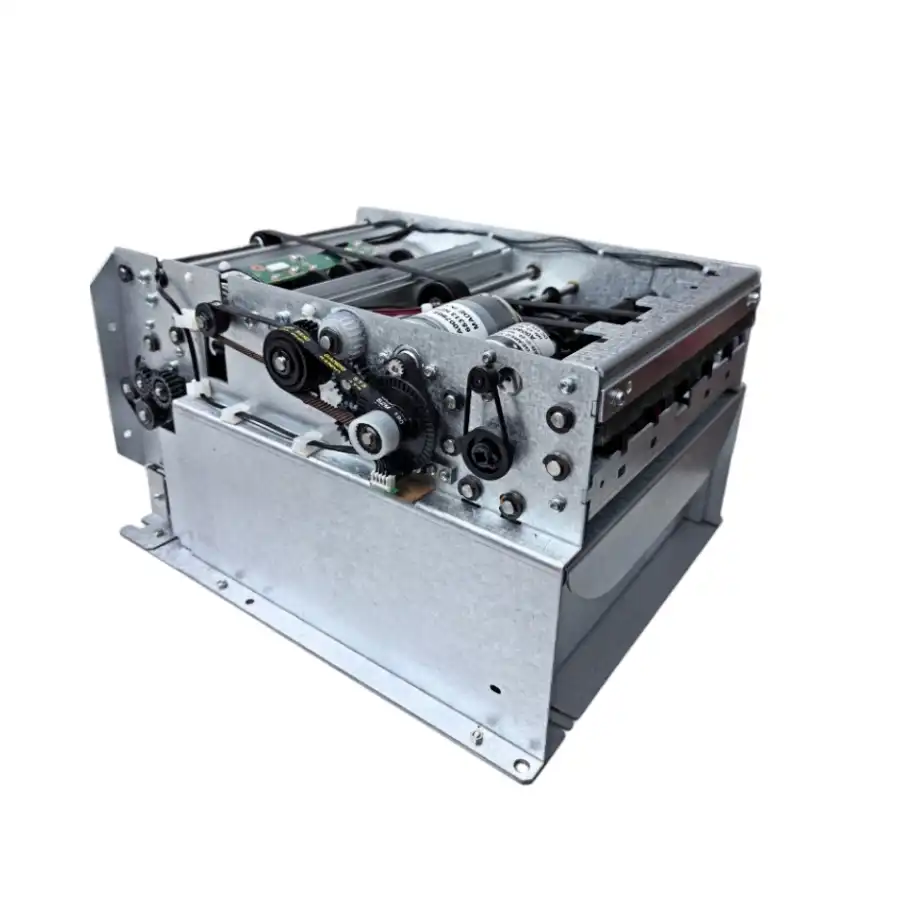
When comparing the MiniMech dispenser to traditional cash dispensing systems, the gap in operational performance is significant. The MiniMech dispenser — a compact, friction-feed banknote module manufactured for Glory-compatible ATMs, kiosks, and retail cash machines — delivers 3–6 notes per second with up to 3,000-note cassette capacity and 99.5% uptime. Legacy dispensers, by contrast, rely on older mechanical architectures that accumulate errors, require frequent manual intervention, and struggle with mixed currency types. For B2B procurement managers evaluating total cost of ownership, this comparison matters considerably.
Understanding MiniMech Dispensers and Traditional Cash Dispensing Systems
What Is a MiniMech Dispenser?
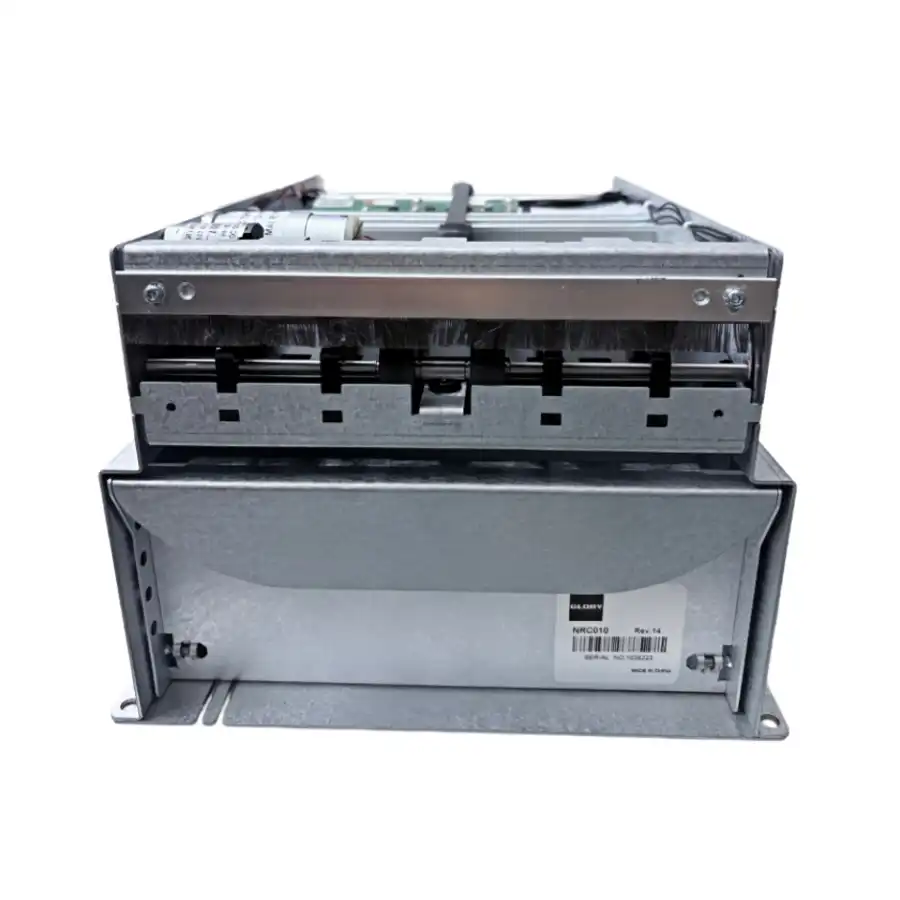
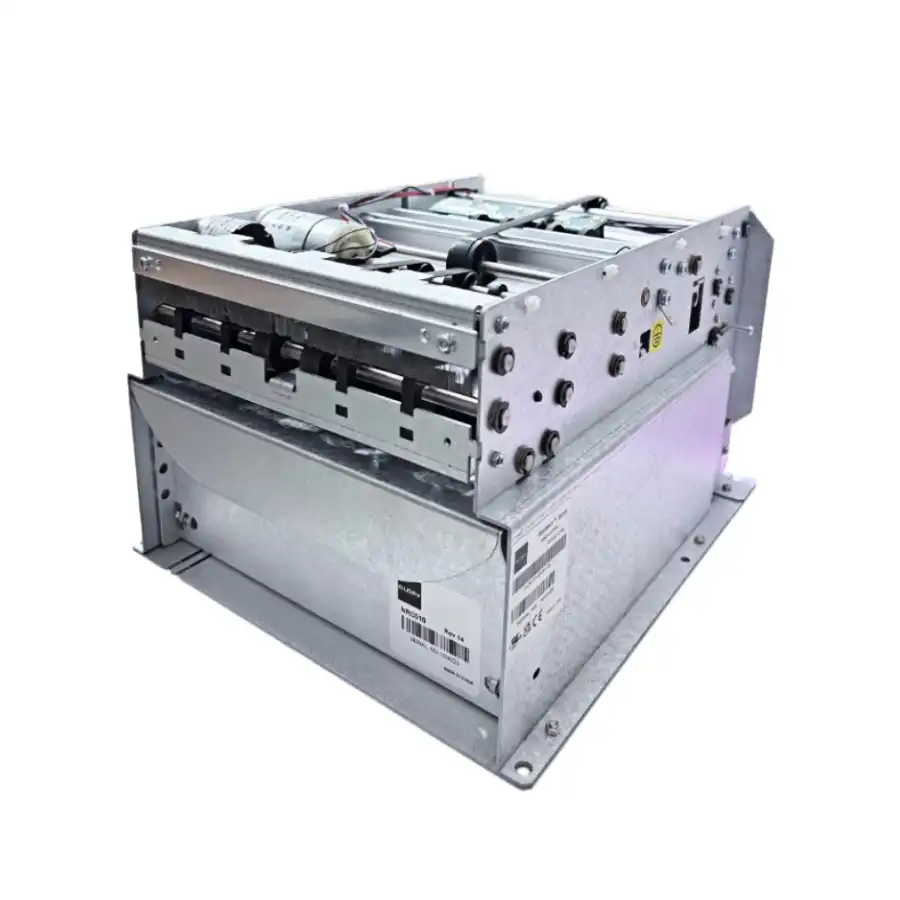
Glory (formerly Talaris/De La Rue) created the TRGENDISPMM-A7667 MiniMech dispenser, which is a very small module for dispensing single-denomination bills. It can handle both polymer and paper bills without the need for human testing. It has a friction-feed design with variable-pressure rollers and a mechanical double-detect system. It can weigh anywhere from 3 kg to 7 kg, based on how it's set up, and it can interact through RS232 or USB Serial (Cctalk/ID003) protocols. It fits naturally into slim-line ATM cabinets. In temperatures ranging from -10°C to +50°C, it works reliably, so it can be used in retail settings that aren't watched.
What Are Traditional Cash Dispensing Systems?
Older gravity-feed and belt-driven modules, as well as traditional dispensers, were made when money quality was more consistent and ATM footprints were bigger. When changing currency denominations, these systems usually need special mechanical adjustments. They also use fixed-pressure rollers that wear unevenly against polymer notes and depend on proprietary communication interfaces that are hard to connect to modern single-board computers or Linux-based kiosk platforms. Their architecture makes them hard to use in today's high-demand, mixed-currency environments, but they did their job well in the past.
Key Differences Between MiniMech and Traditional Dispensers
These two methods are most clearly different in terms of performance and dependability. The MiniMech module can dispense between 3 and 6 notes per second and keep its operations running at 99.5% of the time, which are both goals that older systems consistently fail to meet in similar field deployments.
For buying and professional teams, these are the main things that set them apart:
- Double-Detect Accuracy: The MiniMech's mechanical double-detect system uses both optical sensors and thickness gauging to prevent double-feeds. Traditional dispensers often rely solely on optical detection, which fails with lightly adhered or damp notes — a common cause of cassette jams in high-traffic retail ATMs.
- Currency Compatibility: Variable-pressure friction rollers allow the MiniMech to process banknotes ranging from 0.05mm to 0.2mm thick, covering polymer and paper denominations without shim adjustment. Older systems require manual recalibration when operators switch between currency types, adding service labor costs.
- Communication Flexibility: RS232/USB Serial support with Cctalk and ID003 protocols enables straightforward integration with modern kiosk controllers and BTM platforms. Legacy modules frequently lock operators into proprietary serial interfaces that limit hardware vendor choices.
- Installation Simplicity: The MiniMech requires no mechanical alteration upon installation. Traditional belt-driven modules often demand belt tension adjustment and sensor alignment at setup, increasing technician time per deployment.
-- Ease of Installation: When the MiniMech is put together, it doesn't need any technical changes. When setting up traditional belt-driven modules, the technician often has to adjust the tension of the belt and line up the sensors, which adds to the time it takes to deploy.
Evaluating Benefits and Challenges for Procurement Managers
Total Cost of Ownership
The initial unit price of a Glory-compatible MiniMech dispenser module, which can be bought both brand-new and in great condition after being refurbished, is low compared to the rising costs of maintaining older systems. Refurbished units from reputable sellers like RM go through strict quality control checks, such as double-detect sensor calibration, solenoid actuation life testing, and environmental stress screening across boundary temperatures. For first-time buyers, the 30-day guarantee with online technical help lowers the risk after the sale.
Scalability and Flexibility
The MiniMech's hot-swappable cassette design is useful for ATM managers who are in charge of fleets in various places. You can switch between cassettes that hold 1,000 to 3,000 notes without turning off the unit, which speeds up the refilling process. This is especially important for IADs that run ATM networks in grocery stores or bars and restaurants where cash is refilled often and technicians are hard to find.
When making a multi-year sourcing plan, procurement managers should think about these useful things. Being able to get both whole modules and individual parts like pickup rollers, feed tires, and sensors from the same provider cuts down on vendor dependence and makes managing parts inventory easier.
Case Studies and Customer Insights
Retail ATM Operators
Independent ATM installers who manage grocery store teams say that moving from older belt-driven dispensers to MiniMech modules cut the number of service calls for jams by a noticeable amount. In places with a lot of dust, the friction-feed path was better at handling flying particles than open belt systems, which let debris build up on the moving parts.
Bitcoin and Crypto Kiosk Integrators
BTM users say that the MiniMech's small size and ability to communicate serially with Linux are the main reasons they chose it. Putting machines in high-end malls requires cabinets with very little depth. The MiniMech's slim-line chassis meets this need without reducing note capacity. The BTM developer community has written a lot about how to connect with Raspberry Pi and industrial PC devices using the ID003 protocol.
Back-Office Cash Management
For applications like smart-safes and back-office cash management, dispensing must be done correctly 100% of the time with the Glory-compatible MiniMech dispenser. The tool gives out exact till-start amounts that are linked directly to POS network accounting, which is what shift managers depend on. In this case, MiniMech units are prized for their consistent solenoid reaction (usually less than 15ms), which makes sure that rejected notes go to the right reject bin.
Procurement Guide: Purchasing Your MiniMech Dispenser
Finding the right part starts with making sure it works with what you already have. It has been confirmed that the TRGENDISPMM-A7667 setup works with Glory MiniMech systems. Before placing an order, buyers should compare this part number to the one they already have to avoid configuration mismatches, which are common when buying third-party ATM parts.
This module is always in stock at RM, and it can be bought as new or in excellent shape after being refurbished. Lead times for module-level sales are usually 15–20 working days, and questions are answered within 24 hours. Shipping options by sea, land, and air can handle both urgent replacements of a single unit and programs that buy in bulk. RM offers wholesale price structures and OEM-neutral packing choices for distributors and regional wholesalers who are building up their stock of parts that work with NCR and Glory.
Before choosing a provider, procurement teams should ask for written test records that include data from double-detect calibration, belt tension checks, and ESS cycling. These checks are part of RM's ISO9001-certified production process; they are not optional. This is important when your customers hold you responsible for the reliability of your modules.
Conclusion
There is a big difference in performance between the MiniMech dispenser and traditional cash dispensers. This is because the MiniMech dispenser is a fundamental design evolution toward small, self-calibrating, multi-currency hardware that modern ATM and kiosk deployments require. It's easy for procurement managers to make decisions when there are clear criteria like fewer service calls, more currency compatibility, faster installation, and a sub-component supply chain that can be scaled up. The MiniMech module is a clear improvement over older dispensing designs, whether it's for fleet upkeep, regional distribution, or fixing up old equipment. Three steps of due diligence protect your purchasing decision: checking part numbers, asking for test documents, and making sure the seller has enough inventory.
FAQ
Does the MiniMech dispenser handle polymer banknotes without recalibration?
Yes. The friction rollers with changeable pressure can instantly adjust to note thicknesses of 0.05 mm to 0.2 mm, which is wide enough to handle both polymer and paper money. When moving between note types, you don't have to change the shims by hand.
What communication protocols does the TRGENDISPMM-A7667 support?
The module works with most modern kiosk controllers and BTM platforms, even Linux-based ones, because it supports RS232 and USB Serial communication using the Cctalk and ID003 protocols.
What is the recommended maintenance interval for feed tires?
To keep the friction coefficient high and avoid skew mistakes caused by surface hardening or wear, feed tires should be checked every 50,000 transactions and changed at least once every 100,000 transactions.
Can I purchase individual sub-components rather than the full module?
Indeed, RM sells both whole modules and individual parts, such as pickup rollers, sensors, and transport belts. This means that repair shops and fleet operators can fix parts instead of replacing whole modules.
What warranty comes with RM's MiniMech units?
All MiniMech modules come with a 30-day guarantee and free tech help from RM. Refurbished units are sent out in great shape and have passed a multipoint quality control check before they are sent out.
Partner With RM for Your MiniMech Dispenser Supply
From our ISO9001-certified facility in Shenzhen, RM has helped people buy ATM parts for more than 20 years. As a reliable MiniMech dispenser provider, we have both new and used TRGENDISPMM-A7667 in stock and ready to ship anywhere in the world. We make it easier for you to source things by offering over 20,000 SKUs, answering questions 24 hours a day, and providing specialized technical help. To get a price right away, email us at Tony@atm-part.com.
References
1. ATM Industry Association (ATMIA) — ATM Best Practices Guidelines, 2022.
2. RBR London — Global ATM Market and Forecasts, 2023.
3. Glory Global Solutions — MiniMech Cash Dispenser Technical Reference Manual, 2020.
4. Retail Banking Research (RBR) — Self-Service Banking: Technology Trends and Vendor Landscape, 2021.
5. ATM Marketplace — Maintenance and Reliability in Off-Premise ATM Deployments, 2022.
6. Journal of Financial Technology — Cash Automation in Retail Environments: Hardware Performance Benchmarks, 2021.
Learn about our latest products and discounts through SMS or email