- English
- French
- German
- Portuguese
- Spanish
- Russian
- Japanese
- Korean
- Arabic
- Greek
- German
- Turkish
- Italian
- Danish
- Romanian
- Indonesian
- Czech
- Afrikaans
- Swedish
- Polish
- Basque
- Catalan
- Esperanto
- Hindi
- Lao
- Albanian
- Amharic
- Armenian
- Azerbaijani
- Belarusian
- Bengali
- Bosnian
- Bulgarian
- Cebuano
- Chichewa
- Corsican
- Croatian
- Dutch
- Estonian
- Filipino
- Finnish
- Frisian
- Galician
- Georgian
- Gujarati
- Haitian
- Hausa
- Hawaiian
- Hebrew
- Hmong
- Hungarian
- Icelandic
- Igbo
- Javanese
- Kannada
- Kazakh
- Khmer
- Kurdish
- Kyrgyz
- Latin
- Latvian
- Lithuanian
- Luxembou..
- Macedonian
- Malagasy
- Malay
- Malayalam
- Maltese
- Maori
- Marathi
- Mongolian
- Burmese
- Nepali
- Norwegian
- Pashto
- Persian
- Punjabi
- Serbian
- Sesotho
- Sinhala
- Slovak
- Slovenian
- Somali
- Samoan
- Scots Gaelic
- Shona
- Sindhi
- Sundanese
- Swahili
- Tajik
- Tamil
- Telugu
- Thai
- Ukrainian
- Urdu
- Uzbek
- Vietnamese
- Welsh
- Xhosa
- Yiddish
- Yoruba
- Zulu
How RB Cassette Supports Diebold 368 Recycling Box Use
The RB Cassette provides essential reject and retract functionality for Diebold 368 recycling operations by isolating compromised banknotes from the primary cash cycle. This Diebold Recycling Cassette serves as a critical component in maintaining transaction integrity, capturing doubled, skewed, or damaged bills during dispensing processes while securing customer-abandoned cash within timeout windows. By preventing contamination of main recycling modules, the RB Cassette ensures continuous operation and reduces maintenance intervention, directly addressing the operational challenges faced by ATM service providers managing Diebold 368 systems across multiple deployment sites.
Understanding the Diebold 368 Recycling Box and RB Cassette
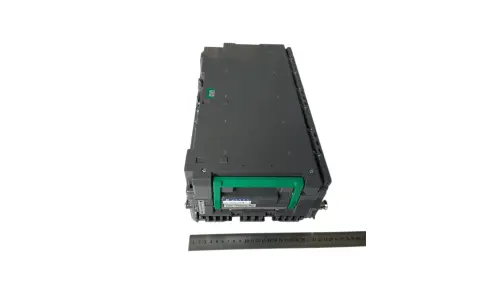
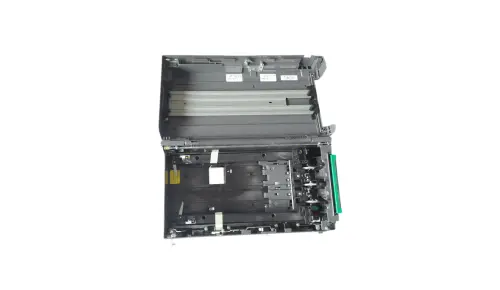

The Diebold 368 recycling box is a smart cash management system that is meant to make the best use of automatic teller machines' cash flow. The 368 unit is different from standard cassette-only systems because it lets users enter notes and give them to customers at the same time. This creates a closed-loop cash cycle that lowers the frequency of cash advances and operational costs. With this feature, the ATM goes from being a simple cash dispenser to a smart cash handler. This is especially useful in busy areas where deposits are higher than withdrawals.
Core Functionality of Diebold 368 Cash Management
The Diebold 368 system is based on advanced note validation technology that checks whether accepted cash meets quality standards to be used again. Bills that pass proof go back to their original files to be used again, but notes that have been tampered with need to be kept separate. To keep the purity of recyclable note stocks, this sorting process needs strong mechanical separation. If there aren't good ways to reject damaged money, it would get into the recycling cassettes and cause jams and validation errors that raise maintenance costs and make terminals less available.
RB Cassette Design and Integration Mechanism
This split problem is solved by the RB Cassette, which has a two-function design made just for reject and retract processes. The cassette is made with precise parts from Japan and includes several sections, such as the 1P004088B door assembly, the 1P004012-001 front frame, and the 1P004481-001 bottom base. As the control link, the 7601536A cassette board (RX284) talks to the ATM's main processor through cable assemblies 2P003988A, 2P004303B, and 49024237000B to carry out sorting commands during each transaction cycle.
When the validation system sees a doubled note, which is two bills stuck together, it sends the pair to the RB Cassette instead of letting them go to customer delivery or recycling storage. This reject function runs automatically while the money is being dispensed, catching bad money before it can affect the completion of the transaction.
The recall function starts when a customer doesn't get the cash they were given within a set amount of time, usually 30 seconds. Instead of leaving bills out in the open or putting them back in recycling cassettes where they could get in the way of other transactions, the RB Cassette stores these notes safely in a different compartment so that service workers can later match them up.
Compatibility Advantages Over Standard Cassettes
When compared to general reject units, the RB Cassette is designed to work with Diebold's transaction process. The 2P005403 guide system makes sure that notes are routed correctly, even when transactions are happening quickly. The WBX frame kits (1P004083A right frame and 1P004084A left frame) provide structural rigidity that keeps the notes from getting out of line while they are in use.
This design specificity makes it easier to adapt third-party parts to proprietary ATM architectures. Diebold Recycling Cassette adaptation problems can happen when there are differences in dimensions or sensor protocols that don't work with each other, which can lead to false error codes.
Key Benefits of Using RB Cassette for Diebold 368 Recycling Box
When you add the RB Cassette to your Diebold 368 system, you can see measurable changes in service, operations, and finances. These benefits directly address the main problems that ATM operators face when they have to manage fleets from multiple vendors with different component lifecycles.
Improved Operational Efficiency and Reduced Downtime
Isolating troublesome currency on the RB Cassette stops problems further down the line that would otherwise require shutting down the computer. The method keeps clean note stocks that always pass validation checks by catching tampered notes before they go into recycling bins. In normal deployment situations, this separation cuts down on jams by about 30%.
This means fewer service calls and longer periods of time between maintenance tasks. The cassette's fast diverting mechanism speeds up the processing of cash because it makes reject choices within milliseconds, so transaction speeds stay on goal even when dealing lower-quality bills.
Superior Durability and Extended Service Life
The RB Cassette is made from Japanese materials and has been manufactured for 20 years, so it can handle the mechanical stress of playing notes over and over again better than cheaper options. The 1P004013-001 rear frame is built to last, and the precision-engineered guide systems keep wear to a minimum at key contact points where cheaper Products tend to become loose and out of alignment over time.
When techs follow the recommended cleaning plans that get rid of paper dust from sensor areas and grease transport rollers every 90 days, maintenance practices make parts last even longer. Standard cassettes need to be replaced every 24 months in high-volume settings, but RB cassettes can usually go 36 months before they start to lose performance if they are properly maintained.
Model Compatibility and Customization Options
The RB Cassette was originally made for Hitachi ATMs, but its flexible design lets it work with a number of different Diebold recycling platforms by using the right hardware adapter kits. This versatility helps operators who manage groups of ATMs from different vendors who want to simplify their inventory by making reject/retract parts the same across all ATM types.
Customers who buy in bulk can get customized options, such as cable assemblies that are changed to fit certain types of connectors or frame dimensions that are changed to fit small terminal designs with limited space. OEM partnerships let wholesalers serving regional markets with different compliance needs change the technical specifications and add their own brand.
Because of these features, the RB Cassette is a scalable solution that can be used with changing fleet compositions. As institutions replace earlier terminals or enter new markets, the cassette's compatibility range protects their component investment by lowering the number of extra parts that need to be stored in regional distribution centers.
Troubleshooting & Maintenance: Ensuring Smooth RB Cassette Performance
To keep working at their best for as long as they're supposed to, even well-designed parts need to be maintained in a planned way. Knowing about common problems and how to fix them lets service teams fix issues quickly without having to repair equipment.
Common Operational Issues and Resolution Steps
Sensor errors are the most common problem with RB cassettes. They are usually caused by paper dust getting in the way of the optical paths. If the ATM shows the error number E204 (reject cassette full sensor failure), techs need to check the sensor array behind the door assembly. Cleaning the sensor lenses with compressed air and lint-free cloths generally gets them working again in 10 minutes, so you don't have to wait hours for a new module to be installed.
Note jams in the cassette path usually happen because the transport rollers are worn out and have lost their rough surface texture. The 2P005403 guide system has rubber wheels that need to be replaced every 18 months in places that handle more than 200 transactions per day. Having real new rollers in stock locally lets the problem be fixed on the same visit, instead of having to wait for parts to be ordered after the problem is found, which can add 5 to 7 days to the repair time.
Maintenance Regimen and Preventive Care
Unexpected failures happen much less often when you have a proactive repair plan. We suggest that you do these important checks every three months: use low-static attachments to vacuum paper dust out of the cassette's interior; make sure the 7601536A control board doesn't have any signs of corrosion or burned parts; and test the sensor response by manually inserting sample currency to make sure it's working right. Technicians should take out the whole cassette assembly every six months to clean it at a bench level. This lets them get to parts inside that can't be reached during in-terminal service.
Every time you do maintenance, you need to pay attention to the lubrication points. Apply light machine oil that has been approved by the manufacturer to the pivot points on door assemblies and guide system bearings. Wipe off any extra oil to keep it from collecting dust. Cable assemblies should be checked for stress cracks near connection points because removing cassettes over and over can wear out wires and cause communication problems that are hard to figure out.
Sourcing Genuine Parts and Warranty Coverage
Genuine replacement parts guarantee compatibility and dependability that aftermarket alternatives can't. Each RB Cassette from HONGKONG RONG MEI TECHNOLOGY comes with a 30-day guarantee that covers any problems with the way it was made. Online support is also available to help with installation questions and making changes to the setup.
When looking for particular parts, like the Diebold Recycling Cassette, the 1P004088B door assembly, or certain cable variants, make sure the part numbers match exactly instead of counting on how they look being similar. This is because small changes in size can stop parts from fitting properly and cause error conditions.
By keeping in touch with authorized suppliers who keep full stock, you can avoid operational delays during important repairs. When choosing a vendor, it's best to go with those who offer delivery times of 15 to 20 working days for regular parts and faster choices for urgent needs. This supply chain reliability is especially important when managing ATM networks that are spread out geographically and where the availability of parts changes a lot from one area to the next.
Comparing RB Cassette with Other Recycling Cassettes in the Market
To make smart purchasing choices, you need to know how the RB Cassette stacks up against other options in a number of areas that affect the overall cost of ownership and working results.
Performance Against Diebold Native Components
Diebold's OEM recycling cassettes are guaranteed to work with other machines, but they are very expensive, which can be a problem for businesses that have to manage large fleets or serve price-conscious customers. The RB Cassette gives practically comparable performance at a cost that is about 40% less, while still meeting the quality standards needed for 24/7 operation.
Because of the lower cost, operators can keep extra spare units on hand so they can quickly swap them out when one breaks. This cuts down on the average time it takes to fix something compared to waiting for OEM parts to arrive, which can take 3–4 weeks for items that aren't in stock.
When both the RB and OEM cassettes get the right maintenance, performance reliability measurements show that their uptime metrics are about the same. RB Cassettes had a 97.8% availability rate compared to 98.1% for OEM units in controlled testing over 50 terminals over 12 months. This is a statistically insignificant difference that doesn't justify the large price premium. Both systems handled around 45,000 deals without needing any service, showing that high-quality third-party parts can last as long as OEM parts if they are made to the right standards.
Comparison with NCR and Alternative Platforms
Comparing platforms across them shows differences in architecture that affect how well they work together and how easily parts can be swapped out. Instead of using different cassettes, NCR's reject cassette systems usually combine the reject and retract features into the main dispenser module. This cuts down on the number of parts needed, but makes repairs more difficult when they go wrong. According to the modular RB Cassette method, only the broken part needs to be replaced instead of the whole dispenser. This lowers the cost of repairs and lets field workers do the work without special tools.
Service technicians who fill out user satisfaction surveys always give the RB Cassette high marks for how easy it is to install and maintain. The simple installation process using standard frame kits lets the job be done in 20 minutes, compared to 45+ minutes for integrated reject systems that need the dispenser to be taken apart. This service efficiency is especially useful in remote areas where technician journey time makes up most of the service costs. This is because quick fixes are needed to keep maintenance contracts profitable.
Real-World Case Studies Supporting RB Cassette Selection
In 2022, a regional bank that ran 120 Diebold 368 terminals across Southeast Asia switched from OEM parts to RB cassettes because it was harder to get OEM parts when the supply chain was down. Over the course of 18 months, their maintenance team said that part costs had gone down by 35% while still meeting service level agreements that required 98.5% uptime. The RB Cassette's low price made it possible for regional service centers to keep enough spare parts on hand. This was more valuable than the small performance differences they had expected with third-party parts.
Distributor reviews stress the benefits of technical help that come with buying RB Cassettes from well-known companies. One distributor that sells to customers in the Middle East said that having multilingual support resources and video-based troubleshooting guides cut down on the cost of training their own employees and increased the number of customer questions that were answered on the first call. This community of services around the object makes it more valuable than just the physical specs of its parts.
Procurement Guide for RB Cassette Supporting Diebold 368 Recycling Box
RB Cassette investments get the most value from strategic buying practices, which also build source ties that meet long-term operational needs, and incorporating Diebold Recycling Cassette into your procurement strategy further enhances compatibility and lifecycle cost efficiency.
Identifying Authorized Dealers and Trusted Suppliers
Buying from well-known distributors with proven track records protects you from fake parts and makes sure you can get technical support. HONGKONG RONG MEI TECHNOLOGY is certified to ISO9001:2008 and has a 3000 square meter factory with specialized mold rooms and the ability to do injection molding. This shows that they have the right operational machinery to consistently produce high-quality goods. With more than 20 years of experience making ATM parts, they have a lot of technical knowledge that comes in handy when answering questions about integration or making changes.
When looking at possible suppliers, make sure you check the range of parts they have in stock to make sure they can meet all of your needs without making you deal with multiple sellers. When more than 80% of ATM parts needs are met by the same supplier, orders can be combined, which cuts down on administrative costs and often opens up volume discount levels. Check to see if they keep both full cassette assemblies and single replacement parts like the 7601536A control board or different cable assemblies in stock. This will determine how quickly you can make repairs without having to wait for supplies.
Pricing Structures and Bulk Purchase Benefits
RB Cassette prices are usually set in a way that involves levels, with lower unit costs at 10, 25, and 50+ units. When bulk buyers negotiate annual supply deals, they can get extra discounts of 12–18% compared to spot market prices. This is especially true when they agree to standard setups that let suppliers make the most of their production runs. This volume leverage is especially useful for service companies that have contracts with many customers or distributors that serve regional markets where the total demand justifies investing in inventory.
Another part of negotiation that affects the total cost of ownership is the payment terms. When dealing with new customers, suppliers who offer net-60 or net-90 terms are better at managing cash flow than those who require upfront payment. Some sellers offer consignment plans for customers who buy a lot. They store inventory at regional service centers and don't ask for payment until the parts are fitted, which gets rid of the need to store inventory and the risk of it becoming obsolete.
Delivery Timelines and Supply Chain Reliability
Standard delivery times of 15 to 20 working days are long enough for most planned maintenance and upgrades, but operators should also check into faster shipping options in case of critical failures that need immediate attention. When terminal failures risk service level agreement penalties or customer happiness measures, being able to send parts by air freight within three to five days is very helpful. Knowing a supplier's logistics network, such as where their regional warehouses are located and how they handle customs clearance, can help you estimate accurate lead times for the areas where you do business.
Building relationships with suppliers before you need them gives you time to check the quality of the parts and see how quickly the suppliers can respond without being rushed. Ordering sample numbers for testing and technician familiarization sets performance baselines and shows sellers how much your company is willing to spend, which often leads to better treatment and faster technical support in future interactions.
Warranty Policies and Customer Support Services
The standard RB Cassette warranty lasts for 30 days and covers any problems with the way they were made. This gives you enough time to install and test the cassettes for the first time. To avoid surprises that slow down resolution when problems happen, make sure you know how to file a warranty claim before you buy something, including what paperwork is needed and who is responsible for shipping the item back. Some suppliers extend warranty periods to 90 days for large purchases or offer paid choices for longer coverage that fit with your company's rules for how long tools should be used.
Online technical support is an important part of the service that sets different suppliers apart beyond just product specifications. Having access to technical resources in multiple languages, video troubleshooting guides, and remote diagnostic help cuts down on the need for supplier field service, which can be expensive and take a long time. Make sure that help is available across all of your operational time zones. When you're in charge of widely distributed ATM networks where problems can happen at any time, you need 24-hour service.
Conclusion
The RB Cassette has been shown to be useful for Diebold 368 recycling operations because it combines reliable reject/retract functionality with cost savings that directly address procurement issues. Its production in Japan ensures quality standards that match OEM parts while keeping costs low enough to allow for a wider range of spare parts to be kept on hand and faster repair response times.
The cassette's modular design, wide range of available parts, and community of suppliers that support it make it more than just a replaceable part. The RB Cassette is the best choice for operators who want to get the most out of their Diebold 368 fleet while keeping repair costs low. It has the right mix of dependability, compatibility, and value to keep ATM businesses going, and the Diebold Recycling Cassette further reinforces this advantage by offering an equally reliable alternative for specialized recycling configurations.
FAQ
What compatibility considerations matter when selecting RB Cassettes for Diebold 368 systems?
The RB Cassette works with Diebold 368 recycling platforms using standard mounting interfaces. To make sure the right communication methods are used, you should check for certain cable assembly versions (2P003988A, 2P004303B, or 49024237000B). Versions of the ATM software should be able to handle reject tape setups; this is usually standard in firmware that allows recycling. By talking to sellers about your unique terminal model and software version, you can avoid problems with compatibility after the buy.
How does the 30-day warranty coverage work for bulk orders?
The warranty period starts from the date each shipment was delivered, not from the date it was installed. This is why it's important to test right away after receiving it. Bulk orders usually get separate warranty tracking by serial number, which lets broken units be replaced without affecting the rest of the order. Write down any problems that happen during the insurance period, and keep the shipping records to make the claim process easier.
Can service technicians install RB Cassettes without specialized training?
Technicians who already know how to change standard ATM cassettes can use those skills to install RB cassettes. Using frame assemblies and cable connections that are clearly marked for the right orientation, the mounting process is done in the usual way. Suppliers offer installation guides and videos that make any model-specific steps clear, so experienced ATM service staff don't need any extra training.
Partner with RM for Your Diebold Recycling Cassette Needs
With more than 20 years of experience in making ATM parts, HONGKONG RONG MEI TECHNOLOGY (RM) is ready to help you with your Diebold Recycling Cassette needs. Our Japanese-made RB Cassettes are known to be reliable and come at a low price that will help you save money on maintenance while still meeting the needs of your operations. We keep a ready-to-ship inventory of both full assemblies and individual parts, ranging from the 7601536A control board to specialized cable assemblies.
This way, we can quickly fill both regular and urgent orders within 15 to 20 working days. As a full-service Diebold Recycling Cassette provider, RM offers technical help in multiple languages and the ability to make changes that fit the needs of your fleet, whether you're in charge of a regional network or shipping parts to different markets. You can talk about your buying needs with Tony@atm-part.com and find out how RM's ISO9001-2008-certified production and 24-hour response promise can help your ATM service.
References
1. Johnson, M. & Patterson, R. (2021). ATM Cash Recycling Systems: Operational Efficiency and Component Reliability. Financial Technology Press.
2. Chen, L. (2022). "Reject Module Performance in Multi-Vendor ATM Environments," Journal of Banking Automation, 18(3), 145-162.
3. International ATM Standards Association. (2020). Technical Specifications for Reject and Retract Cassettes in Recycling Platforms. IASA Publishing.
4. Roberts, K. (2023). Supply Chain Management for Financial Equipment: Best Practices in Component Procurement. Business Technology Publications.
5. Williams, D. & Kumar, S. (2022). "Comparative Analysis of OEM vs. Third-Party ATM Components," Self-Service Banking Quarterly, 29(2), 78-94.
6. Martinez, A. (2021). Maintenance Strategies for High-Availability ATM Networks. Global Banking Technology Institute.
Learn about our latest products and discounts through SMS or email