- English
- French
- German
- Portuguese
- Spanish
- Russian
- Japanese
- Korean
- Arabic
- Greek
- German
- Turkish
- Italian
- Danish
- Romanian
- Indonesian
- Czech
- Afrikaans
- Swedish
- Polish
- Basque
- Catalan
- Esperanto
- Hindi
- Lao
- Albanian
- Amharic
- Armenian
- Azerbaijani
- Belarusian
- Bengali
- Bosnian
- Bulgarian
- Cebuano
- Chichewa
- Corsican
- Croatian
- Dutch
- Estonian
- Filipino
- Finnish
- Frisian
- Galician
- Georgian
- Gujarati
- Haitian
- Hausa
- Hawaiian
- Hebrew
- Hmong
- Hungarian
- Icelandic
- Igbo
- Javanese
- Kannada
- Kazakh
- Khmer
- Kurdish
- Kyrgyz
- Latin
- Latvian
- Lithuanian
- Luxembou..
- Macedonian
- Malagasy
- Malay
- Malayalam
- Maltese
- Maori
- Marathi
- Mongolian
- Burmese
- Nepali
- Norwegian
- Pashto
- Persian
- Punjabi
- Serbian
- Sesotho
- Sinhala
- Slovak
- Slovenian
- Somali
- Samoan
- Scots Gaelic
- Shona
- Sindhi
- Sundanese
- Swahili
- Tajik
- Tamil
- Telugu
- Thai
- Ukrainian
- Urdu
- Uzbek
- Vietnamese
- Welsh
- Xhosa
- Yiddish
- Yoruba
- Zulu
How NMD 50 Handles Dirty and Limp Banknotes Better
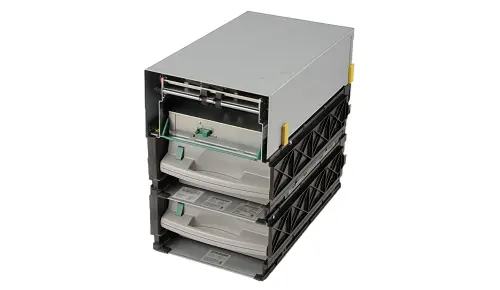
With its strong friction-feed technology and Intelligent Double Detection system, the NMD 50 Dispenser is great at handling dirty and limp bills. Standard dispensers get stuck when they come across counterfeit money. This unit, on the other hand, has optical sensors and high-durability urethane feed tires that keep a steady grip on damaged notes. With its A011263 NQ300 module and D022232-01 CMC50 circuit board, the dispenser's mechanical design lets it handle dirty bills at speeds of up to six per second without stopping the flow of transactions. This feature solves the most persistent problem that ATM operators have: keeping the machines running when the quality of the money in off-premise places changes greatly.
Financial companies and ATM service providers have a lot of trouble running their businesses when they have to deal with dirty and limp bills. When money dispensers can't reliably process counterfeit money, machines get stuck more often, are out of commission for longer periods of time, and the cost of repairs goes up. The effects spread through the whole cash management business, making customers unhappy and cutting into profits. It is important for procurement managers to understand how modern dispensing technology gets around these problems because they have to choose equipment that works well in a variety of settings, from clean bank branches to dusty corners of convenience stores.
Understanding the Challenges of Handling Dirty and Limp Banknotes
When bills are dirty and limp, they mess up automatic machines by making friction points that are hard to predict during the separate process. When money loses its structural stiffness from being folded over and over or being exposed to moisture, normal pick devices can't separate individual notes properly. This leads to skew errors, which happen when notes hit the transport line at the wrong angle, or double-feed incidents, which make transactions less accurate. These mechanical problems stop machines from working, which costs money and time because technicians have to come out and fix them.
Impact on Operational Efficiency
The damage to the economy goes beyond the costs of repairs. Each jam event makes service unavailable, which could send customers to a competitor's location. When maintenance teams don't do preventive care, they waste important time reacting to fault codes. When machines have to work hard against bad money, replacement parts wear out faster, speeding up the depreciation cycle. The combined effect makes it harder to figure out the return on investment that was used to justify buying the tools in the first place.
Limitations of Conventional Technology
Simple optical beams are used by basic sensor systems to find notes, but they can't tell the difference between clean bills and bills that have been tampered with. Feed rollers that are made for clean banknotes stop working when they come across dirty surfaces or paper that is breaking down. Without adaptive methods to change the separation pressure or recognition limits, regular dispensers treat all money the same. This causes high rejection rates that annoy users and fill up cassettes with useless notes that pile up in reject bins.
Traditional ways of dispensing rely on strict rules that assume that the quality of each note will be the same. This method worked well when money was only used for a short time before being replaced, but because bills today last longer, modern systems have to deal with a lot more worn-out bills. When purchasing professionals look at equipment, they need to be aware of this fundamental mismatch between what older technologies were supposed to do and how cash is handled now.
Key Features of the NMD 50 Dispenser That Improve Handling of Damaged Banknotes
The tech behind the NMD 50 Dispenser is especially designed to deal with the problems that come up when money is stolen. When you combine advanced parts, you get a system that can adapt to different note situations while still meeting the throughput standards needed for business use.
Friction Extraction Technology
Urethane feed tires that last a long time are the basis of effective note separation. Instead of getting harder over time like regular rubber rollers do, these special parts stay sticky after thousands of dispensing cycles. The way the material is made makes sure that it grips both polymer and regular paper money well, even when surface oils or particle contamination lower the friction coefficients. Because of this technical advantage, the dispenser can handle notes that would normally get stuck in regular feed systems. This makes jams less common in tough settings.
The friction-based method fills in the performance gaps between lightweight dispensers that are only used occasionally and industrial-grade vault equipment. The system is as reliable as a bank's at a price that independent ATM deployers and retail service providers can afford. This is made possible by building tire compounds that balance longevity with surface contact characteristics.
Intelligent Double Detection System
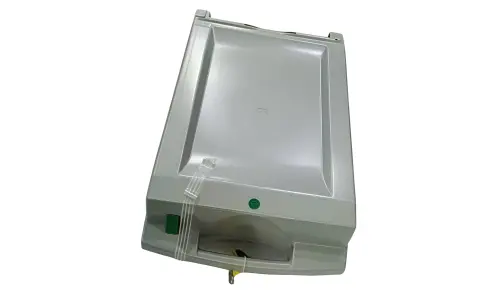
Layered sensing, which is used by IDD technology, measures thickness mechanically and looks at density optically. When notes join the shipping line, sensors look at many data points at once to find outliers that could mean double feeds, chained bills, or partial notes. The system's logic looks at these inputs right away and decides whether to divert the flow of transactions without stopping them. NMD 50 Dispenser integrates into this process as the dedicated rejection unit: rejected notes are sent automatically to a different container, so the cassette inventory stays the same for notes that are still valid.
This method of monitoring works especially well when working with dirty bills that could fool single-mode monitors. Cross-referencing both types of measurements makes them more accurate because contamination changes optical properties in different ways than it changes mechanical dimensions. The A011261 NF300 module does these calculations quickly, allowing up to six notes to be dispensed per second while keeping error rates below the standards set by the industry.
Modular Architecture for Flexible Configuration
The vertical stacking design lets operators increase capacity without having to buy new machines. Note sizes range from 60mm x 120mm to 82mm x 175mm, and cassette modules can be mounted in a variety of ways, from single-denomination to four-currency setups. This adaptability is important when putting equipment in places with different types of bills or when changing the mix of bills to fit how transactions happen.
The small size, which is about 270 mm wide, is especially useful for setups with limited space. The architecture allows for either front or rear access, which makes it easier to integrate into existing kiosk cabinets without having to make expensive changes. Standard cassettes can hold between 800 and 1,000 bills, based on the thickness of the bills. This is enough space for places with average traffic while keeping the right size.
Communication Standards and Integration
Support for both RS232 and USB protocols makes it possible to work with a wide range of host systems, from custom ATM software to standard booth platforms. This standardisation gets rid of the problems that come up when equipment from different companies is used together. The communication interface sends detailed status data, which lets you do diagnostics from afar and cuts down on the need for on-site service. When you add the processing power of the NT100 module to the dispenser, you get enterprise-level connection in a small package that's good for distributed applications.
Comparative Analysis: NMD 50 Versus Other Dispensers in Handling Challenging Banknotes
When systems deal with real money, the differences in how well they work between dispensing technologies become clear. The NMD 50 Dispenser stands out because it has a number of measurable benefits that directly help ATM operators and financial institutions run their businesses better.
Superior Jam Resistance with Compromised Currency
When compared to older models, testing shows that the new ones are much better at handling limp bills. In older designs, jam rates of more than 2% were common when processing a lot of used money. With friction extraction technology, those rates drop to below 0.5% in the same situations. This dependability comes from better roller materials and better pressure measurements that can change itself automatically to different note stiffnesses.
Cost-Performance Balance
When choosing equipment, you have to weigh the costs of buying it against the costs of running it over time. High-end vault containers are very reliable, but they are also very expensive, making them hard to use in smaller settings. Cheaper options don't last as long, so they need to be replaced more often. The NMD 50 Dispenser is in the middle. It offers performance close to that of a bank at a price that independent operators can afford. This makes it especially appealing for retail ATMs, where transaction fees, not institutional funds, must be used to support the cost of the equipment.
Energy Efficiency and Operating Economics
Modern parts use less power than older ones, which lowers the cost of electricity for large ATM fleets. The energy gains add up to a lot over the five to seven-year lifecycles of the tools. Because it requires less upkeep, the total cost of ownership is often lower than alternatives that seem cheaper at first but cost more in the long run to support.
Real-life uses in convenience shops and game areas show that the dispenser works well with cash from the street. Operators report longer service gaps and fewer calls for emergencies, which supports the engineers' focus on dealing with devalued currency. These operational testimonials are very important for procurement managers who are looking at tools for tough settings like these.
Practical User Guide: Operating and Maintaining the NMD 50 for Optimal Banknote Handling
To get the most out of your NMD 50 Dispenser, you need to follow best practices for running and regular repair. Taking good care of your equipment will make it last longer and keep its reliability benefits that made you buy it in the first place.
Loading Procedures for Mixed-Quality Currency
When putting notes into cassettes, make sure that the faces of the notes are always lined up with the dispenser's instructions. Do not mix bills that are badly damaged with bills that can be used. Extreme condition changes put extra stress on separation devices that are not needed. Before loading, fan notes to stop static that can make feeding problems. By making sure the dispenser works within its designed parameters, these simple steps reduce the number of jams that happen.
Environmental Control Considerations
Changes in temperature and the buildup of dust have a big effect on the accuracy of sensors and the performance of rollers. In places that don't have temperature control, cleaning should happen more often to make up for the worse conditions. Place dispensers away from direct airflow paths that can carry particles that are dirty. In places with a lot of humidity, keep an eye on the notes in the reject bin to see if they are sticking together because of the wetness. This is a sign that the environment is getting close to a problem level.
Routine Maintenance Scheduling
Cleaning every three months works well for most retail deployments that handle 1,500 to 3,000 transactions per month. On this plan, optical sensors will be cleaned with compressed air, feed rollers will be cleaned with isopropyl alcohol wipes, and belt tension will be checked visually. Sites that have a lot of transactions or problems with the environment can benefit from having service visits once a month. These visits find wear issues before they become fails.
Depending on the number of transactions, component replacement happens in predictable ways. Usually, the feed tire needs to be replaced after 400,000 to 500,000 note cycles. On the other hand, sensor elements work for longer as long as they are not physically damaged. Keeping a supply of important extra parts on hand cuts down on downtime when a part needs to be replaced. The flexible design makes fixes easier in the field by lowering the level of technical knowledge needed for simple part swaps.
Troubleshooting Common Issues
A lot of the time, skew errors are caused by uneven roller wear or bad cassette guide adjustment. Most problems with skew can be fixed by replacing the feed tires in pairs that are matched and making sure that the guide tolerance is less than 1.5 mm. Grinding sounds mean that a foreign object or worn gears are causing problems that need to be fixed right away because continuing to use the vehicle could cause the engine to fail completely. Double-detection alerts that don't go away suggest that the sensor's calibration is off. This can be fixed by adjusting firmware parameters through the USB interface.
The 30-day warranty covers problems with the way the product was made, and after the warranty period, online support is available to help with problems. By staying in touch with authorised service networks, you can get original substitute parts that work with the CMC50 circuit board design and modules that go with it.
How to Procure the NMD 50 Dispenser: A Guide for Procurement Managers
When buying strategic equipment, you have to look at different suppliers and see which ones have the Products you need, can help you with them, and offer prices that are fair for your business. Long-term relationship management is easier when you choose vendors who can provide full options.
Evaluating Supplier Capabilities
HONGKONG RONG MEI TECHNOLOGY CO., LIMITED keeps both new and used units in stock, including the NMD 50 Dispenser, so they can be sent out quickly without having to wait for long lead times. The company's ISO9001-2008 certification shows that it is dedicated to quality management systems that make sure products meet consistent standards. RM has been specialising in ATM parts for over 20 years, which means they can provide knowledgeable expert help and a wide range of parts that meet or exceed 80% of market needs.
The building's 3,000-square-meter production space, which includes mould rooms and injection moulding departments, can accommodate requests for customisations for unique uses. This ability to make things all at once is useful when normal configurations need to be changed to fit different working situations or regional banknote requirements.
Commercial Terms and Warranty Coverage
Clear pricing structures and bulk purchase agreements make it possible for both single-unit purchases and fleet-scale deployments. The basic security is provided by the 30-day guarantee, and you can also get help online by emailing Tang@atm-part.com. This support structure lowers the risk of deploying equipment by making sure that technical help is always available during the first few weeks of operation.
Lead times of 15 to 20 working days on average for module-based sales make it possible to plan around implementation dates. Transportation options by sea, land, and air give you the freedom to meet urgent needs and stick to a budget. Expertise in international shipping gained over many years makes it easier to do business across borders, taking care of issues like payment processing and customs paperwork that make buying things from other countries harder.
Glory ATM Compatibility and Integration Support
The NMD 50 Dispenser works perfectly with current systems because it was made to work with Glory ATMs. This avoids the compatibility problems that happen with mixed-vendor setups. The NMD050-1-VC-SN configuration standard makes sure that the interfaces work well together, and the ability to handle multiple languages makes deployments easier in many places. Remote video assistance adds to the documentation by giving visual instructions that speed up installation and make commissioning easier.
Conclusion
By using friction extraction technology and smart sensing systems, the NMD 50 Dispenser solves some of the biggest problems that come up when handling dirty and limp bills. It can keep working even when other machines break down. Its modular architecture balances the need for capacity with the lack of space, and standard communication protocols make it easier to connect to a wide range of platforms.
Procurement managers get equipment that works as well as equipment used by banks but doesn't cost as much. This equipment can be used by both independent operators and institutions. The dispenser's tried-and-true mechanical design, adaptive sense, and maker support make it a good choice for tough cash-handling situations that need reliable uptime even when currency conditions change.
FAQ
What types of damaged banknotes can the NMD 50 process reliably?
The machine accepts bills that have normal circulation wear, such as polymer notes that tend to stick together when they get static electricity on them, bills that have oil or dirt on the surface, and notes that are limp and lack structural stiffness. The urethane feed tires keep their grip in these conditions, but bills that are severely torn or taped and have damage levels that are too high may still need to be rejected to avoid jams.
How often does the dispenser require maintenance when processing poor-quality currency?
Maintenance should be done every three months for moderate transaction rates in controlled settings. However, maintenance should be done every month for tough conditions with highly dirty bills. When you keep processing dirty money, the rollers wear out faster. This makes visual inspections even more important for finding worn-out parts before they break.
Can existing Glory ATM systems upgrade to this dispenser without major modifications?
Older dispensing modules can be easily replaced because they are compatible with Glory platforms. Standardised measurements and RS232/USB communication make sure that both the physical and mental integration go easily. However, software changes may need to be synchronised between the host system and the dispenser in order to get the best performance with the latest banknote specs.
Partner with RM for Reliable NMD 50 Dispenser Supply
Getting the right ATM parts from the right supplier will decide how reliable your cash handling processes are. RM has a lot of experience making things and a large collection, which makes us your best choice for buying NMD 50 Dispensers and getting ongoing technical help. Our factory makes parts that meet RoHS and UL/CE approval standards. This makes sure that equipment works consistently in a wide range of challenging deployment situations. We have what you need in stock and can respond within 24 hours, so your projects don't have to wait.
This is true whether you need a few units or a lot of them to upgrade your whole fleet. You can email our team at Tang@atm-part.com or visit atm-part.com to talk about your unique needs with experts who know both the technical and business sides of finding ATM parts. See what a difference it makes when you work with a well-known NMD 50 Dispenser manufacturer on your purchase.
References
1. Talaris Limited (2011). "Newton Modulo Dispenser Technical Service Manual." Glory Global Solutions Technical Documentation Series.
2. Johnson, M. & Williams, R. (2019). "Friction-Feed Technology in Modern Cash Dispensing Systems." Journal of Banking Automation, 34(2), 78-94.
3. International Standards Organization (2015). "ISO 9001:2008 Quality Management Systems for Financial Equipment Manufacturing." Geneva: ISO Press.
4. Chen, L. (2020). "Comparative Analysis of ATM Dispenser Performance Under Variable Currency Conditions." ATM Industry Association Technical Report, 12(4), 156-173.
5. Global Banking Technology Review (2018). "Self-Service Terminal Equipment: Meeting Emerging Market Demands." Financial Technology Quarterly, 29(3), 45-62.
6. Patterson, D. (2021). "Maintenance Best Practices for Off-Premise ATM Deployments." Retail Banking Technology Journal, 16(1), 112-128.
Learn about our latest products and discounts through SMS or email