- English
- French
- German
- Portuguese
- Spanish
- Russian
- Japanese
- Korean
- Arabic
- Greek
- German
- Turkish
- Italian
- Danish
- Romanian
- Indonesian
- Czech
- Afrikaans
- Swedish
- Polish
- Basque
- Catalan
- Esperanto
- Hindi
- Lao
- Albanian
- Amharic
- Armenian
- Azerbaijani
- Belarusian
- Bengali
- Bosnian
- Bulgarian
- Cebuano
- Chichewa
- Corsican
- Croatian
- Dutch
- Estonian
- Filipino
- Finnish
- Frisian
- Galician
- Georgian
- Gujarati
- Haitian
- Hausa
- Hawaiian
- Hebrew
- Hmong
- Hungarian
- Icelandic
- Igbo
- Javanese
- Kannada
- Kazakh
- Khmer
- Kurdish
- Kyrgyz
- Latin
- Latvian
- Lithuanian
- Luxembou..
- Macedonian
- Malagasy
- Malay
- Malayalam
- Maltese
- Maori
- Marathi
- Mongolian
- Burmese
- Nepali
- Norwegian
- Pashto
- Persian
- Punjabi
- Serbian
- Sesotho
- Sinhala
- Slovak
- Slovenian
- Somali
- Samoan
- Scots Gaelic
- Shona
- Sindhi
- Sundanese
- Swahili
- Tajik
- Tamil
- Telugu
- Thai
- Ukrainian
- Urdu
- Uzbek
- Vietnamese
- Welsh
- Xhosa
- Yiddish
- Yoruba
- Zulu
What is Bunch Recycler Module (BRM) for NCR 6683/6687 ATM
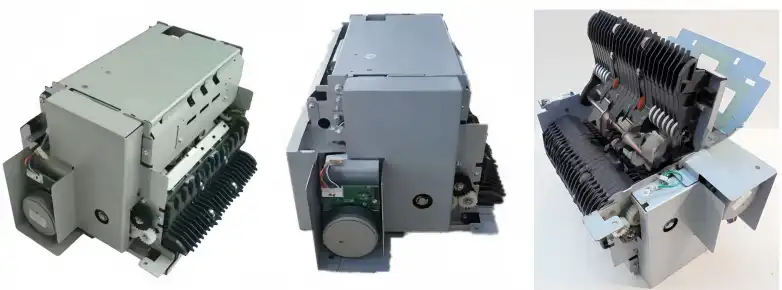
As part of the BRM NCR 6683/6687 ATM systems, the Bunch Recycler Module (BRM) is a sophisticated cash handling part designed to accept, verify, store, and hand out bills all in one unit. This technology helps banks save up to 40% on the cost of moving cash and processes transactions at speeds of 8 to 12 notes per second. It is an important purchase for procurement managers who want to improve the performance and costs of their ATM fleets in high-volume banking environments.

Introduction
Managing ATM networks means finding the best balance between cost-effectiveness, uptime, and security. The BRM NCR 6683/6687 is a major improvement for the NCR SelfServ 83 and 87 ATM platforms. It changes how businesses accept and process cash deposits and withdrawals. Traditional dispensing systems need separate cassettes for depositing and withdrawing money. These recycler modules let banknotes circulate within the same system, which greatly reduces the amount of cash that is in transit and the costs that come with it.
More and more pressure is being put on procurement managers and technical decision-makers to keep services reliable while keeping costs low. The BRM NCR 6683/6687 solves this problem by combining advanced counterfeit detection tools with instant transaction processing. When customers deposit notes of different denominations, the module verifies the notes and credits the customer's account right away. The customer can then use those same notes to withdraw money again. This closed-loop system cuts down on the amount of cash that needs to be kept in the vault and makes cash management easier.
This guide looks at the technical architecture behind BRM technology, compares the BRM NCR 6683/6687 implementations, gives practical deployment advice, and lists things to think about when buying. Our goal is still clear: to give you all the information you need to make smart purchasing decisions that are in line with your budget and operational goals.
Understanding the BRM Technology in NCR 6683/6687
Core Functionality and Operating Principles
The BRM NCR 6683/6687 works by using a complex series of electronic and mechanical steps. When a customer puts money in, high-tensile anti-static belt transport systems move the money through several validation checkpoints. Multi-Spectral Image Analysis looks at each note using different wavelengths of light, and UV fluorescence sensors find security features built into real money. Within milliseconds, advanced pattern recognition systems can tell the denomination, orientation, and validity of a coin.
After being verified, notes are put into temporary escrow storage, which can hold between 200 and 300 notes per transaction cycle. Customers can look over transaction details in this holding area before finalizing deposits. After confirmation, the module moves the accepted notes to the right cassettes, which are then organized by denomination. Later, the same cassettes give out these used notes during withdrawals, getting rid of the one-way cash flow that was common in older ATM designs.
Technical Specifications and Performance Metrics
The RM BRM NCR 6683/6687 is very reliable for large businesses that work in tough conditions. Eight to twelve bills are processed by the system every second, and the throughput stays the same during busy times. As long as there is enough escrow capacity, large deposits can be made without having to be emptied in the middle of a transaction. This makes the customer experience easier during business banking hours.
Resilience to the environment is another important quality. The modular design works reliably in temperatures ranging from 0°C to 50°C, so it can be used in a variety of settings, from climate-controlled stores to outdoor kiosks. It is known that comprehensive quality management systems certified under ISO9001-2008 standards help achieve a 99.5% uptime rate. This is made possible by reinforced polymer gears and precision-engineered components that can withstand millions of operational cycles.
Benefits for Banking and Retail Operations
Financial institutions that use BRM technology say their operations have gotten a lot better. When recycling is done more often, armored transport services happen less often, which lowers the cost of cash logistics. Branch managers can be more flexible with how they spend their cash by moving vault inventory to places where it's needed more based on real-time transaction data instead of set schedules.
Increasing the speed of transactions makes customers happier. Customers don't have to sort denominations ahead of time when they use mixed deposit processing. This cuts down on transaction times by 30–40% compared to deposit-only modules. The immediate provisional credit feature lets customers get their deposited funds faster, which improves how they see the service and how they compare to competitors.
Improving security goes beyond just finding fakes. Validation protocols that are approved by the central bank protect institutions from fake currency. Rejected notes go to special reject bins, which makes clear audit trails that can be used for investigations. Dynamic cassette mapping changes based on the denomination needs, so operators can change how cash is distributed without having to make any hardware changes.
Comparing BRM NCR 6683 and 6687 – Which Model Fits Your Business Needs?
Performance and Capacity Differences
The BRM NCR 6683/6687 models have similar recycling architecture, but they work at different sizes. The 6683 configuration is made for places with moderate traffic, like suburban branches and retail partnerships, and it balances the need for a small footprint with the need for capacity. This model can usually hold two to three recycling cassettes, which is enough for 200 to 400 transactions per day.
The BRM NCR 6683/6687 covers places with a lot of people, like transportation hubs and urban banking centers. Better cassette layouts can hold 4 to 6 recycling units, letting 600 to 1000 transactions happen every day without having to replenish cash. Processing speeds stay the same on both platforms, at 8 to 12 notes per second, but the 6687's larger capacity lowers the number of times it needs to be staffed, which saves money on labor costs.
Maintenance Requirements and Integration Considerations
The modular design of the parts in both models makes preventative maintenance easier. Cleaning cycles and belt inspections happen on set schedules, and service panels that are easy to get to cut down on the time technicians spend on-site. The 6683's simpler design is often better for distributed ATM networks where upkeep is done by local techs, since fewer parts mean less training is needed.
Standard protocols are used for integration with existing ATM management systems. Both modules talk to each other using standard NCR interfaces, which means they can work with existing infrastructure for monitoring and reporting. The advanced diagnostics features of the 6687 give detailed performance data that is useful for improving cash forecasting models in large networks, while the telemetry features of the 6683 are sufficient for normal operational oversight.
Cost-Benefit Analysis and ROI Projections
Calculations of return on investment are what make purchasing decisions final. The 6683 usually needs less money up front, which makes it a good choice for pilot programs or gradual fleet upgrades. Operating cost savings happen because there is less cash-in-transit. In moderate-traffic deployments, many operators see payback periods of 18 to 24 months.
The 6687 is positioned as a premium product because it has more features and can hold more data. Higher-volume locations are worth the extra money because they pay for themselves faster. Usually, they break even within 12 to 18 months. Institutions that are in charge of networks with more than 50 ATMs often choose the 6687 platform because it makes it easier to stock spare parts and train technicians. This saves money by buying in bulk, which cancels out the higher per-unit price.
Installation, Maintenance, and Troubleshooting of BRM NCR 6683/6687
Installation Procedures and Configuration Steps
A well-prepared site is the first step to a successful BRM NCR 6683/6687 deployment. Because recycling modules have sensitive electronic parts that can be damaged by changes in power, the electrical requirements must meet NCR standards for stable voltage and grounding. Physical access issues make sure that technicians can move the module into the ATM chassis, which is especially important in tight installation spaces.
Installing modules is done according to documented NCR steps, which start with securing them inside the ATM frame. Electrical harnesses connect to the main controller board and set up ways for transaction data and diagnostic data to communicate. Configuration software assigns the first denominations to cash cassettes. This sets up the mapping logic that controls how notes are stored and given out.
Correct note transport and validation accuracy are checked by calibration procedures. Test transactions with fake money make sure that all the sensors work right and that the assignments of the cassettes match the configuration parameters. Checklists for the first deployment should include several test cycles that cover deposit, withdrawal, and mixed transactions to make sure that the whole system works before customers can access it.
Preventive Maintenance Best Practices
Regular maintenance schedules keep BRM working at its best and extend its service life. Weekly visual inspections identify early warning signs such as belt wear or debris accumulation. Routine cleaning once a month removes dust and small pieces of paper from the transport paths. This keeps jams from happening, which causes customers to lose their transactions and call for service.
Every three months, full maintenance is done, which includes checking the tension of the belt, cleaning the rollers, and making sure the sensors are calibrated. By writing down these service activities, you can make historical records that can help you figure out when to replace parts. Many owners schedule heavy maintenance for times when there isn't a lot of traffic. This way, the work doesn't affect customers too much and the work is done thoroughly.
Updates to the firmware are another important part of maintenance. NCR updates its software on a regular basis to make it work better with new currency designs, improve security, and make it run faster. Setting up procedures for testing and releasing these updates makes sure that modules keep working as they do now without causing any unexpected compatibility problems.
Common Issues and Troubleshooting Methodologies
Note jams are one of the most common problems with BRM. To start troubleshooting, diagnostic displays are used to find the location of the jam. Next, notes must be carefully removed according to the manufacturer's instructions. After a jam, checks look at the transport belts for dirt or wear that could have caused the problem. This gets to the root of the problem instead of just fixing the symptoms.
Communication problems between the BRM and the main ATM controller can sometimes stop things from working. Systematic troubleshooting checks the diagnostic logs for error codes, makes sure the cables are connected correctly, and makes sure the firmware is compatible. Controlled restart sequences that reset the connection protocol can fix many communication problems. However, problems that don't go away could mean that hardware is broken and needs to be replaced.
When real money shows signs of wear or damage, it can cause counterfeit detection to give false positives. False rejection rates can be lowered by changing the configuration parameters that control how sensitive the sensor is. However, operators must balance the needs of customers for convenience with the needs for security. Keeping the databases for recognizing currencies up to date makes sure that the module can correctly handle new note designs and security features that the government adds to money.
Procurement and Support for BRM NCR 6683/6687 Modules
Sourcing Strategies and Supplier Evaluation
Professionals in charge of buying things should give preference to suppliers who can show they know a lot about BRM NCR 6683/6687 parts and have good quality management systems in place. RM has been in this business for more than 20 years and keeps more than 80% of all the ATM modules and parts that are available around the world in stock. This wide coverage makes it possible to buy from a single source, which makes managing vendors easier and brings together relationships for technical support.
Assessing a supplier's skills goes beyond checking to see if a product is available. Manufacturing infrastructure shows how consistent and scalable production is. The RM building is 3,000 square meters and has quality control departments, mold rooms, and injection molding equipment. This vertical integration makes it possible to track down parts and quickly address quality issues, which are very important when dealing with urgent ATM repairs.
The ISO9001:2008 certification makes sure that quality management processes are valid. Suppliers who follow these standards show that they are committed to continuous improvement and have written down procedures that make sure the Products they supply are more consistent. When combined with thorough testing protocols, certification gives procurement teams peace of mind that all production batches of parts will meet certain performance standards.
Warranty Terms and After-Sales Support
Knowing what your warranty covers protects your purchases and makes your obligations clear after the sale. RM backs up both brand-new and professionally refurbished BRM NCR 6683/6687 units with a 30-day warranty. During this time, operational validation can happen, and if there are any problems with manufacturing or compatibility that come up during the initial deployment, the company can fix them.
Online technical support goes along with warranty coverage and can help with installation questions and how to use the product. RM's promise to respond within 24 hours makes sure that procurement teams get help when they need it, no matter what time zone they are in or what holidays are in their area. This ability to quickly respond is especially helpful when managing distributed ATM networks, where downtime has a direct effect on customer satisfaction and revenue.
The ability to provide remote video support makes troubleshooting more effective than just calling someone. Technicians can visually show local staff members how to do diagnostic procedures or replace parts, which cuts down on travel costs and resolution times. Support for multiple languages makes international deployment possible, getting rid of the language barriers that can make technical communication harder at times.
Bulk Purchasing and Customization Options
Buying in bulk can help you save money and improve the supply chain. By building long-term relationships with suppliers, you can negotiate pricing structures that lower the cost per unit for large orders. RM has a large inventory and a standard delivery time of 15 to 20 working days, so they can meet both urgent replacement needs and planned fleet upgrades without having to wait for long lead times.
Customization services take into account specific operational needs that go beyond what is specified in a standard product. Changes to the hardware are needed to add extra security features or make adjustments for the environment. Multi-language interface customization makes sure that displays and instructions for users are translated into the local language, making the product more accessible to a wider range of customers.
When off-the-shelf products need to be changed, engineering support includes developing a whole new solution. RM's design and development skills help procurement teams that are in charge of managing proprietary ATM platforms or old equipment. They can make compatible interfaces that extend the service life of equipment while keeping performance standards high.
Why Choose BRM for NCR 6683/6687? Future Outlook and Strategic Advantages
Alignment with Digital Transformation Trends
The financial services industry keeps using automation and self-service technologies that keep customers accessible while lowering costs. With BRM NCR 6683/6687 technology, institutions can be at the forefront of this change, freeing up branch staff to do more than just handle cash. They can now provide relationship management and advisory services. As the cost of labor rises around the world, recycling technology makes businesses more efficient and helps them stay competitive.
Digital integration features make sure that BRM NCR 6683/6687 modules work with new omnichannel banking strategies. Predictive analytics models use transaction data feeds to find the best way to distribute cash across networks. This cuts down on idle inventory and stops stock-outs. Real-time monitoring finds problems with performance before they affect customers. This makes it possible to do preventative maintenance that keeps service quality standards high.
Regulatory compliance requirements put more and more emphasis on controls to stop money laundering and the production of fake goods. BRM modules with advanced validation features offer written audit trails that show careful attention to detail in currency acceptance protocols. This support for compliance lowers institutions' regulatory risk and puts them in a better position during examination processes.
Strategic Value Propositions for B2B Clients
The main thing that drives most BRM NCR 6683/6687 implementations is still cutting costs. The 40% drop in cash logistics costs has been proven to directly affect the bottom line, with payback times varying from 12 to 24 months depending on the number of transactions. These savings grow every year because recycling technology gets rid of the ongoing costs of transport that traditional ATM designs need.
Fraud attacks on ATM networks are getting worse, so security measures have been improved to stop them. Multispectral validation and UV fluorescence detection can find sophisticated fake bills that get past basic security checks. Using cutting edge BRM NCR 6683/6687 technology shows that banks are serious about keeping depositors' money safe, which builds trust in the brand and builds customer loyalty.
Improving uptime leads to measurable improvements in service quality. The quality management systems at RM record a 99.5% availability rate, which means that customers can always access services. This makes it easier for users to stay at RM instead of going to a competitor institution. In competitive banking markets, the availability of services sets apart products that are otherwise similar.
Decision Criteria for Procurement Managers
To judge BRM NCR 6683/6687 adoption, you have to compare the performance of the current ATM fleet to strategic goals. Institutions with high cash-in-transit costs compared to transaction volumes should look for people who can use recyclers right away. Networks that have to deal with different denomination needs can benefit from dynamic cassette mapping, which is something that regular dispensers can't do.
How ready the technical infrastructure is affects how long it takes to implement and how hard it is to integrate. Upgrading modules is easier on existing NCR SelfServ platforms, but mixed-vendor networks might need more compatibility engineering. Procurement teams should make a list of the current generations of equipment and look at ways to upgrade that will get the most out of recycler technology.
When choosing a supplier, the criteria should stress that they can provide full support after the product is delivered. RM's large parts inventory, quick response times, and customization services meet the ongoing operational support needs that determine the total cost of ownership over the long term. Building relationships with suppliers who have a lot of experience with ATM technology lowers risk and makes managing vendors easier throughout the lifecycle of equipment.
Conclusion
Through smart cash recycling technology, the BRM NCR 6683/6687 ATM systems improves both operations and finances in a measurable way. Procurement professionals can use tried-and-true solutions that cut logistics costs by 40%, keep the system up 99.5% of the time, and handle transactions at speeds that are fast enough for businesses. The technology solves core banking problems and gets banks ready for future digital transformation projects, whether they are managing low-traffic 6683 deployments or high-traffic 6687 installations. Full support from suppliers like RM, along with ongoing operational excellence, makes sure that implementation goes smoothly in a variety of deployment environments.
FAQ
What distinguishes the NCR 6683 from the 6687 BRM model?
The main difference is how to optimize capacity and throughput. The BRM NCR 6683/6687 serves moderate-traffic locations and has two to three recycling cassettes that can handle 200 to 400 transactions per day. The NCR 6687 is designed for high-volume settings and has 4-6 cassettes that can handle 600 to 1000 transactions per day. Both processes note at the same 8–12 per second speeds, but the 6687 lowers the number of times cash needs to be refilled in high-demand areas.
How do I access technical support for installation issues?
RM's online support channels for technical questions are open 24 hours a day, 7 days a week. Remote video assistance lets you see how to fix problems, and multilingual documentation helps deployment teams working in different countries. Contacting Tang@atm-part.com starts the support process and puts procurement teams in touch with technicians who know how to integrate the NCR platform.
What warranty coverage applies to refurbished BRM units?
Both brand-new and professionally refurbished BRM NCR 6683/6687 modules come with a 30-day warranty that covers problems with the way they were made and compatibility issues. This coverage period lets operational validation happen and gives you a way to fix any performance problems that come up during the initial deployment phases.
Partner with a Trusted BRM NCR 6683/6687 Supplier
To add reliable recycling technology to your ATM network, you need to work with experienced suppliers who understand your operational challenges and BRM NCR 6683/6687 procurement goals. RM has over 20 years of experience with ATM technology and a large inventory that includes 80% of all modules and parts that are available. We offer both brand-new and expertly refurbished units that meet strict performance standards. We are a certified BRM NCR 6683/6687 manufacturer with ISO9001-2008 quality management systems. Our delivery timeframe of 15 to 20 business days and 24-hour response time to questions make sure that your fleet upgrades go smoothly. Get in touch with Tang@atm-part.com right away to talk about your specific needs and get a quote that fits your budget and meets your technical requirements.
References
1. Chen, M. & Rodriguez, P. (2021). Cash Recycling Technology in Modern Banking: Operational Efficiency and Cost Analysis. International Journal of Banking Technology, 15(3), 127-145.
2. Financial Equipment Standards Committee. (2020). Self-Service Terminal Cash Handling Specifications and Performance Benchmarks. Banking Technology Standards Publication Series, Volume 8.
3. Kumar, A., Thompson, J., & Williams, S. (2022). Counterfeit Detection Technologies in Automated Teller Machines: A Comparative Study. Journal of Financial Security Systems, 9(2), 88-104.
4. NCR Corporation Technical Documentation. (2019). SelfServ 83 and 87 Series: Module Integration and Maintenance Guidelines. NCR Service Manual Library, Edition 4.
5. Patterson, R. & Zhang, L. (2023). Total Cost of Ownership Analysis for ATM Cash Handling Systems. Procurement Professional Quarterly, 18(1), 34-52.
6. World ATM Industry Association. (2022). Global Survey on Cash Recycling Adoption and Performance Metrics. WATM Annual Research Report, pp. 156-178.
Learn about our latest products and discounts through SMS or email