- English
- French
- German
- Portuguese
- Spanish
- Russian
- Japanese
- Korean
- Arabic
- Greek
- German
- Turkish
- Italian
- Danish
- Romanian
- Indonesian
- Czech
- Afrikaans
- Swedish
- Polish
- Basque
- Catalan
- Esperanto
- Hindi
- Lao
- Albanian
- Amharic
- Armenian
- Azerbaijani
- Belarusian
- Bengali
- Bosnian
- Bulgarian
- Cebuano
- Chichewa
- Corsican
- Croatian
- Dutch
- Estonian
- Filipino
- Finnish
- Frisian
- Galician
- Georgian
- Gujarati
- Haitian
- Hausa
- Hawaiian
- Hebrew
- Hmong
- Hungarian
- Icelandic
- Igbo
- Javanese
- Kannada
- Kazakh
- Khmer
- Kurdish
- Kyrgyz
- Latin
- Latvian
- Lithuanian
- Luxembou..
- Macedonian
- Malagasy
- Malay
- Malayalam
- Maltese
- Maori
- Marathi
- Mongolian
- Burmese
- Nepali
- Norwegian
- Pashto
- Persian
- Punjabi
- Serbian
- Sesotho
- Sinhala
- Slovak
- Slovenian
- Somali
- Samoan
- Scots Gaelic
- Shona
- Sindhi
- Sundanese
- Swahili
- Tajik
- Tamil
- Telugu
- Thai
- Ukrainian
- Urdu
- Uzbek
- Vietnamese
- Welsh
- Xhosa
- Yiddish
- Yoruba
- Zulu
GSR 50 Recycler vs Traditional Cash Dispensers: Key Differences
Understanding the main difference between recycling modules and traditional dispensers is important when looking at cash handling equipment for banks, stores, or service terminals. The GSR 50 Recycler is an advanced technology for recycling banknotes. It takes in, checks, stores, and gives out money all from the same small module, so there is no need for separate pathways for input and output. Traditional machines, on the other hand, only work in one way and can only hand out cash that has already been loaded. They can't recycle notes that have been placed. This closed-loop feature greatly lowers the need for float, increases the time between cash-in-transit transactions, and improves business efficiency in high-volume settings.
Introduction
The changing nature of cash handling tools is a key factor in improving business-to-business purchasing, especially in the retail, banking, and manufacturing sectors. Traditional cash registers can't compare to intelligent cash recyclers when it comes to automation, savings, and safety. This article clearly compares these technologies so that people who work in procurement can make smart buying decisions that support operational goals, cost optimisation, and risk management.
In the last 20 years, financial equipment has changed from simple cash dispensers to recycling systems that handle both receiving and distributing used money. More and more, ATM operators, repair service providers, and self-service terminal solution providers are realising that old cash dispensers slow down the flow of cash. They need to be restocked often, keep a lot of extra stock on hand, and don't have the smart sensors needed for today's phoney detection standards. Recycling units get rid of these problems right away and make service, security, and the total cost of ownership better in ways that can be measured.
Understanding the Basics: What is the GSR 50 Recycler and Traditional Cash Dispensers?
This part talks about the basic ideas behind recycling modules and regular dispensers, focusing on how they work differently when it comes to managing cash.
Core Architecture of Recycling Technology
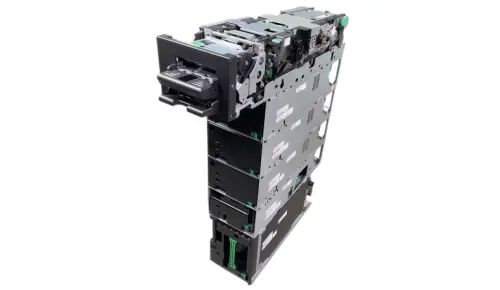
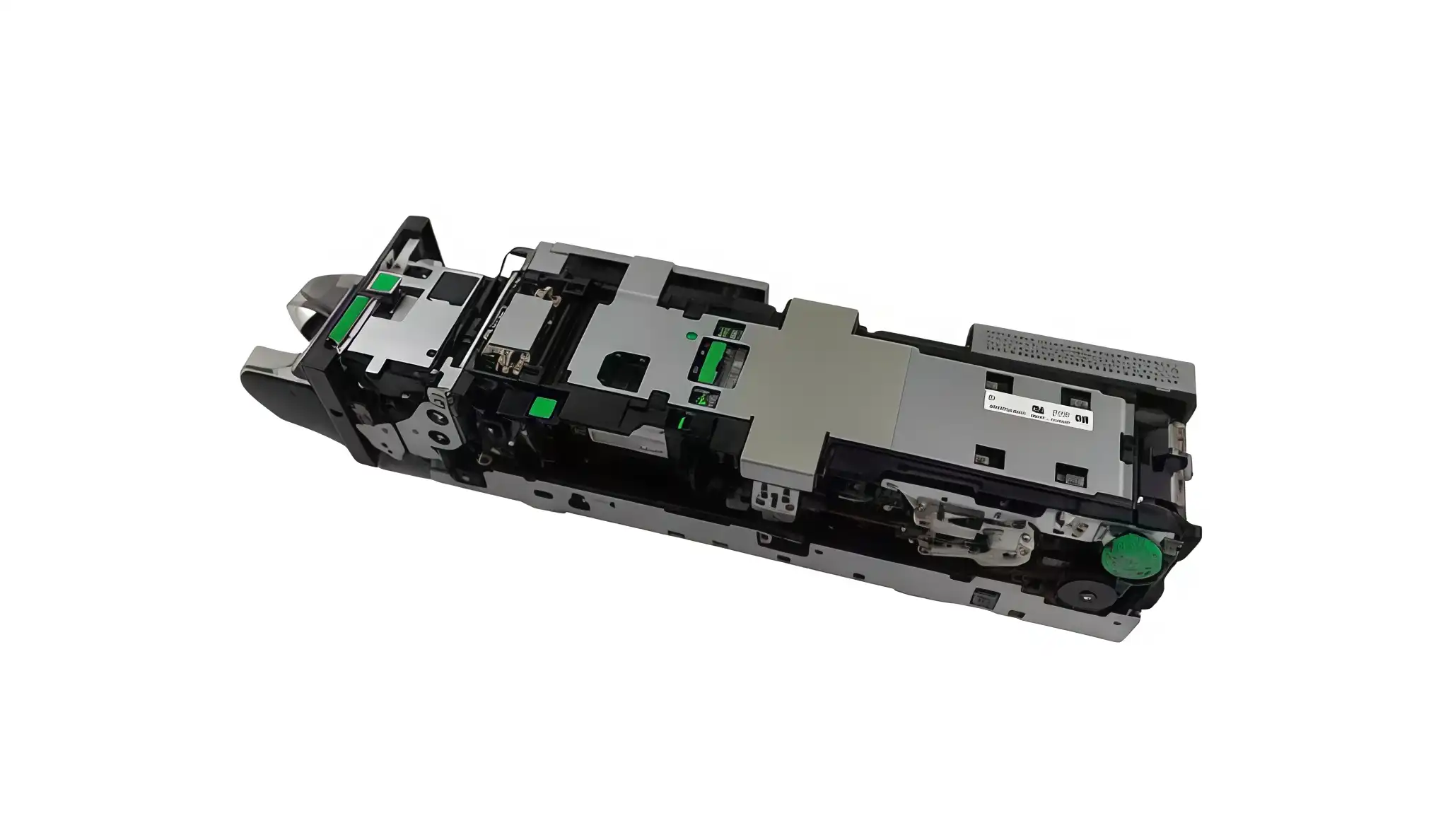
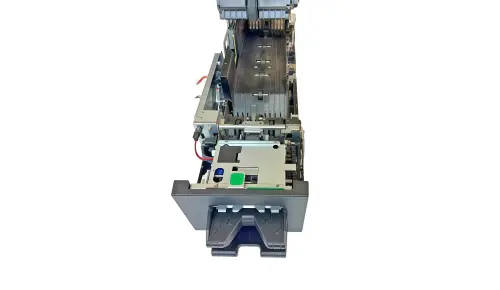
The GSR 50 Recycler is an OEM module for recycling bills that is made to be put into self-service terminals, payment kiosks, and retail checkout systems. This unit, which comes from Japan, which is known for its high-quality engineering, automatically accepts, verifies, stores, and gives out banknotes. This cuts down on the time it takes to handle and process cash by hand. The machine can process between 2.0 and 3.0 bills per second and uses the same transport path for both deposit and withdrawal operations. It can hold up to 60 notes on each recycling roll, and when the capacity is full, overflow logic sends the extra notes to a safe gathering cassette.
The Cash Box (KD04018-D001), the Reject Box (KD04016-D001), the Recycle Cassette (KD04014-D001), the Picks (KD04017-C001/D001), and the Dispenser (497-0517268) are all important parts that make up the complete component setup. Together, these parts make a smooth cash cycle, where new money coming in is instantly usable for deals going out.
Traditional Dispenser Limitations
Traditional machines only work with cash and don't have a recycling feature, which makes them less efficient. Operators of these machines have to manually load cassettes with certain denominations. Users can then get the cassettes when they ask for them. The one-way design makes it harder to run the business because it requires more work to be done and more cash to be stuck in machines, which increases the risk of cash-in-transit. Traditional models don't have an escrow feature that lets users leave a bundle, have it counted, and then confirm or stop the transaction, getting their exact note back if they cancel.
Operational Environment Comparison
By looking at their main parts, features, and working settings, you can start to understand how each system affects business processes. Recycling modules work great in self-checkout systems that handle a lot of items, financial service terminals that are open 24/7, and gaming redemption machines that need to be able to handle different types of notes without breaking. Traditional machines are still good for ATMs that only let you take cash or places with low traffic where depositing money isn't needed.
Core Functional Differences Between GSR 50 Recycler and Traditional Cash Dispensers
This part focuses on practical differences and explains how recycling systems allow stored notes to be used again, which improves cash flow and cuts down on replenishment rounds.
Recycling Mechanism and Cash Flow Optimization
The recycling design makes it possible for cash placed by one customer to be available right away for the next withdrawal. This keeps inventory levels even in faraway places. This closed-loop cash management cycle greatly lowers the amount of cash that machines need to store by using incoming cash to make change for outgoing cash. This makes it possible for longer periods of time between cash-in-transit replenishments.
In grocery or convenience stores with a lot of customers, the device handles the difficult task of accepting mixed cash payments and giving out exact change. The GSR 50 Recycler is specifically engineered to support this process with high-speed note handling and robust jam protection. This means that the cashier doesn't have to do it as much, and customers can get through the store faster during busy times.
More work is needed to move cash out of traditional machines, which often causes lines and extra work. When the discs in the hopper run out, the machine stops working until it is restocked by hand. This leads to unplanned downtime and pushes operators to keep float levels too high as a safety net in case usage goes up quickly.
Capacity and Throughput Metrics
Comparing capacities shows big differences in how well they can be scaled up or down. Recycling modules usually have more than one denomination architecture, different drum capacities, and bigger overflow cassette options to handle a wide range of transaction types. The unit's transfer feature can handle between 2.0 and 3.0 banknotes per second for both deposit and dispense tasks, and it works the same way no matter which way the transaction goes.
Traditional dispensers can hold more single cassettes, but they are less flexible. When a number tape runs out of notes, the machine can't use notes from other cassettes to fill it up. This means that there are times when only some services are available, even if cash is still in the unit.
Energy Consumption and Maintenance Demands
Because recycling systems are less complicated mechanically, they have lower long-term operational costs. If you compare the integrated transport path to separate accept-and-dispense architectures, it has fewer motors, belts, and sensors. The unit has auto-reverse and repeat logic to clear up small misfeeds. It also has advanced transport path alignment and auto-recovery logic to deal with the industry-critical problem of mechanical jams, which makes sure that the unit is always available even when no one is around.
Maintenance schedules are very different. Every three to six months, recycling units need to have their sensors cleaned and belts inspected in normal store settings that handle more than 500 transactions per day. Colour-coded latches and tool-free entry zones are built into the shipping path so that non-technical staff can safely clear jams without opening the safe cash box. With traditional dispensers, cassettes have to be handled more often, which raises labour costs and security risks during refill rounds.
Business Value and Benefits for B2B Clients
Recycling technology is a smart choice for companies that want to save money and keep things safe because it has real business benefits.
Cost Savings and Return on Investment
Restocking cash less often and reducing the number of workers needed can save a lot of money and help the investment pay off quickly. Float management optimisation may bring in the most money, since companies can unlock 40 to 60 percent more capital from their machine inventories compared to traditional dispenser deployments. Lower cash-in-transit frequencies directly lead to lower armoured car service fees, with some carriers cutting service gaps from twice weekly to once weekly or less.
Lowering the cost of labour adds to these saves. Self-checkout systems in stores that make changes automatically mean that cashiers don't have to handle mixed-payment transactions. This frees up staff to do more important customer service tasks. The automated payment processing that works 24 hours a day, seven days a week lets people pay their bills and loans without having to hire staff for the nights and weekends.
Advanced Security and Counterfeit Detection
The shredder has advanced technology for finding fakes and reducing errors, which makes security measures better and is necessary for places with a lot of cash. The unit meets strict Central Bank guidelines for counterfeit detection by using high-end sensor arrays that include magnetic, ultraviolet, and infrared detection. This keeps merchants from losing money. Procurement teams can be sure that regulations will be followed when they follow the CEN/XFS interface standards and the European Central Bank's authentication requirements.
Since traditional pumps are mostly used for dispensing, the acceptance side usually doesn't have very advanced proof. Companies that still use old technology often use separate bill validators that don't always follow the same rules for what to look for. This can leave security holes and lead to customer complaints about notes that were rejected.
Environmental and Sustainability Considerations
Design that cares about the environment helps companies reach their sustainability goals and meets the growing need for green purchasing options in global supply chains. Less frequent cash-in-transit lowers the carbon emissions that come with armoured car lines. The GSR 50 Recycler reduces overall energy consumption by integrating acceptance and dispensing into a single, efficient module, whereas running different acceptance and dispensing hardware separately uses more energy, which raises working costs and leaves a bigger impact on the environment. The modular component design makes equipment last longer because only the worn-out parts need to be replaced instead of the whole unit being thrown away.
Comparative Analysis: GSR 50 Recycler vs Competitor and Traditional Models
When procurement teams compare the recycling module to other Products on the market, they can use objective criteria to judge its capacity, speed, technical features, and added value functions.
Technical Specification Comparison
When scientific factors are looked at, key differences become clear. The machine has a processing speed of 2.0 to 3.0 banknotes per second, which makes it competitive with other recyclers in the same class and faster than most traditional units. Interface compatibility allows common communication protocols, such as USB, Serial, and ccTalk. This makes sure that it works with most PC operating systems and banking middleware without locking you into a specific vendor.
The small footprint designed for small-footprint integration makes it possible to put in slimline kiosks where standard stacked-cassette dispensers would not fit because of the limited width and height. Media flexibility lets it easily handle polymer and paper notes, as well as notes of different qualities, from ATM-fit notes to dirty notes from the street. Even with damaged currency, acceptance rates stay above 98% on the first try.
Unique Selling Points and Integration Capabilities
Putting the focus on unique selling points like higher intelligence, modular design, and the ability to integrate helps set products apart. Multi-note escrow lets users deposit bundles, get itemised counts, and still have the option to cancel with exact note return, making it possible for complex transaction flows. Foreign object detection checks that the transport path can reject or stop when coins, paperclips or non-currency paper are found. This stops major internal damage that would need costly field service calls.
The firmware correctly handles power-loss recovery, making sure that if the power goes out during a transaction, the correct record is made of the state of the cash—whether it's in escrow or secured—so that any disputes can be settled. This important feature protects merchants from liability issues in unattended settings.
Customer Feedback and Real-World Performance
When weighing pros and cons, it's important to get balanced opinions from both buying managers and tech teams. Operators constantly say that recycling modules increase machine uptime by 15–30% compared to standard dispensers. This is because operators don't have to shut down machines as often when denominations run out. Service companies like that maintenance can be done without tools and that there are clear diagnostic error codes that cut the mean time to repair by about 40%.
Integration partners say that integrating recycling modules is more complicated than integrating simple dispensers because they usually need to follow the manufacturer's SDK or implement the XFS standard layer instead of plug-and-play drivers. However, they say that the work that goes into integration pays off by improving the customer experience and making operations more efficient.
Procurement Considerations and Where to Buy the GSR 50 Recycler
Cost structures, guarantee terms, and support services that affect total cost of ownership need to be explained in a way that procurement professionals can understand.
Pricing and Warranty Structure
Recycling units usually cost more to buy than regular dispensers. Depending on the specs, the price difference can be anywhere from 30% to 60%. The GSR 50 Recycler, for example, commands a premium at the higher end of that range due to its advanced sorting and validation technology, but this initial investment needs to be weighed against the money that will be saved over time in float reduction, CIT fees, and labour costs. The standard warranty includes online support for 30 days, which gives you peace of mind during the initial deployment. For big deployments, you should ask for extended warranty choices and service-level agreements to protect against fix costs that come up out of the blue.
Usually, the lead time for module delivery is between 15 and 20 working days. This means that procurement teams have to plan installations ahead of time and make sure they have enough extra modules on hand in case they need to be used at more than one site. There are options for both brand-new and refurbished units that are in great shape, giving you budget flexibility for a range of deployment scenarios.
Identifying Authorized Suppliers and Support Infrastructure
Authorised sellers make sure that customers can get real goods and the professional installation services that are needed to make sure that the system works well. Since its founding in 2008, HONGKONG RONG MEI TECHNOLOGY CO., LIMITED has been a skilled maker and exporter of financial equipment, modules, and spare parts. It has ISO9001-2008 certification. The company has a 3000 square metre building in Shenzhen that is easy to get to by car or public transportation. The building has mould rooms, injection moulding departments, maintenance divisions and quality control departments to make sure that the products are always of the highest quality.
The seller can provide more than 80% of ATM modules and related components on the market. This makes it easier for buying teams to source everything they need from a single source, rather than having to manage relationships with multiple vendors. Full product supply and support, ranging from whole machines to modules to the smallest parts, solves the main problem of parts not working with different equipment models.
Online help, video remote support, and documents in multiple languages are all part of the technical support system. The expert team answers questions within 24 hours, so there isn't much downtime for business. This model for responsive support works especially well for spread deployments in growing markets where there may not be many technicians available on-site.
Total Cost of Ownership Evaluation
Long-term buying value is best maximised by looking at lifetime costs, scalability, and service readiness. The total cost of ownership should include the cost of the equipment itself, the cost of installation and integration, the cost of ongoing maintenance, the cost of CIT service, the amount of float capital needed, and the expected lifespan of the equipment. In high-volume situations, recycling modules usually pay for themselves in 18 to 36 months. After that, they save money on operations, which leads directly to higher profits.
Scalability is important for businesses that want to grow their networks. The standard interface protocols and modular component design make sure that investments in equipment can work with new POS systems, kiosk platforms, and backend financial middleware. Customisation features let customers change existing modules and spare parts to fit their needs. This includes making changes to the hardware and setting up multiple languages, which helps keep deployments consistent across multiple markets.
Conclusion
There is a big difference between recycling units and regular cash dispensers. It's not just a small improvement; it's a basic shift in the way cash is managed, from static inventory distribution to dynamic circulation optimisation. The GSR 50 Recycler exemplifies this shift by intelligently balancing incoming and outgoing notes in real time, delivering tangible benefits in lowering float, increasing business uptime, improving security, and making work more efficient, all of which lead to better financial performance. Traditional dispensers are still useful for easy withdrawal-only tasks, but as self-service transactions grow, they need the intelligence and flexibility that can only be provided by recycling design.
When purchasing equipment, procurement professionals should think about the total cost of ownership rather than the initial price. They should also understand the strategic value of supplier support infrastructure and make sure that the technology they choose is in line with their long-term operational goals. When businesses use recycling technology, they can meet changing customer needs and save a lot of money at the same time in a market that is becoming more competitive.
FAQ
What makes recycling modules more reliable than traditional dispensers?
Auto-recovery reasoning and streamlined transport routes in recycling systems make jams less likely to happen. When compared to separate accept-and-dispense architectures, the integrated design combines mechanical parts, which lowers the number of failure points. For good recycling modules, the mean number of cycles between failures is usually higher than 100,000 transport cycles.
Can recycling modules handle multiple currencies simultaneously?
Depending on how the firmware is set up, units can be designed to accept and recycle different currencies or mixed amounts in the same recycling drum, as long as the drum's physical measurements are within the acceptable range for transport width. This feature is useful in border areas or foreign airports that serve a wide range of customers.
How do recycling modules integrate with existing systems?
Usually, to integrate, you need the manufacturer's SDK or to follow the XFS standard layer protocols. Even though it's not as simple as plugging in a peripheral, if you do it right, you can set up complex transaction flows like escrow management, multi-note payments, and conditional refund logic that go far beyond what a normal dispenser can do to improve the customer experience.
Partner with RM for Your GSR 50 Recycler Supply Needs
Long-term business success depends on choosing the right cash recovery provider. RM offers complete solutions backed by more than 20 years of experience in ATM technology. These solutions ensure stable inventory access and quick setup times that fit tight project plans. Our wide range of parts includes more than 80% of all market-available ATM modules and components.
This eliminates the need for multiple purchases, and our ISO9001-2008-certified manufacturing makes sure that the quality of every shipment is the same. The technical support infrastructure includes answering questions 24 hours a day, providing documents in multiple languages, and offering video remote help. This fills in the important support gaps that happen during foreign deployments.
RM's ability to customise modules to meet the needs of each market through hardware changes and language settings gives procurement teams looking for a GSR 50 Recycler supplier a strategic edge. Our flexible condition options—brand new or refurbished units—and 15–20 working day lead times allow us to help with both urgent replacements and planned network expansions. Get in touch with Tony@atm-part.com to talk about your specific needs, get detailed technical specifications, or set up product demonstrations that back up claims of performance with objective testing.
References
1. Anderson, M. (2021). Cash Automation Systems: Technology and Operations Management. Financial Technology Press.
2. Chen, L., & Rodriguez, P. (2020). "Comparative Analysis of Cash Recycling Technologies in Retail Banking." Journal of Financial Services Technology, 15(3), 112-129.
3. European Central Bank. (2019). Technical Standards for Banknote Handling Machines. Frankfurt: ECB Publications.
4. International Standards Organization. (2018). ISO 9001:2008 Quality Management Systems - Requirements. Geneva: ISO.
5. Kumar, S. (2022). "Total Cost of Ownership Models for Self-Service Banking Equipment." International Journal of Banking Operations, 28(4), 201-218.
6. Williams, J., Thompson, R., & Lee, K. (2020). Self-Service Terminal Design and Integration: Best Practices for Procurement Professionals. New York: Banking Technology Publishers.
Learn about our latest products and discounts through SMS or email