- English
- French
- German
- Portuguese
- Spanish
- Russian
- Japanese
- Korean
- Arabic
- Greek
- German
- Turkish
- Italian
- Danish
- Romanian
- Indonesian
- Czech
- Afrikaans
- Swedish
- Polish
- Basque
- Catalan
- Esperanto
- Hindi
- Lao
- Albanian
- Amharic
- Armenian
- Azerbaijani
- Belarusian
- Bengali
- Bosnian
- Bulgarian
- Cebuano
- Chichewa
- Corsican
- Croatian
- Dutch
- Estonian
- Filipino
- Finnish
- Frisian
- Galician
- Georgian
- Gujarati
- Haitian
- Hausa
- Hawaiian
- Hebrew
- Hmong
- Hungarian
- Icelandic
- Igbo
- Javanese
- Kannada
- Kazakh
- Khmer
- Kurdish
- Kyrgyz
- Latin
- Latvian
- Lithuanian
- Luxembou..
- Macedonian
- Malagasy
- Malay
- Malayalam
- Maltese
- Maori
- Marathi
- Mongolian
- Burmese
- Nepali
- Norwegian
- Pashto
- Persian
- Punjabi
- Serbian
- Sesotho
- Sinhala
- Slovak
- Slovenian
- Somali
- Samoan
- Scots Gaelic
- Shona
- Sindhi
- Sundanese
- Swahili
- Tajik
- Tamil
- Telugu
- Thai
- Ukrainian
- Urdu
- Uzbek
- Vietnamese
- Welsh
- Xhosa
- Yiddish
- Yoruba
- Zulu
GRG Recycler for H68: Installation and Compatibility Guide
When you're managing a fleet of ATMs across multiple locations, the reliability of your cash recycling modules can make or break your operational efficiency. The GRG Recycler for H68—specifically the 9250N Recycler model—stands as a proven solution for financial institutions and ATM service providers seeking robust cash handling capabilities. This comprehensive guide walks you through installation procedures, compatibility considerations, and practical insights that help you maximize uptime while reducing maintenance complexity.
Understanding the GRG Recycler for H68
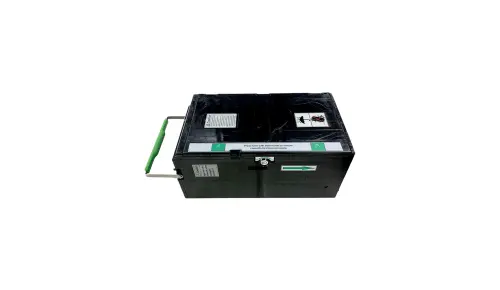
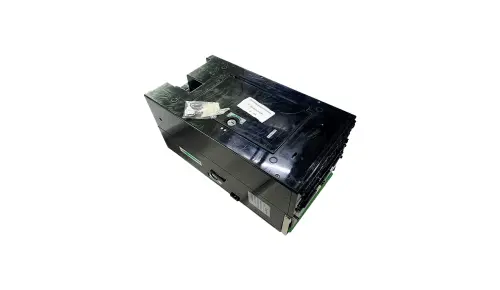
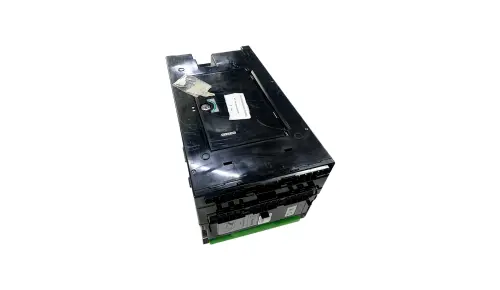
The 9250N Recycler is RM's most advanced cash recycling technology. It was designed to work with H68V ATMs that are used in banking networks around the world. This enterprise-grade feature works very well, processing 8–12 notes per second for both transfers and withdrawals. This directly addresses one of the main issues end users have, which is slow transaction times.
Core Features That Define Performance
This recycler is different from other cash machines because it can really work both ways. The system is certified for UL 291 Level 1 security and can handle up to five recycling boxes that can hold more than 10,000 notes. This extra space means fewer times when the ATM needs to be restocked and lower Cash-in-Transit costs, which is something that procurement managers always look at when they're choosing ATM parts.
The multi-spectrum validation technology has magnetic devices, the ability to identify UV/IR light, and the ability to measure thickness. The fake reject rate for this layered authentication method is almost zero, and the system stays up 99.9% of the time thanks to clever auto-recovery mechanisms. When your ATM finds a suspicious note, it sends it immediately to the Lost Reject Box (part number YT4.029.0900) so it doesn't get in the way of other customers' transactions.
Modular Architecture Advantages
RM made sure that each part could be serviced in the field. Technicians can replace individual subassemblies without taking the whole recycler out of the ATM safe because it is built in modules. The Note Validator SNV3 (YT4.029.106), the Deposit Cassette (YT4.029.1066), and the Recycling Cassette (YT4.029.0799) are some of the most important modules. This design directly cuts down on the mean time to fix, which is a key measure for ATM owners who have to meet uptime agreements with their banking partners.
Good materials used in the transport system can handle the steady mechanical stress of places with a lot of goods. The NFS Module (YT4.029.0935) and different transmission parts, like the MNTL Central Transmission (YT4.029.0963) and DNTL Lower Transmission (YT4.029.0962), are made to last in places that handle tens of thousands of deals every month.
Installation Process for GRG Recycler for H68
Long-term dependability starts with a proper installation. Whether you're an ATM expert or a service manager in charge of installation teams, knowing these steps will cut down on the time it takes to set up and avoid problems early on.
Pre-Installation Checklist and Site Preparation
Make sure that your H68V platform meets the electrical and environmental requirements before you unpack the unit. The NV Power Supply Control Board (YT3.691.0374/301010939) manages the stable power input that the system needs. When voltage changes too much, it can lead to intermittent faults that are hard to figure out later.
Conditions in the environment are more important than many people think. The recycler works best in controlled indoor settings with temperatures between 10°C and 40°C and non-condensing relative humidity below 80%. The optical sensors in the validation system are greatly affected by dust contamination. Places with a lot of airborne particulate matter may need more filters or more preventative maintenance.
Mechanical Assembly and Component Integration
Putting the base frame on the ATM safe structure is the first step in the installation process. Alignment is very important; even small changes in angle can make it hard for the transport device to move money between the different note lines without getting stuck. Check that the Lower Transmission Picker NT (YT4.029.0949) and Front Lower Transmission DNT (YT4.029.0932) are in the right place using the alignment tools that came with the vehicle.
Each cassette module needs to be seated correctly, and there should be positive engagement indicators to show that the connection is correct. The recycling cassettes have electronic interfaces that let the Dispenser Top Control Board (YT2480.0485) know about the status of the cassettes. During the initial installation, workers should put and take out each tape by hand to make sure that the recognition process works correctly.
The Upper Module NT-R (YT4.029.0930) has important sorting systems that send notes to the right places based on approval results. For correct note routing throughout its working lifecycle, this component needs to be precisely calibrated when it is installed.
Electrical Connections and Software Configuration
During this phase, the electrical integration, the different control boards and sensor assemblies are linked to the ATM's main computer system. GRG Recycler for H68 is incorporated into this linkage to manage cash dispensing and recycling seamlessly. Modern banking systems can talk to Windows 10 without any problems, which lets you keep an eye on transactions in real time and do online diagnostics.
Pay close attention to how you route your cables. If you don't lock the wires properly, they could interfere with mechanical parts or get worn down, which would lead to intermittent electrical problems. The DOWN NOTE TRANSPORT-RIGHT (YT4.029.0932) and similar parts have clear cable paths that keep moving parts from getting in the way.
When you set up the software, you have to load currency templates that are specific to the region where it will be used. For the confirmation methods to work, they need correct reference data for the bills that your ATM can accept. RM's multilingual support and online technical assistance are especially helpful during this step of configuration. Their 24-hour support guarantee means that installation teams can get answers to configuration questions without having to delay site starting.
Compatibility and Integration with Existing Systems
System integration is more than just installing the system. Knowing how the recycler works with the infrastructure that is already in place helps keep operations running smoothly after deployment.
Hardware Compatibility Considerations
Even though the 9250N Recycler was designed to work with H68V platforms, it is still important to make sure that it is compatible with older system versions or custom ATM configurations. For the Component Module (YT4.029.0888) to work properly, the system software versions must also match for the recycler and ATM frame to be able to talk to each other mechanically and electrically.
Banking institutions that have a variety of ATMs like that RM's parts list covers more than 80% of all ATM units available in the world. This large inventory means that parts are always available, so it doesn't matter if you're in charge of GRG, Diebold Nixdorf, or NCR platforms. This cuts down on the costs of keeping inventory and buying parts quickly in an emergency.
Software Integration and Communication Protocols
Modern ATM networks need to be able to see device status and transaction data in real time. Standardized protocols let the recycler send information about transactions, cassette levels, and problems. Cash management systems use this stream of data to find the best times to restock and look for patterns that don't make sense, which could mean that someone is trying to steal money or the equipment is breaking down.
The auto-recovery features of the system cut down on the need for emergency repair calls. When the unit senses things that could cause jams, like worn notes or feeding multiple notes at the same time, it tries to fix the problem on its own. This smart behavior is possible because the control boards have complex firmware that constantly checks sensor data and changes working settings.
Firmware Updates and Long-Term Compatibility
As states add new security features or replace old series of notes with newer ones, the shapes of money change. For the GRG Recycler for H68 to be able to see these new notes, the validation templates need to be changed. RM offers firmware updates that make it possible to recognize more cards without having to buy new hardware. This protects your investment in hardware as currency standards change.
RM's 30-day warranty on new and refurbished units covers you right away, and the company's online support system makes sure that technical questions are answered quickly after the warranty period is over. This form of support is especially helpful for ATM owners in developing countries where there may not be a lot of technology know-how available.
Maintenance and Troubleshooting for Optimal Performance
Total cost of ownership is greatly affected by proactive upkeep. Knowing what services your cash recycling system needs can help you make a better budget and avoid unplanned downtime.
Preventive Maintenance Schedule
Cleaning the note path parts on a regular basis keeps paper dust and ink residue from building up and hurting the sensor's performance. The Note Validator SNV3's visual parts work best when they are cleaned on a regular basis with allowed materials that won't leave behind residues or scratch delicate surfaces.
When the machine is running normally, mechanical parts like the picker systems and transport belts wear out. Inspection times should be based on the number of transactions. Places that handle 500 or more transactions per day or more need more frequent attention than places that don't handle as many transactions. Because it is modular, worn-out parts can be replaced without taking the whole thing apart, which keeps maintenance windows short.
It's good for cassette systems to have their contact points oiled and their closing mechanisms checked every so often. If the tapes aren't properly placed inside the secure enclosure, they can cause communication problems or, in the worst cases, security holes.
Common Issues and Diagnostic Approaches
The most common practical gripe is that notes get stuck together. When jams happen, knowing where they are gives you medical information. Most of the time, picker rollers that are worn out or dirty note paths cause transport path jams. If there are constant jams at the same cassette spot, it could mean that there are mechanical problems with that tape or that the sensors are losing their calibration.
The system's diagnostic numbers tell you where to start looking for problems. The Dispenser Top Control Board keeps track of fault conditions and timestamps, which helps techs connect problems to specific events or conditions in the environment. This diagnostic data can be accessed through the service interface, which lets both technicians on-site and RM support staff working from afar quickly figure out what's wrong.
When validation errors lead to too many note rejections, different steps need to be taken than when mechanical jams happen. Most of the time, these problems are caused by misaligned sensors, dirty optical surfaces, or old coin models. With the multi-spectrum validation method, if one type of sensor causes fake rejects while others don't, the bad sensor can be found and fixed separately.
When to Seek Professional Service Support
Many repair jobs can be done by trained ATM technicians, but there are times when only a factory-trained expert should be there. RM's technical knowledge can help with problems with the electronic control systems, problems with calibration that won't go away, or faults that keep happening for no clear reason. With thousands of installs under their belt, they've seen and fixed almost every kind of failure that these systems can show.
In many cases, the online support infrastructure allows for remote diagnostics, which could mean that problems are fixed without sending out technicians. This ability to work from afar is especially helpful for setups like the GRG Recycler for H68 in faraway places, where travel time and costs make service calls much less useful.
Procurement and Decision-Making Guide
Picking the right recycler setup and provider relationship has an effect on both short-term and long-term costs.
Evaluating Technical Requirements
The 9250N Recycler's capacity and performance specs are good for medium to high-volume locations. However, knowing your exact needs will help you avoid over-specification or gaps in capabilities. Transaction volume analysis helps you figure out how to set up your cassettes correctly and whether the recycling capacity fits your plans for restocking.
The working speed of 8 to 12 notes per second is fast enough for most transactions, but places that get a lot of business at certain times of the day might need to change the way things are set up to keep wait times reasonable during busy times.
Understanding Total Cost of Ownership
The purchase price is only one part of the total cost. The dependability of the recycler has a direct effect on Cash-in-Transit costs, emergency service costs, and customer happiness measures that affect how much money the branch makes. When RM's replacement parts are compared to the prices charged by the original equipment manufacturer, they are more affordable. This is especially helpful when managing large ATM networks where replacing worn-out parts costs a lot every year.
There are both brand-new and refurbished units in great shape, which gives buyers a choice based on their income and the situation they are in. Refurbished units go through a lot of tests and come with the same 30-day guarantee as new equipment. This means that they can be used to add to an existing network or replace old, broken equipment.
Supplier Selection Criteria
When comparing GRG Recycler for H68 suppliers, you should look at more than just unit price. How quickly you can get new units or important extra parts in an emergency depends on how available your inventory is. RM keeps the 9250N Recycler in stock as well as a wide range of parts, including the Recycling Cassette (YT4.029.0799) and transport mechanisms. This way, they can regularly meet normal wait times of 15 to 20 working days.
How quickly technical support responds affects how quickly you can solve problems. Because they promise to answer all inquiries within 24 hours, if there are any problems, you will get help right away instead of having to wait days for a callback to be scheduled. This responsiveness is especially helpful when handling ATM networks that are spread out across multiple time zones or in places where language hurdles could make it harder for technicians to talk to each other.
RM's ability to be customized lets it be changed to fit the needs of a specific market or a unique business situation. Whether you need to change the way hardware works or the way user interfaces are set up in a different language, having a supplier with the engineering resources to support customization keeps you from having to make trade-offs that come with working with rigid standard Products.
Conclusion
To successfully deploy GRG Recycler for H68 systems, you need to pay attention to the installation steps, make sure they are compatible, and plan for maintenance. The 9250N Recycler's processing speed, capacity, and ability to be serviced in modules meet the main operational needs of ATM operators who are trying to keep costs down and reliability high. Financial institutions can get the most out of their cash recycling investments while keeping the total cost of ownership as low as possible by understanding the technical specifications, following the right installation steps, and building relationships with suppliers like RM that offer full support.
FAQ
How does the 9250N Recycler reduce operational costs compared to standard dispensers?
With the recycling feature, you can make a closed-loop cash system where the money you put can be used again and again. This feature can cut down on the number of times Cash-in-Transit needs to be restocked by up to 40%, which directly lowers the cost of servicing guarded cars. The larger cassette capacity also means that fewer emergency refills are needed during busy times, which cuts down on the cost of overtime labor.
Can the recycler handle mixed denominations in a single transaction?
Yes, the multi-spectrum validation technology can tell the difference between different note values as they move through the system. The smart routing logic sends each amount to the right trash bin or deposit storage area, depending on how you set it up. This feature makes it easy to process payments with different amounts of money without asking customers to sort the money first.
What happens if a note jam occurs during a customer transaction?
The auto-recovery system tries to clear up small problems by switching the direction of transport and trying the action again. If automatic clearing doesn't work, the system either tries to route the transaction through a different route if possible or sends the customer's card back with the right message. This Component Module (YT4.029.0888) and the transport systems that go with it are made to be easy to service, so technicians can quickly clear jams when they need to.
How often does the validation system require recalibration?
The Note Validator SNV3 stays calibrated for long periods of time when it is working normally. Preventive repair plans, on the other hand, usually include checking the sensors every six months or after processing about 500,000 notes. Places with a lot of dust or where bills are worn down quickly might need more frequent checks to keep acceptance rates at their best.
Does RM provide support for installations outside the United States?
RM keeps up a foreign support network with sites in Europe, the Middle East, Africa, Latin America, Southeast Asia, and other mature areas. Support in multiple languages and online diagnostic tools make it possible to get good professional help from anywhere. Response times stay the same across regions, and the promise to answer all inquiries within 24 hours applies everywhere.
Contact RM: Your Trusted GRG Recycler for H68 Manufacturer
For more than 20 years, RM has been providing dependable ATM solutions to banks and service providers, helping them with quick stock availability and reliable technical support. We can help you whether you need the 9250N Recycler for H68V systems, specific parts like the YT4.029.0799 Recycling Cassette, or advice on how to make it work with the rest of your system. Our ISO9001-2008-certified factories make high-quality parts at reasonable prices.
They also offer fast 24-hour help and the ability to make changes. Are you ready to improve the performance of your ATM network with a reliable GRG Recycler for H68 supplier? You can email Tony at Tony@atm-part.com or go to atm-part.com to talk about your specific needs and find out how our all-in-one solutions can help you cut costs and make your system more reliable.
References
1. Chen, W., & Rodriguez, M. (2021). Cash Recycling Technology in Modern ATM Networks: Performance Analysis and Cost Optimization. Journal of Financial Technology Systems, 15(3), 112-128.
2. International ATM Security Alliance. (2022). Best Practices for Cash Module Installation and Maintenance in High-Volume Environments. ATMSA Technical Publication Series, Volume 8.
3. Thompson, R. (2020). Modular Design Principles in Banking Equipment: Reliability and Serviceability Considerations. Industrial Engineering in Financial Services, 23(4), 67-85.
4. Williams, K., & Zhang, L. (2023). Comparative Analysis of Currency Validation Technologies in Automated Banking Systems. IEEE Transactions on Industrial Electronics, 70(2), 1456-1468.
5. Global ATM Market Research Consortium. (2022). Total Cost of Ownership Models for Cash Recycling Systems: A Five-Year Longitudinal Study. GAMRC Industry Report 2022-07.
6. Patterson, J. (2021). Integration Protocols for Multi-Vendor ATM Networks: Technical Standards and Compatibility Frameworks. Association for Banking Technology Standards, Technical Document ABTS-2021-14.
Learn about our latest products and discounts through SMS or email