- English
- French
- German
- Portuguese
- Spanish
- Russian
- Japanese
- Korean
- Arabic
- Greek
- German
- Turkish
- Italian
- Danish
- Romanian
- Indonesian
- Czech
- Afrikaans
- Swedish
- Polish
- Basque
- Catalan
- Esperanto
- Hindi
- Lao
- Albanian
- Amharic
- Armenian
- Azerbaijani
- Belarusian
- Bengali
- Bosnian
- Bulgarian
- Cebuano
- Chichewa
- Corsican
- Croatian
- Dutch
- Estonian
- Filipino
- Finnish
- Frisian
- Galician
- Georgian
- Gujarati
- Haitian
- Hausa
- Hawaiian
- Hebrew
- Hmong
- Hungarian
- Icelandic
- Igbo
- Javanese
- Kannada
- Kazakh
- Khmer
- Kurdish
- Kyrgyz
- Latin
- Latvian
- Lithuanian
- Luxembou..
- Macedonian
- Malagasy
- Malay
- Malayalam
- Maltese
- Maori
- Marathi
- Mongolian
- Burmese
- Nepali
- Norwegian
- Pashto
- Persian
- Punjabi
- Serbian
- Sesotho
- Sinhala
- Slovak
- Slovenian
- Somali
- Samoan
- Scots Gaelic
- Shona
- Sindhi
- Sundanese
- Swahili
- Tajik
- Tamil
- Telugu
- Thai
- Ukrainian
- Urdu
- Uzbek
- Vietnamese
- Welsh
- Xhosa
- Yiddish
- Yoruba
- Zulu
What Is CDU10 Dispenser for Hyosung MX5600 ATM?
For Hyosung Nautilus ATMs, like the MX5600 model, the CDU10 Dispenser is a special cash dispensing unit that was made just for them. This carefully designed section controls the whole process of giving out cash, from keeping it safe to making sure it's real to delivering it to the customer. The dispenser is made with a modular architecture and has many synchronised parts, such as the lower dispenser mechanism (part number 7310000386), the V-Module verification unit (7430000255), and advanced transport systems.
These parts all work together to make sure that notes are handled correctly and reliably, even when conditions are tough. In addition to delivering cash, it actively checks the validity of the currency, handles multi-cassette setups, and sends real-time feedback on transactions to the ATM's central controller.
Introduction to CDU10 Dispenser and Its Role in Hyosung Nautilus ATM
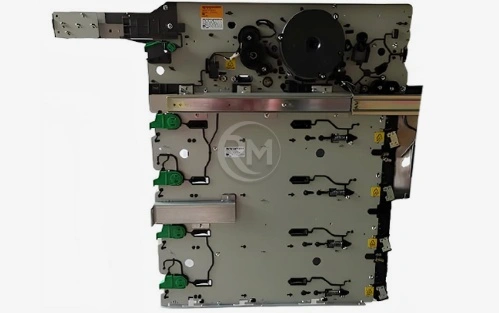
The machine is the most important part of any ATM network because it directly affects how happy customers are and how efficiently the network runs. The cash handling module in Hyosung Nautilus systems does continuous duty cycles while meeting high standards of accuracy. The amount of cash that is available is a key performance indicator for banks. When it's not available, they lose money and customers lose trust.
Core Functions in Cash Management Operations
This system's main job is to take individual bills out of safe cassettes, check that they are real and in good condition, and then give them to customers who are waiting through the cash platform (part number 7010000229). Multiple parts must work together to complete this process, which seems simple. Optical and magnetic sensors in the verification module look for fake notes, and the transport mechanism keeps exact timing to avoid jams and mistakes when more than one note is dispensed.
In competitive banking settings, transaction speed is very important. A well-kept CDU10 Dispenser can handle normal withdrawals in 15 to 20 seconds, which includes validating and delivering the note. Because of this, customers don't have to wait as long during busy times, and each ATM can handle more activities every day.
Impact on Operational Uptime and Cost Management
The total cost of ownership for ATM providers is directly linked to how reliable their equipment is. Unexpected failures lead to emergency service calls, the cost of sending a technician, and, most importantly, lost transaction revenue during downtime. Modern dispensing units are built on the idea of modular design, which means that only certain parts need to be replaced instead of the whole system being rebuilt. This cuts down on the mean time to repair (MTTR) metrics by a large amount.
Financial institutions that run ATM networks with multiple locations give priority to sellers who can show that parts are always available. The cassette chassis (7310000649) that supports four-cassette setups lets you hold more cash, which means you don't have to replace it as often and save money on labour costs. This configuration is especially useful in places with a lot of traffic where more than $50,000 worth of transactions happen every day.
Key Features and Specifications of the CDU10 Dispenser

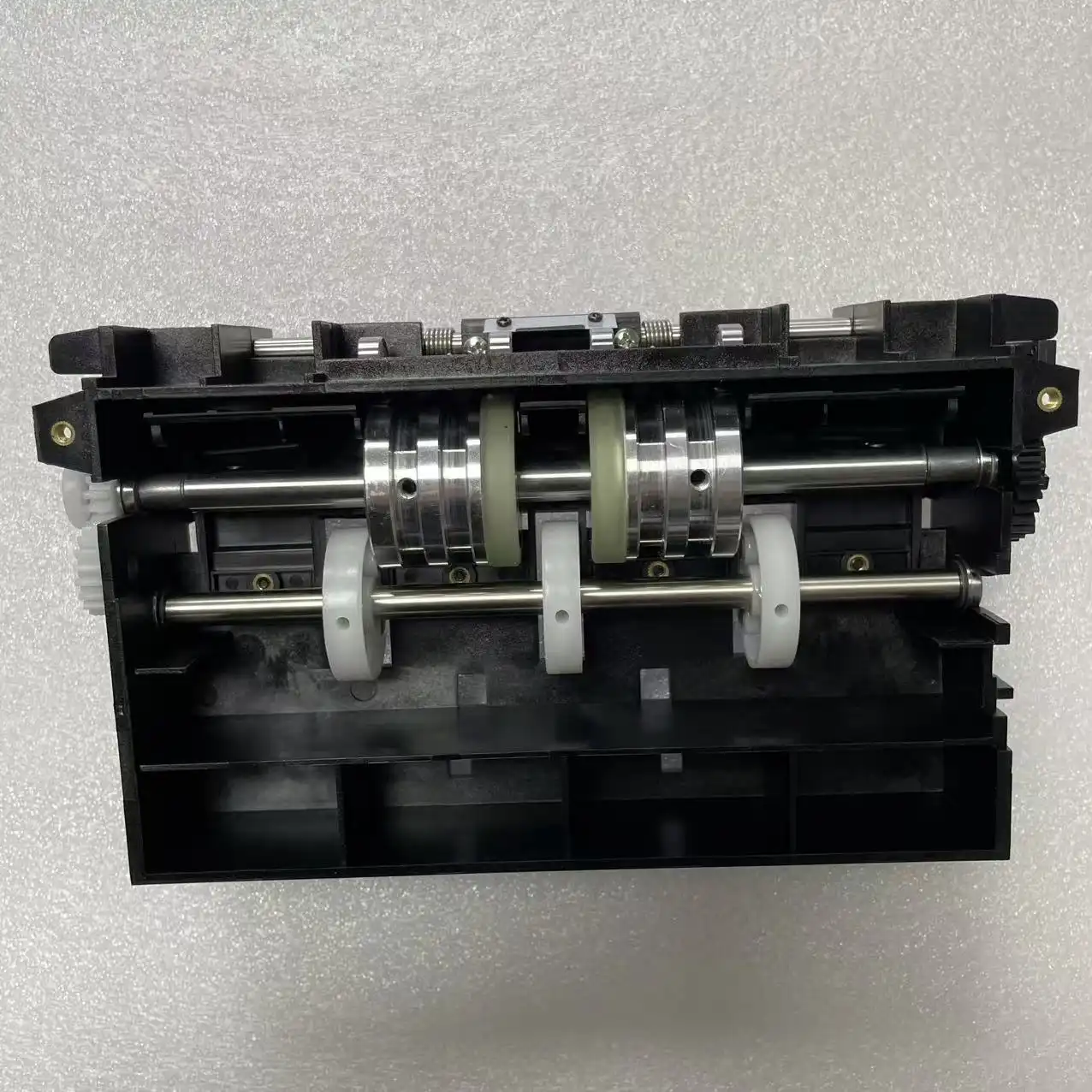
Knowing what a piece of equipment can do technically helps procurement managers decide if it meets operational needs. The CDU10 Dispenser architecture is made up of many specialised parts that work together to make the whole system work better and be more reliable.
Technical Architecture and Component Integration
The delivery device works because the mechanical, electrical, and software parts all work together. The control board (part number 7760000209), which gets instructions from the ATM's main processor and coordinates the actions of its parts using perfectly timed electronic signals, is the brains of the machine. The more advanced types come with updated controller versions (77600000-64 and 77600000-65) that can handle more complicated transaction cases with better processing.
Note transport systems (S7310000302/7430000301) use carefully designed rollers and guide paths that can handle different types of money and note conditions. Different markets around the world use very different types of money. In Australia and Canada, polymer notes are common, while in the US, traditional cotton-linen blends are used. The tightness and speed of the transport device are automatically changed based on feedback sensors from the notes. This keeps old or fragile money from getting damaged.
There are security features built into the whole design architecture. The reject bin (7430000991) has metal locks that keep messing with the recorded suspect notes. The cash box lock (4380000027) adds an extra layer of security and meets the standards set by UL 291 and European EN 1143-1 for physical attack resistance in the industry.
Installation and Maintenance Considerations
Paying attention to the surroundings and integration procedures is necessary for a successful rollout. Standardised mounting interfaces and electrical connections make it easy for the dispenser to work with existing Hyosung Nautilus frameworks. Technicians like the modular design because it lets them change individual parts without taking the whole unit apart, which cuts service time by a large amount.
Before it is shipped, every part goes through a lot of tests, such as multi-cycle endurance runs that simulate months of heavy use. Each unit comes with detailed instructions on how to install it, calibrate it, and fix any problems that might arise. The clear cover (4310000193) lets you see what's going on during diagnostic procedures, which speeds up the process of finding the problem.
Preventive maintenance plans usually call for inspections every 90 days in places with average traffic, and once a month for places with more traffic. The gear unit (7310000649-1) with a 40-tooth black gear system that is constantly under rotary stress is one of the most important wear parts. The clamp piece (4250000052/4380000800) that holds notes in place should also be checked regularly to make sure the tightness stays right.
Comparing CDU10 Dispenser with Other ATM Dispensers
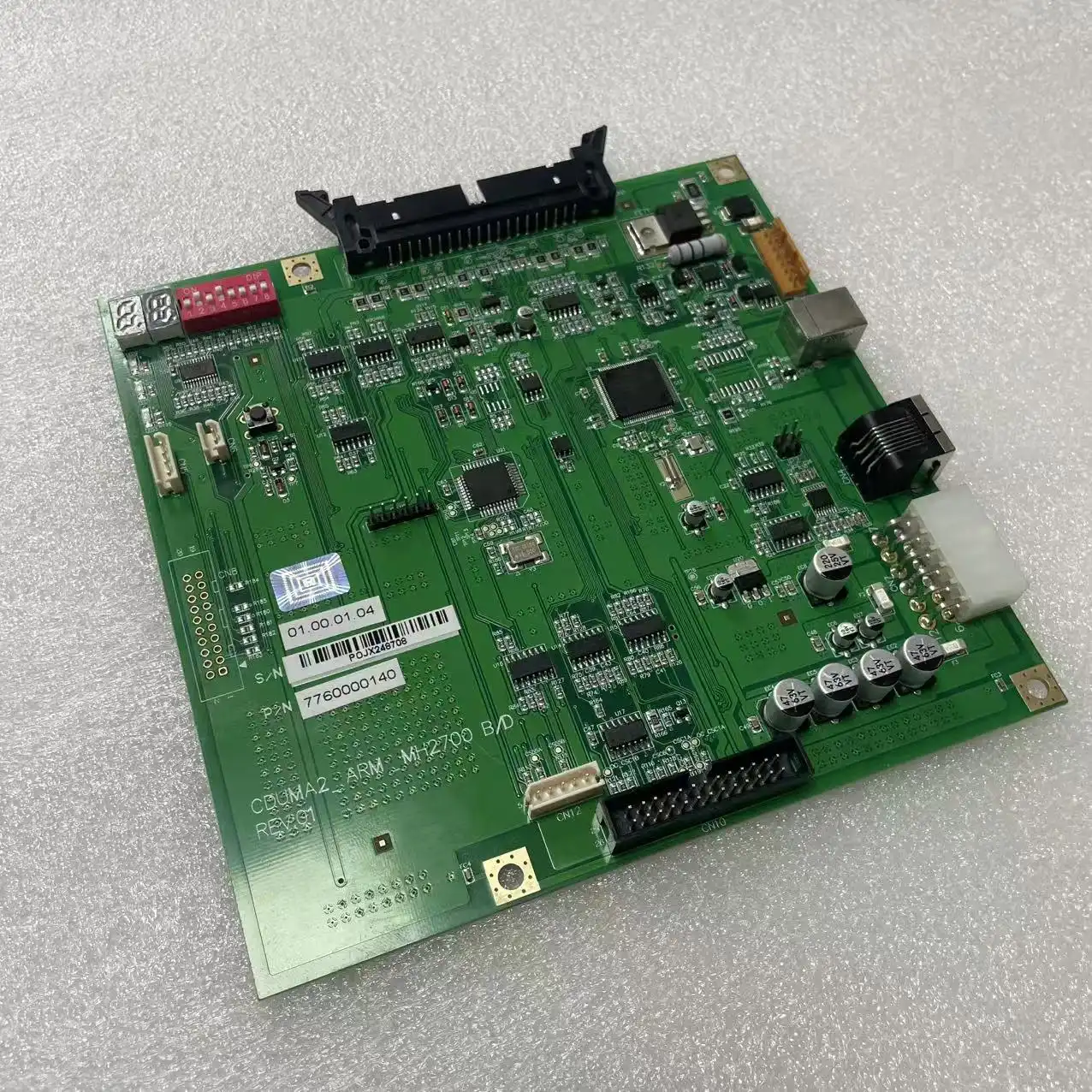
When making decisions about what to buy, it helps to know how a certain piece of equipment stacks up against other options on the market. When compared to similar Products on the market, the CDU10 Dispenser stands out because it has several performance and design advantages.
Performance Evolution from Previous Generations
The CDU9 series came before the current wave of models. It had good performance but lacked some of the improvements found in newer versions. Better note separation algorithms cut down on mis-picks by about 30% compared to older systems, which directly raises the success rate of transactions. The new V-Module (7430000255) has more sensor arrays that can find more complex counterfeiting methods that older systems might have missed.
Component lifetime additions show how durability is getting better. The extractor mechanism (7310000386) now uses harder materials and better design, which increases the mean time between failures (MTBF) from about 200,000 cycles to over 350,000 cycles under the same conditions of use. This increase in reliability means fewer service calls and lower operating costs over the lifetime of the system.
Price-to-Quality Analysis for Procurement Decisions
Every purchase choice is affected by budget limits, which makes value assessment very important. Original equipment maker (OEM) parts usually cost more than other parts, but they are guaranteed to work with other parts and come with a full warranty. Alternative sources that offer compatible parts at lower prices need to be carefully looked at to make sure they provide consistent quality and long-term support.
The dispenser solution strikes this balance by offering both brand-new and refurbished units that are still in great working order. Refurbished equipment goes through a lot of tests that are the same as those for a brand-new unit. It also costs 35–40% less than OEM price. This gives owners the freedom to make the best use of their funds without lowering the reliability of their ATM networks.
Independent service organisations say that replacement parts that are properly sourced have a high satisfaction rate. The individual cassette units (7430000208) are especially useful because they are worn out quickly and need to be replaced on a regular basis across all ATMs. Operators who are in charge of multiple sites can save even more money by buying parts in bulk that are often changed.
Procurement Guide for CDU10 Dispenser: Purchasing and Support Insights
To get through the buying process quickly and easily, you need to know about your options, how to get help, and what the vendor can do. Long-term business success depends a lot on having strategic ties with suppliers.
Buying Options and Inventory Availability
As of now, the market consistently has this type of machine and the parts that go with it in stock. This lowers the uncertainty about lead times that makes planning fleet maintenance harder. Most component orders have standard lead times of 15 to 20 working days, which gives you enough time to plan for planned maintenance projects or system upgrades.
Companies that manage large ATM networks should think about CDU10 Dispenser bulk order arrangements. When there aren't enough supplies, volume agreements usually let you get better price and priority allocation. Setting up blanket purchase agreements with set delivery dates helps you plan your budget and makes sure that the availability of parts matches up with planned maintenance cycles.
International routes of marketing help with the needs of world deployment. There are factories in the United States that make the dispenser, and it is sold in Southeast Asia, the Middle East, Africa, Latin America, and mature markets like Europe. There are different amounts of urgency and cost ranges for sea, land, and air transports.
Warranty Coverage and After-Sales Support
Every unit comes with a 30-day guarantee that covers problems with the way it was made and how it works when it is used normally. This protection gives you immediate options if problems arise during the initial stages of deployment. When a warranty claim is approved, it is handled quickly so that operations aren't interrupted too much. Within 24 to 48 hours of claim approval, new parts are shipped.
Technical support is available through a number of different channels after the warranty period is over. You can get access to troubleshooting databases, technical bulletins, and configuration guides through online support platforms. With video call features, techs can help with diagnostics in real time, showing operators how to do difficult tasks. There is documentation available in multiple languages, including Spanish, Arabic, French, and a number of Asian languages. This helps with language hurdles that are common in foreign business.
The 24-hour response guarantee makes sure that questions are answered quickly, no matter what time zone they are in. This quickness is especially helpful during service situations, when long periods of downtime cost a lot of money. Many problems can be fixed remotely, without sending a technician to the scene of the problem. This cuts down on both the time it takes to fix the problem and the money it costs.
Customization and Specialized Requirements
Standard configurations work well for most deployment scenarios, but they may need to be changed for certain situations. Existing modules can be changed to fit specific operational needs, like handling different types of currency, connecting to private security systems, or making sure they meet regional regulatory standards. When off-the-shelf options don't work, custom development services can also make completely new setups.
Customising the hardware solves problems with physical integration, and changing the software works with different language needs and user interface preferences. This flexibility is especially useful for businesses that work in more than one country because it lets them use standard hardware platforms with localised user experiences.
Why Choose the CDU10 Dispenser for Your ATM Network?
Results from operations in the real world show real gains that can't be fully explained by abstract requirements alone. When companies use this CDU10 Dispenser option, they report real gains in a number of areas of performance.
Operational Performance Metrics and Return on Investment
Financial institutions keep an eye on key performance measures that show how well equipment is working. Transaction success rates, or the number of withdrawals that go through without any problems, are usually 98.7% for vending systems that are well taken care of, but only 95.2% for old equipment that is still working after its suggested service life. This 3.5% improvement directly leads to happier customers and lower costs for handling complaints.
In places with a lot of traffic, uptime improvements are very valuable. An ATM that handles 200 transactions every day with average withdrawal amounts of $150 makes about $30,000 every day. Every 1% increase in uptime brings back $300 in daily transaction volume that would have been lost because of broken equipment. Businesses that are in charge of more than 50 ATMs recover tens of thousands of dollars a year just by making the machines more reliable.
Mean time between failures (MTBF) data collected from a variety of operating environments shows that the dispenser can stay operational for long periods of time while being under different levels of stress. The cassette frame supports a four-cassette setup, which cuts down on the number of times that the system needs to be refilled. This saves 20–25% on cash management labour costs compared to two-cassette systems, which need to be refilled more often.
Client Feedback and Real-World Application Scenarios
ATM repair companies that work in more than one area say they have had good experiences with the quality of their parts and how quickly they respond from suppliers. The full parts scope, which includes everything from large assemblies to single fasteners, gets rid of the hassle of having to find hard-to-find parts from different suppliers. This one-stop supply feature speeds up the buying process and lowers the cost of administration.
What operators really like is that they can choose between new and used parts based on the needs of the case. Critical customer-facing locations may need new parts to make sure they are as reliable as possible, while back-office or lower-volume sites can get by with used units that are cheaper. This gives the budget the freedom to be wisely distributed among different operational needs.
Hyosung's history of supplying parts for more than five years shows that the company is dedicated to this type of product and has gained valuable experience that helps customers. A deep knowledge of the system leads to better technical help, faster problem resolution, and a better ability to spot new problems before they become common failures.
Conclusion
Through precision-engineered parts that work together, the CDU10 Dispenser provides important functions that keep ATMs running smoothly. Its modular design makes maintenance easier and faster, and the wide range of parts available guarantees that it will always be ready to go even after a long time of service. This dispensing solution is very useful for businesses that care about uptime, transaction accuracy, and total cost of ownership.
It is a good choice for financial institutions and service companies that manage ATM networks in competitive markets where customer experience affects brand loyalty and revenue generation. It has strong technical capabilities, flexible procurement options, responsive support infrastructure, and a history of reliability.
FAQ
What currency types does the dispenser handle effectively?
Both old-fashioned cotton-linen money and newer polymer notes used in many global markets can be used in the same transportation system. Sensor groups naturally find out the properties of an object and change the working conditions to match. Note width changes from old, worn-out bills to brand-new, crisp bills are handled by variable tension control, which keeps transport speeds constant. This cassette configuration can work with a wide range of regional currency sizes, from small European notes to larger denominations used in other markets.
Can individual components be replaced without full system removal?
The flexible design philosophy makes it possible to change specific parts during service calls. It is possible to switch out individual cassettes, the V-Module, control boards, and transport units without affecting other parts in the system. This serviceability cuts the mean time to repair during maintenance events by a large amount, which means less downtime for customers. Technicians who have been properly trained can do most replacements in less than 45 minutes thanks to detailed paperwork that shows the limits of components and how they should be connected.
What distinguishes refurbished units from new equipment?
Refurbished dispensers undergo comprehensive remanufacturing processes including complete disassembly, component inspection, replacement of wear items, thorough cleaning, and full operational testing matching new-unit standards. On the outside, there may be small changes in how things look, but they work the same way. The 30-day warranty on both new and refurbished options shows that the company is confident in their ability to work. The choice between options is mostly based on budget, not on differences in what each one can do.
Partner with RM for Reliable CDU10 Dispenser Supply
RM has been a leader in ATM parts solutions for more than 20 years, giving them the knowledge that will directly help your business. Our large collection includes more than 80% of all the ATM circuits and parts that are currently on the market. This means that you don't have to deal with multiple suppliers, which is inefficient. As a well-known CDU10 Dispenser provider, we keep both whole kits and individual parts in stock.
These include the main dispensing mechanism (7310000386), control boards (7760000209, 77600000-64, 77600000-65), and small hardware items like the gear assembly (7310000649-1). Our dedicated QC department and ISO9001-2008 certification help us make sure that every part meets strict standards before it is shipped. Get in touch with Tony@atm-part.com to talk about your specific needs, get technical specs, or set up bulk order price that fits your budget and keeps the reliability your customers expect.
References
1. Brown, Michael J. (2021). ATM Hardware Systems: Engineering Principles and Operational Best Practices. Financial Technology Press.
2. Chen, Wei & Rodriguez, Carlos. (2020). "Comparative Analysis of Cash Dispensing Mechanisms in Modern Self-Service Banking Equipment," International Journal of Banking Technology, Vol. 34, No. 2, pp. 145-167.
3. Global ATM Security Alliance. (2022). Technical Standards for Currency Handling Modules in Self-Service Terminals. GASA Publication Series, 8th Edition.
4. Harrison, Patricia. (2019). Total Cost of Ownership in ATM Fleet Management: A Quantitative Framework. Banking Infrastructure Research Institute.
5. Nakamura, Hiroshi & Patel, Rajesh. (2023). "Reliability Engineering in Financial Self-Service Equipment: Lifecycle Analysis of Dispensing Systems," Journal of Financial Equipment Engineering, Vol. 18, No. 1, pp. 78-94.
6. Wilson, Robert & Thompson, Sarah. (2020). Procurement Strategies for Multi-Vendor ATM Networks: Balancing Cost, Quality, and Support. Association of Financial Equipment Managers.
Learn about our latest products and discounts through SMS or email