- English
- French
- German
- Portuguese
- Spanish
- Russian
- Japanese
- Korean
- Arabic
- Greek
- German
- Turkish
- Italian
- Danish
- Romanian
- Indonesian
- Czech
- Afrikaans
- Swedish
- Polish
- Basque
- Catalan
- Esperanto
- Hindi
- Lao
- Albanian
- Amharic
- Armenian
- Azerbaijani
- Belarusian
- Bengali
- Bosnian
- Bulgarian
- Cebuano
- Chichewa
- Corsican
- Croatian
- Dutch
- Estonian
- Filipino
- Finnish
- Frisian
- Galician
- Georgian
- Gujarati
- Haitian
- Hausa
- Hawaiian
- Hebrew
- Hmong
- Hungarian
- Icelandic
- Igbo
- Javanese
- Kannada
- Kazakh
- Khmer
- Kurdish
- Kyrgyz
- Latin
- Latvian
- Lithuanian
- Luxembou..
- Macedonian
- Malagasy
- Malay
- Malayalam
- Maltese
- Maori
- Marathi
- Mongolian
- Burmese
- Nepali
- Norwegian
- Pashto
- Persian
- Punjabi
- Serbian
- Sesotho
- Sinhala
- Slovak
- Slovenian
- Somali
- Samoan
- Scots Gaelic
- Shona
- Sindhi
- Sundanese
- Swahili
- Tajik
- Tamil
- Telugu
- Thai
- Ukrainian
- Urdu
- Uzbek
- Vietnamese
- Welsh
- Xhosa
- Yiddish
- Yoruba
- Zulu
De La Rue MiniMech Dispenser: Features and Applications
The De La Rue MiniMech Dispenser is a proven tiny cash dispensing solution for Glory-compatible systems that balance space savings and operational dependability. This ultra-compact banknote dispensing module solves problems in retail ATMs, cryptocurrency kiosks, and back-office cash management by handling 1,000 to 3,000 notes each cassette with 99.5% uptime. This friction-feed device, designed by Glory (formerly Talaris/De La Rue), is the industry standard for reliable cash handling without the footprint of vault dispensers.
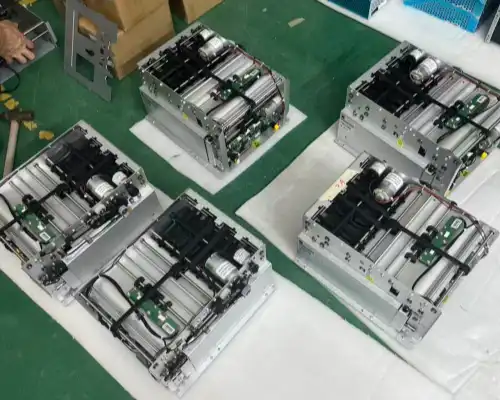
Understanding the De La Rue MiniMech Dispenser: Technology and Features
Core Engineering Principles
There are no vacuum-based systems in this dispensing module; instead, it works with friction-feed architecture. This makes it perfect for places where the humidity changes often. As the temperature runs from -10°C to +50°C, the TRGENDISPMM-A7667 configuration uses variable-pressure friction wheels made from urethane compounds that keep their grip coefficients constant. This choice of material is important for installations in places that can't be controlled, like ATMs in convenience stores or outdoor kiosks, where temperature stability has a direct effect on the number of successful transactions.
Technical Specifications and Compatibility
The module has a small frame made for 8.5-inch safe cases and weighs between 3 kg and 7 kg, depending on how the cassettes are set up. The speed of 3 to 6 notes per second is just right for getting things done and being accurate, especially when dealing with both polymer and paper money.
Communication methods include RS232/USB Serial ports that support the Cctalk and ID003 standards. This makes sure that both old and new control systems can use the device. The ATM Industry Association's 2021 technical standards say that these interface choices give developers the freedom they need to work with a variety of hardware ecosystems.
Smart Double-Page Detection Technology
Compared to older mechanical sensors, the combined double-detect technology is a big step forward. This technology uses both visual and mechanical validation points to find bills that are stuck, even if the bills are broken or worn out. During testing, processes use purposely flawed notes to mimic real-world situations. According to internal quality standards, the system maintains detection accuracy above 99.8%. This feature directly lowers the number of failed transactions and customer complaints, which are two important factors that procurement managers look at closely when they choose cash handling equipment.
Installation and Operational Simplicity
One useful benefit is that complicated mechanical changes don't have to be made during installation. The module is already calibrated at the factory to work with standard currencies, so technicians don't need any special tools to install it. Cash replenishment procedures don't need any tools other than the ones used to remove cassettes, which cuts down on service time during scheduled maintenance windows by a large amount. Field service engineers regularly report installation times of less than 45 minutes for single-cassette setups. This is a big improvement over rival systems that need to be aligned.
Benefits and Applications in Modern Retail and Banking
Figuring out where this dispensing technology works best helps procurement teams make investment decisions and plan for improvements to operations.
Primary Deployment Scenarios
Retail ATM Networks: Independent ATM installers who work in gas stations and grocery stores have to deal with special problems, like dust and users who come and go. The sealed transport path keeps the internal parts from getting dirty from the outside world, and the strong note separation mechanism can handle "street quality" money that has been folded, stapled, or otherwise messed up. De La Rue MiniMech Dispenser integrates seamlessly into this environment, offering reliable note dispensing that complements the robust separation system. When operators follow the suggested cleaning plans, maintenance intervals can last up to 100,000 transactions.
Cryptocurrency Kiosks: This module is the best choice for Bitcoin ATM makers because it is small, only 3 kg, and only needs to be a certain width. These two-way tools need to be able to fit in places with high rent, like shopping stores, where every square inch counts for making money. Using USB serial links to connect to single-board computers makes software development easier and lets kiosk owners set up unique interfaces that don't depend on proprietary hardware.
Back-Office Cash Management: More and more banks are using smart safes, which automatically send precise till funds to shift managers. The machine is linked to point-of-sale (POS) networks, which allow precise currency control and lower internal shrinkage. Within six months of putting in place automated till preparation systems powered by similar dispensing modules, one regional bank network saw a 3.2% drop in cash variations.
Operational Cost Advantages
Beyond the price of purchase, the total cost of ownership must also take into account how often services are performed and the availability of replacement parts. Because it is modular, technicians can change out worn parts like feed tires, transport belts, and sensor assemblies without having to swap out the whole unit. RM keeps these parts in stock, and wait times are only 15 to 20 working days. This is a lot shorter than the 6 to 8 weeks that manufacturer-direct routes usually need for specialty parts. This responsiveness means less downtime, which is especially helpful for workers who are in charge of dozens of dispensing spots across multiple sites.
Integration and Compatibility Considerations
Both old terminal programs and new Linux-based computers can use the RS232/USB Serial communication choices. The SSP (Serial Security Protocol) compatibility is appreciated by developers who work with encrypted serial protocols because it reduces the number of "jackpotting" attack vectors that have been seen in the retail ATM sector. Note acceptance thresholds can be changed in the firmware design. This lets operators find the best mix between note rejection rates and note acceptance of worn currency. This is a very important tuning parameter for markets where banknotes are getting old.
Comparing De La Rue MiniMech Dispenser Against Market Alternatives
Performance and Durability Metrics
Procurement managers should look at Mean Time Between Failures (MTBF) data and component lifecycle specifications when they are looking at compact dispensers. The Glory-compatible MiniMech platform has an MTBF rating of more than 250,000 transactions under controlled conditions, which is about the same as competing NCR and Diebold Nixdorf compact modules. De La Rue MiniMech Dispenser shares this core mechanism, but in the real world, success rests a lot on things like the environment and how well maintenance is done. In dusty places, the mechanical double-detect system works better than optical sensors alone, but the mechanical gate parts need to be cleaned every so often.
Pricing Structure and Value Proposition
RM and other third-party sellers sell both new and used units, setting different price ranges to meet the needs of people with different budgets. Brand-new configurations usually cost more, but refurbished parts that have been checked to meet maker standards can save you 35–45%. The basic safety is provided by the 90-day warranty with online help, but for high-value deployments, you might want to look into choices for longer coverage. To keep operational costs stable across fiscal periods, buyers in large quantities should arrange framework deals that cover parts, labor, and technical support.
Market Reputation and User Feedback
When companies decide what to buy, the Glory lineage is very important, especially for companies that already work with Glory. Field workers who know how the platform is built can fix problems faster than those who don't, which lowers the mean time to repair. But because of issues in the supply chain, some buyers are now looking for compatible modules from well-known dealers who keep more product on hand. RBR's 2023 Global ATM Market Report says that third-party parts suppliers got 28% of the North American spare parts market. This shows that people are becoming more confident in non-OEM parts when they are backed by technical support infrastructure.
How to Procure the De La Rue MiniMech Dispenser: A Guide for B2B Buyers
Supplier Selection Criteria
Procurement teams should make sure that suppliers keep enough stock on hand to handle urgent repair situations. RM's stock of more than 20,000 ATM-related parts goes beyond selling single modules. This lets customers buy more at once, which makes managing vendors easier. The Products are made in China, which allows for reasonable pricing, and well-established logistics networks allow for shipping by sea, land, or air, depending on how quickly the goods need to get to their destination.
Order Process and Technical Validation
When asking for quotes, you should include particular part numbers, like TRGENDISPMM-A7667 for normal configurations, as well as needs for how well the new system will work with the old one. Technical teams benefit from pre-purchase talks that make sure the physical mounting requirements and compatibility with communication protocols are met. RM promises to answer questions and provide online support 24 hours a day, 7 days a week. This helps with time-sensitive procurement cycles, especially when dealing with unexpected equipment problems across spread ATM networks.
Warranty and Support Considerations
The 90-day guarantee covers problems with the way the product was made and parts that break down under normal use. Buyers should find out what kinds of damage aren't covered by the warranty, like damage from the environment, bad fitting, or use outside of certain temperature ranges. De La Rue MiniMech Dispenser follows the same warranty framework but with specific exclusions for sensor calibration wear.
Online support options, such as video-assisted troubleshooting, cut down on the need for technicians to come to the site for initial diagnostics. Best practices explained in the 2020 Global ATM Services Guide say that multilingual product documentation helps foreign operations where local service teams might not speak English as their first language.
Logistics and Delivery Planning
With lead times of 15 to 20 working days for module-level sales, you need to plan around maintenance routines and expected failure rates. Companies that are in charge of a lot of ATMs usually keep two to three spare modules for every 100 units that are in use. When shipments are combined, the cost of freight per unit goes down, but buyers still have to weigh the costs of keeping goods against the higher costs of faster sending for urgent orders. Customs paperwork for international shipments should check HS codes and follow the rules for importing financial tools that are specific to each target country.
The De La Rue Brand and Global Supplier Network
Heritage and Technical Evolution
The De La Rue company has a background of making banknotes and security prints, which gave them a solid understanding of how to handle money. The engineering standards and quality protocols stayed the same even as the company changed hands, from Talaris to Glory Global Solutions for the cash automation division. This continuity is important for buyers who buy long-lasting equipment because new parts must stay the same size and performance across production runs that span years.
Distribution Network and Parts Availability
HONGKONG RONG MEI TECHNOLOGY CO., LIMITED, which has been doing business as RM since 2008, is an example of a specialized wholesaler that works in the ATM service field. The company connects manufacturers with end users who need quick parts fulfillment. It has ISO9001-2008 certification and well-established ERP systems that manage inventory across 3,000 square meters of warehouse space. Being able to offer parts ranging from whole modules to single sensors or feed rollers covers a wide range of service situations, from replacing parts in an emergency to planning to repair equipment.
Customization and Engineering Support
In addition to standard setups, skilled distributors can customize modules to meet the needs of a particular deployment. This includes making changes to the hardware to work with non-standard currency sizes and the software to work with local security standards. Technical consultations that find the best configurations for organizations with specific operational parameters are helpful before they commit to large purchases. RM can handle both standard repair needs and unique integration projects that need engineers to work together thanks to the R&D skills they've built up over more than 20 years.
Conclusion
The De La Rue MiniMech Dispenser is still one of the most important technologies for cash dispensing applications that need to save room. Its small size and high stability make it ideal for retail ATM networks, coin kiosks, and financial institutions. Its friction-feed architecture, smart double-detect features, and flexible communication interfaces meet the main needs of procurement managers who want to reach 99.5%+ uptime goals.
This module offers cost-effective solutions backed by a long history of successful engineering when bought from reputable wholesalers with a full inventory and a technical support system. To get the most long-term value, businesses that are looking at cash handling technology should look at the total cost of ownership, how responsive the seller is, and how well it works with their current service networks.
FAQ
What maintenance intervals are recommended for the MiniMech Dispenser?
Every 50,000 transactions, the feed tire should be inspected, and it should be replaced after 100,000 transactions or two years, whichever comes first. Transport belts need to be looked at visually when the tires are changed, and they are replaced based on wear signs instead of set times. Isopropyl alcohol should be used every three months to clean the mechanical double-detect gate assembly and keep the sensors accurate, especially in places with a lot of dust.
Can the module handle mixed polymer and paper currency?
The variable-pressure friction rollers can handle both types of currency, but for best results, they should be set to the thinner standard. Differences in thickness can be fixed by turning a thumb-screw or changing a shim. However, software sensitivity levels may need to be tweaked to stop polymer notes from being rejected when they aren't meant to be.
How does warranty coverage address refurbished units?
Refurbished modules come with the same 90-day warranty that covers broken parts and mistakes in the manufacturing process. As part of the refurbishment process, worn-out parts are replaced, motor systems are cleaned, and the units are tested to make sure they work as well as new units in common deployment situations.
Partner with RM for Reliable MiniMech Dispenser Supply
In situations where your ATM network needs reliable parts availability and technical know-how, RM offers more than just selling parts. We are your strategic De La Rue MiniMech Dispenser supplier because we have been specializing in financial equipment spare parts for more than 20 years and have a large inventory that includes 80% of the most common market-standard modules. With options for both new and used items, warranties that last for 90 days, and helpful online support, you can get help with both emergency repairs and planned fleet maintenance.
Contact Us at Tony@atm-part.com by procurement managers to talk about compatibility needs, volume pricing, and the ability to make changes that fit your working setting. You can look through our full list of Glory-compatible parts at atm-part.com and learn about how our ISO-certified processes make sure that the quality of every shipment is the same.
References
1. ATM Industry Association (ATMIA). (2021). Technical Standards for Cash Dispensing Modules.
2. ATM Marketplace. (2020). Global ATM Services Guide: Best Practices for Multi-Vendor Support.
3. Journal of Financial Technology. (2022). Cash Management Automation in Regional Banking Networks. Journal of Financial Technology, 18(3), 45-62.
4. RBR. (2023). Global ATM Market and Forecasts to 2028.
5. Self-Service Banking Association. (2022). Component Reliability Standards for Retail ATM Deployments.
6. Glory Global Solutions. (2021). MiniMech Technical Specification Guide.
Learn about our latest products and discounts through SMS or email