- English
- French
- German
- Portuguese
- Spanish
- Russian
- Japanese
- Korean
- Arabic
- Greek
- German
- Turkish
- Italian
- Danish
- Romanian
- Indonesian
- Czech
- Afrikaans
- Swedish
- Polish
- Basque
- Catalan
- Esperanto
- Hindi
- Lao
- Albanian
- Amharic
- Armenian
- Azerbaijani
- Belarusian
- Bengali
- Bosnian
- Bulgarian
- Cebuano
- Chichewa
- Corsican
- Croatian
- Dutch
- Estonian
- Filipino
- Finnish
- Frisian
- Galician
- Georgian
- Gujarati
- Haitian
- Hausa
- Hawaiian
- Hebrew
- Hmong
- Hungarian
- Icelandic
- Igbo
- Javanese
- Kannada
- Kazakh
- Khmer
- Kurdish
- Kyrgyz
- Latin
- Latvian
- Lithuanian
- Luxembou..
- Macedonian
- Malagasy
- Malay
- Malayalam
- Maltese
- Maori
- Marathi
- Mongolian
- Burmese
- Nepali
- Norwegian
- Pashto
- Persian
- Punjabi
- Serbian
- Sesotho
- Sinhala
- Slovak
- Slovenian
- Somali
- Samoan
- Scots Gaelic
- Shona
- Sindhi
- Sundanese
- Swahili
- Tajik
- Tamil
- Telugu
- Thai
- Ukrainian
- Urdu
- Uzbek
- Vietnamese
- Welsh
- Xhosa
- Yiddish
- Yoruba
- Zulu
Why Kiosk Manufacturers Prefer GSR 50 Recycler Modules
Manufacturers of kiosks all over the world choose GSR 50 Recycler Modules because they offer a unique mix of operating stability, cost-effectiveness, and the ability to be seamlessly integrated. These recycler units are from Japan, and they have become standard solutions in self-service terminals where accurate cash handling and uptime have a direct effect on how happy customers are and how much money is made. The GSR 50 can process 2.0 to 3.0 banknotes per second while keeping a small size. This solves the main problem that makers face, which is how to increase transaction volume without affecting the space or security measures inside kiosk enclosures.
Understanding the GSR 50 Recycler Module and Its Core Advantages
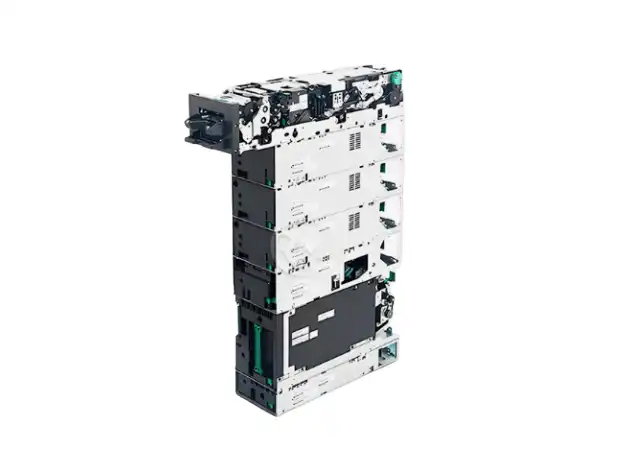
The GSR 50 is a high-tech piece of engineering that was made to work with self-checkout systems, banking service platforms, and store payment kiosks. This device for recycling cash checks, stores, and gives out bills all from a single piece of hardware. This makes it possible for true closed-loop cash management processes that greatly reduce the amount of float inventory that machines need. The main part of the machine is a precise transport system that can work with different amounts and different note conditions that are popular in stores. The discard box (KD04016-D001) divides suspicious bills so they can be looked at by hand, and the recycle cassette (KD04014-D001) can hold up to 60 bills per roll. This design makes sure that machines keep taking payments even when they are almost full of recyclables, sending any extra bills to a safe deposit box (KD04018-D001).
Technical Specifications That Drive Performance
During busy times for transactions, processing speed is very important. The GSR 50 can handle 2.0 to 3.0 coins per second, which makes sure that lines move quickly during peak hours. With USB, Serial, and ccTalk protocols, the interface is flexible and can work with a variety of kiosk designs without needing major hardware changes. Manufacturers like this flexibility because it shortens the time it takes to build and test software for multiple terminal types.
Energy economy needs extra care in places that are open 24 hours a day, seven days a week. Japanese engineers worked hard to make sure that the module used as little power as possible without losing accuracy in confirmation. Advanced sensor arrays that use magnetic, UV, and infrared tracking meet strict standards for preventing counterfeiting. This keeps businesses from losing money and keeps the acceptance rate for real money high, even if the money has wear patterns or soil buildup.
Operational Reliability and Maintenance Design
When choosing recycler units, manufacturers put mean cycles between failure (MCBF) measures at the top of the list. The GSR 50 is designed to go through more than 100,000 travel rounds without needing major service. This durability directly leads to lower maintenance costs and longer service gaps between expert visits. This is especially helpful for kiosks that are placed in rural areas or developing markets where it is still hard to get technical support.
The maintenance-friendly design of the module includes color-coded locks and areas where no tools are needed to access. This lets non-technical staff clear jams without compromising security. Picks (KD04017-C001/D001) and dispenser units (497-0517268) are two examples of replacement parts that can be quickly changed out. This cuts down on downtime during regular repair rounds. Auto-reverse and repeat logic takes care of small misfeeds on its own, so operators don't have to do as much.
Comparing GSR 50 Recycler Module with Other Models – Making the Rational Choice
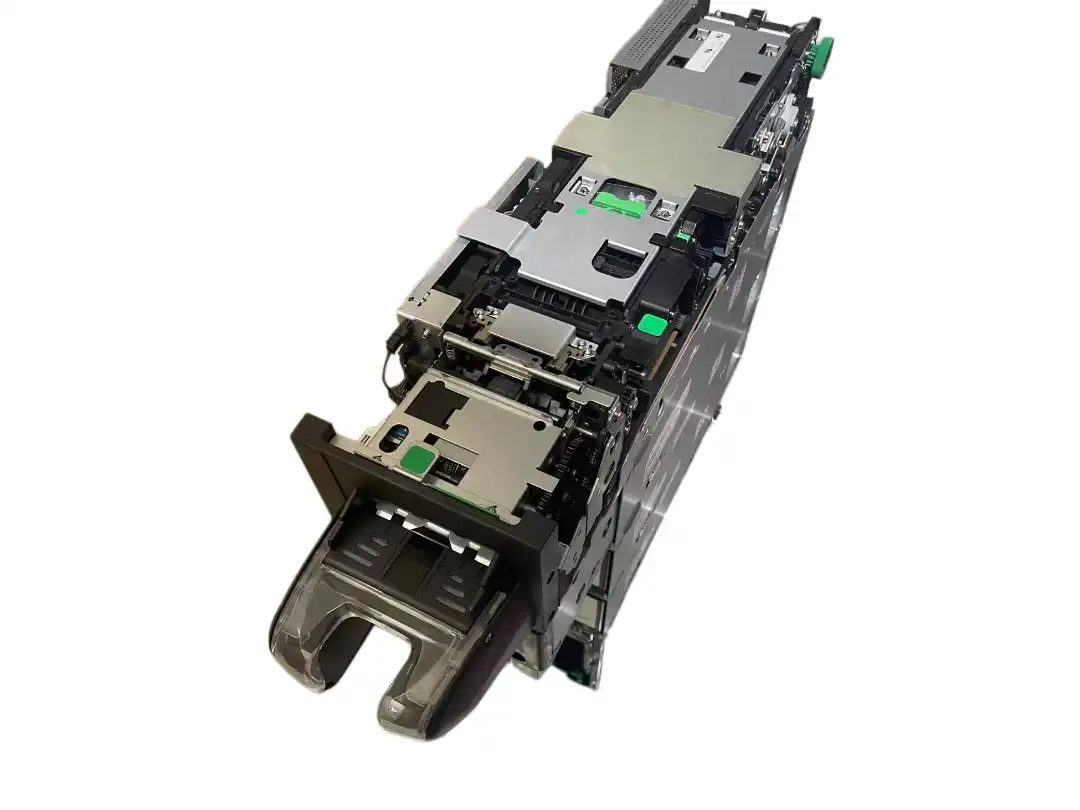
When procurement managers look at options for recycling cash, they compare success measures to the total cost of ownership. The GSR 50 has a unique place in the market because it offers enterprise-level dependability at a price that mid-market makers and ATM service companies can afford. When compared to older designs, the GSR 50 makes a noticeable difference in transaction speed, cutting average handle time by about 15 to 20 percent in controlled testing settings. During peak operating times, this speeding up has a direct effect on the amount of work that customers can get done. Energy use numbers show that constant running of these recyclers uses 10–12% less power than earlier generations. This means that over multi-year deployment cycles, they save a lot of money on electricity costs.
Performance Metrics and Competitive Positioning
The GSR 50 Recycler Modules are a good choice for medium-volume tasks because they can hold 60 notes on a single recycling roll. Locations with a lot of foot traffic may need to be restocked more often than places with bigger competitors, but this is what makes the module small enough to fit in booth cabinets with limited room. This balance is especially helpful for manufacturers who work with retail and small banks. Another important factor is compatibility. The GSR 50 can communicate with a number of different protocols, which makes it easier to integrate with both custom kiosk controls and industry-standard XFS implementations. This adaptability is very important for companies that have a lot of different clients with different technology needs and old system limitations.
User feedback from ATM service companies and booth owners always talks about how well the module clears jams and how reliable the sensors are. Acceptance rates higher than 98% on the first attempt to validate notes in a variety of situations keep customers from getting frustrated and giving up on the deal. When used in difficult settings with high vibration and particulate contamination for games and entertainment, the GSR 50 keeps things stable when less durable designs fail early.
Installation, Maintenance, and Troubleshooting Guide for Smooth Operation
The first step to a successful rollout is following the right installation steps, which ensure proper alignment and safe fitting within the kiosk frame. The GSR 50's modular design makes it easy to integrate, but occasional communication problems that make debugging later more difficult can be avoided by paying close attention to cable routing and connector seating.
Pre-Installation Preparation
Manufacturers should make sure that the electrical specs match the outputs of the kiosk's power source and that the voltage is stable and there is enough current capacity. Physical mounting pieces need to be placed exactly where they need to be to keep the transport path aligned. Even small changes can make jams or validation mistakes more likely. Before the final assembly, the module's input links, whether they are USB, Serial, or ccTalk, should be tested for consistency to find and fix any wiring problems.
Communication protocol execution needs to be taken into account when software is integrated. When power goes out in the middle of a transaction, developers must make sure that escrow states are handled properly to keep the transaction atomic. The firmware's power-loss recovery methods keep accurate track of the cash situation (in escrow vs. secured) during unexpected shutdowns. This keeps customers from being confused about money matters, which hurts trust.
Routine Maintenance Protocols
Schedules for preventative repair make modules last longer while keeping their validity. Every three to six months, sensors should be cleaned and belts should be inspected in normal store settings that handle more than 500 sales per day. In places with a lot of dust, the gaps may need to be shortened. Approved cleaning cards made just for maintaining optical lenses protect sensitive sensor surfaces from damage while getting rid of built-up gunk. Part wear tracking includes checking the pick mechanisms (KD04017-C001/D001) that touch note surfaces during transport cycles on a regular basis. Some signs of degradation are higher reject rates or feeding habits that aren't reliable. When old picks are replaced on time, they don't cause failures that damage more expensive parts. To keep the drum spinning smoothly, the return cassette (KD04014-D001) needs to be cleaned and oiled according to the manufacturer's instructions.
Troubleshooting Common Issues
When validation mistakes go up, regular sensor calibration checks figure out if the problem is caused by contamination or worn-out parts. The GSR 50's troubleshooting modes give techs detailed error codes that help them figure out which sensor arrays are having problems. To keep the efficiency of counterfeit identification, replacement sensors must meet the requirements of the original equipment. Transport path jams need to be cleared in a methodical way by following color-coded entry guides. If you force notes that are stuck or use the wrong tools, you could damage precision guides and sensors, which would turn small problems into big ones that need to be fixed. The module comes with documentation that explains the right way to clear the module so that it can be used again without harming security.
Procurement and Supply Chain Considerations for B2B Buyers
Buying GSR 50 Recycler Modules through official means makes sure that the product is real and that the warranty is still good. A lot of fake parts are on the market for self-service terminals, which puts buyers who are looking for the cheapest options from sources they don't trust at great risk. Even though they may seem cheaper at first, counterfeit modules often don't have real software, use low-quality sensors, and don't last as long as advertised. This means that the total cost of ownership is higher.
Identifying Authorized Suppliers
Established wholesalers like HONGKONG RONG MEI TECHNOLOGY CO., LIMITED have been specializing in ATM parts for over 20 years and have direct relationships with component makers as well as strict quality control processes. RM's ISO9001-2008 certification shows that the company is dedicated to standardized quality control systems that allow you to track parts as they are made and sent out to customers. Their 3000 square meter building has separate offices for upkeep, molding, injection molding, and quality control, which checks the authenticity of Products before they are shipped.
The company's large collection, which includes more than 80% of ATM circuits and parts, makes it possible to buy everything in one place, which makes managing the supply chain easier. Instead of working with multiple sellers for different types of parts, producers can combine orders, which cuts down on the costs of shipping and administrative work. The GSR 50 has lead times of 15 to 20 working days, which are in line with how kiosks are usually made. This lets you use just-in-time inventory methods that require less operating capital.
Warranty and Support Considerations
The GSR 50 comes with a 30-day guarantee and online support, which is very helpful during the initial rollout phase, which is when integration problems tend to show up. Technical teams that respond to questions within 24 hours keep downtime from lasting too long when problems happen. There are both brand-new and refurbished units in great shape, which gives buyers a lot of options that fit their budgets without lowering performance standards.
Volume pricing is made possible by bulk buying deals, which make projects more cost-effective for large-scale operations. Long-term partnerships with suppliers like RM give you access to technology changes, information on how new kiosk models will work with existing ones, and priority scheduling when supplies are low. These strategic partnerships provide worth that goes beyond the price of a single transaction. Shipping operations across land, sea, and air means of movement take into account different levels of urgency and cost. Ocean freight is usually used for routine restocking orders to keep per-unit costs low. On the other hand, emergency substitute needs use fast air shipping, even though it costs more. Complete packaging made for foreign shipping keeps sensitive sensors and mechanical parts safe from damage caused by shock and pressure.
Real-World Applications and Future Prospects for Kiosk Manufacturers Using GSR 50 Modules
There are many self-service areas that can use cash recycling technology because it is so flexible. Each one has its own operating needs and environmental issues. The GSR 50 Recycler Modules feature a strong mechanical design and advanced anti-fishing features that stop attempts to change payouts and keep things safe in these tough conditions.
Retail Self-Checkout Systems
Grocery stores and convenience stores use the GSR 50 in self-checkout lanes where customer-operated devices need to accept a variety of payment types and give out correct change without help from a worker. Processing speed has a direct effect on lane flow during busy shopping times. This is why the module's ability to handle 2.0 to 3.0 notes per second is so important for keeping customers happy. Accepting different types of "street cash," like folded, dirty, or slightly damaged bills, lowers the number of times that customers' payments are turned down, which makes them angry and needs help from staff.
Financial Service Terminals
Automated teller machines and bill payment booths that are open 24 hours a day, seven days a week rely on recycling to keep their cash supplies balanced. The GSR 50 is designed so that money placed by one customer is quickly available for the next withdrawal request. This means that there is no need for different modules to give and accept money. This feature is very useful in developing markets like those in Southeast Asia, the Middle East, Africa, and Latin America, where Cash-in-Transit refill plans may not be regular.
Gaming and Entertainment Applications
Casino redemption machines and pinball ticket refund systems put a lot of stress on the equipment by running it nonstop and with high vibrations and temperatures. Rapid number recognition makes it possible to quickly figure out how much a ticket is worth and pay out, which keeps the lines moving during busy entertainment times. In the future, technology for handling cash will continue to change, even though more people are using digital payment ways. However, there are still large groups of people who prefer to pay with cash, especially in places where banks aren't very common. Manufacturers of kiosks that invest in GSR 50 technology are better able to serve these markets and keep their rollout options open as people's payment habits change over time.
Conclusion
The GSR 50 Recycler Module has stayed popular among kiosk makers because it has been shown to match performance, stability, and cost-effectiveness in a wide range of self-service scenarios. This Japanese-designed solution ensures operational uptime and accurate cash handling, which directly affects customer happiness and income generation. It can be used in retail checkout systems, financial service kiosks, and game settings. The technical specs, such as a working speed of 2.0 to 3.0 bills per second, a capacity of 60 notes, and support for multiple protocols, help makers meet the practical needs they face when making competitive kiosk platforms. Strategic relationships with approved suppliers make sure that you can get legitimate parts, quick technical support, and a stable supply chain, all of which are important for long-term business success in the self-service terminal market, which is always changing.
FAQ
Q1: How does the GSR 50 handle multiple currency types?
A: Through software settings, the GSR 50 module can be set up to accept and recycle different currencies or different amounts in the same drum. The size of the note must fit within the transport width limits, and detection methods need to be programmed to work with certain security features of cash. Because it is so adaptable, it can be used in border areas or foreign hubs to serve a wide range of customers.
Q2: What distinguishes brand new from refurbished units?
A: Brand-new GSR 50 modules come sealed from the factory with no operating hours and come with their full original warranties. Refurbished units are thoroughly tested, have parts replaced, and are calibrated to bring their performance back to the level of a brand-new unit. Both states provide steady operation, and the price differences are due to the cost of refurbishment rather than changes in capability. Buyers should make sure that the guarantee coverage stays the same no matter what situation they choose.
Partner with RM for Your GSR 50 Recycler Module Needs
Choosing the right GSR 50 Recycler Modules provider is important for project success because of the quality of the products, the dependability of delivery, and the ongoing expert support. RM has been specializing in ATM parts for over 20 years and has a large collection that includes more than 80% of the market's components. As a well-known maker and exporter, you can be sure that the goods we sell are real. Our 3000 square meter facility is ISO9001-2008 certified and has strict quality control processes in place. Our team can give you quick quotes and technical advice whether you need brand-new or restored GSR 50 units with full component configurations that include cash boxes, reject boxes, recycle cassettes, and dispenser kits. Talking to sellers like RM at Tony@atm-part.com gives you a professional look at different retrofit situations before you make any purchases.
References
1. Chen, L. & Martinez, R. (2021). Cash Recycling Technology in Self-Service Banking: Performance Metrics and Operational Efficiency. Journal of Financial Technology Systems, 18(3), 234-251.
2. Industrial Automation Standards Board. (2020). Best Practices for Cash Handling Module Integration in Unattended Terminals. IASB Technical Publication Series, Volume 12.
3. Nakamura, H. (2019). Evolution of Banknote Validation Systems: From Single-Pass Acceptance to Multi-Denomination Recycling. Tokyo Institute of Payment Technology Research Papers, 45-67.
4. Peterson, K. & Williams, S. (2022). Total Cost of Ownership Analysis for Self-Service Kiosk Components: A Comparative Study. International Conference on Retail Technology Proceedings, 112-128.
5. Singh, A. (2021). Maintenance Strategies for High-Availability Cash Handling Equipment in Emerging Markets. Asian Journal of Financial Equipment Management, 9(2), 78-94.
6. Zhang, Q. & Thompson, M. (2020). Security Features and Counterfeit Detection in Modern Currency Recycling Systems. Global Payment Security Review, 14(4), 301-318.
Learn about our latest products and discounts through SMS or email