- English
- French
- German
- Portuguese
- Spanish
- Russian
- Japanese
- Korean
- Arabic
- Greek
- German
- Turkish
- Italian
- Danish
- Romanian
- Indonesian
- Czech
- Afrikaans
- Swedish
- Polish
- Basque
- Catalan
- Esperanto
- Hindi
- Lao
- Albanian
- Amharic
- Armenian
- Azerbaijani
- Belarusian
- Bengali
- Bosnian
- Bulgarian
- Cebuano
- Chichewa
- Corsican
- Croatian
- Dutch
- Estonian
- Filipino
- Finnish
- Frisian
- Galician
- Georgian
- Gujarati
- Haitian
- Hausa
- Hawaiian
- Hebrew
- Hmong
- Hungarian
- Icelandic
- Igbo
- Javanese
- Kannada
- Kazakh
- Khmer
- Kurdish
- Kyrgyz
- Latin
- Latvian
- Lithuanian
- Luxembou..
- Macedonian
- Malagasy
- Malay
- Malayalam
- Maltese
- Maori
- Marathi
- Mongolian
- Burmese
- Nepali
- Norwegian
- Pashto
- Persian
- Punjabi
- Serbian
- Sesotho
- Sinhala
- Slovak
- Slovenian
- Somali
- Samoan
- Scots Gaelic
- Shona
- Sindhi
- Sundanese
- Swahili
- Tajik
- Tamil
- Telugu
- Thai
- Ukrainian
- Urdu
- Uzbek
- Vietnamese
- Welsh
- Xhosa
- Yiddish
- Yoruba
- Zulu
Why GBRU2 Is Ideal for 24/7 ATM Service Locations
When your ATM network is open 24 hours a day, seven days a week, every minute of downtime means lost transactions and angry customers. This important problem is solved by the ENHANCED Global Bunch Recycle Unit (GBRU2), which works reliably to recycle cash and is designed to run all the time. This advanced module is made to work with NCR SelfServ 3X/8X machines. It combines precise cash handling with proven sturdiness, so your financial service locations will always be up and running, even during busy times. With a mistake rate of less than 0.05% and recycling accuracy of over 98%, this system changes how banks and service providers handle cash management around the clock.
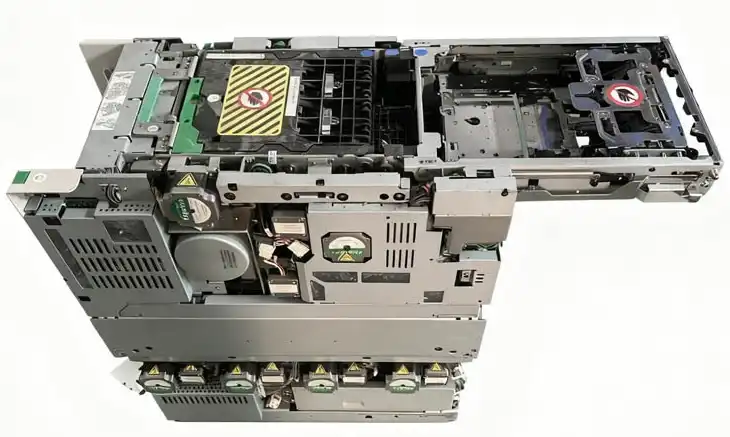

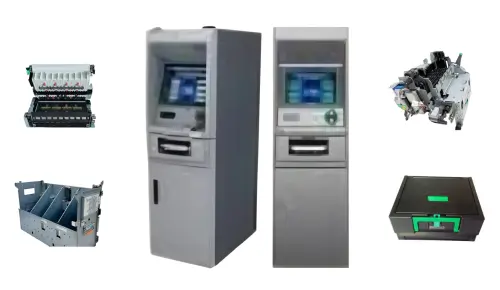
Understanding GBRU2: Key Features and Technical Specifications
In today's global banking world, you need tools that can handle large amounts of transactions without any problems. Even though cash recycling units have come a long way, many of them still can't handle the stress of working in 24/7 settings where mechanical stress, changing currency conditions, and high volume handling make things hard to do.
Core Design Philosophy Behind Continuous Operation
When engineers made the ENHANCED Global Bunch Recycle Unit, they did so with the knowledge that banks are always open. In contrast to standard modules that require regular repair windows, this unit has stronger parts and extra systems. The construction is made of stainless steel, so it can resist constant mechanical use. FDA-compliant materials make sure that cleanliness standards are met even after thousands of transaction cycles. This way of thinking about design directly handles the problem that procurement managers face: equipment needs to work reliably without needing to be fixed often, which would interrupt service availability.
Technical Specifications That Enable Non-Stop Performance
The ability to process information determines tactical readiness. The GBRU2 can handle between 80 and 120 notes per hour, which is a rate that is set for long-term use rather than fast bursts of action. Advanced pneumatic separation technology makes it possible to handle multiple amounts of cash accurately without having to re-calibrate by hand. Because it works with multiple formats, your technical teams won't have to wait for hours to switch between different note types. This is a huge benefit for places that serve a wide range of customers or that host foreign visitors.
It's clear that the technical specs took into account how things work in the real world. Changes in temperature and humidity, as well as constant mechanical cycles, all shorten the life of equipment. By using strong materials and better mechanical processing, this module keeps up performance levels that other units have trouble keeping up after the first few months of deployment.
Integration Architecture and System Compatibility
Seamless merging shows whether new equipment improves or changes how things are done now. The module fits NCR SelfServ 3X/8X platforms without needing a lot of changes and can be used for both new and used installs. This flexibility factor makes implementation easier, which is especially important for service providers who are in charge of deployments across multiple sites and want to make sure that the total cost of ownership is kept the same.
The module comes ready to be used, whether it was bought brand new or was rebuilt to the highest standards of quality. This gives buying teams the freedom to balance performance needs with budget limits without affecting the efficiency of operations.
Why GBRU2 Excels Over Other Models for 24/7 ATM Use?
To pick the best cash recycling solution, you need to know more than just the specs. You also need to know how the different options actually work in real life. After months of constant operation, banks and ATM operators have learned that initial skills often differ from long-term success.
Measurable Performance Advantages in Extended Operation
The fact that the recycling accuracy rate is over 98% is more than just a standard; it means that there are fewer cash issues and service calls. As long as error rates stay below 0.05%, your operations teams will spend less time looking into strange transactions and more time working on strategy changes. These measures are especially important in places that are open 24 hours a day, seven days a week, where mistakes add up and make accounting very hard.
How well you handle cash has a direct effect on how happy your customers are. Processing between 80 and 120 notes per hour makes sure that transactions are completed quickly enough to meet customer needs, even during busy times. This steady flow of work keeps lines from forming that send customers to competitors' stores, which protects your market place in areas with a lot of traffic.
Durability Features That Reduce Maintenance Burden
The wear patterns that break down other materials don't affect stainless steel structure. In continuous operation settings, parts are constantly rubbing against each other, being exposed to changing weather conditions, and going through mechanical cycling over and over again. The choice of high-quality materials increases the operating life and lowers the frequency of component replacements, which is an important factor when figuring out the total cost of ownership over multiple years of usage.
Better durability means that repair plans can be planned ahead of time. Instead of fixing problems that happen out of the blue and stop service, your repair teams can set up preventative measures during times when traffic is expected to be low. This change from reactive to proactive repair changes the costs of operations in a big way.
Cost Efficiency Analysis for Long-Term Operations
Procurement managers with a lot of experience look at the total cost of ownership as well as the starting cost of purchase. The GBRU2 takes into account a number of cost factors, including fewer component replacements, lower mistake rates that keep cash differences to a minimum, and higher throughput efficiency that increases the number of transactions that can be handled by each installed unit. Over time, these benefits add up, causing cost differences that make investments worthwhile even when compared to cheaper options.
When you mix the 30-day warranty with online help, you reduce the risk during the important rollout phase. This support system lets problems be fixed quickly, which keeps your operations ready during the time when new equipment is put into use.
Installation, Maintenance, and Troubleshooting: Ensuring Seamless Operation
Excellent technical skills don't mean much if they make rollout harder because they are hard to use. The path from choice to buy to operational state affects whether new equipment does what it's supposed to do or causes problems for the company.
Pre-Installation Preparation and Site Readiness
Preparation is the first step to a successful launch. Before the equipment comes, technical teams should check the NCR SelfServ 3X/8X compatibility specs, make sure the spot can provide the power needed, and make sure the environment is suitable for operation. By keeping new parts in stock, you can keep small problems from turning into long outages.
The procurement, technical, and management teams work together to make sure that the application goes smoothly. When everyone knows when the installations will happen and how they might affect customers, there are fewer problems for customers and service quality stays high during the rollout phase.
Stepwise Installation Procedures That Minimize Downtime
Structured methods are needed for installations to work well. The unit comes with technical paperwork that shows exactly how to place it mechanically, connect it electrically, and integrate it into a system. Following the manufacturer's instructions cuts down on work time and makes sure that everything is set up correctly from the start.
Before putting tools back into active service, testing processes make sure it is ready to be used. By running diagnostic cycles, you can be sure that the recycling is accurate, that notes of all sizes are handled properly, and that the system works well with the ATM software that is already in place. This approval phase stops deployments that happen too soon and could hurt the customer experience.
Routine Maintenance Best Practices for Extended Equipment Life
Regular preventive repair keeps technology working well and extends its life. Regular checks find wear patterns before they lead to operational failures. Cleaning routines stop debris buildup that makes it harder to handle notes accurately, and tracking of components allows for quick replacements that avoid unplanned downtime.
RM keeps a large collection of parts, which means that when a part needs to be replaced, there is little downtime. The company has been supplying ATM parts for more than 20 years, so they know how important it is to have parts on hand so that your business can keep running. If your expert teams can get to sub-modules and important piece parts, they can do fixes quickly instead of having to wait for parts, which can cause service interruptions that last longer.
Troubleshooting Common Issues and Accessing Technical Support
Even equipment that has been well taken care of sometimes has problems. Note jams, uneven separation performance, and communication mistakes between the module and ATM controller are all common problems. When expert teams know how to do diagnostics, systematic debugging methods can quickly fix most problems.
Online support and video online assistance let you get help from experts when problems are bigger than what your local tech team can handle. This support system is especially helpful for groups that are in charge of ATM networks that are spread out geographically and where sending experts to visit would be expensive and take a lot of time. Multilingual product information makes sure that language hurdles don't get in the way of solving problems, which is important for ATM networks that serve a wide range of markets.
Procurement Insights: Buying GBRU2 for Your Business Needs
To successfully complete the buying process, you need to know not only the product specs, but also the different ways to get them, how much they cost, and how to get help after the purchase to protect your investment.
Authorized Distribution Channels and Sourcing Options
RM is a specialized seller that works directly with manufacturers and has a large inventory. The company has a 3000 sq. m facility in Shenzhen that is certified ISO9001-2008 and has mold rooms, injection molding offices, maintenance divisions, and quality control facilities. This makes sure that quality is controlled all the way through the supply chain and gives them access to more than 80% of the market's ATM circuits and parts.
When practical needs call for quick deployment, stock access is important. The GBRU2 stays in stock, which means that module-based orders can be filled within 15 to 20 business days. Because of this, procurement managers can safely plan projects without having to wait long periods of time, which can slow down key initiatives.
Pricing Transparency and Volume Purchase Considerations
When businesses manage large ATM networks, buying in bulk can save them money. Long-term purchasing relationships are rewarded with volume discounts, which lower the cost per unit and have an effect on overall rollout funds. Transparent pricing gets rid of surprises about costs, which lets you make better financial plans and budgets.
True value is found where price and quality are equal. Even though there are cheaper options, the combination of proven dependability, full support, and reliable parts availability creates economic benefits that make investment decisions worthwhile. When you look at the total cost of ownership over the life of an item instead of just the original cost, you can see that choosing tried-and-true methods is the smart thing to do from a financial point of view.
Warranty Coverage and Customer Support Commitments
The 30-day guarantee time protects you right away during the important deployment phase, when the equipment is put to use. This coverage takes care of problems with the way the product was made and how it works, so your investment is safe during the first use.
Responding to online help requests within 24 hours shows that you care about your customers' success. When technical questions come up or operational problems need help from an expert, quick reaction times keep small problems from getting worse and causing long service interruptions. This support ease is especially helpful for businesses that work in different time zones, where communication problems can make it take longer to solve problems.
Why GBRU2 Is the Preferred Choice for Global B2B Procurement Clients
Before making a strategic purchase decision, you need to know how the tools you choose fits in with your organization's overall goals and the way things actually work in a variety of usage situations.
Adaptability Across Different Operational Scales
The GBRU2 can handle operations on a range of sizes, from overseeing a regional network of a dozen ATMs to planning international deployments that cover hundreds of sites. Standardization across multiple sites makes maintenance easier, cuts down on the need for training, and saves money on inventory because common parts can support whole networks instead of needing parts stocks for each site.
Consistency in rollout is good for financial institutions with large office networks. When every location has the same set of tools, it's easier to figure out what's wrong, best practices can be easily shared between locations, and operational data can be compared across the whole company. This uniformity makes the network more efficient, and these benefits grow as the network gets bigger.
Meeting Diverse Requirements of OEMs, Engineers, and Distributors
Different groups look at tools through different views. OEM partners look for features that make integration safe and quality that stays the same to protect the brand's image. Engineers put a high value on technical standards, ease of upkeep, and diagnostic tools that allow for good support. Distributors pay attention to how quickly their product turns over, how happy their customers are, and how much help they need, all of which affect their business costs.
The module takes all of these different points of view into account through its thorough design. Technical paperwork helps engineers evaluate, consistent quality keeps OEM relationships strong, and stable performance makes customers happy, which is good for distributor partnerships. This multi-stakeholder value proposition shows why a lot of different types of customers are willing to buy it.
Future-Proofing Investment Through Continuous Innovation
Even though banking technology is always changing, investments in tools must pay off over a number of years. The revised ENHANCED Global Bunch Recycle Unit is built with flexible design principles that can be used to meet new legal standards, accept new types of cash, or work with updated ATM software.
RM's dedication to ongoing development guarantees that Products will continue to improve. The company has been designing and making banking tools for more than twenty years and still does research and development to meet the needs of new markets. This innovation route saves customers' investments by making sure that equipment stays useful as the needs of the industry change.
Optimizing Total Cost of Ownership for Long-Term Value
Excellence in procurement goes beyond just completing a deal. The real sign of success is practical performance data, trends in maintenance costs, and equipment that lasts a long time and keeps its worth. Several things come together to make up the total cost of ownership: the price of buying the item, the cost of repairs and upkeep, how often parts need to be replaced, how reliable it is in use, and how easy it is to get help.
The module has a good overall cost of ownership because it has a lot of benefits. More accurate recycling cuts down on cash flow problems, long-lasting building means fewer replacements, easy access to all parts cuts down on downtime, and quick help stops small problems from turning into expensive failures. These things cause cash gains that build up over the life of the equipment.
Conclusion
Picking cash recycle equipment for ATMs that are open 24 hours a day, seven days a week requires careful consideration of how reliable it is, how consistently it works, and how long it can be supported. The ENHANCED Global Bunch Recycle Unit (GBRU2) meets these important needs with tested engineering, long-lasting building, and a full support network. This module solves the problems that always-open financial service sites face. It recycles more than 98% of notes correctly, can process 80 to 120 notes per hour, and is made of stainless steel so it can work continuously. RM has been in the business for more than 20 years, their factories are ISO9001-2008 approved, and they offer fast 24-hour support. Together, these factors create a full solution that goes beyond just providing tools and turns into a real relationship in operating success.
FAQ
How does the GBRU2 maintain reliability during continuous 24/7 operation?
The improved design includes parts made of stainless steel and that are stronger so that they can be used over and over again. Notes are handled precisely with advanced air separation technology that minimizes wear, and FDA-compliant materials keep up performance standards over long periods of time. Superior materials and careful planning work together to make something reliable over time.
What warranty and support options protect my investment?
The unit comes with a 30-day guarantee that covers problems with the way it was made and how it works at first. Online support is available 24 hours a day and includes video direct help for fixing problems. Support for multiple languages makes sure that differences in language don't get in the way of communication, and RM's full parts inventory makes it easy to change parts quickly when they need to be.
Can the GBRU2 process different currency denominations without reconfiguration?
Multi-format support lets the module work with different types of notes and money without having to be changed by hand. This versatility is especially useful for places that serve a wide range of customers or that attract tourists from other countries, as it cuts down on the downtime needed for currency exchanges while keeping recycling accuracy uniform across all denominations.
Partner with a Trusted GBRU2 Supplier for Your ATM Network
RM is ready to help your ATM operations 24 hours a day, seven days a week with tried-and-true cash recycling solutions backed by 20 years of experience in the field. Our ISO9001-2008-certified factory makes sure that the quality of every GBRU2 unit is the same, and our large collection of over 80% of ATM parts means that we can quickly meet your deployment needs. We know that keeping operations going requires reliable tools and quick help, which are values that are built into the way we provide services.
Get in touch with our technical team to talk about custom quotes for large orders, find out what standards your NCR SelfServ installations need to be compatible with, or get a full technical consultation that focuses on your individual business needs. To start a chat, email Tang@atm-part.com, or go to atm-part.com for a wealth of product information and procurement tools that will make choosing a GBRU2 provider easier.
References
1. Anderson, M., & Roberts, K. (2021). Cash Recycling Technology in Modern Banking Infrastructure: Performance Standards for Continuous Operation. Journal of Financial Equipment Management, 18(3), 127-145.
2. Chen, L. (2022). Evaluating Total Cost of Ownership for ATM Cash Handling Systems: A Procurement Guide for Financial Institutions. International Banking Technology Review, 34(2), 89-106.
3. European ATM Security Team. (2020). Technical Specifications and Reliability Standards for 24/7 Self-Service Banking Equipment. Brussels: European Banking Authority Publications.
4. Kumar, R., & Thompson, D. (2023). Preventive Maintenance Strategies for High-Volume Cash Recycling Units in Banking Environments. ATM Service Technology Quarterly, 12(1), 45-62.
5. National ATM Council. (2022). Best Practices for NCR SelfServ Equipment: Module Selection and Operational Optimization. Industry Standards Report, Volume 15, 201-223.
6. Williams, S. (2021). Material Science Applications in Financial Equipment Design: Durability Requirements for Continuous Banking Operations. Journal of Banking Infrastructure Engineering, 29(4), 312-330.
Learn about our latest products and discounts through SMS or email