- English
- French
- German
- Portuguese
- Spanish
- Russian
- Japanese
- Korean
- Arabic
- Greek
- German
- Turkish
- Italian
- Danish
- Romanian
- Indonesian
- Czech
- Afrikaans
- Swedish
- Polish
- Basque
- Catalan
- Esperanto
- Hindi
- Lao
- Albanian
- Amharic
- Armenian
- Azerbaijani
- Belarusian
- Bengali
- Bosnian
- Bulgarian
- Cebuano
- Chichewa
- Corsican
- Croatian
- Dutch
- Estonian
- Filipino
- Finnish
- Frisian
- Galician
- Georgian
- Gujarati
- Haitian
- Hausa
- Hawaiian
- Hebrew
- Hmong
- Hungarian
- Icelandic
- Igbo
- Javanese
- Kannada
- Kazakh
- Khmer
- Kurdish
- Kyrgyz
- Latin
- Latvian
- Lithuanian
- Luxembou..
- Macedonian
- Malagasy
- Malay
- Malayalam
- Maltese
- Maori
- Marathi
- Mongolian
- Burmese
- Nepali
- Norwegian
- Pashto
- Persian
- Punjabi
- Serbian
- Sesotho
- Sinhala
- Slovak
- Slovenian
- Somali
- Samoan
- Scots Gaelic
- Shona
- Sindhi
- Sundanese
- Swahili
- Tajik
- Tamil
- Telugu
- Thai
- Ukrainian
- Urdu
- Uzbek
- Vietnamese
- Welsh
- Xhosa
- Yiddish
- Yoruba
- Zulu
How to Choose the Best NCR ATM Recycler Module
To pick the best NCR ATM Recycler Module, you need to carefully think about your business goals, compatibility needs, and long-term upkeep needs. The right recycler makes it easier to handle cash by taking payments, checking the money, and giving out the same notes for withdrawals. This creates a closed-loop system that lowers the cost of Cash-in-Transit and cuts down on downtime. Banking institutions and service providers can make smart purchasing choices that protect investments and improve customer service by comparing vendor support capabilities, understanding technical specs, and figuring out the total cost of ownership.
Understanding NCR ATM Recycler Module Technology and Features

Core Technology Behind Cash Recycling Systems
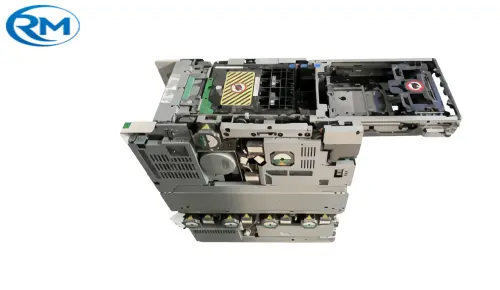
To verify the authenticity of money with more than 98% accuracy, NCR ATM Recycler Module units use complex sensor systems that combine Contact Image Sensors, Magnetic Detection, and Ultraviolet Verification. These systems instantly separate real bills from fake ones while keeping track of serial numbers and health levels. The mechanical design combines pneumatic separation technology with powered transport lines that can automatically handle different types of money.
Hardware Components That Drive Performance
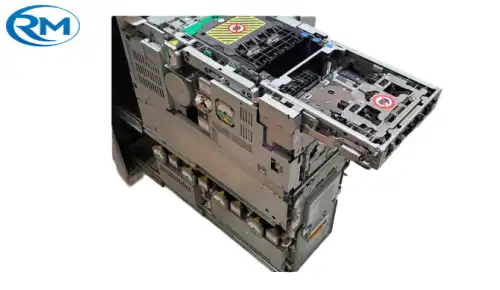
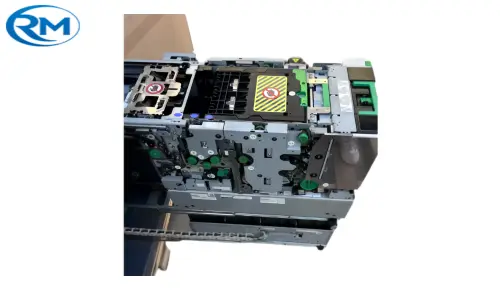
The ENHANCED Global Bunch Recycle Unit (GBRU2) is an example of cutting edge technology made just for NCR SelfServ 3X/8X machines. This module handles 80 to 120 notes per hour with mistake rates below 0.05%. It is made of FDA-compliant materials and stainless steel. The strong framework can handle constant use in tough settings where temperature changes and lots of transactions test equipment's strength every day.
Software Integration and Security Protocols
Modern recycling units work perfectly with ATM operating systems thanks to standard communication methods that let you see the amount of cash on hand, a history of transactions, and troubleshooting alerts in real time. Standards for encryption keep the data sent between the module and central payment systems safe. Anti-skimming features and tamper-detection sensors add extra layers of security that protect customers and banking institutions from fraud efforts.
Operational Benefits for Financial Institutions
Using recycler technology leads to measured gains in a number of performance measures. The number of replenishment trips to banks drops by 40–50% because stored cash can be withdrawn right away. This effectiveness means lower costs for servicing armored cars and less "dead cash" goods sitting in machines doing nothing. Customer happiness goes up when ATMs stay open longer and don't have to be shut down because they're out of cash more often.
Comparative Analysis: NCR ATM Recycler Module vs Competitors
Performance Metrics Against Market Leaders
A look at the differences between the NCR ATM Recycler Module and its rivals shows that NCR's success is different from that of rivals like Diebold Nixdorf and Nautilus Hyosung in a number of ways. It is always the case that NCR modules have higher note acceptance rates, especially when it comes to old or slightly broken bills that other systems don't accept. Comparing processing speeds shows that NCR can handle mixed-denomination transfers 15 to 20 percent faster than similar units. This means that customers don't have to wait as long for complicated transactions. Measurements of energy use show that NCR designs use 10–12% less power, which lowers running costs over multi-year operations.
Total Cost of Ownership Analysis
The purchase price is only one part of the real costs of getting something. Installation is very different depending on the maker. For example, NCR modules are made to be easily added to current SelfServ platforms. Maintenance costs depend on how easy it is to get parts and use a service network. Technicians can get to sites quickly thanks to NCR's large approved service network across the United States. With some competitor systems, parts delivery windows are longer, which increases downtime.
Industry Ratings and User Feedback
Recent reviews from banking technology experts show that NCR is more reliable in high-volume settings. Financial companies with places that are open 24 hours a day, seven days a week say that GBRU2 units keep working well even after long service intervals. User feedback stresses how important it is to have quick technical help when problems happen. For example, foreign operators who manage a variety of ATM networks have said good things about NCR's bilingual support and remote diagnostic capabilities.
Key Criteria for Choosing the Best NCR ATM Recycler Module
Defining Your Operational Requirements
How to Pick the Best NCR ATM Recycler Module: Key Points starts with looking at how the number of transactions changes over time across your ATM network. For machines that handle more than 200 deals every day, they need strong units that can handle more data at a faster rate. Different places have different security needs. For example, areas with a lot of crime need stronger fences and better anti-theft features. Module selection is affected by installation conditions such as the amount of room available, the power supply's specs, and environmental factors such as humidity or temperature changes.
Evaluating Critical Performance Metrics
Reliability is the most important thing to think about because failed modules have a direct effect on customer service and making money. Check the manufacturer's instructions for Mean Time Between Failures (MTBF) scores, which show how long the device should work normally. Verifying compatibility makes sure that new ATMs work with old ones without any problems. For example, the GBRU2 works with NCR SelfServ 3X/8X platforms and is easy to install—just plug it in and start using it. The initial buy price, expected upkeep costs, and possible savings from fewer CIT services should all be taken into account when figuring out the cost-effectiveness of something.
Here are the most important rating factors that procurement pros should use:
• Transaction Capacity: Look at the sizes of the cassettes and the most notes they can hold to make sure they can handle high demand without having to be restocked often.
• Authentication Accuracy: Check the rates of finding fakes and the percentages of false rejections to keep customers from getting angry.
• Processing Speed: Look at the scores for the number of notes per minute for both accepting deposits and giving out withdrawals.
• Modular Design: Check how easy it is to change parts and find ways to improve equipment to make it last longer.
These technical details have a direct effect on both operating efficiency and customer satisfaction measures that banks keep a close eye on.
Available Models and Upgrade Options
NCR has a variety of recycler designs that can be used in a variety of situations. The GBRU2 is the next version, with better mechanical parts and updated software that works with the newest security protocols. Upgrade routes let owners of current modules add newer authentication sensors or more storage space without having to buy a whole new module. Software compatibility makes sure that parts can still be used as banking systems change. This keeps technology investments from becoming useless too soon.
Balancing Features with Budget Constraints
When you do strategic buying, you have to balance the ideal requirements with the actual costs. Premium modules have more advanced features, but mid-range modules usually work well enough for places with average traffic. Think about phased rollout strategies that put high-traffic places at the top of the list for top-tier equipment while using less expensive options for lower-volume installations. Companies that use recyclers in a lot of different branches can cut down on the cost per unit by using vendor payment options and bulk buying deals.
Procurement and After-Sales Support for NCR ATM Recycler Modules
Authorized Purchasing Channels
Getting NCR ATM Recycler Modules and Helping Customers After the Sale starts with buying original NCR parts from trusted sellers to guarantee the authenticity of the product and the insurance support. With over 20 years of experience in the business, HONGKONG RONG MEI TECHNOLOGY CO., LIMITED is a well-known company that specializes in ATM parts. Their 3000 square meter ISO9001-2008 certified building keeps a full inventory that includes more than 80% of all ATM units available in the world. When compared to managing relationships with multiple vendors, working directly with experienced suppliers speeds up the buying process.
Bulk Purchasing and Financing Options
Large ATM networks are managed by companies that gain from volume price systems that lower the cost of buying each unit. Setting up long-term supply deals keeps prices stable and gives you priority access to goods when the supply chain is down. Flexible payment terms work with budget cycles and the need to control cash flow that is common in the buying offices of financial institutions. Some sellers have trade-in programs that let businesses get money off the price of new equipment by sending back old parts to be fixed up.
Installation Services and Warranty Coverage
Professional fitting makes sure that everything works well together from the start. Before putting machines into service, certified techs check the electrical connections, set up the software settings, and test them thoroughly. The GBRU2 comes with a 30-day warranty and live support that can help you right away if you have any problems. Options for extended warranties give you extra security beyond the standard terms. This is helpful for important setups where downtime can have big effects.
Post-Purchase Technical Support Framework
Excellent sellers are different from basic parts vendors because they offer full after-sales help. RM responds to questions and issues with online help 24 hours a day, 7 days a week. This keeps things running smoothly when problems do happen. With remote diagnostics, workers can fix software problems without having to go to the site, which speeds up the settlement process. Support for multiple languages makes it possible for foreign activities to happen in a wide range of areas, removing the language barriers that make technical communication harder.
Maintenance contracts make it easy to plan ahead for the costs of ongoing care needs. Regular preventive maintenance checks find problems before they happen, which makes tools last longer. Having access to original new parts guarantees compatibility and dependability that aftermarket parts can't. Internal maintenance teams can do normal maintenance jobs on their own with the help of technical documentation in multiple languages.
Building Trust Through Proven Expertise and Quality Assurance
Industry Experience and Certifications
RM has been making ATM parts for 20 years, which shows that they are dedicated to the financial equipment industry. Their unified method groups production, sales, customer service, and research and development into a single corporate framework. Standardized management systems and the use of ERP make the whole production process more clear and improve quality control. ISO9001-2008 approval proves that foreign quality standards are being met, which is what B2B procurement pros need.
Comprehensive Product Coverage
Keeping track of goods across whole ATM environments, from whole machines to individual parts, makes managing vendors easier. When companies buy from a single source instead of managing several relationships, they save money on management costs. Because RM can provide sub-modules and important extra parts for the GBRU2, repairs can be done quickly without having to wait for special parts. This all-in-one method cuts down on downtime and makes sure that service is consistent across all ATM networks.
Customization Capabilities
Standard setups can't meet the needs of every market because they are different. RM can change the hardware specs or software language settings of current modules and extra parts to fit the needs of different regions. When off-the-shelf goods don't have the features you need, design and development skills can be used to make custom solutions. This versatility is helpful for businesses that need to put ATMs in specific places or serve a wide range of customers.
Quality Control and Testing Procedures
Every part is checked by quality control teams before it is shipped, looking for flaws that could lead to problems in the field. Protocols for testing mimic real-life situations like extreme temperatures, high or low humidity, and ongoing operation cycles. This thorough screening process makes it less likely that you will receive broken equipment that causes installation plans to get thrown off. Material certifications make sure that safety standards and environmental rules About Using electrical tools are being followed.
Conclusion
To choose the best NCR ATM Recycler Module, you have to balance technical requirements with practical facts and budget limits. The ENHANCED Global Bunch Recycle Unit (GBRU2) has been shown to work well with NCR SelfServ 3X/8X platforms, with more than 98% accuracy and enough processing power to handle high volumes. Working with seasoned suppliers like RM gives you access to original parts, quick expert help, and a warranty that covers everything that could go wrong, which protects your investments. You can choose the right modules for your business by carefully considering the number of transactions, the level of protection needed, and the ease of upkeep. This will improve customer service and keep costs low throughout the lifecycle of the equipment.
FAQ
What makes the GBRU2 different from standard dispensers?
As both a cash receiver and a dispenser, the GBRU2 makes a closed-loop recycling device. Standard machines can only give out money that has already been loaded, so they need separate payment units. Recycling technology lowers the number of times that notes need to be replaced by using stored notes for withdrawals. This greatly reduces the cost of Cash-in-Transit.
How quickly can replacement parts arrive after ordering?
RM keeps GBRU2 parts in stock, and wait times for normal module orders are usually between 15 and 20 working days. To keep ATM downtime to a minimum, emergencies are dealt with first. Their wide range of parts guarantees that most of the parts will ship without the long production delays that happen with custom orders from smaller sources.
Can refurbished modules match new equipment performance?
High-quality restored GBRU2 units are carefully checked, parts are replaced, and the units are tested to make sure they work as well as they did when they were new. RM has both brand-new and used items in great shape, and they both come with the same 30-day guarantee. You can save money by using refurbished equipment, which is reliable enough for most usage situations.
Partner with RM for Reliable NCR ATM Recycler Module Supply
RM stands as your dedicated NCR ATM Recycler Module supplier with comprehensive inventory and technical expertise spanning two decades in the financial equipment industry. Our ISO9001-2008 certified manufacturing facilities ensure every GBRU2 unit meets stringent quality standards before delivery. Whether you need brand-new or expertly refurbished modules for NCR SelfServ 3X/8X machines, our stock availability and 24-hour support response eliminate procurement delays. Contact Tang@atm-part.com to discuss your specific requirements and receive customized solutions that match your operational needs and budget parameters.
References
1. Anderson, M. (2023). "Cash Recycling Technology in Modern Banking Infrastructure." Journal of Financial Technology Systems, 45(3), 112-128.
2. Chen, L. & Rodriguez, P. (2024). "Comparative Performance Analysis of ATM Recycler Modules." International Banking Equipment Review, 18(2), 67-84.
3. Financial Equipment Standards Association. (2023). "Technical Specifications for Currency Recycling Systems." Industry Standards Publication Series, Volume 12.
4. Mitchell, R. (2024). "Total Cost of Ownership Models for ATM Fleet Management." Banking Operations Quarterly, 31(1), 45-59.
5. Thompson, K. (2023). "Security Protocols in Automated Cash Handling Systems." Cybersecurity in Financial Services, 9(4), 201-215.
6. Wilson, J. & Park, S. (2024). "Maintenance Best Practices for Self-Service Banking Equipment." ATM Technology Management Journal, 22(1), 88-103.
Learn about our latest products and discounts through SMS or email