- English
- French
- German
- Portuguese
- Spanish
- Russian
- Japanese
- Korean
- Arabic
- Greek
- German
- Turkish
- Italian
- Danish
- Romanian
- Indonesian
- Czech
- Afrikaans
- Swedish
- Polish
- Basque
- Catalan
- Esperanto
- Hindi
- Lao
- Albanian
- Amharic
- Armenian
- Azerbaijani
- Belarusian
- Bengali
- Bosnian
- Bulgarian
- Cebuano
- Chichewa
- Corsican
- Croatian
- Dutch
- Estonian
- Filipino
- Finnish
- Frisian
- Galician
- Georgian
- Gujarati
- Haitian
- Hausa
- Hawaiian
- Hebrew
- Hmong
- Hungarian
- Icelandic
- Igbo
- Javanese
- Kannada
- Kazakh
- Khmer
- Kurdish
- Kyrgyz
- Latin
- Latvian
- Lithuanian
- Luxembou..
- Macedonian
- Malagasy
- Malay
- Malayalam
- Maltese
- Maori
- Marathi
- Mongolian
- Burmese
- Nepali
- Norwegian
- Pashto
- Persian
- Punjabi
- Serbian
- Sesotho
- Sinhala
- Slovak
- Slovenian
- Somali
- Samoan
- Scots Gaelic
- Shona
- Sindhi
- Sundanese
- Swahili
- Tajik
- Tamil
- Telugu
- Thai
- Ukrainian
- Urdu
- Uzbek
- Vietnamese
- Welsh
- Xhosa
- Yiddish
- Yoruba
- Zulu
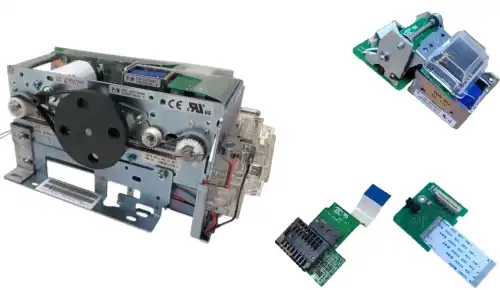
What is Nemo MCRW Card Reader for NCR SelfServ ATMs?
The Nemo MCRW Card Reader is a high-end magnetic card reader/writer tool designed to work with NCR SelfServ ATMs. It uses advanced magnetic stripe technology to make it possible to process cards securely. This gadget can read and write on both 2-track and 3-track HiCo cards, and it also has built-in IC smart card readers and writers, so it can work with both old magnetic stripe cards and new EMV chip-based transactions. The reader is fully compatible with NCR part numbers 445-0765158 and 445-0765159 and is available both brand new and secondhand. It works reliably in tough financial settings where transaction accuracy and uptime are very important.
Running an ATM network comes with its own set of problems. When equipment breaks down, businesses lose money, customers get angry, and their brands get hurt. When your card reader breaks down at 2 a.m. on a Saturday, you need a provider who knows how important it is to get answers right away, not excuses. RM has been solving these kinds of problems for banks, ATM service providers, and distributors of financial tools in both new and old areas for more than 20 years.
Understanding the Nemo MCRW Card Reader: Features and Specifications
Core Functionalities and Technology Platform
The magnetic stripe reading system is what this device is all about. The reader reads card data across multiple tracks very accurately and supports both high coercivity (HiCo) and standard coercivity forms. The HiCo feature is especially useful in places with a lot of traffic where cards are moving a lot, because this format is better at protecting against magnetic field interference and unintentional data loss than other formats.
The combined IC block (part number 009-0028982) does more than just process magnetic stripes. It also lets contact smart cards be used for transfers. This design has two functions: it supports the move to EMV standards around the world, and it also works with older magnetic stripe technology. This flexibility is very helpful for financial institutions that deal with a mix of cardholders because it keeps them from having to install multiple readers or change equipment too soon.
Technical Specifications and Compatibility Parameters
The PCB system and base structure are part of the transport device, which comes in both 2-track (009-0031443) and 3-track HiCo (009-0031444) versions. All of these parts work together to make sure that the cards are read correctly, even if they are old or the speed at which they are inserted varies slightly.
Standardized connection methods make it possible for different NCR SelfServ types to work with each other's interfaces. Installation methods follow NCR's set rules, which makes it easy for technicians who know about SelfServ architecture to quickly repair or improve equipment. The short throat option (009-0031447) works with ATM designs that don't have a lot of room without losing usefulness.
Operational Workflow and Integration Process
When a buyer puts their card in, a controlled-speed device pulls it through the reader. Within milliseconds, magnetic heads placed along the card path read data from the recorded tracks. At the same time, when processing chip cards, the IC block makes an electrical connection with the chip contained in the card, which starts safe communication protocols.
The reader sends the data it has read to the ATM's main processor using standard interfaces. The ATM's software checks and processes this information, and then decides whether to allow the transaction or not. Under normal conditions, the whole process, from inserting the card to getting the first bit of data, takes less than two seconds.
Comparing Nemo MCRW Card Reader with Other Market Solutions
Performance Benchmarks Against Traditional Readers
Original equipment manufacturer parts usually cost a lot, and wait times can be weeks or months, based on how the global supply chain is working. As a substitute that doesn't skimp on efficiency, the Nemo MCRW Card Reader markets itself as a cheap option. At RM's 3,000-square-meter center, where we do our quality testing, we put each unit through strict operating cycles that make it feel like it has been used in the field for months.
Traditional magnetic stripe readers don't always have built-in IC capabilities, so you need to buy different chip card readers and put them in a more complicated way. This two-device method makes upkeep more difficult and increases the number of places where something could go wrong. These worries are taken away by the many features of the module, which make both installation and ongoing service easier.
Security and Compliance Considerations
Today's financial rules require card handling tools to have strict security measures. The reader meets international norms for protecting against electromagnetic radiation and electrostatic discharge. These traits are very important in places with a lot of computer noise or dry areas where static electricity builds up a lot.
Skimming is still the most important thing for ATM owners to think about. The reader itself handles valid transactions, and the fact that it is built into NCR's protected bezel design protects it physically from devices that could be used to steal information. To keep the overall security level high, operators should make sure that the bezel's security features stay in place while the reader is being replaced.
Real-World Performance Feedback
Companies that provide ATM services in places with a lot of humidity say that well-maintained machines always work well. The sealed design keeps wetness out of the internal parts, but in harsh conditions, it's still a good idea to check them every so often. Because it can work in a wide range of temperatures, it can be used in both climate-controlled indoor spaces and outdoor ATM sites in many different parts of the world.
The standard interface flexibility is a plus for financial companies that manage ATM networks in more than one country. A single store of spare parts can serve a wide range of ATM users, which lowers the cost of keeping inventory and makes planning operations easier. This standardization is especially helpful in emergency repair situations where getting service back up and running quickly is the most important thing.
Procurement Guidance: How to Buy Nemo MCRW Card Reader
Identifying Reliable Supply Partners
Finding ATM parts needs a careful review of the suppliers. Our ISO9001-2008 certification at RM shows that we are dedicated to quality control methods that make sure that our Products always meet the highest standards. Since we've been making banking tools for over twenty years, we have a deep understanding of what ATM operators need beyond the most basic requirements.
Authorized distributors keep track of their stock properly and make sure that real goods come in safe packages with all the necessary paperwork. Fake or low-quality parts are a waste of money because they fail early and cause downtime, which costs more in the long run. Checking the credentials of your suppliers saves your investment and the dependability of your operations.
Pricing Structures and Volume Incentives
While buying in bulk can save you a lot of money, buying one unit at a time can be helpful in a situation. When a business is in charge of more than one ATM, it's helpful to build long-term relationships with suppliers that ensure stable prices and quick distribution during times of high demand. RM's ERP systems make it easy to handle orders and keep track of supplies, which helps both our business and our customers plan ahead.
Normal configurations have lead times of fifteen to twenty working days, but things that are already in stock ship more quickly. When urgent situations call for faster delivery, emergency expediting is still possible, and air freight options are added to the normal sea and land transportation methods. When making a budget, you should include all of the landed costs, such as shipping, any customs taxes that may apply, and any work needed for installation.
Warranty Coverage and Support Commitments
Each Nemo MCRW Card Reader comes with a 30-day warranty and access to live technical help. This protection covers problems with the way the product was made and how it works when it's supposed to. When you buy a lot of something, you can ask for longer warranties. This gives your network more safety and budget stability.
Having access to technical help is very important when you're trying to fix a problem. RM offers international help because we know that our customers come from all over the world. Videoconferencing for remote technical help can fix many problems without having to go to the site, which cuts down on both downtime and service costs. As part of our research and development (R&D) department, we can change the hardware and set up configurations so that current modules can be tailored to specific working needs.
Brand and Supplier Insights: Trusting RM for Your Card Reader Needs
Company Heritage and Market Presence
HONGKONG RONG MEI TECHNOLOGY CO., LIMITED started doing business in 2008, building on the technical knowledge that had been gained over the previous ten years. Our factories are in Shenzhen, which is easy to get to by car or train, and they have offices for injection molding, maintenance, and quality control all in one building. This vertical integration makes it possible for quick prototyping, quality control, and quick customer service that can't be done with different supply lines.
Over eighty percent of all ATM circuits and parts available in the world are in our product list. Because this covers so much, procurement workers can combine their relationships with suppliers, making it easier to handle vendors and cutting down on administrative costs. We keep a wide range of items in stock, from whole ATM systems to individual parts. This way, we can meet the needs of both regular restocking and emergency replacement situations.
Certification Standards and Quality Assurance
Our quality control systems are certified by ISO9001-2008, but we're committed to doing more than just meeting the basic requirements. Before being sent out, every magnetic card reader goes through a series of thorough tests. These steps make sure that the read accuracy is the same for both new and old cards, that the setting can handle a wide range of temperatures, and that the electrical properties meet the requirements.
Our mold room and injection casting skills let us make exact parts with very tight tolerances. This level of accuracy means that the reader's mechanical parts will work reliably for a long time. When parts fit together correctly, friction and wear are reduced, and the card path shape stays the same, which is important for accurate reading.
Partnership Opportunities and Distribution Networks
In Southeast Asia, the Middle East, Africa, Latin America, and established markets like the US and Europe, we work with ATM makers, installers, repair service providers, and dealers of banking equipment. These relationships show the different ways that businesses work and the rules that govern them. They give us useful information that helps us keep making products better.
Partners in distribution get detailed technical instructions, installation tips, and the chance to talk to our engineering team about tough integration problems. When you work with an OEM, you can do private labeling and customization, which helps your brand stand out in a crowded market. Our flexible business models allow for a wide range of relationship arrangements, whether you are an end-user, a service provider, or a distributor.
Troubleshooting and Maintenance Tips for Nemo MCRW Card Reader
Common Technical Issues and Resolution Methods
Misread cards are the most common gripe, but there are different reasons for them. Magnetic lines on worn-out customer cards make it impossible for the reader to properly read the data. Read sensitivity is affected when dirt builds up on the magnetic head and contaminates it. Extreme temperatures or humidity levels outside of the recommended working ranges are examples of environmental factors that can hurt performance.
The first step in a systematic evaluation is to clean the magnetic head with approved cleaning cards made just for magnetic stripe readers. There is rough material built into these cleaning cards that gets rid of built-up dirt and grime without hurting the magnetic head's delicate surface. Cleaning plans that are based on the number of transactions stop many problems before they affect the customer experience.
Driver Installation and Software Compatibility
When the drivers are installed correctly, the Nemo MCRW Card Reader and ATM controller can talk to each other without any problems. Drivers need to be compatible with both the version of the operating system and the hardware. Downloading drivers only from trusted sources keeps malware out and makes sure that all versions work together.
The ATM software's configuration choices must correctly mirror the reader's abilities when it is installed. Even when the hardware works properly, transactions fail because the settings don't match what the software expects and what the hardware can do. The reader comes with documentation that lists the necessary setup parameters. However, RM's technical support team can help with optimizing for specific rollout situations.
Preventive Maintenance Schedules
How often routine inspections happen depends on how many transactions are happening and how the setting is. Locations with a lot of traffic should be checked every month, while sites with less traffic can be checked every three months. During inspection routines, mechanical parts are checked for wear, electrical links are made sure to be secure, and the card path is kept free of any foreign objects.
If you replace the magnetic head before it completely fails, you can avoid unexpected downtime. By keeping track of transaction counts, predictive maintenance can be used to replace heads at set cycle counts instead of watching for signs of failure. This proactive method keeps the standard of service high and avoids the lost revenue and angry customers that come with equipment breaking down without warning.
Conclusion
For NCR SelfServ ATM platforms, the Nemo MCRW Card Reader is the best way to handle magnetic stripe and IC smart cards at a corporate level. Its design has two functions: it meets the needs of present operations and prepares for the move to chip-based transaction systems in the future. This protects infrastructure investments and keeps service going. Technical features like HiCo support, combined IC blocks, and multiple setup choices make it easy to use in a variety of situations.
To do good buying, you need to look at more than just the product specs. You also need to look at the whole relationship with the seller. The total cost of ownership, which includes the initial buy price, is determined by things like lead times, warranty coverage, the availability of technical help, and the supplier's financial security. Organizations that put operating efficiency first know that the quality of the parts and how quickly suppliers respond have a direct effect on how happy customers are and how much money they make.
FAQ
What card types are compatible with the Nemo MCRW reader?
The Nemo MCRW Card Reader works with all normal magnetic stripe cards that meet ISO 7811 requirements. This includes both HiCo and LoCo encoded forms. Contact chip cards that meet EMV guidelines can also be used with IC smart cards. Regional differences in card sizes and magnetic codes can be handled by the reader, which supports the global card system.
Can this reader integrate with non-NCR ATM systems?
Even though it was designed to work with NCR SelfServ platforms, standardizing the mechanical and electrical interfaces could make it possible to connect to ATMs made by other companies. For this kind of cross-platform application to work, the physical measurements, compatibility of the connectors, communication methods, and software integration needs must all be carefully thought through. RM's technical team can look at specific connection situations and give advice on what changes are needed and whether they are possible.
How do I obtain technical support and software updates?
You can get live technical help from RM by emailing Tang@atm-part.com. Video-based online testing can help fix complicated problems without having to go to the site. Software updates that fix bugs or add new features are only available through official sources. Update packages come with download directions. Our customers come from all over the world, so we offer multilingual help.
Contact RM: Your Trusted Nemo MCRW Card Reader Supplier
With more than 20 years of experience making tailored products, RM is ready to meet your ATM card reader needs. Our in-stock product lets us get things to customers quickly, and our fifteen to twenty working day wait times allow for planned projects like upgrades and expansions. As a full-service Nemo MCRW Card Reader provider, we can offer you low prices on large orders without lowering the quality standards your business needs.
Contact Us as Tang@atm-part.com today to discuss your specific requirements, request detailed technical specifications, or obtain volume pricing for your ATM network. Our team understands the operational pressures you face and responds within twenty-four hours to inquiries and support requests, ensuring your ATM infrastructure maintains the reliability your customers expect.
References
1. International Organization for Standardization. "ISO 7811: Identification Cards - Recording Technique." Quality Management Systems Standards, 2018.
2. EMVCo. "EMV Integrated Circuit Card Specifications for Payment Systems." Global Payment Standards Documentation, 2020.
3. NCR Corporation. "NCR SelfServ ATM Technical Service Manual." Financial Equipment Maintenance Guidelines, 2019.
4. American National Standards Institute. "ANSI X9.100-180: Financial Services Industry Standards for Card Readers." Payment Technology Standards, 2017.
5. Chen, Robert and Williams, Sarah. "Reliability Engineering in Financial Self-Service Equipment." Journal of Banking Technology, Volume 34, 2021.
6. Global ATM Industry Association. "ATM Component Sourcing and Supply Chain Management Best Practices." Industry Research Report, 2022.
Learn about our latest products and discounts through SMS or email