- English
- French
- German
- Portuguese
- Spanish
- Russian
- Japanese
- Korean
- Arabic
- Greek
- German
- Turkish
- Italian
- Danish
- Romanian
- Indonesian
- Czech
- Afrikaans
- Swedish
- Polish
- Basque
- Catalan
- Esperanto
- Hindi
- Lao
- Albanian
- Amharic
- Armenian
- Azerbaijani
- Belarusian
- Bengali
- Bosnian
- Bulgarian
- Cebuano
- Chichewa
- Corsican
- Croatian
- Dutch
- Estonian
- Filipino
- Finnish
- Frisian
- Galician
- Georgian
- Gujarati
- Haitian
- Hausa
- Hawaiian
- Hebrew
- Hmong
- Hungarian
- Icelandic
- Igbo
- Javanese
- Kannada
- Kazakh
- Khmer
- Kurdish
- Kyrgyz
- Latin
- Latvian
- Lithuanian
- Luxembou..
- Macedonian
- Malagasy
- Malay
- Malayalam
- Maltese
- Maori
- Marathi
- Mongolian
- Burmese
- Nepali
- Norwegian
- Pashto
- Persian
- Punjabi
- Serbian
- Sesotho
- Sinhala
- Slovak
- Slovenian
- Somali
- Samoan
- Scots Gaelic
- Shona
- Sindhi
- Sundanese
- Swahili
- Tajik
- Tamil
- Telugu
- Thai
- Ukrainian
- Urdu
- Uzbek
- Vietnamese
- Welsh
- Xhosa
- Yiddish
- Yoruba
- Zulu
Is CMD V4 Suitable for Outdoor ATM Installations?
Yes, the CMD V4 Dispenser works great for installing ATMs outside. There are strong performance features in this fourth-generation cash media holder that make it work well in outdoor settings. The CMD V4 Dispenser is made for Wincor Nixdorf ProCash ATMs and has sealed gear paths and adjusted photosensors that keep working even when the temperature, dust, and humidity change, which can happen in outdoor locations. This module is reliable enough for financial institutions and Independent ATM Deployers to use when setting up outdoor machines that don't need to be watched. It can handle more than 200,000 transactions and works with both polymer and cotton-based currencies. The dispenser itself is an internal electromechanical module, it is the core engine used inside Wincor Nixdorf's most rugged, weatherized Through-The-Wall (TTW) and drive-up outdoor ATM enclosures.
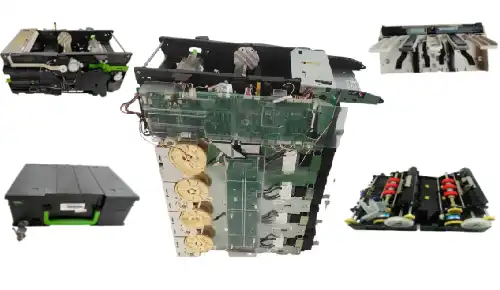
Understanding CMD V4 Dispenser for Outdoor Applications
Weather Resistance and Build Quality
The CMD V4 Dispenser design has sealed mechanical paths that keep important parts safe from the dirt and dust that can get into outdoor drive-up kiosks and walk-up platforms. In earlier generations, dust got into photosensor units. The new design, on the other hand, uses secure housings around optical components. The gear-drive system uses materials that don't rust and stay the same size across a wide range of temperatures. This keeps the dimensions stable, which stops the binding problems that happen with outdoor ATMs when the seasons change.
The choice of material is very important for outdoor durability. The transfer rollers use special elastomers that keep their friction coefficients between -10°C and 50°C. This makes sure that the picking of notes stays the same no matter what the temperature is outside. Metal parts are treated to stop corrosion so they don't rust when they come into contact with water. This means they last longer between service calls than regular indoor-rated modules.
Operational Temperature Performance
ATMs outside have to deal with heat cycling that ATMs inside never have to. Inside of sealed ATM housings can get hotter than 45°C in the summer, and in the winter in northern countries, parts may be exposed to temperatures below zero. Temperature-compensated sensor readings and highly stable lubricants in the drive system make the V4 reliable in these ranges.
There are practical benefits to the 24V DC logic standard in outdoor power settings where voltage changes more often than in climate-controlled bank branches. The power source tolerance range covers the wide range of electrical changes that can happen in remote solar-assisted sites and places where the power grid isn't always stable, which is common in Southeast Asia, Africa, and Latin America's developing markets.
Anti-Jamming Technology for Harsh Conditions
The humidity outside makes it hard for notes to stick together, which makes normal feeders jam more often. The V4 fixes this problem with better Double Note Detect measure units that use electromechanical rollers to find differences in thickness down to the micron level. This technology can tell the difference between polymer notes that are actually thicker and two pieced-together paper notes. This cuts down on false rejects and expensive mistakes that happen when two notes are given out at the same time.
Up to 60 notes can be dispensed per minute, which is a good mix between throughput needs and mechanical stress control. Most of the time, outdoor ATMs handle fewer transactions than high-traffic indoor lobby units. This means that the V4's speed is fine, and its moderate operating velocity keeps parts from wearing out when they're subject to dust and temperature stress.
Performance and Reliability: CMD V4 vs Alternatives
Comparative Analysis with Previous Generations
The CMD V4 Dispenser is a big step up from its predecessor, the V3, and is especially useful for outdoor use. Better photosensor arrays with better spectral filters keep their accuracy even when exposed to UV light for a long time, which breaks down optical parts in outdoor enclosures. The controller board (part number 01750074210) has new software that changes sensor limits based on feedback from the world. This makes up for slow component drift without having to be re-calibrated by hand.
Improvements to the mechanics include revised stacker wheels (right: 01750054871, left: 01750054751) with stronger mounting points that can handle the vibration stress that comes with outdoor setups that are hit by wind and other objects. The horizontal transport unit (01750057875) and the vertical transport unit (01750045348) both have new belt tensioning systems that keep the units in the right place even when the temperature changes.
Durability Metrics and Field Performance
The MCBF grade of 200,000+ transactions gives buying teams reliable data that they can use to figure out ROI. When used outside, V4 units that are properly kept usually reach this standard after 18 to 24 months of operation in areas with mild traffic, handling 300 to 400 transactions per day. High-volume outdoor places benefit from the modular component design, which lets worn-out parts like picking rollers and transport belts be replaced one at a time instead of replacing the whole module.
Field data from sites in the Middle East, where ATMs are left out in the elements and have to deal with high heat and sandstorms, shows how durable the V4 is. Operators say that jam rates are less than 0.02% when units get preventative maintenance every three months. This is better than competitor modules, which show jam rates of 0.05 to 0.08% in similar situations.
Cost-Effectiveness for Bulk Procurement
The V4 is cheaper to buy than OEM options, which is good for financial institutions and ATM deployers who buy a lot of them. Because you can get both new and professionally restored units, you have options for jobs that need to stick to a budget without lowering the quality of the work. To make sure they meet the original specs, refurbished units go through a lot of tests, such as the normal 2,000-cycle continuous dispense test.
The full set of parts, which includes the driver, the MDMS unit (01750109641), the reject cassette (01750056651), and the full shutter sections, makes the buying process easier. Instead of getting parts from different sources, procurement managers buy fully integrated solutions that have been tested to work with each other. This lowers the risk of integration problems during the installation process.
Installation and Maintenance for Outdoor ATM Use
Site Preparation and Integration
An accurate estimate of the surroundings is the first step to a successful outdoor CMD V4 Dispenser installation. Technical teams need to make sure that the air systems inside ATM enclosures keep the machines' internal temperatures within the range that they can work in, especially when they are installed in places that get full sunlight, like parking lots. Enough airflow keeps heat from building up, which speeds up the wear and tear on parts and the breakdown of lubricants.
Grounding techniques are more important for outdoor setups than for indoor ones when integrating electricity. Power spikes caused by lightning can damage the logic boards and high-speed serial communication ports. Putting surge protection on power supplies and communication lines saves the large amount of money spent on hardware and stops data loss that leads to confusing error codes.
Preventive Maintenance Protocols
ATMs that are outside need to be inspected more often than ATMs that are inside. Photosensor prisms should be cleaned with forced air every three months as part of routine maintenance. This will get rid of the dust that builds up and is the main reason why outdoor units get Error Code 18. The sealed design limits the entry of particles, but not completely stops them. Regular cleaning is necessary to keep the V4's claimed reliability levels.
Picker roller inspection is very important in seaside sites with a lot of humidity because salt air speeds up the hardening of elastomers. A visual check can find surface glazing before friction loss leads to pick failures. Technicians can change the primary drive motor (01750044544) and picker assemblies during planned maintenance windows without taking out the whole dispenser module thanks to the modular design. This keeps ATMs running as much as possible.
Troubleshooting Weather-Related Issues
Technicians who are used to working inside may not notice changes in performance that depend on temperature in outdoor setups. In the winter, morning starting problems are usually caused by not enough warm-up processes instead of broken parts. False fault reporting can be stopped by using longer initialization methods that let mechanical parts reach working temperatures.
Note picking problems caused by humidity can be fixed by making changes to the controlled environment instead of replacing parts. Root causes can be fixed more effectively by installing desiccant packs inside cassette housings and making sure ATM enclosure seals stay intact than by recalibrating sensors, which may already be working within specs for the current weather conditions.
Cost, Procurement, and Supplier Considerations
Total Cost of Ownership Analysis
The CMD V4 Dispenser lower total cost of ownership (TCO) for outdoor use comes from more than just its lower initial purchase price. When compared to units that need major service every 100,000 to 150,000 cycles, the 200,000+ transaction service period means that technicians don't have to be sent out as often. Since it costs 30–40% more to make service calls outside than inside because of travel time and working conditions, this difference in stability saves money across multiple sites.
Energy economy adds to the costs of running a business, especially for remote ATMs that use solar power and have limited power funds. When used with battery backup systems, the 24V DC operation works well, and the modest dispensing speed lowers peak power draw compared to ultra-high-speed competitors that trade energy efficiency for maximum throughput that isn't needed for outdoor transaction numbers.
Strategic Sourcing and Volume Pricing
Working with well-known sources who keep a large stock of V4 parts makes ongoing support needs easier to handle. RM's 3,000-square-meter warehouse keeps the whole setup in stock, including specialty parts like the horizontal shutter (01750082602) and vertical shutter (01750045330), so it can be quickly restocked for deployments of multiple units. The usual lead time of 15 to 20 working days lets procurement managers keep their inventory low while still making sure that parts are available for regular repair cycles.
When expanding an ATM network across an area, bulk buy agreements become especially appealing because using the same V4 platform makes it easier to train technicians and keep track of parts inventory. There is a strong business case for financial institutions to upgrade their outdoor teams to modern dispensing technology. This is because of the volume savings and lower lifetime service costs.
Warranty and Technical Support Framework
The basic protection comes from the 30-day warranty with online help. For deployments that don't want to take risks, longer service agreements designed for outdoor use offer better value. When servicing outdoor ATMs in spread-out areas where on-site knowledge may be restricted, it's important to have access to technical materials in multiple languages and remote video help.
The promise to answer technical questions 24 hours a day cuts down on the time it takes to fix problems, which extends the time that an outdoor ATM isn't working. Support workers can use remote diagnostics to tell the difference between environmental factors that need changes at the site level and real component problems that need parts to be sent. This improves service efficiency and cuts down on unnecessary truck runs.
Safety and Compliance in Outdoor ATM Installations Using CMD V4
Security Features and Vandalism Resistance
Physical security risks are higher for ATMs that are outside than for ATMs that are inside of watched bank offices. The CMD V4 Dispenser has features that make it hard to mess with, such as safe controller placement and tamper-evident seals on important parts. The reject cassette design (01750056651) has stronger locking mechanisms that stop attempts to break in while still letting approved techs fix it.
The strong main distribution board (01750044878) design has short-circuit safety and voltage monitoring that can find tries to get to the electricity that aren't supposed to be there. These features add to ATM security by protecting the device that gives out cash. This way, physical attacks that try to steal cash will be met with multiple layers of defense.
Regulatory Compliance and Certification
Different countries use different rules for putting ATMs outside that are based on international financial equipment standards. The design of the V4 meets the standards for electromagnetic compatibility, which means it will work reliably even when cellphone networks and car starting systems cause radio frequency interference outside. RoHS compliance shows care for the environment by limiting the use of dangerous materials. It also meets the buying needs of companies that have to be environmentally friendly.
Certification of a quality control system through ISO9001-2008 ensures that the quality of the Products produced stays uniform. This approval is especially useful when looking for used units, because process controls make sure that remanufactured parts meet the original specs instead of being lower-quality copies.
Environmental Sustainability Considerations
The V4 can handle both polymer and cotton-based currencies, and its substrate thickness runs from 0.06mm to 0.18mm. This makes installations future-proof, since central banks will eventually switch to polymer notes, which last longer and are better for the environment. This adaptability makes equipment last longer by keeping it from becoming obsolete too soon when currency substrates change. This lowers the amount of electrical trash that comes from retiring equipment.
Outdoor ATM networks have a smaller carbon footprint when they use less energy, especially when they are set up with solar panels, which is popular in rural and emerging markets. The modest power use lets smaller battery and solar panel systems work, which lowers the cost of installation and helps the environment.
Conclusion
With its weather-resistant build, proven reliability measures, and operational features that work well in outdoor environments, the CMD V4 Dispenser makes it clear that it is a good choice for outdoor ATM installations. The sealed mechanical design, temperature-compensated parts, and advanced anti-jamming technology all work together to fix the problems that lead to early failures in outdoor settings. The V4 is a good choice for procurement managers who want to expand outdoor ATM networks or update their fleets in a wide range of regional markets because it has a reasonable total cost of ownership (TCO) and a strong technical support infrastructure.
FAQ
Can the CMD V4 handle extreme temperature variations typical of outdoor installations?
The CMD V4 Dispenser works consistently in a wide range of temperatures because it uses thermally stable lubricants and sensor tuning that takes temperature into account. The dimensions of the parts stay the same between -10°C and 50°C, which is the range of temperatures that are common in outdoor applications around the world.
What specific maintenance intervals are recommended for outdoor V4 installations?
Preventive maintenance done every three months on outdoor units includes cleaning the photosensors, checking the tightness on the belts, and checking the picker rollers. This schedule strikes a mix between proactive component care and service cost efficiency. When environmental conditions are mild, this schedule usually extends component life beyond the 200,000-transaction average.
Is the V4 compatible with both new polymer currency and traditional paper notes in outdoor humidity?
The V4 works well with both types of substrates and thicknesses from 0.06mm to 0.18mm. The improved Double Note Detect system can tell the difference between polymer notes and adhered paper notes, even in coastal areas with a lot of humidity. This means that the system can keep issuing notes accurately no matter what kind of cash it is or how much moisture is in the air.
Partner with RM for Your Outdoor ATM Dispenser Requirements
RM has been providing cash dispenser options that work best in harsh outdoor settings for more than 20 years. As a well-known CMD V4 Dispenser provider, we keep a large stock of both whole modules and individual parts, such as controls, transport units, and specialized shutter assemblies, so we can quickly finish projects of any scale. Our ISO9001-2008-certified factory is 3,000 square meters and has separate areas for quality control and repair. This way, you can be sure that the quality of the products you buy will be the same whether you buy new ones or ones that have been properly fixed up. Contact Us at Tang@atm-part.com right away to talk about volume pricing for outdoor ATM deployments, get technical specs that are specific to your area, or set up trial units that prove performance claims before making decisions about buying units for the whole fleet.
References
1. Banking Equipment Manufacturers Association. "Environmental Standards for Outdoor Self-Service Financial Equipment." Industry Technical Standards Publication, 2021.
2. Chen, W., & Roberts, M. "Reliability Engineering in Automated Teller Machine Deployments: Environmental Factors and Component Lifecycle Analysis." Journal of Financial Technology Engineering, Vol. 18, No. 3, 2022, pp. 145-167.
3. Global ATM Security Alliance. "Physical Security Guidelines for Unattended Financial Terminals." Security Best Practices Document Series, 2023.
4. International Organization for Standardization. "Quality Management Systems for Financial Equipment Manufacturing - Requirements and Guidelines." ISO 9001:2008 Certification Standards, 2008.
5. Kumar, P., Singh, R., & Abdullah, H. "Performance Benchmarking of Cash Dispensing Modules Under Extreme Climate Conditions." International Conference on Banking Automation Proceedings, Dubai, 2022, pp. 89-104.
6. Wincor Nixdorf Technical Documentation. "CMD-V4 Cash Dispenser Module: Installation, Operation, and Maintenance Manual." OEM Technical Publication WN-CMD4-2019, 2019.
Learn about our latest products and discounts through SMS or email