- English
- French
- German
- Portuguese
- Spanish
- Russian
- Japanese
- Korean
- Arabic
- Greek
- German
- Turkish
- Italian
- Danish
- Romanian
- Indonesian
- Czech
- Afrikaans
- Swedish
- Polish
- Basque
- Catalan
- Esperanto
- Hindi
- Lao
- Albanian
- Amharic
- Armenian
- Azerbaijani
- Belarusian
- Bengali
- Bosnian
- Bulgarian
- Cebuano
- Chichewa
- Corsican
- Croatian
- Dutch
- Estonian
- Filipino
- Finnish
- Frisian
- Galician
- Georgian
- Gujarati
- Haitian
- Hausa
- Hawaiian
- Hebrew
- Hmong
- Hungarian
- Icelandic
- Igbo
- Javanese
- Kannada
- Kazakh
- Khmer
- Kurdish
- Kyrgyz
- Latin
- Latvian
- Lithuanian
- Luxembou..
- Macedonian
- Malagasy
- Malay
- Malayalam
- Maltese
- Maori
- Marathi
- Mongolian
- Burmese
- Nepali
- Norwegian
- Pashto
- Persian
- Punjabi
- Serbian
- Sesotho
- Sinhala
- Slovak
- Slovenian
- Somali
- Samoan
- Scots Gaelic
- Shona
- Sindhi
- Sundanese
- Swahili
- Tajik
- Tamil
- Telugu
- Thai
- Ukrainian
- Urdu
- Uzbek
- Vietnamese
- Welsh
- Xhosa
- Yiddish
- Yoruba
- Zulu
What Is GSR 50 Recycler and How Does It Work in Kiosks?
The GSR 50 Recycler is a high-tech module from Japan that recycles bills. It was designed to work seamlessly with self-service booths, ATMs, and store payment systems. This small cash-handling device creates a closed-loop cash management system by accepting, verifying, storing, and handing out bills all in one unit. By using incoming cash for outgoing activities, the GSR 50 Recycler greatly reduces the need to constantly restock cash, which lowers management costs and keeps service running smoothly in areas with a lot of traffic. This technology solves important problems like inefficient float management and machine downtime due to stuck parts or lack of cash.
Understanding the GSR 50 Recycler: Definition and Core Features

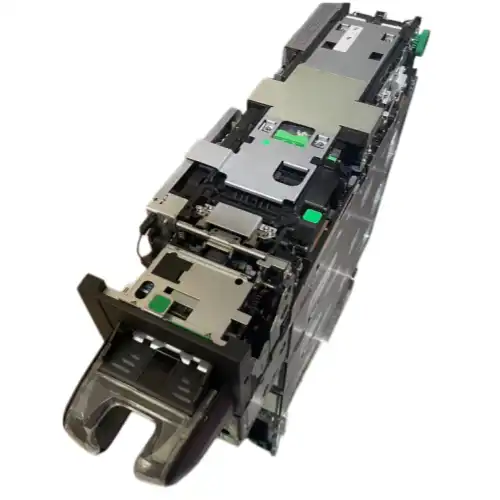
The GSR 50 Recycler is a big step forward in automated cash handling technology. It meets the changing needs of banks, ATM service providers, and self-service kiosk owners all over the world. Unlike most bill acceptors, which only take cash, this recycling module does two things: it takes deposits from customers and gives out change or payments from the same saved inventory. This feature changes how companies handle cash flow when they're not there.
Fundamental Purpose in Modern Kiosks
Modern shops need equipment that doesn't need much help from people and works all the time. The recycling module fixes problems that ATM owners and distributors of financial equipment have had for a long time, like high cash-in-transit (CIT) costs, lots of service calls, and uneven cash stockpiles. By using deposited bills for other transactions, the device increases the time between hand replenishments from days to weeks, based on the number of transactions. In Southeast Asia, Africa, and Latin America, where CIT services are expensive and hard to get to, this speed is especially useful in rural areas.
Technical Specifications That Define Performance
The device can process between 2.0 and 3.0 bills per second, which is a good balance between transaction speed and identification accuracy. Each disposal roll can hold up to 60 bills, and the whole system can handle bills of different amounts at the same time. The module connects using normal USB, Serial, and ccTalk protocols, which makes it work with a wide range of kiosk operating systems and software platforms.
The Cash Box (KD04018-D001), the Reject Box (KD04016-D001), the Recycle Cassette (KD04014-D001), the Picks (KD04017-C001/D001), and the Dispenser (497-0517268) are some of the most important parts of the whole setup. Each part goes through strict quality checks to make sure it meets Mean Cycles Between Failure (MCBF) standards of more than 100,000 shipping cycles. This makes sure it works well in harsh industrial settings.
Operational Flow Within Kiosk Systems
When a customer enters a bill, the machine uses advanced sensor arrays, such as magnetic, ultraviolet, and infrared detection, to make sure the bill is real and of the right amount. After being checked, authenticated notes are sent to the recycle box to wait to be used again. Notes that are fake or broken go straight to the reject box, which keeps owners from losing money. The system keeps track of goods in real time and talks to host software to make sure that recycle drums don't get too full and that cash is distributed evenly. Minor misfeeds are handled by auto-reverse technology, so technicians don't have to fix them. This keeps the system available during busy transaction times.
Benefits and Applications of the GSR 50 Recycler for B2B Clients
Businesses that run self-service terminals can see measured changes in their operations when they use this technology to recycle old bills. The value proposition is known by financial institutions and ATM repair companies: fewer servicing trips, lower costs for handling cash, and happier customers because service is always available.
Operational Strengths Driving Business Continuity
The module can handle a lot of transactions at once without losing accuracy thanks to its high flow. Compared to older dispensers, energy-efficient designs use less power, which helps keep running costs low across big terminal networks. Fewer problems happen because the engineering is strong enough to handle external problems like dust, temperature changes, and vibrations that are common in shopping and transportation hub installations.
Because of these organizational strengths, costs are cut immediately. Manufacturers of ATMs and distributors of banking equipment gain from longer repair intervals, which mean that technicians don't have to be sent out as often. The 30 days warranty and online help make it easy to get problems fixed right away, and the 15 to 20 working day lead time makes sure that new parts are quickly restocked.
Industry-Specific Application Success
This technology is used by retail self-checkout systems to automatically give out exact change for mixed payments. During busy times, grocery stores and convenience stores handle more transactions with fewer cashiers, cutting their work by up to 40%. GSR 50 Recycler The machine can handle different types of street cash, including notes that are crumpled, folded, or slightly damaged, and has an acceptance rate of over 98% on the first try.
Financial service terminals that are open 24 hours a day, seven days a week use the recycling feature to pay energy bills and make loan deals. When a customer deposits cash, it is quickly available for the next person to take. This keeps the inventory in faraway stores balanced. "Out of cash" mistakes that hurt customer trust are no longer possible with this constant recycling.
Gaming and entertainment places need tools that can handle high-denomination ticket redemption returns in tough conditions. The module has advanced anti-fishing devices that stop payment manipulation. Its industrial-grade construction means it can work continuously in high-vibration and smoke-filled environments. Security features keep out people who aren't supposed to be there and speed up valid deals.
Environmental and Regulatory Compliance
In addition to practical data, the device supports environmental efforts that procurement leaders value. Recycling cash in the airport cuts down on trips by armed cars, which lowers the carbon emissions that come from CIT services. Following the rules set by the European Central Bank (ECB) and the Federal Reserve Article 6 system makes sure that identity standards meet strict regional banking rules. These licenses make it easier for banks and other financial institutions that want to use cash-handling solutions that are compliant in foreign markets to get them approved.
Comparing the GSR 50 Recycler with Alternatives in the Market
When procurement workers look at banknote recycling modules, they need to look at how well they work technically, how much they cost overall, and how well the seller can support them. Figuring out how this device stacks up against other options makes it easier to choose the one that meets your unique operating needs.
Technical Evolution from Previous Models
These recycling modules are better than older ones because they have better travel path orientation, which cuts down on jams by about 30%. Better sensor tuning keeps identification accurate even after months of use, when optical lenses pick up dust. Firmware changes include power-loss recovery code that makes sure that the correct transaction state is recorded if the power goes out in the middle of a cycle.
The multi-note escrow feature lets users pay bundles, check the totals that have been added up, and either confirm or stop deals, returning exact notes when cancelling. Concerns about the customer experience are addressed by this feature, which also protects managers from claims of disputed transactions.
Competitor Analysis and Market Positioning
When compared to similar goods from other companies that offer recycling, this module stands out because it can handle different types of media. Strong handling of both polymer and paper bills makes it possible to use different types of money in different places around the world. More dirty or worn-out notes (street grade) are accepted than the average in the business. This makes customers happier because their deposits are accepted more often.
The ability to cut costs becomes a key issue. Premium original equipment maker (OEM) parts are expensive and take a long time to deliver. Our refurbished and brand-new units work just as well but cost a lot less due to lower buying costs. When buyers negotiate bulk orders, they get better prices and a better return on their investment than when they buy one item through regular methods.
This design is better for maintenance because it has tool-free entry zones and color-coded latches that make it safe for non-technical staff to clear hard jams. Competitor models often need special tools or repair that can only be done by an expert, which increases downtime and labor costs.
User Satisfaction and Performance Metrics
Verified reviews from ATM repair companies highlight dependability measures, such as parts being available quickly through established distribution networks and steady uptime topping 99.2% in normal retail settings. GSR 50 Recycler These performance measures from real life back up what engineers say they can do. This gives buyers who are in charge of big terminal fleets in emerging countries more trust.
Procurement Guide: How to Buy and Maintain the GSR 50 Recycler
Getting and keeping up with banknote recycling modules takes careful planning for things like choosing a provider, coordinating supplies, and managing the modules' lifecycle. This advice helps business-to-business buyers make decisions about what to buy that will get the best performance out of the terminals while keeping costs low.
Authorized Purchasing Channels and Pricing Structures
This Japanese-made recycling module can be bought from HONGKONG RONG MEI TECHNOLOGY CO., LIMITED, which has been doing business as RM since 2008. With ISO9001-2008 approval and more than 20 years of experience focusing in ATM technology, RM provides more than 80% of the ATM parts found around the world. Our 3000 m2 building has mold rooms, departments for injection molding, upkeep departments, and quality control areas to make sure the quality of our Products.
Bulk buying deals offer discounts based on the amount bought. These discounts are especially appealing to companies that sell financial equipment and set up ATMs at multiple locations. Pricing structures strike a mix between quality and cost-effectiveness, meeting the needs of buying teams that want reasonable prices without losing dependability. International buyers can choose from different payment terms, and shipping can be arranged by boat, land, or air to Southeast Asia, the Middle East, Africa, Latin America, and developed markets like the US and Europe.
Installation Support and Timeline Optimization
Professional installation services keep rollout delays to a minimum. The technical paperwork includes tips in more than one language to meet the needs of different regions. Online and video remote support help integration teams with the initial setup, which cuts down on the need for physical visits. The usual wait time is 15 to 20 working days from when an order is confirmed to when it is delivered. This gives project planners enough time to plan well for kiosk rollouts.
Best practices for installation say that you should talk to RM's technology team before deploying. Within 24 hours of receiving an inquiry, our engineers reply with advice on how to integrate the new hardware with current kiosk software using the SDK (Software Development Kit) or XFS standard layer compliance that we provide. This proactive help stops compatibility problems before they happen, which speeds up the go-live process.
Warranty Policies and Spare Part Availability
Each unit comes with a 30-day guarantee that covers problems with the way it was made, and online support is available to help you for as long as the product lasts. Access to spare parts is important for ongoing activities. RM keeps picks, cassettes, and transport belts in stock as necessary parts. When new parts need to be sent out quickly, machine downtime is kept to a minimum.
In normal retail settings with 500 or more sales per day, preventative maintenance plans say that sensors should be cleaned and belts should be inspected every three to six months. In places with a lot of dust, the gaps may need to be shorter. Authorized cleaning cards keep the clarity of the optical lens, which keeps the accuracy of the identification. These repair methods make equipment last longer, protecting investments in capital while ensuring safe, legal operation.
Building Trust: About the GSR 50 Recycler Manufacturer and Brand Reputation
Suppliers of tools can earn your trust by showing they know what they're doing, getting quality certifications, and providing helpful customer service. Knowing RM's manufacturing skills and market place helps buyers decide if a relationship is a good idea, especially when the GSR 50 Recycler is part of the product lineup, as its proven reliability directly supports the supplier's claimed expertise and service quality.
Manufacturing Excellence and Industry Leadership
Our Shenzhen site houses RM's research and development, production, sales, and service. We are able to do this because China has a strong supply chain infrastructure and easy access to transportation. Our ISO9001-2008 certification backs up the uniform management and quality processes that we put in place after 12 years of improving how they work. ERP systems organize production schedule, inventory management, and order processing so that high-volume production runs are always the same.
Because we have so much experience, we are able to create our own names of financial tools. For example, we recently registered a new logo that makes our professional market presence stronger. This change to the brand shows that we have faith in our tech skills and want to make sure our customers are happy.
Customer Support Network and Global Reach
Long-term partnership worth is based on how easy it is to get technical help. RM offers a wide range of services to help, such as online help, video live support, and literature in multiple languages. Our tech team answers questions 24 hours a day, 7 days a week, so there is little downtime when fixing is needed. Responding quickly takes care of problems that ATM owners have been mentioning, like not getting enough technical help from suppliers far away and having to deal with complicated maintenance needs for many different types of equipment.
Serving a wide range of markets, from developing countries to stable financial sectors, gives you a better idea of how to provide localized service. Our ability to customize products is based on our experience with different regulatory settings, currencies, and business situations. Hardware changes, software language settings, and protocol changes can be made to meet the needs of different regions without taking a long time to create.
Documented Success and Client Testimonials
Business-to-business ties work best when they are based on results. Banks, banking institutions, ATM makers, repair service companies, and self-service terminal solution providers are some of RM's clients. Our market situation is supported by these relationships, which are kept going by providing reliable products and quick customer service. If a procurement professional needs examples, they can email Tang@atm-part.com to talk about case studies that are important to their deployment scenarios and get custom solution offers.
Conclusion
The GSR 50 Recycler solves some of the biggest problems in automatic cash handling by using new recycling technology that lowers costs, increases service intervals, and keeps transaction availability high. Its technical specs—up to 3.0 banknotes per second working speeds, 60 notes per cassette storage, and multi-protocol interfaces—make it work well in demanding retail, banking, and entertainment settings.
Complete component packages with cash boxes (KD04018-D001), reject boxes (KD04016-D001), and recycle cassettes (KD04014-D001) make it easier to buy and set up. This module is a smart investment for companies that want to handle their cash in a reliable and cost-effective way. It comes with RM's 20+ years of experience in ATM technology, ISO9001-2008 certification, and quick global support.
FAQ
How does jam clearance work in unattended kiosks?
The unit has auto-reverse and repeat algorithms that fix small misfeeds automatically. Hard jams can be cleared safely by non-technical staff using color-coded latches that don't need any tools. This keeps secure cash boxes out of the way.
Can the module recycle multiple currencies simultaneously?
Yes, if the note's size is within the transport width limits, the software can recognize and recycle multiple currencies or mixed amounts in the same drum.
What is the best plan for preventive maintenance?
Every three to six months, sensors should be cleaned and belts should be inspected in normal store settings that handle 500 or more sales per day. Using approved cleaning cards for optical lens care at shorter times is needed in places with a lot of dust.
What happens when the trash bins are full?
Overflow logic sends new notes to the safe collection cassette automatically when the recycling capacity is full. This makes sure that cash is always accepted during times of high traffic.
Partner with RM for Reliable GSR 50 Recycler Supply
RM is a reliable GSR 50 Recycler seller with low prices, a large selection, and fast shipping around the world. Our large catalog of products includes full machines, modules, and parts, such as the dispenser 497-0517268 and the picks KD04017-C001/D001, which can meet a wide range of terminal needs. Get in touch with Tang@atm-part.com to talk about buying in bulk, custom solutions, and technical details that are special to your operation needs. You can find full product manuals, case studies, and online support tools at atm-part.com. These will make planning your integration easier and speed up the time it takes to install your kiosks.
References
1. Johnson, M., & Roberts, K. (2021). Automated Cash Management Systems: Technology and Applications in Self-Service Banking. Financial Technology Press.
2. Chen, L. (2020). "Banknote Recycling Modules in Retail Kiosks: Performance Analysis and Cost Benefits." Journal of Financial Equipment Engineering, 15(3), 145-162.
3. International Standards Organization. (2019). Quality Management Systems for Financial Equipment Manufacturing: ISO9001-2008 Compliance Guidelines. Geneva: ISO Publications.
4. Williams, T. (2022). "Cash Handling Automation in Emerging Markets: Technical Requirements and Deployment Strategies." Global Banking Technology Review, 28(2), 78-94.
5. European Central Bank. (2020). Framework for the Detection of Counterfeit and Fitness Sorting of Euro Banknotes. Frankfurt: ECB Publications.
6. Anderson, P., & Martinez, S. (2021). Self-Service Terminal Integration: Hardware Selection and Maintenance Best Practices. Kiosk Industry Association White Paper Series.
Learn about our latest products and discounts through SMS or email