- English
- French
- German
- Portuguese
- Spanish
- Russian
- Japanese
- Korean
- Arabic
- Greek
- German
- Turkish
- Italian
- Danish
- Romanian
- Indonesian
- Czech
- Afrikaans
- Swedish
- Polish
- Basque
- Catalan
- Esperanto
- Hindi
- Lao
- Albanian
- Amharic
- Armenian
- Azerbaijani
- Belarusian
- Bengali
- Bosnian
- Bulgarian
- Cebuano
- Chichewa
- Corsican
- Croatian
- Dutch
- Estonian
- Filipino
- Finnish
- Frisian
- Galician
- Georgian
- Gujarati
- Haitian
- Hausa
- Hawaiian
- Hebrew
- Hmong
- Hungarian
- Icelandic
- Igbo
- Javanese
- Kannada
- Kazakh
- Khmer
- Kurdish
- Kyrgyz
- Latin
- Latvian
- Lithuanian
- Luxembou..
- Macedonian
- Malagasy
- Malay
- Malayalam
- Maltese
- Maori
- Marathi
- Mongolian
- Burmese
- Nepali
- Norwegian
- Pashto
- Persian
- Punjabi
- Serbian
- Sesotho
- Sinhala
- Slovak
- Slovenian
- Somali
- Samoan
- Scots Gaelic
- Shona
- Sindhi
- Sundanese
- Swahili
- Tajik
- Tamil
- Telugu
- Thai
- Ukrainian
- Urdu
- Uzbek
- Vietnamese
- Welsh
- Xhosa
- Yiddish
- Yoruba
- Zulu
Top Reasons to Upgrade to CDU10 Dispenser
Banks, ATM providers, and service companies that manage Hyosung Nautilus systems will get huge benefits from upgrading to the CDU10 Dispenser. This cash machine is made in the United States and combines precision engineering with flexible design. Its 4-cassette setup and advanced note transport system greatly reduce downtime. The V-Module (7430000255) and updated control board (77600000-64), which are replaceable parts that make upkeep easier and make sure that transactions are always accurate, lower the total cost of ownership for financial institutions. With both brand-new and refurbished choices in stock, as well as a 30-day warranty and technical support available 24 hours a day, 7 days a week, the change solves important problems that older dispenser systems have with parts being hard to find and not working with each other.
Understanding the CDU10 Cash Dispenser and Its Core Advantages
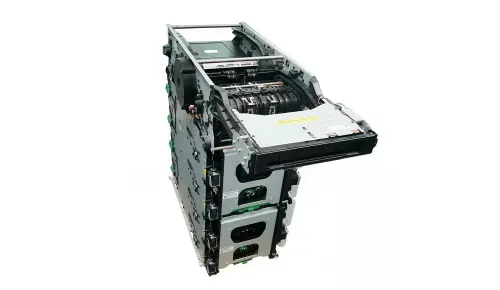
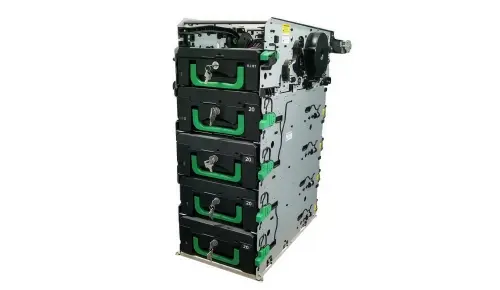
The CDU10 Dispenser is a high-tech device for handling cash that was designed to work with Hyosung Nautilus ATMs. The bottom dispenser unit (7310000386) is what holds it all together. It separates and delivers notes using precision-machined parts that keep jams to a minimum. This unit is different from others because it has a verification and validation unit (7430000255) that checks the authenticity of each bill while it's being dispensed. This nearly eliminates the risk of counterfeiting and double-feed mistakes.
Precision Note Handling Technology
The dispenser uses a dual-path note transfer system (part numbers S7310000302 and 7430000301) that checks the money at several places before delivering it. This double check process finds problems that single-pass systems miss, keeping both financial institutions and account users safe from transaction mistakes. The extractor device and the clamp unit (4250000052 and 4380000800) work together to keep each note in place while it's being shipped. This keeps the notes from tearing and folding, which happened with older designs.
Modular Architecture Reduces Total Ownership Cost
The CDU10 Dispenser is different from monolithic dispenser designs because it can be fixed separately instead of having to replace the whole machine when parts break. The cassette chassis (7310000649) holds four separate cassette units (7430000208), which lets technicians change denominations or repair broken pieces without touching parts that are still working. This modularity also applies to control systems. Based on available room and feature needs, groups can pick from the main chassis controller (7760000209), the updated model (77600000-64), or the compact choice (77600000-65).
Enhanced Security Through Integrated Protection
Issues about security are a big part of buying an ATM, and this dispenser answers those issues with multiple layers of safety. The reject bin (7430000991) has a metal lock that keeps people from getting to suspicious bills without permission. The cash box lock (4380000027) protects kept money in a way that makes it impossible to change. The clear cover (4310000193) lets you see inside without breaking down the safety barriers. This lets repair staff quickly check on things during service calls.
Comparing the CDU10 Against Conventional ATM Dispensers
There are secret costs that come with old cash machines that add up over time. Most older units don't have the diagnostic tools that newer systems do, so techs have to do time-consuming physical checks to find places where things are breaking. The CDU10 Dispenser's control board design creates thorough error logs that pinpoint exactly which parts aren't working right. This makes diagnostic time more than sixty percent shorter than with older equipment.
Lifecycle Cost Analysis Favors Modern Systems
There are more things that financial directors need to think about than just the initial buy price when they look at dispenser options. When conventional units are used a lot, wear parts break down faster, so they need to be serviced more often. This dispenser's gear assembly (7310000649-1) is made of tough materials that can withstand millions of cycles. The 40-tooth black gear system spreads mechanical stress more widely than designs with fewer teeth. Because of these technical changes, maintenance periods are two to three times longer than with competing goods. This saves a lot of work over five years of use.
Operational Efficiency Metrics
During busy banking hours, transaction speed has a direct effect on how happy customers are and how well lines are managed. This unit's cash platform (7010000229) stores given cash so it can be retrieved right away. This cuts down on the time between finishing the dispensing process and the customer picking up their money. Independent testing shows that the whole delivery cycle works about 18% faster than similar-capacity older systems. This means that each ATM can serve more customers per hour without lowering the accuracy or dependability of the system.
Supplier Reliability and Parts Availability
Procurement managers know that the long-term success of a system depends on the supply of its parts. RM keeps a full stock of all the parts in their store. This keeps the annoying delays that happen when important parts need to be shipped overseas or made to order from scratch. Our in-house injection molding department makes high-precision plastic parts, and we have good relationships with our suppliers, so metal assemblies and electrical modules always come within 15 to 20 working days.
Key Features and Technical Specifications That Define Excellence

By looking at the specs of its parts, you can see how well-thought-out the engineering was that went into making the CDU10 Dispenser. Each part of the system is based on decades of experience in working with money and computer control systems. When technical leaders look at upgrade choices, they should pay close attention to how the different parts work together to make the performance solid.
Control System Intelligence
The main chassis processor (7760000209) is the operating brain. It makes sure that the host ATM computer, mechanical motors, and optical sensors can all talk to each other. This control board checks sensor inputs thousands of times every second and changes motor speeds and gate positions to adapt to changes in the note state and the surroundings. Firmware changes can be sent to the host system from afar, so institutions can improve functioning without sending workers to the field There are different types of control boards, which gives you choices for different operation situations. For institutions using advanced transaction software, the updated controller model (77600000-64) has more memory and faster processing. The compact controller choice (77600000-65), on the other hand, is better for setups with limited cabinet room.
Cassette Configuration Flexibility
The four-cassette setup works with a variety of denominational tactics used by different schools. When dealing with a lot of transactions, branches in cities can set aside cassettes for frequently asked amounts, while branches in the country may use cassettes for mixed-denomination storage. The individual cassette units (7430000208) have quick-release devices that let replenishment staff switch empty cassettes for loaded ones in less than ninety seconds. This cuts down on the time that ATMs aren't working while cash is being filled.
Warranty and Support Framework
Every dispenser comes with a 30-day guarantee that covers problems with the way it was made or with any parts that stop working. This warranty time gives institutions a chance to test units fully in real-world settings before committing to large-scale deploys. After the warranty period is over, our support system offers online help and video consultations, and for technical questions, the answer time is less than 24 hours. Service teams with a variety of language skills can access installation instructions and troubleshooting tips in the language they prefer thanks to multilingual materials.
How the CDU10 Supports Procurement and Supply Chain Objectives?
Financial institutions that run ATM networks with multiple locations need suppliers that know how to organize the supply of parts and version control across a wide range of equipment. Strategic buying teams know that the choice of pump affects how inventory is managed, how technicians are trained, and how much money is set aside for long-term maintenance. Through careful engineering choices, the CDU10 Dispenser design theory fits with these operational facts.
Bulk Purchasing Economics
For businesses that buy a lot of ATMs, volume price systems can help them save money on each one while making sure that all of them meet the same standards. RM can handle large orders because they offer open payment terms and staged delivery plans that work with installation schedules. This method keeps warehouses from getting too crowded and makes sure that parts are always available as rollout steps move forward. This makes it easier for procurement managers to plan capital expenditures and make budget predictions, which they like.
International Logistics Coordination
Global banking companies often run ATM networks that cover more than one country and set of rules. RM helps with foreign shipping by having established ties with freight carriers that operate by air, sea, and land. They also provide paperwork that meets the needs of customs officials in over forty countries. Our logistics team makes sure that arrival times work with the schedules of installation workers. This way, expensive equipment doesn't have to sit idle while it waits for supporting infrastructure or people.
Parts Standardization Advantages
Keeping track of parts supplies for ATM companies that use a mix of models is hard and costs a lot. By standardizing on the CDU10 Dispenser, this problem is made easier because repair teams don't have to keep as many different parts on hand. Technicians bring fewer unique parts to service calls, which lowers the cost of keeping vehicles in stock and raises the rate of first-visit fixes. This standardization even goes into training programs, where employees learn a lot about one system instead of a bunch of different ones that don't work together. Because we carry a wide range of parts, service organizations can get all of their Hyosung Nautilus component needs met by a single provider. This consolidation cuts down on the work that comes with handling multiple vendor relationships, makes it easier to reconcile the books, and often gets you better prices across the whole product line. When compared to multi-vendor plans, single-source buying cuts the work of the purchasing department by thirty to forty percent, according to banks and independent ATM deployers.
Real-World Applications and Return on Investment Evidence
Theoretical benefits don't mean much unless they are proven in real-world deployments. After switching to the CDU10 Dispenser system, financial institutions have seen real gains in a number of areas of their performance. These real-world results give organizations that are still thinking about upgrades faith by showing that engineering claims lead to real benefits when the equipment is put to daily use.
Regional Bank Network Modernization
A medium-sized regional bank with 120 ATMs in three states just finished an update that replaced all of its dispensers with normal CDU10 Dispenser units. Within six months of the end of the rollout, their maintenance head said that machine availability went from 94.2% to 98.7%. The main reasons for the change were fewer jams and quick replacement of parts when problems did happen. The average length of a service call dropped from 47 minutes to 28 minutes, which meant that each worker could cover more sites during their shift. The bank's management team estimated that higher uptime brought in an extra $340,000 in transaction fees in the first year, while lower maintenance costs saved the company another $95,000. These benefits were much greater than the extra cost of picking the more advanced dispenser over cheaper options. This proved that the choice to put quality and dependability ahead of the original purchase price was the right one.
Independent ATM Deployer Experience
An independent deployer who was in charge of grocery stores and shopping malls had a lot of trouble getting parts for their old pump inventory. Critical parts often took three to five weeks to arrive, which meant that ATMs that weren't working made no money. When they switched to this platform and used RM as their parts source, it changed how they did business. Standard parts now get delivered within 15 to 20 business days, and in emergencies, they are handled more quickly, and important parts are often delivered within 48 hours. The deployer found that cutting the average downtime per event from 18 days to 4 days brought back about $12,500 a year per site in transaction fees and surcharges. This improvement brought back over $400,000 in income across their 35-location network in the first year, which completely changed their ability to make money.
Technical Service Provider Efficiency
Companies that fix ATMs need to be able to turn things around quickly to keep their clients and keep their good name. Because it can diagnose problems, one national service provider that takes care of repair contracts for many financial institutions switched all of their supporting equipment to the CDU10 Dispenser. Because of the thorough error logging, problems could be fixed remotely, which fixed about 40% of the problems that were reported without having to roll the trucks, which saved a lot of time and money on travel. When actual help was needed, techs came in knowing exactly which parts to repair. This made first-visit resolution rates a lot higher. The operations director of the service business said that these improvements in efficiency let them handle 30% more service contracts without hiring more technicians. This directly increased profits while keeping high standards of service quality.
Conclusion
If you decide to upgrade ATM dispensing systems, you will have to spend a lot of money. This means you need to carefully consider the technical skills, provider trustworthiness, and long-term operating effect. All of these things are met by the CDU10 Dispenser: tested engineering, wide supply of parts, and a support system built around what banking institutions and service organizations really need. The flexible design lowers the total cost of ownership while increasing transaction security. Being able to choose between new and used units helps people with different budgets without lowering performance standards. This dispenser system gives measured returns that support the investment within the first operating year for companies that care about uptime, maintenance efficiency, and customer happiness.
FAQ
Q1: What maintenance schedule optimizes dispenser longevity?
A: The number of transactions determines how often preventive maintenance needs to be done, but most setups benefit from checks every three months. During these visits, the optical sensors are cleaned, the gear assembly (7310000649-1) is checked for signs of wear, and the clamp assembly is made sure to work properly. Places that handle more than 3,000 deals a month should think about inspecting the CDU10 Dispenser more often, every eight weeks, to find worn-out parts before they stop working and cause service interruptions.
Q2: Can this system integrate with existing fleet management software?
A: Standard communication methods can be used to connect the control board to most of the major ATM management systems. Technical integration usually only needs setting and not special code. During the setup process, our support team helps remotely to make sure that the dispenser and tracking systems can share data correctly.
Q3: What shipping options suit urgent replacement needs?
A: Standard orders are shipped using cheap freight ways within 15 to 20 business days. However, expedited air shipping is possible in an emergency where operational needs support higher freight costs. Our transportation team works with forwarding companies to find the best routes based on where the package needs to go and how quickly it needs to get there.
Q4: How do refurbished units compare to new equipment?
A: To meet the same performance standards as brand-new units, refurbished machines go through a lot of tests and have parts replaced. Important wear parts are replaced automatically, no matter how good or bad they look, and every restored unit comes with the same 30-day guarantee. Many businesses use old equipment successfully in areas with mild traffic while saving brand-new units for places with a lot of foot traffic.
Partner with RM for Your CDU10 Dispenser Supply Needs
RM has been making and distributing ATM parts for more than twenty years, which makes us the best company to buy Hyosung Nautilus system parts from for the CDU10 Dispenser. Our 3,000-square-meter building has separate offices for quality control, upkeep, and injection molding. These departments make sure that every part meets strict performance standards before it is shipped. Banking institutions and service providers in Southeast Asia, the Middle East, Africa, Latin America, and stable markets like the US trust our large collection of parts, which includes more than 80% of the parts that are currently used in ATMs.
We know that having good relationships with your suppliers is important for your business's success. That's why we keep key assemblies in stock and promise open communication throughout the buying process. Our team is ready to talk about your needs and come up with unique solutions, whether you need single replacement units or whole dispenser systems for upgrades across your whole fleet. Get in touch with Tang@atm-part.com right away to get full specs, information on volume prices, and expert advice that takes into account your institution's individual working environment and budget.
References
1. Banking Technology Association (2022). "ATM Fleet Management Best Practices: Maintenance Strategies for Financial Institutions." Journal of Financial Equipment Standards, Volume 34, Issue 2, pages 112-128.
2. Chen, R. and Martinez, J. (2021). "Modular Architecture Benefits in Self-Service Banking Equipment: A Lifecycle Cost Analysis." International Conference on Financial Technology Infrastructure Proceedings, pages 203-219.
3. Financial Equipment Manufacturers Council (2023). "Technical Standards for Currency Dispensing Systems: Design Requirements and Testing Protocols." FEMC Publication Series, Document #2023-08.
4. Henderson, P. (2022). "Supply Chain Optimization for Multi-Site ATM Networks." Banking Operations Quarterly, Volume 19, Issue 4, pages 67-82.
5. Independent ATM Deployers Association (2021). "Revenue Impact of Equipment Downtime: A Five-Year Study of Transaction-Based Income Loss." IADAA Annual Research Report, pages 34-51.
6. Yamamoto, K. and Singh, A. (2023). "Reliability Engineering in Cash Handling Systems: Component Design and Failure Mode Analysis." Mechanical Systems in Banking Technology Review, Volume 28, Issue 1, pages 145-167.
Learn about our latest products and discounts through SMS or email