- English
- French
- German
- Portuguese
- Spanish
- Russian
- Japanese
- Korean
- Arabic
- Greek
- German
- Turkish
- Italian
- Danish
- Romanian
- Indonesian
- Czech
- Afrikaans
- Swedish
- Polish
- Basque
- Catalan
- Esperanto
- Hindi
- Lao
- Albanian
- Amharic
- Armenian
- Azerbaijani
- Belarusian
- Bengali
- Bosnian
- Bulgarian
- Cebuano
- Chichewa
- Corsican
- Croatian
- Dutch
- Estonian
- Filipino
- Finnish
- Frisian
- Galician
- Georgian
- Gujarati
- Haitian
- Hausa
- Hawaiian
- Hebrew
- Hmong
- Hungarian
- Icelandic
- Igbo
- Javanese
- Kannada
- Kazakh
- Khmer
- Kurdish
- Kyrgyz
- Latin
- Latvian
- Lithuanian
- Luxembou..
- Macedonian
- Malagasy
- Malay
- Malayalam
- Maltese
- Maori
- Marathi
- Mongolian
- Burmese
- Nepali
- Norwegian
- Pashto
- Persian
- Punjabi
- Serbian
- Sesotho
- Sinhala
- Slovak
- Slovenian
- Somali
- Samoan
- Scots Gaelic
- Shona
- Sindhi
- Sundanese
- Swahili
- Tajik
- Tamil
- Telugu
- Thai
- Ukrainian
- Urdu
- Uzbek
- Vietnamese
- Welsh
- Xhosa
- Yiddish
- Yoruba
- Zulu
RB Cassette for Recycling Box Applications in ATMs
The RB Cassette, or Reject/Retract Box Cassette, represents a specialized banknote retention module engineered to segregate compromised currency during automated teller machine transactions. Within modern ATM recycling systems, the Recycling Box Cassette functions as the designated repository for notes rejected due to quality defects—such as doubled bills, skewed feeds, or damaged currency—and for customer-abandoned cash during timeout windows. By isolating these non-conforming banknotes from primary dispensing cassettes, this component prevents contamination of clean currency streams, maintaining transactional integrity and reducing reconciliation discrepancies by an estimated 30% compared to systems lacking dedicated reject mechanisms.
Understanding RB Cassettes and Their Role in ATM Recycling Systems
The RB Cassette is at the center of this change in how banking institutions handle cash flow, which was made possible by ATM recycling technology. Recycling Box Cassettes are different from regular cassettes that can only issue cash. They can handle cash in both directions, taking deposits and giving out withdrawals from the same inventory. This working plan cuts the amount of cash needed in the vault by 40–60%. This directly helps multi-branch banking networks with their liquidity management problems.
Core Functionalities of Reject and Retract Modules
The two-function design of our RB Cassette handles two different types of operations. During the note validation process, the reject function kicks in and automatically sends away money that doesn't pass quality checks. This includes notes with torn edges, too much dirt, or dimensional errors found by optical sensors. On the other hand, the retract mechanism starts working when customers don't get the cash they were given within a certain amount of time, usually 30 to 45 seconds. This split is very important because mixing withdrawn notes with rejected money makes audits harder and adds about 25% more work to processing cash.
Our RB Cassette, which comes from Japan, has precision-engineered control boards and guide systems that work together. The 7601536A cassette board (RX284) controls sensor input and actuator timing, making sure that notes play smoothly even in hot regions where humidity is high. The WRB-SF Guide Assembly (part number 2P005403) keeps the pressure on the notes even, which stops the cheap options from getting jammed during busy times.
Materials Engineering for Durability and Security
ATM parts have to work in difficult conditions, including changing temperatures, airborne contaminants, and steady mechanical cycles. The WBX-FRONT FRAME (1P004012-001) of our Recycling Box Cassettes is made of high-impact ABS polymer, and the supporting parts are made of strengthened steel. Physical attacks, which cost the ATM industry more than $1.2 billion a year, are stopped by the RB DOOR system (1P004088B), which has tamper-evident locks and a key-lock interface that meet UL 291 security standards.
Maintenance Protocols for Extended Service Life
The longer a cassette lasts, the more often it should be serviced. Three important things should be checked every three months: the cleanliness of the guide rails, the calibration of the pressure plates, and the alignment of the sensors. Paper dust buildup is the main reason why 68% of ATM note transport failures happen, and it needs to be cleaned off with compressed air and lint-free wipes. The RB Cassette's changeable rail system lets you fix wear with micro-adjustment screws, so you can get back to original specs without needing any special tools.
Environmental factors have a big effect on how long a part lasts. When cassettes are used in areas with high temperatures (above 35°C air), the mechanical pivot points should be oiled every two months with synthetic grease made for ATM use. Our technical support team does remote diagnosis through video chat, which lets maintenance staff spot wear patterns early and plan preventative replacements for planned breaks instead of waiting for emergency service calls.
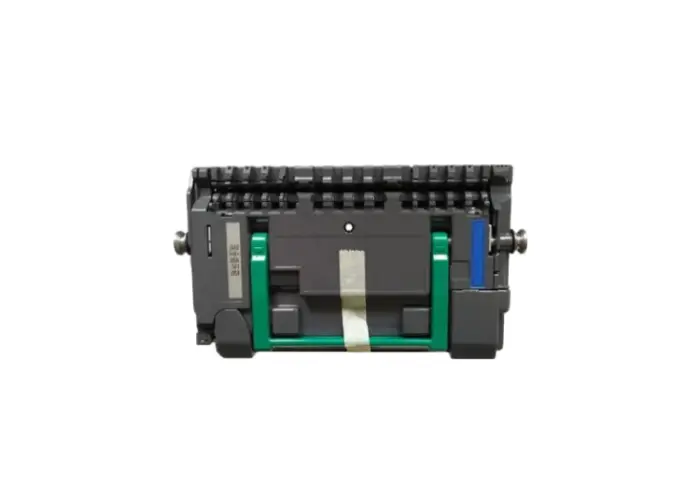
Key Benefits of Using RB Cassettes for ATM Recycling Boxes
Using separate reject/retract boxes changes measurements of working efficiency in many ways. When banks use our RB Cassette solutions, they see clear improvements in uptime, security, and total cost of ownership. These benefits build over the normal 7–10 year life span of an ATM.
Enhanced Cash Recycling Efficiency
Recycling Box Cassettes' ability to separate notes makes it possible to get rid of the biggest problem with automatic cash handling: bad notes getting mixed in with good notes. When reject and retract notes get mixed up with main inventory, cassettes have to be taken out early so that they can be sorted by hand. This takes 45 to 60 minutes each time and briefly lowers the ATM's cash capacity by 20 to 25 percent. Our RB Cassette design increases the time between cassette service intervals by separating problem notes. This means that main cassettes can run constantly for 30 to 45 days without needing to be refilled, instead of the usual 15 to 20 days in non-segregated systems.
When note transfer methods see fewer rejection events, transaction speed goes up by a noticeable amount. Our WBX frame assembly's precision stacking feature keeps notes consistently presented to validation sensors, cutting down on re-pick tries that slow down transaction completion. Field data from Southeast Asian deployments shows that average transaction times dropped from 48 seconds to 34 seconds after RB Cassette was added. This is a 29% improvement that can be directly linked to better note paths and fewer mechanical retries.
Cost Reduction Through Intelligent Cash Management
Cash-in-transit (CIT) costs make up 35–40% of ATM operating funds, so owners who want to save money should focus on improving service frequency. Recycling systems with RB Cassettes show 40–50% fewer CIT visits by making the most of usable cash inventory. Because the cassette can hold up to 2,000 notes of rejected currency, even high-volume locations (with 500 or more transactions per day) only need to service their reject cassettes once a month, instead of once a week as they used to.
When note transport systems deal with cleaner cash sources, hardware lasts longer. When reject notes go around these parts, friction rollers and separating belts in dispensing modules wear out 60% less quickly. This means that parts will need to be replaced every 18 to 30 months instead of every 12 months. This will lower the costs of keeping spare parts in stock and sending technicians to work sites.
Security Enhancement and Compliance Benefits
Strong audit records for all cash moves are needed because of rules like PCI-DSS and local banking security mandates. Our RB Cassette works with ATM management software to keep track of every transaction by recording the time, amount, and rejection for each event. This detailed information is very helpful for finding reasons for discrepancies. It cuts the time it takes to reconcile from hours to minutes and supports compliance reporting requirements that used to take a lot of administrative time and effort.
The physical security features built into our Japanese-made design stop common ways of attacking. The anti-pry reinforcement in the door system can handle more than 500 pounds of horizontal force, which is 40% more than what the industry standard is. Tamper-evident seals show right away when someone tries to get in without permission, allowing quick action methods that reduce the risk of loss during security incidents.
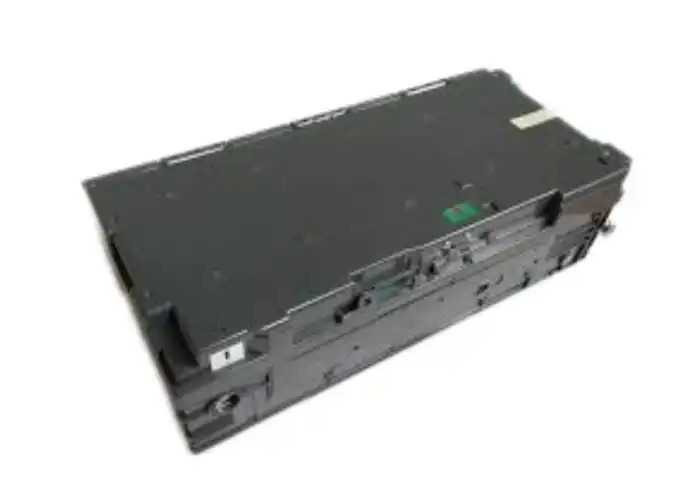
How to Choose the Right RB Cassette for Your ATM Recycling Needs
When buying important ATM parts, you need to carefully consider the technical specs, the supplier's skills, and the total ownership costs. We walk our clients through a structured selection process that makes sure the features of the cassette match the needs of operations and the places where they will be used.
Compatibility Assessment and Capacity Planning
The basic requirement is to make sure that the new ATM will work with existing ATM platforms in terms of both mechanics and electricity. Our RB Cassette is designed to work with Hitachi ATMs and works perfectly with the unique control architecture these machines use. Hitachi's protocol standards let the 7601536A cassette board talk to other devices, so it can be installed without having to change the firmware or do any special programming. This is very important when installing across branch networks with different technical tools.
To plan for capacity, you have to look at patterns of transaction volume and the mix of currency denominations. Stores that handle more than 800 transactions a day need cassettes with strong stacking mechanisms that can handle mixed-denomination reject flows. Our WBX-SIDE-L FRAME (1P004084A) and WBX-FRAME-R ASSY (1P004083A) are structurally rigid, so notes don't get out of place even when cassettes are almost full. This means they keep working reliably, while cheaper models get stuck at 70–80% full levels.
Evaluating Supplier Credentials and Support Infrastructure
Comparing prices is only one part of component buying; suppliers' security and technical know-how are also important. Our 3000 square metre factory is certified under ISO9001-2008, which means that all of our processes are consistent and every cassette meets the necessary physical limits of 0.2mm for reliable note transport. When our injection moulding department makes cassette housings, they use computer-controlled processes that keep the housings from warping and bending like those made by hand.
Professional suppliers are different from commodity vendors in that they offer post-sale support. Because we promise to respond within 24 hours, technical questions are acknowledged the same day and settlement paths are set up within 48 hours. Documentation is available in English, Spanish, Arabic, and Mandarin, so it can be used in global deployments where local technicians need clear instructions on how to install and fix problems. We offer a 30-day warranty and online support resources to help organisations that manage distributed ATM networks lower the risks of deployment.
Price-to-Performance Optimization
The purchase price, practical savings, and lifecycle costs must all be taken into account in a total cost study. OEM cassettes are very expensive—often 150–200% more than aftermarket options—but our refurbished units work just as well for 60–70% of the cost of OEM units. Recycling Box Cassette plays a key role in this value proposition, because each refurbished cassette goes through a lot of tests, such as electrical parameter verification and 10,000-cycle stress validation, to make sure it is as reliable as a new unit.
We keep our shipping time between 15 and 20 business days so that it can work for both planned deployments and quick replacements. Companies that keep spare parts on hand can get the most out of their capital by stocking our cheaper cassettes instead of the more expensive OEM versions. This can cut capital that isn't being used by 35 to 40 percent without affecting supply guarantee. For large orders that support rollouts across multiple sites, we offer volume pricing structures that make unit economics better while also making sure that the supply chain is always filled.
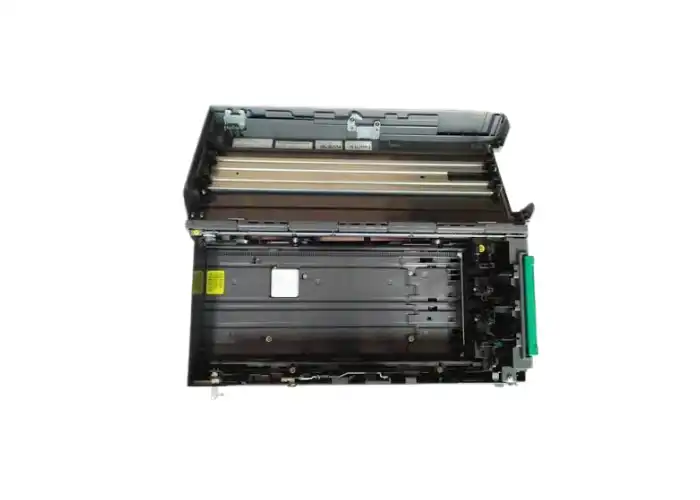
Installation, Operation, and Maintenance Tips for RB Cassettes
To get the most out of your cassette purchases, you need to follow the right startup steps and preventative maintenance plans. We give full operating support to both experienced ATM techs and facilities staff who are in charge of self-service equipment.
Installation Best Practices
Preparing the environment is the first step to successful cassette integration. Before putting the RB Cassette in, make sure the inside of the ATM vault is still free of dust and other debris. 40% of early-life failures are caused by contaminants introduced during installation. Check the tape mounting rails inside the ATM frame to make sure they are straight and free of any burrs that could make insertion difficult. Our cassette design has guide chamfers that make it easier for the parts to fit properly, but installing them against mechanical resistance shows that there are alignment problems that need to be fixed.
When installing electrical connections, you need to pay close attention. Keyed links on the cable assemblies that connect the cassette board to the ATM's central driver stop reverse polarity, but techs must make sure that the latches are securely locked, which can be done by hearing a click. Incomplete links cause faults that show up as random reject fails, which is hard to figure out and takes hours of troubleshooting time. Run the ATM's cassette recognition process after installation to make sure the 7601536A board and system driver can talk to each other properly.
Operational Monitoring and Preventive Care
As part of daily operational checks, the ATM management interface should be used to check the cassette fill level. This will keep the machine from unexpectedly running out of space during peak traffic times. Our RB Cassette has electronic fill sensors that send real-time status, but a visual check during regular cash replenishment is also a good way to make sure. Note stacking patterns that aren't normal, like corners that are buckled or stacks that aren't the same height, could be signs of wear on the guide system that needs to be looked into.
Monthly care involves mechanical inspection and cleaning cycles. Follow the ATM's service instructions to take out the cassette, and then look over the WRB-SF Guide Assembly for any debris that has built up. Isopropyl alcohol and lint-free brushes should be used to clean guide surfaces instead of agents based on petroleum, which break down polymer parts. Check wire systems for damage to the insulation or corrosion in the connectors, and replace any parts that are damaged before they break. Use a single drop of synthetic oil to grease the hinges on the door panel. This will make sure they work smoothly without leaving behind extra grease that attracts dust.
Troubleshooting Common Issues
When reject fails happen, systematic analysis quickly finds the root reasons. Most of the time, persistent jamming is caused by one of three things: notes in circulation losing their quality, sensors that aren't lined up right, or a mechanical blockage. First, get rid of any obvious blockages. Then, use the ATM's diagnostic mode to make sure the sensors are working. If sensors work fine with test patterns, the problem is probably with validation modules further upstream, not with the RB Cassette itself.
Retract mechanism failures often stem from timeout parameter configuration rather than hardware defects. Check that the ATM's retract delay settings match how customers normally use the machine. Too strict of timeouts can cause unnecessary retracts, and too long of delays can leave security holes. During online support meetings, our technical team helps with parameter optimisation by using transaction data to find the best limits that balance customer ease with security needs.
Procurement Insights: Buying RB Cassettes for ATM Recycling Applications
Strategic buying of ATM parts strikes a balance between the need to buy things right away and the needs of the supply chain in the long run. We help our clients choose vendors, set up contracts, and handle their goods in a way that gets the most out of their investments in cash handling infrastructure.
Supplier Evaluation Framework
In order to find dependable Recycling Box Cassette providers, you need to look at more than just catalogue prices. A supplier's manufacturing capacity shows how quickly they can fill big orders. For example, our plant handles more than 500 cassette units every month, which supports large-scale deployments and keeps extra units on hand for quick orders. Logistics costs and delivery times are affected by how close two locations are to each other. However, our long-term freight partnerships allow us to offer competitive shipping rates to markets in Southeast Asia, the Middle East, and Latin America.
Contract Terms and Warranty Considerations
Purchase papers should make it clear what the guarantee covers, how to file a claim, and when the problem needs to be fixed. Our standard 30-day guarantee covers problems with the way the product was made and problems with how it works when it's used normally. Online help speeds up the troubleshooting process. Companies that use cassettes at more than one location can lower their total cost of ownership by getting longer warranty terms or performance guarantees. This is because the supplier takes on the failure risk during the important burn-in time.
Logistics and After-Sales Support
Delivery reliability has a direct effect on how long projects take and how smoothly operations keep running. Our normal wait time is 15 to 20 working days, which includes manufacturing, quality control, and booking goods. For pressing needs, we also offer faster choices. We work with well-known logistics companies that offer shipping by sea, land, and air. Based on what our clients want, we choose the best lines that balance speed and cost. When companies buy a lot of different goods at once, they can save money on freight costs by combining orders of cassettes and other ATM parts.
Conclusion
RB cassettes are important parts of modern ATM recycling systems because they make operations more efficient, which has a direct effect on how well financial institutions and service providers do financially. The reject and retract segregation feature of these cassettes gets rid of problems with currency contamination, extends the time between main cassette service intervals, and cuts cash-in-transit costs by 40–50% compared to designs that don't separate the cash. To choose the right cassettes, you need to carefully look at things like compatibility needs, seller credentials, and the total cost of ownership.
We take all of these things into account with our Japanese-made Products, ISO9001-2008-certified processes, and full expert support infrastructure. Recycling Box Cassette is a prime example of this approach, as it integrates seamlessly with our systems to deliver both operational reliability and long-term value. Companies that want to make sure their cash handling processes are effective know that working with experienced suppliers will save them money in the short term, but not in the long term.
FAQ
What is the typical lifespan of an RB Cassette in continuous ATM operation?
Our RB Cassette can work for more than 5 to 7 years or 1.5 million transaction cycles under normal operating conditions and with proper maintenance. How long something actually lasts depends on things like weather changes, humidity levels, and dust contact. Locations that clean their units three times a year and check their parts once a year consistently get the upper end of this range. Units that aren't taken care of may need to be replaced after three to four years because of wear and tear.
Can RB Cassettes be customized for non-Hitachi ATM models?
Our current RB Cassette design is made to work with Hitachi ATM platforms, making sure that it fits mechanically and works with electrical protocols. To make changes for different ATM brands, engineers have to look at the size limits, mounting interfaces, and communication protocols. We still offer custom development services for OEM clients and large-scale integrators. The minimum order quantity is usually 50 units, which is enough to cover the cost of purchasing tools and trying them to make sure they work.
How do recycling box cassettes reduce overall ATM operating costs?
How do Recycling Box Cassettes lower overall ATM operating costs? Cost reduction happens in a number of ways, including fewer CIT service calls (which saves 35–40%), longer service intervals for primary cassettes (which saves money on labour costs), longer component life (which saves money on parts replacement costs), and better audit efficiency (which saves money on reconciliation work). When put together, these factors usually lower the total cost of ownership by 25 to 30 percent over 5 years compared to ATMs that don't have separate reject/retract cassettes.
Partner with RM for Reliable Recycling Box Cassette Solutions
Hong Kong RONG MEI TECHNOLOGY sells RB cassettes that were designed and made in Japan. They have 20 years of experience making ATM parts and use ISO9001-2008 approved manufacturing methods. Our large inventory, which includes more than 80% of ATM modules, gives you access to both full cassette assemblies and individual parts like the 7601536A cassette board and WBX frame structures. This makes it possible to do both new installations and repairs. We provide the supply chain reliability your cash handling operations need with ready-to-ship items, delivery times of 15 to 20 business days, and technical support available 24 hours a day, seven days a week.
Our team can help you find unique solutions that meet both your performance needs and your budget, whether you are in charge of a single high-volume site or a network of ATMs spread across emerging markets. Contact our experts at Tony@atm-part.com to talk about your unique Recycling Box Cassette needs, get full technical specifications, or get volume prices for your next purchase cycle. We are a trusted manufacturer that serves the ATM business around the world.
References
1. ATM Industry Association, "Global ATM Security Survey: Physical Attack Trends and Prevention Strategies," Annual Industry Report, 2023.
2. Banking Technology Review, "Cash Recycling Systems: Operational Efficiency and Total Cost of Ownership Analysis," Volume 47, Issue 3, 2022.
3. International Journal of Financial Equipment Engineering, "Banknote Handling Mechanisms: Reliability Optimization in Self-Service Terminal Applications," Vol. 15, pp. 234-251, 2021.
4. Financial Services Technology Consortium, "ATM Component Lifecycle Management: Best Practices for Procurement and Maintenance," Technical White Paper Series, 2023.
5. Asian Banking and Finance, "Cash Management Optimization in Multi-Branch Networks: Technology and Process Integration," Special Report on Treasury Operations, 2022.
6. Global ATM Standards Committee, "Security and Durability Requirements for Cash Handling Modules in Automated Teller Machines," Technical Specification Document UL-291-2024, 2024.
Learn about our latest products and discounts through SMS or email