- English
- French
- German
- Portuguese
- Spanish
- Russian
- Japanese
- Korean
- Arabic
- Greek
- German
- Turkish
- Italian
- Danish
- Romanian
- Indonesian
- Czech
- Afrikaans
- Swedish
- Polish
- Basque
- Catalan
- Esperanto
- Hindi
- Lao
- Albanian
- Amharic
- Armenian
- Azerbaijani
- Belarusian
- Bengali
- Bosnian
- Bulgarian
- Cebuano
- Chichewa
- Corsican
- Croatian
- Dutch
- Estonian
- Filipino
- Finnish
- Frisian
- Galician
- Georgian
- Gujarati
- Haitian
- Hausa
- Hawaiian
- Hebrew
- Hmong
- Hungarian
- Icelandic
- Igbo
- Javanese
- Kannada
- Kazakh
- Khmer
- Kurdish
- Kyrgyz
- Latin
- Latvian
- Lithuanian
- Luxembou..
- Macedonian
- Malagasy
- Malay
- Malayalam
- Maltese
- Maori
- Marathi
- Mongolian
- Burmese
- Nepali
- Norwegian
- Pashto
- Persian
- Punjabi
- Serbian
- Sesotho
- Sinhala
- Slovak
- Slovenian
- Somali
- Samoan
- Scots Gaelic
- Shona
- Sindhi
- Sundanese
- Swahili
- Tajik
- Tamil
- Telugu
- Thai
- Ukrainian
- Urdu
- Uzbek
- Vietnamese
- Welsh
- Xhosa
- Yiddish
- Yoruba
- Zulu
Top Features of Fujitsu G610 Recycler Components
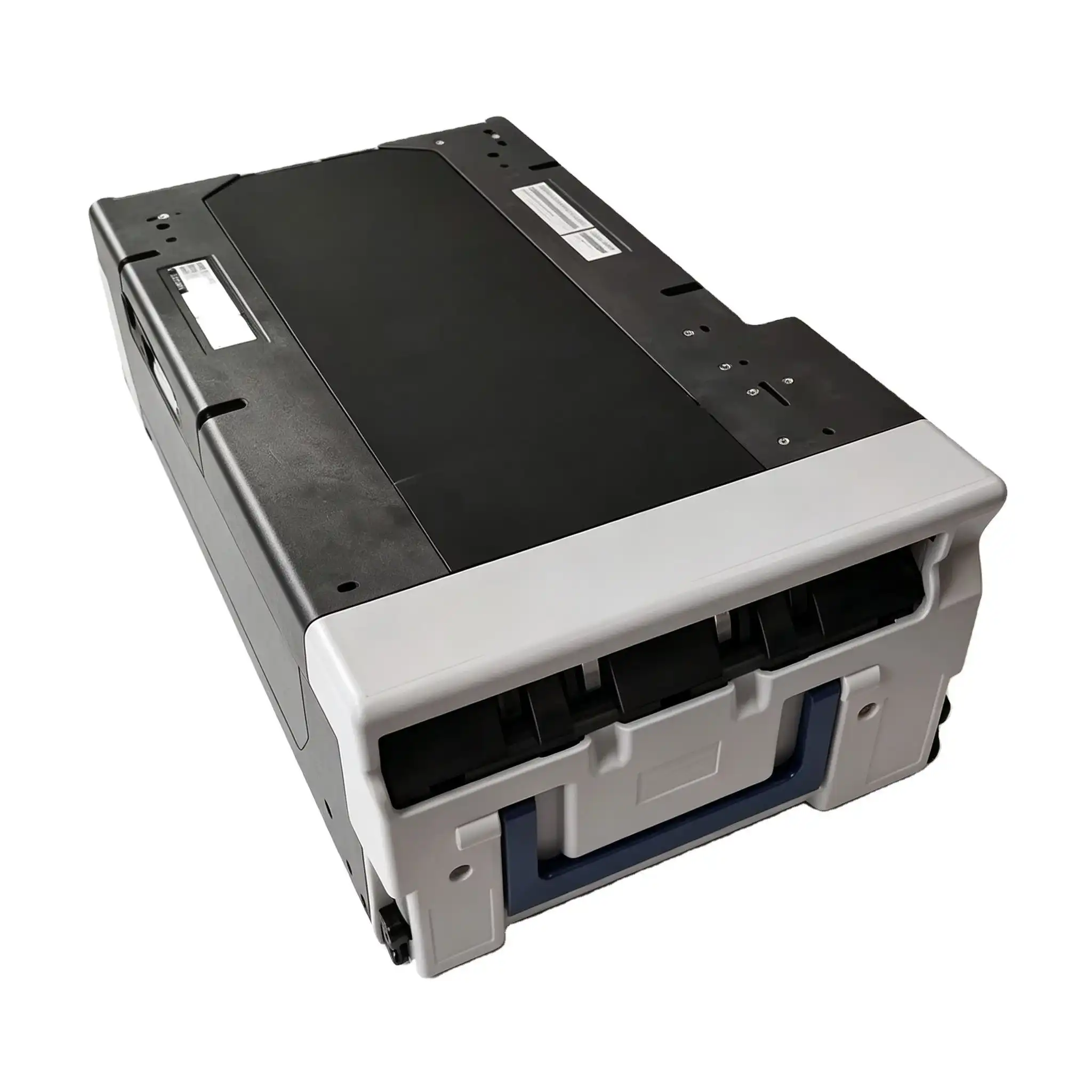
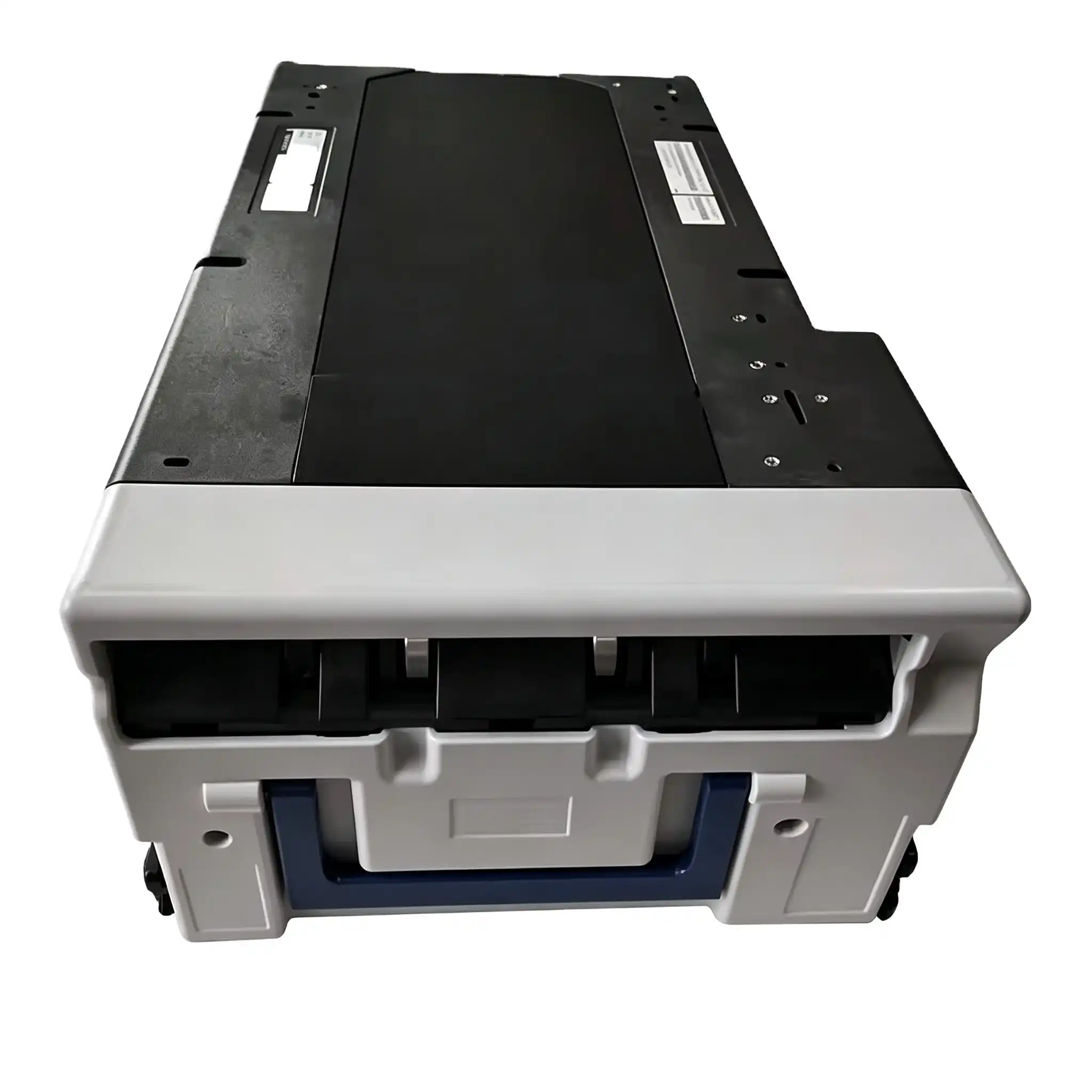
If you manage ATM fleets or source cash handling parts for CRM networks, the G610 recycler is one of the most capable cash recycling modules available today. Built in Japan, this module handles bidirectional cash operations — accepting deposits and dispensing withdrawals from the same cassette pool. It runs inside Fujitsu G610-series CRMs and ITMs and also carries NCR compatibility under part numbers 009-0020383 and 009-0025029. Understanding its components, how it works, and where to source reliable replacements can directly reduce your operational costs and downtime exposure.
Understanding the Core Components of the Fujitsu G610 Recycler
The G610 cash recovery module is made up of several subassemblies that work together. They all have a special job to do in the cash cycle, and if one of them breaks, it can stop both deposits and withdrawals at the same time.
Lower Transport Assembly (KD02166-D959)
The lower transport assembly takes bills from the cassette cells to the identification unit. It has path diverters, drive belts, and transport rollers. This part is one of the most frequently replaced parts in active CRM deployments because it is under the most mechanical stress of the whole module.
Recycle Cassette (009-0025324 / KD02155-D814)
The box used for recycling holds accepted bills that can be used right away. Most of the time, each tape can hold 100 to 500 notes of each amount. The G610 can recycle bills of more than one denomination. This means that software can be used to set up different cassettes to handle bills of different values from the same hardware machine.
Escrow Mechanism and GBRU Cassette (009-0025045)
The escrow keeps the notes in a temporary staging area until the deal is finalized. If a customer cancels in the middle of a deal, they get back the exact notes they paid. The Global Banknote Recognition Unit (GBRU) cassette works with the escrow to handle extra bills and rejected notes. For any G610 recycler, it keeps bills that don't fit or aren't recognized from going into the recycle pool.

How the G610 Recycler Works: Operational Principles and Workflow
A closed-loop cash management approach runs the G610. When a customer inserts a bill, it goes through the identification unit, which uses magnetic, light (IR/UV), and thickness sensors to check if the bill is real and valid. Fit notes are put on the discard tape so they can be used again later. Notes that aren't good enough or are suspicious go to the reject tape and don't get played again.
Bidirectional Cash Flow
Unlike single-function dispensers, the G610 reuses cash that has been deposited for withdrawal. This design lowers the frequency of Cash-in-Transit (CIT), which is one of the main things that drives up running costs for ATM networks with a lot of users. When banks use closed-loop recycling, the number of trips each machine needs to be restocked each month goes down by a measured amount.
Counterfeit Detection Layer
Fakes are caught at the point of entry by the multi-sensor recognition system. Magnetic sensor bands find out what kind of ink it is, and optical channels read UV light and IR absorption patterns. Measuring thickness adds a third layer of independent verification. This three-step plan meets most of the requirements set by central banks for finding fake money in automated cash devices.
Processing Speed and Throughput
Depending on how it is set up, the machine can handle anywhere from 4 to 8 bills per second. This throughput rate keeps transaction times within acceptable ranges while keeping accuracy high in high-volume branch CRM deployments or busy retail self-checkout areas.
Maintenance and Troubleshooting Tips for Maximizing Lifespan
Routine upkeep is necessary for cash recycling units because it has a direct effect on how well they work and how often they are accepted on the first try. When you don't do your regular maintenance, problems like more jams, sensor drift, and early roller wear usually happen.
Cleaning Schedule and Sensor Care
Optical and magnetic sensors should be cleaned every six months or 50,000 cycles, whichever comes first. Pick up any dirt or dust in the travel path with cleaning cards that don't contain alcohol and short bursts of compressed air. Most of the time, for a G610 recycler, false rejects happen in recycler units that are used in store settings because of dust buildup.
Roller and Belt Inspection
Under normal circumstances, friction pick rollers are rated for between 200,000 and 500,000 note cycles. Rollers wear out faster on paper bills than on polymer bills. During each planned repair visit, check the tension of the belt and the surfaces of the rollers. Transport jams and double-feed mistakes are often caused by rollers that are worn out. These are wear-out parts that are easy to replace without any special tools.
Jam Recovery Protocol
If there is a transport jam, the unit sends back a unique error code that tells you which part of the way is affected. Labeled access latches on the G610 frame let techs open just the right part of the module without taking it all apart. Get rid of the crumpled note and check the way for any other debris. Then, run a test loop and put the unit back to use.
Comparing the G610 Recycler Against Other Market Options
As far as cash recovery tools for CRM and ITM go, the G610 is at the top of the list. Before making a purchase decision, you should look at these key differences:
- G610 vs. G600 Series: The G610 offers higher cassette capacity and an updated recognition unit with broader currency template support. The G600 remains functional in older deployments but lacks the firmware update infrastructure of the G610, which limits its long-term adaptability to new banknote series.
- G610 vs. NCR-native recyclers: The G610 carries verified NCR compatibility (part numbers 009-0020383 and 009-0025029), making it a practical cross-platform option for mixed-fleet operators running both Fujitsu and NCR self-service terminals.
- Third-party vs. OEM components: Third-party sub-modules sourced through established suppliers with documented testing protocols can match OEM performance at significantly lower cost. The key is verifying MCBF ratings and acceptance rate data before committing to volume orders.
The G610 Series vs. the G600 Series: The G610 recycler has a bigger cassette storage and a newer identification unit that can work with more currency templates. The G600 still works in older installations, but it doesn't have the same software update system as the G610, which makes it less flexible for using with new banknote types in the future.
Procurement Guidance: How to Source G610 Recycler Components?
There's more to finding the right G610 recycler supplier than just comparing prices. Total cost of ownership takes into account lead times, the level of technical support, and the parts coverage.
What to Verify Before Ordering
Make sure the seller has the whole sub-module set: the reject cassette, the escrow mechanism, the recycle cassettes (KD02166-D959), the GBRU cassette (009-0025045), and the lower transport unit (KD02166-D959). If a supplier doesn't have all of the parts listed, there will be gaps in the supply chain that show up at the worst times.
Lead Times and Stock Availability
It usually takes 15 to 20 working days to get G610 parts from reputable sources. For emergency replacements in active branch networks, make sure that fast shipping options are available and that the supplier keeps extras of the subassemblies that are most likely to break.
Warranty and Technical Support
You should expect a G610 recycler provider with a good reputation to offer a 30-day guarantee and online and video remote help. Make sure that the support team can do more than just repair parts. They should be able to help with software, calibration, and currency template updates.
Conclusion
The Fujitsu G610 recycler is a well-designed cash recycling module that lowers CIT costs, allows cash to flow both ways, and works with both Fujitsu and NCR terminals. When the procurement and operations teams know about the machine's main parts, like the lower transport assembly and the escrow and GBRU cassettes, they can make better decisions about maintenance planning and sourcing. Working with a supplier that offers the full range of G610 components and real technical help is the best way to keep your cash handling infrastructure going smoothly, whether you are in charge of a bank's CRM network or building inventory as a parts distributor.
FAQ
How does the G610 handle multiple currency denominations?
Through program setup, each recycle box is given a unique number. When a note is played, the recognition unit figures out what kind of note it is and automatically sends it to the right cassette. Notes that aren't meant to be recycled or tapes that are full are sent to the deposit or overflow bin.
Can the G610 recognition unit be updated for new banknote designs?
Yes. A template file for new notes is sent to the unit's inner memory via USB when a central bank releases a new run of notes. This lets the module check out new designs without having to make any hardware changes.
What is the expected service life of pick rollers?
Friction pick rollers last between 200,000 and 500,000 note cycles when they are used normally. Most of the time, polymer notes last longer than paper money. Rollers are considered replaceable parts, and they can be replaced without any special tools.
Is the G610 compatible with NCR terminals?
Yes. There is confirmed NCR compatibility for the G610 under part numbers 009-0020383 and 009-0025029. This means that operators can use it to manage ATM fleets that have both Fujitsu and NCR machines.
What warranty does RM provide on G610 components?
RM backs up all G610 recycler parts with a 30-day guarantee and online and video remote help. We answer all questions within 24 hours.
Contact RM for G610 Recycler Supply
For more than five years, RM has sold parts for the G610 recycler. They have a 3,000-square-meter warehouse. facility in Shenzhen, China, that is ISO9001-certified. There are confirmed conditions for both brand-new and used units, and the wait time is usually 15 to 20 working days. There is also a 30-day warranty. Please get in touch with us if you need a reliable G610 recycler supplier for your CRM or ITM network. To get a quote and technical help, email Tony at Tony@atm-part.com.
References
1. RBR London. Global ATM Market and Forecasts to 2028. RBR, 2023.
2. ATMIA. Cash Recycling Technology and Best Practice Guide. ATM Industry Association, 2022.
3. European Central Bank. Report on Card Fraud and Counterfeit Detection Standards in ATM Networks. ECB, 2022.
4. Fujitsu Limited. F-Series and G-Series Cash Recycling Module Technical Documentation. Fujitsu, 2021.
5. RBR London. Self-Service Banking: CRM and ITM Deployment Trends. RBR, 2023.
6. ATMIA. ATM Maintenance and Component Lifecycle Management White Paper. ATM Industry Association, 2021.
Learn about our latest products and discounts through SMS or email