- English
- French
- German
- Portuguese
- Spanish
- Russian
- Japanese
- Korean
- Arabic
- Greek
- German
- Turkish
- Italian
- Danish
- Romanian
- Indonesian
- Czech
- Afrikaans
- Swedish
- Polish
- Basque
- Catalan
- Esperanto
- Hindi
- Lao
- Albanian
- Amharic
- Armenian
- Azerbaijani
- Belarusian
- Bengali
- Bosnian
- Bulgarian
- Cebuano
- Chichewa
- Corsican
- Croatian
- Dutch
- Estonian
- Filipino
- Finnish
- Frisian
- Galician
- Georgian
- Gujarati
- Haitian
- Hausa
- Hawaiian
- Hebrew
- Hmong
- Hungarian
- Icelandic
- Igbo
- Javanese
- Kannada
- Kazakh
- Khmer
- Kurdish
- Kyrgyz
- Latin
- Latvian
- Lithuanian
- Luxembou..
- Macedonian
- Malagasy
- Malay
- Malayalam
- Maltese
- Maori
- Marathi
- Mongolian
- Burmese
- Nepali
- Norwegian
- Pashto
- Persian
- Punjabi
- Serbian
- Sesotho
- Sinhala
- Slovak
- Slovenian
- Somali
- Samoan
- Scots Gaelic
- Shona
- Sindhi
- Sundanese
- Swahili
- Tajik
- Tamil
- Telugu
- Thai
- Ukrainian
- Urdu
- Uzbek
- Vietnamese
- Welsh
- Xhosa
- Yiddish
- Yoruba
- Zulu
NMD50 Reject Cassette vs Standard Cash Cassettes: Key Differences
When field service teams ask me which cassette type actually matters for ATM uptime, my answer is always the same: it depends on what your machine needs to do with a bad note. The NMD50 reject cassette and a standard cash cassette look similar from the outside, but they serve completely different functions inside a Glory ATM. Understanding that gap is what separates operators who keep their machines running from those constantly chasing jam errors. This article breaks down the functional, mechanical, and procurement differences between the two — so your next parts decision is based on facts, not guesswork.
Understanding the NMD50 Reject Cassette


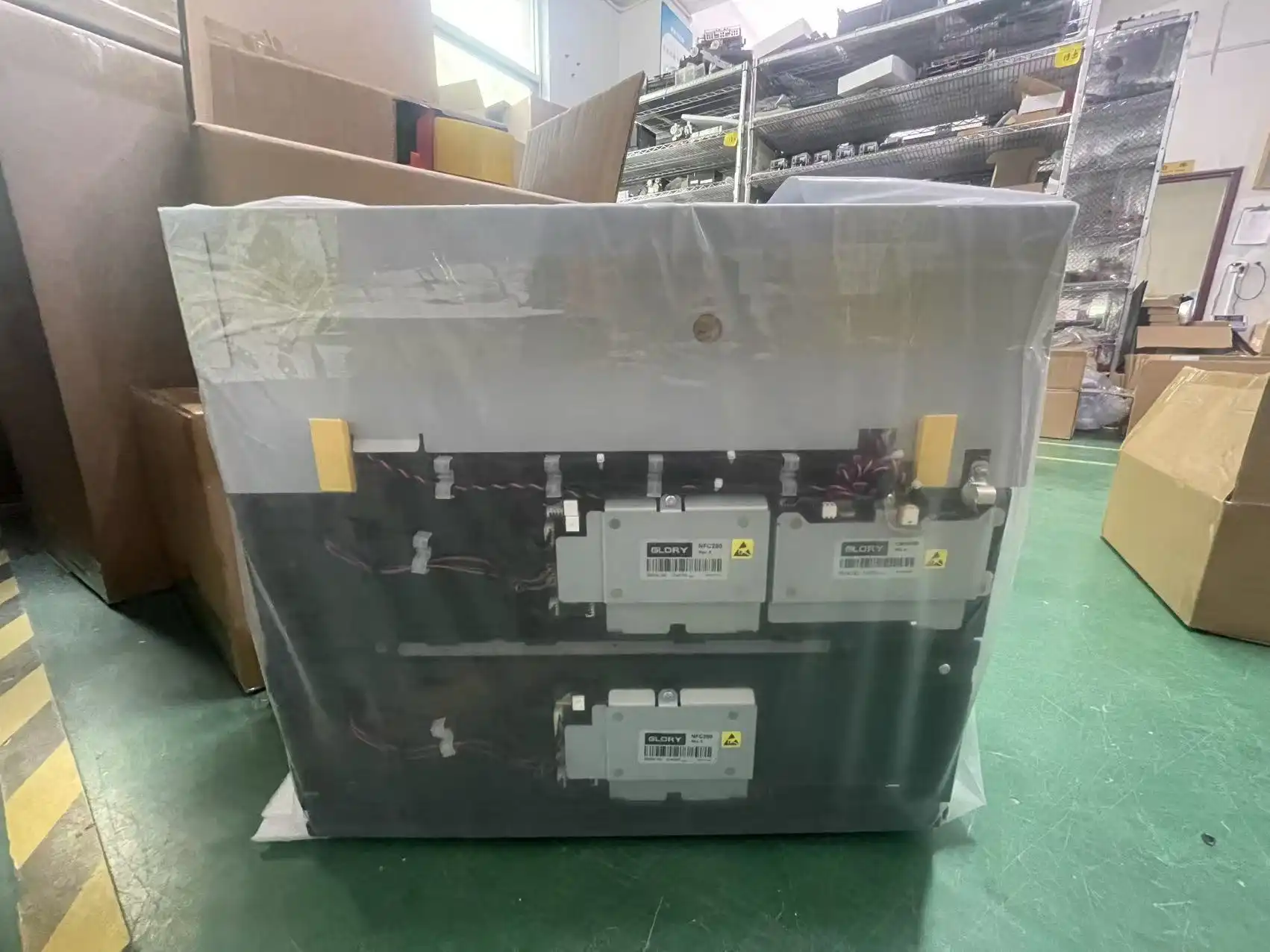
What It Actually Does?
The NMD50 reject cassette is a special storage module that is built into Glory ATMs that are used to give out money. Its job isn't to hold cash that can be spent; instead, it picks up notes that fail validation (because they are twisted, double-fed, or broken) and takes back notes that the customer didn't collect within the timeout window. By putting those exceptions in a separate, lockable container, rejected media can't get in the way of the main transport path, and the dispenser stays open.
Physical Design and Part Numbers
The cover plate is called A006676 and the part number for the main unit is 1038242 (NMD50-NC050 Cash Cassette). The swing arm (A007726), the bottom plate (A006725), and a gear system with parts (A007938/A008360) are all inside the machine. The injection-molded polycarbonate housing meets ISO-12209 physical security standards. It keeps notes safe from being tampered with and getting dirty while cash is being moved.
Capacity and Sensor Integration
The module can hold 200 to 250 brand-new notes, but in the business world, 150 to 200 worn-out street-quality notes are more common to keep overfill jams from happening. Integrated passive feedback geometry talks to the dispenser's optical sensors to show "bin presence" and "bin full" states in real time. If the cassette is missing or not placed properly, the machine will not work.
Comparing the NMD50 Reject Cassette with Standard Cash Cassettes


Core Functional Differences
Standard cash cassettes hold checked, usable bills that are loaded by CIT teams. When asked, they feed notes forward. A reject cassette, on the other hand, never gives out notes; it only receives them. Because the intake only goes in one direction, the internal mechanism is based on capture reliability rather than feed precision. Dispenser mistakes often happen when these two types of cassettes are mixed up during a service call.
The main differences can be seen at a glance in the table below:
| Feature | NMD50 Reject Cassette | Standard Cash Cassette |
|---|---|---|
| Primary function | Capture rejected/retracted notes | Store and dispense verified notes |
| Note flow direction | Intake only | Bidirectional (load + dispense) |
| Sensor feedback | Bin presence + bin full alerts | Note level monitoring |
| Security standard | ISO-12209 compliant | Varies by model |
| Typical capacity | 200–250 notes | 1,000–2,500 notes |
| Maintenance trigger | Bin full alarm / sensor prism cleaning | Note depletion / jam clearance |
Performance and Compatibility
When playing a lot of notes, standard tapes put feed precision first. The NMD50 reject cassette puts reliability at the top of its list of priorities. Its gear-driven roller system (clutch assembly A006902/A004358) keeps crumpled notes from fishtailing as they enter the bin. For Glory NMD50 chassis systems, only cassettes that have been checked against the right sub-part numbers will dock without disconnecting due to vibration. Cross-compatibility with the NMD100 series needs to be confirmed in the software; don't assume that just because two devices look alike, they can also work together.
Pros and Cons for Procurement Teams
Before placing an order, buying managers should think about these trade-offs:
- NMD50 reject cassette (new): Consistent dimensional tolerances, full 30-day warranty coverage, suitable for high-transaction retail or gaming environments where false alarms carry real financial cost.
- NMD50 reject cassette (refurbished): Lower landed cost per unit, viable for mixed-inventory strategies, provided the supplier delivers a QC inspection report and Grade A optical prism clarity.
- Standard cash cassette: Higher per-unit value, longer replenishment cycle, but not a substitute for the reject function — a fleet running without a properly functioning reject bin risks dispenser downtime on every transaction with a substandard note.
These differences have a direct effect on how you stock your spare parts. For example, a fleet that works in a casino or betting area has a lot of rejection cycles, which wear out the shutter mechanism faster than a booth that doesn't get a lot of use.
Troubleshooting and User Support
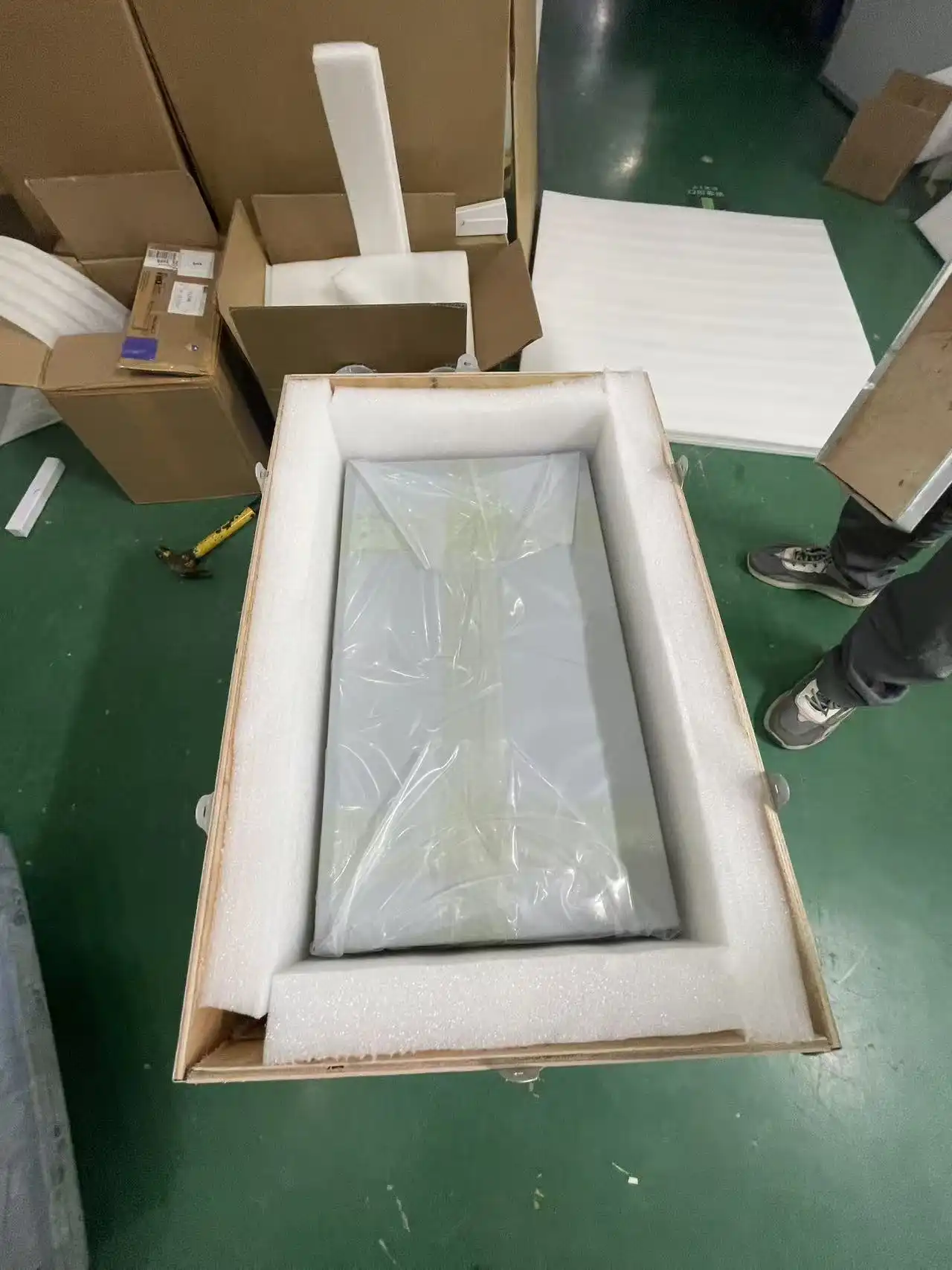
Common Field Issues
"Reject Bin Missing" errors, entry-point note jams, and false "bin full" alarms are the three problems our customers tell us about most often. Most of the time, the bin missing error is caused by a misaligned cassette or a dirty sensor prism. Use isopropyl alcohol to clean the reflective prism and then reseat the cassette until you hear the latch click. Most entry jams are caused by shutter lag, which is usually caused by debris in the gear train. Most of the time, clearing the jams is as easy as dusting parts A007938 and A008360 during regular maintenance.
Warranty and After-Sales Coverage
RM backs up every NMD50 reject cassette it ships with a 30-day warranty that covers proven manufacturing flaws. Within 24 hours, online tech help will get back to you. This reaction window should be taken into account when figuring out the total cost of downtime for providers in places like parts of the Middle East and Southeast Asia where Glory has cut back on its direct service.
Maintenance Schedule Reference
| Maintenance Task | Interval | Key Component |
|---|---|---|
| Sensor prism cleaning | Every 30 days or 5,000 transactions | Optical prism window |
| Shutter gear inspection | Every 50,000 cycles | A007938 / A008360 gears |
| Latch and rail check | Each cassette swap | Calibrated guide rails |
| Spring tension verification | Quarterly | A006869-02/04 spring cap |
Procurement Guide: How to Choose and Buy the NMD50 Reject Cassette
Matching Part Numbers Before Ordering
Ordering by machine model alone is the most common mistake people make when they buy something. Always check the sub-part number against other numbers. For the Glory NMD50 mechanism, the right main unit is 1038242, and if you're buying parts, you need to make sure you also get A006676. Sending the part number and a picture of the old cassette to the supplier only takes two minutes and saves weeks of work on getting the old cassette back.
New vs. Refurbished: A Decision Framework
For sites that handle more than 500 deals every day, new NMD50 reject cassette units get rid of the worry of not knowing the past of shutter cycles. Grade A refurbished cassettes with documented QC reports confirming dimensional fidelity and prism clarity are a good way to cut costs without sacrificing reliability for kiosks that don't get a lot of use or for operators building a mixed spare inventory.
Lead Times and Order Structure
The normal lead time from RM is 15–20 business days. Depending on how much stock we have, urgent orders may be filled in 7–10 business days. RM has both new and used NMD50 reject cassettes in stock, has a flexible minimum order quantity policy (accepts small trial orders), and has experience with export paperwork for places like the Middle East, Eastern Europe, and Southeast Asia.
Why Leading Organizations Choose the NMD50 Reject Cassette?
Third-party operators of Glory NMD50 ATMs in retail and gaming settings consistently say that parts sourced with verified sub-part numbers and QC documentation cut down on the number of service calls that need to be made again. The RM factory in Shenzhen is 3,000 square meters big and has an ISO9001-2008-certified production process that includes a mold room, injection molding, upkeep, and quality control all in one place. Because of this integration, the dimensions must meet OEM geometric standards. This has a direct effect on whether the cassette docks correctly or causes false sensor errors in the field.
Conclusion
You can't use an NMD50 reject cassette in place of a normal cash cassette because they work to fix different issues in the machine. The three choices that have the most direct impact on your fleet's downtime are understanding the difference, double-checking sub-part numbers like 1038242 and A006676 before placing an order, and picking a seller with clear quality control procedures. RM is the company to talk to if you need parts that are in stock, flexible order quantities, or shipping that is ready to go overseas.
FAQ
Q1: Is the NMD50 reject cassette cross-compatible with the NMD100 series?
A: The NMD50 cassette and the NMD100 both have a similar shape, but the keying and sensor shutter configurations are different. Before you order, you need to make sure that cross-compatibility works with your specific dispenser generation and firmware version.
Q2: What causes persistent "Reject Bin Missing" errors?
A: This mistake generally means that the cassette isn't lined up right or that the sensor prism is dirty. Use isopropyl alcohol to clean the prism area, and then put the cassette back in place firmly until the latch clicks.
Q3: Can the lock mechanism be adapted to our existing CIT key system?
A: Yes. Standard cam locks can be used with this housing, so operators can put in high-security cores that work with their master-key systems.
Q4: What is the realistic note capacity in field conditions?
A: The rated capacity is 200–250 new notes, but the practical industry limit for worn street-quality notes is 150–200 to avoid overfilling and setting off the alarm that the bin is full.
Q5: Does RM provide documentation for compliance audits?
A: Yes, RM sends QC inspection reports with every package and can also provide supporting documents that are in line with ISO-12209 standards for clients who need to show proof of compliance to their end-client banks.
Request a Quote from RM — NMD50 Reject Cassette Supplier
For more than 20 years, RM has sold ATM parts to operators in more than 20 countries. Our NMD50 reject cassette stock comes from Shenzhen with all the necessary export paperwork. You can choose from new or used units, and there is a 30-day guarantee and 24-hour online support. You can email our team at Tony@atm-part.com to get a quote with your list of part numbers, whether you need a trial order of 50 units or a three-month supply agreement.
References
1. ATM Industry Association (ATMIA). ATM Security Best Practices Guidelines. 2022.
2. International Organization for Standardization. ISO 12209: Banking — Mechanical Security of ATM Cabinets. 2020.
3. Dove Consulting / Diebold Nixdorf. ATM Availability and Downtime Cost Analysis Report. 2021.
4. RBR London. Global ATM Market and Forecasts to 2027. 2023.
5. ATMmarketplace / Networld Media Group. Field Service Efficiency in Self-Service Banking. 2022.
6. International Organization for Standardization. ISO 9001:2015 Quality Management Systems — Requirements. 2015.
Learn about our latest products and discounts through SMS or email