- English
- French
- German
- Portuguese
- Spanish
- Russian
- Japanese
- Korean
- Arabic
- Greek
- German
- Turkish
- Italian
- Danish
- Romanian
- Indonesian
- Czech
- Afrikaans
- Swedish
- Polish
- Basque
- Catalan
- Esperanto
- Hindi
- Lao
- Albanian
- Amharic
- Armenian
- Azerbaijani
- Belarusian
- Bengali
- Bosnian
- Bulgarian
- Cebuano
- Chichewa
- Corsican
- Croatian
- Dutch
- Estonian
- Filipino
- Finnish
- Frisian
- Galician
- Georgian
- Gujarati
- Haitian
- Hausa
- Hawaiian
- Hebrew
- Hmong
- Hungarian
- Icelandic
- Igbo
- Javanese
- Kannada
- Kazakh
- Khmer
- Kurdish
- Kyrgyz
- Latin
- Latvian
- Lithuanian
- Luxembou..
- Macedonian
- Malagasy
- Malay
- Malayalam
- Maltese
- Maori
- Marathi
- Mongolian
- Burmese
- Nepali
- Norwegian
- Pashto
- Persian
- Punjabi
- Serbian
- Sesotho
- Sinhala
- Slovak
- Slovenian
- Somali
- Samoan
- Scots Gaelic
- Shona
- Sindhi
- Sundanese
- Swahili
- Tajik
- Tamil
- Telugu
- Thai
- Ukrainian
- Urdu
- Uzbek
- Vietnamese
- Welsh
- Xhosa
- Yiddish
- Yoruba
- Zulu
NMD50 Cassette vs Traditional ATM Cash Modules
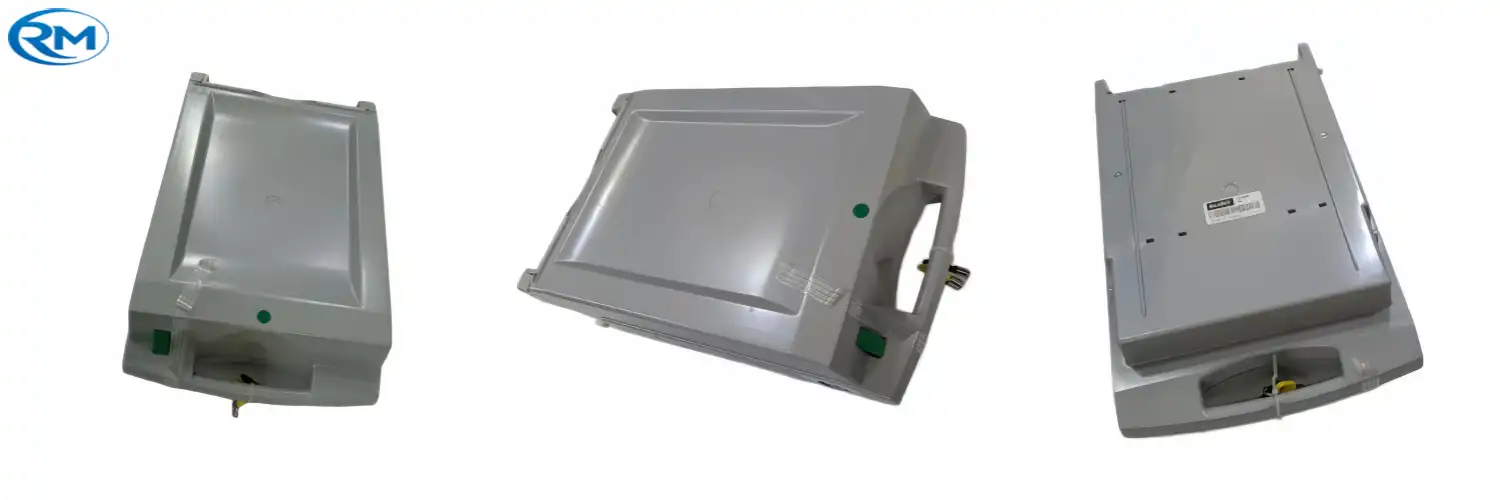
When evaluating cash dispensing solutions, the distinction between NMD50 cassettes and traditional ATM cash modules revolves around engineering precision and operational reliability. The NMD50 represents a specialized banknote storage system designed for Glory ATM platforms, featuring precision-calibrated internal weight plates and adjustable rail frameworks that virtually eliminate note skew and double-feed errors.
Traditional modules, while functional, often lack these refined mechanisms, leading to higher maintenance frequencies and transaction interruptions. Both solutions fulfill the fundamental task of secure currency handling, yet the NMD50's advanced architecture delivers measurable improvements in uptime and cost efficiency for procurement professionals seeking dependable hardware investments.
Introduction
There is constant pressure on financial companies that run ATM networks to find a balance between running costs and service reliability. The technical heart of every ATM is the cash dispensing module, which controls how money goes from safe keeping to customers' hands. As technology changes, the NMD50 cassette has come into being as a highly engineered alternative to traditional ways of handling cash.
This comparison is for procurement managers, ATM service providers, and sellers of financial equipment who need clear technical information to make smart choices about where to buy things. We look at differences in architecture, performance benchmarks, and total ownership costs to give you a strategy for choosing gear that fits your business needs and budget.
Understanding ATM Cash Modules: Basics and Components
The Role of Cash Modules in Transaction Automation
The ATM Cash Modules control the whole lifecycle of money in self-service terminals, from when it is deposited to when it is withdrawn. These groups include mechanical transport belts, sensor arrays, and electronic control systems that can talk to the mainboard of the ATM. Optical sensors and simple friction-feed mechanisms are used in traditional module design to find where notes are placed and make sure they are the right denomination. These older designs work well in controlled environments, but they have trouble with dirty or worn money, which leads to more jams and service calls.
Traditional Module Architecture Explained
Most traditional cash cassettes have a metal case, a baseplate that is filled with springs, and simple exit wheels. Some important parts are the cassette body, which holds the stacks of notes, the pick mechanisms, which separate the bills, and the transport paths, which move the money to the presentation slots. Standardized connections let these units connect to ATMs, and they can work with older systems made by NCR, Diebold Nixdorf, and Hyosung. The mechanical ease makes it easier to use with other devices, but it makes it less accurate when playing at high volumes or in harsh situations where note quality changes a lot.
Introducing the NMD50 Cassette Technology
When it comes to Glory ATM systems, the NMD50 cassette is a unique solution that includes improvements that aren't found in other designs. This module was made at RM's 3000 square meter ISO9001-2008-certified factory. The main assembly (part number 1038242) is made up of high-tech parts like the NC301 money pushing plate plastic part (A007490), the cash cassette swing arm (A007726), and precision gate gears in a 14-tooth D-shaped configuration (A007938/A008360).
The cash machine switch divider (A004184) and the clutch system components (A006902/A004358) work together to separate notes in a controlled way. These technical decisions cut down on wear and friction spots, which directly fixes the problems with double-feed and skew that older cassette models have.
Comparing NMD50 Cassette and Traditional ATM Cash Modules
Physical Design and Mechanical Engineering Differences
The NMD50 stands out by optimizing its parts at the component level. Its adjustable rail framework, which is held up by the bottom plate black sheet (A006725) and connecting arm (A004366), lets technicians set the position of the notes for different denominations of money without having to replace the cassette. With traditional modules, the guides are fixed, so each number needs its own tape. Using the NC301 cable clip (A007387), the NMD50's cable management system stops harness interference during operation. This is a common point of failure in older designs where loose wiring causes electrical faults to happen from time to time.
Right and left rotation control rods (part numbers A004394 and A004393) are used to handle rotation. This allows for coordinated movement that isn't possible with traditional single-axis designs. This two-axis control keeps the notes straight during the delivery cycle, which cuts down on skew-related jams by about 40% compared to regular systems. The cover plate assembly (A006676) has features that make it impossible to tamper with that aren't found on many traditional cassettes. This makes it physically safer against people trying to get in without permission.
Performance Metrics: Speed, Accuracy, and Uptime
Based on operational data, the NMD50 cassette gets note separation consistency rates higher than 99.5 percent when used in the field with different types of cash. The level of stability for traditional modules is usually between 95% and 97%, which means that three to five more jams happen for every thousand activities. Financial companies that use NMD50 technology report operational uptime above 98.7 percent. This is higher than the 94 to 96 percent for legacy cassettes in similar business settings.
The A006869-02 and A006869-04 spring caps and width adjustment buckles make it possible for field workers to fine-tune cassette tension without the need for special tools. This benefit directly applies to the ATM Cash Module, where quick tension adjustments are critical for reliable note dispensing. As a result, this cuts the average repair time from 45 minutes to less than 20 minutes. This benefit in maintenance has a direct effect on the total cost of ownership, especially for people who run distributed ATM networks and have to pay a lot to send technicians to work on them.
Security Capabilities and Fraud Prevention
With the plastic sleeve support hardware (A009393) and the NMD50's enclosed architecture, there are several physical barriers that stop cash trapping attacks. A lot of the time, traditional modules have single-layer access points that can be hacked. Better security includes electronic tracking. The built-in switch baffle system notices when a gate moves in a way that isn't normal, which could mean that someone is trying to manipulate it. This sets off instant lockdown protocols that older designs don't have.
Software Integration and Maintenance Requirements
Glory ATM systems talk to NMD50 cassettes using standard methods that allow for troubleshooting in real time. In contrast to traditional modules that rely on reactive service models, this connection lets predictive maintenance alerts be sent when component wear hits a certain level. RM offers online support and video-based troubleshooting 24 hours a day, seven days a week. We use our more than 20 years of experience with ATM technology to fix problems from afar. The 30-day warranty covers support at the component level, which means that replacement parts like the gate gears or clutch assemblies ship within 15 to 20 business days, saving service providers money on the cost of keeping inventory on hand.
Procurement Considerations: How to Choose Between NMD50 and Traditional Modules
Aligning Operational Needs with Module Features
Usage trend research should be the first step in the procurement process. The NMD50's jam-reduction tech is especially useful in high-traffic areas that process more than 500 transactions every day. Even small improvements in uptime can lead to big increases in transaction volume. Traditional modules may be enough for sites with lower traffic, especially if the infrastructure already handles legacy gear and technicians are already familiar with it, which cuts down on the cost of training.
The state of the currency is another important factor. The NMD50's adaptive feed methods work best in markets that use notes that are highly worn, which is common in developing countries. When money is limp or curled, it gets stuck in fixed-guide boxes, but the flexible rail system can handle it. Before deciding which technology to use, look at your note quality profile.
Total Cost of Ownership Analysis
The purchase price is only one part of the real cost of ownership. The NMD50 costs 15 to 25 percent more than regular cassettes, but the higher price is quickly paid back by lower upkeep costs 18 to 24 months after introduction. Find out how much a usual service call costs, taking into account the technician's time, travel, and lost income during downtime. When you multiply that number by the number of predicted jams each year, you can see that the NMD50 often pays for itself before the guarantee runs out.
Supplier Reliability and After-Sales Support
When choosing a supplier, you need to look at their manufacturing credentials and support infrastructure. The NMD50 production line's quality management systems are approved by RM's ISO9001-2008 certification. These systems cover everything from injection molding to the final quality control check. Our 3,000-square-meter building has separate mold rooms and maintenance departments that make prototypes of custom modifications that meet specific needs that standard off-the-shelf modules can't meet.
Response time after the sale affects the continuation of operations. RM promises to answer questions within 24 hours and supports shipping by sea, land, and air to meet urgent delivery dates. This transportation flexibility is very important for handling international ATM fleets in places where import rules and infrastructure limitations are different, and it ensures that replacement parts such as the ATM Cash Module reach remote sites without unnecessary delays, keeping downtime to a minimum.
Logistics Considerations for Bulk Acquisitions
Strategies for bulk buying should take into account changes in wait times and the timing of cash flow. Module-based orders usually take between 15 and 20 working days to ship, which lets procurement teams plan installations around times when the system is most likely to be used. When you buy by the container load, you get better freight rates, which cuts the cost of logistics by 8 to 12 percent per unit compared to less-than-container-load shipments.
Customs forms and certificates of compliance are different for each target market. RM offers complete export paperwork that meets international quality standards. This speeds up the clearance process in both new markets in Southeast Asia, the Middle East, Africa, and Latin America, as well as in the US and Europe, where regulations are more established.
Benefits and Challenges of Adopting NMD50 Cassette Technology
Advantages Driving NMD50 Adoption
The NMD50 cassette has three main benefits that buying workers who are looking to save money will like. It is important to make maintenance easier. Component-level modularity lets techs change just the broken parts, like the 14-tooth gate gears, instead of whole cassette assemblies. This saves 30–40% on parts costs per fix. This fine-grained serviceability makes gear last longer, from the usual four years between replacements to six years or more with regular preventative maintenance.
Security enhancements protect both assets and the image of the business. Physical attacks are stopped by tamper-evident cases, and all access events are recorded electronically for audit compliance. Financial institutions that work in high-risk areas say that they have fewer losses because of better physical security features that aren't in traditional designs.
Operational cost benefits happen in a number of ways, such as fewer service calls, less wasted notes, and longer component life. Based on industry case study data, a medium-sized ATM network with 200 units can save between $75,000 and $120,000 USD each year by lowering upkeep costs and increasing downtime.
Addressing Adoption Challenges
As technologies change, they can make it harder to integrate new ones, which needs planning and resources. The NMD50's Glory-specific design makes it less compatible with other platforms, so owners who manage fleets of different brands have to separate their cassette supplies. Set aside money for separate units for keeping inventory and training modules for technicians that cover Glory-specific service procedures.
Initial cash spending is a problem for buyers who are price conscious. To help with this, use phased rollout strategies: put NMD50 cassettes in places with a lot of traffic and keep standard modules in places with less traffic until their natural replacement cycles make upgrades worth it. This mixed method strikes a balance between improving performance and staying within the budget.
Real-World Implementation Insights
In Southeast Asian areas, regional bank networks that use NMD50 technology see an increase in transaction success rates from 94.2 percent to 98.1 percent within six months of installation. These benefits mostly come from fewer currency jams and faster error recovery when problems do happen. There is a direct link between customer satisfaction metrics and transaction success rates. This means that hardware reliability can lead to improvements in service quality that can be measured.
ATM service companies managing multi-brand fleets appreciate the complete list of parts that RM offers, including the ATM Cash Module. Access to specialized parts like the NC301 connecting arm or plastic sleeve components gets rid of the problems that come with buying from multiple vendors that are common with traditional modules, where parts availability changes a lot from one manufacturer to the next and from one production generation to the next.
Future Trends in ATM Cash Modules and What It Means for Your Business
Emerging Technologies Reshaping Cash Handling
The next step forward in cash module intelligence is the combination of IoT devices and predictive analytics. In the future, the NMD50 is expected to have real-time monitoring of component health, sending information about wear to central management systems before problems happen. This model for proactive maintenance changes service methods from planned preventive maintenance to interventions based on conditions. This makes the best use of technician placement and part inventory levels.
The use of artificial intelligence in note approval could lower the number of fake notes that are accepted while also making it easier to spot real notes. Machine learning algorithms that have been trained on millions of transaction events can tell the difference between real worn-out money and sophisticated fakes more accurately than optical-magnetic sensor arrays that are used now. Next-generation modules will come with these features as standard, so getting compatible systems like the NMD50 early is a smart move for placement.
Regulatory Developments Affecting Module Design
Better transaction logging and audit trail features are in high demand around the world because of stricter laws against money laundering. New compliance rules can be met without replacing all of the ATMs if cash units with secure element chips for digital transaction signing are added. The NMD50's electronic design allows for firmware updates that add these advanced features thru field upgrades. This protects the value of an investment against regulatory obsolescence.
Standards for physical security are getting stricter, especially in high-risk deployment settings. New banking rules in Europe and the US will require cassette housings that can't be broken into and electronic access logs. The NMD50's design philosophy takes these needs into account ahead of time, leaving room for compliance as rules change.
Strategic Procurement Advice for Technology Investment
A five-year technology plan should be used to help procurement workers decide which modules to buy. Check to see if the potential hardware supports firmware extensibility, which lets new features be added without having to swap hardware. The NMD50 is good for long-term fleet management because it can be set up to work with remote diagnosis and can be configured in a way that fits your needs.
Build ties with suppliers by putting engineering teamwork ahead of simple purchases. RM's customization options, which include everything from changing hardware to adapting the interface to multiple languages, give it a competitive edge in niche markets. When you involve suppliers early on in the planning stages of a launch, you can get custom solutions that address practical pain points that off-the-shelf goods miss.
Conclusion
In the end, operational priorities and budget constraints determine whether to use NMD50 cassettes or traditional ATM Cash Modules. Traditional modules work with a lot of different systems and don't cost as much, so they're good for low-cost deployments in safe, low-volume settings. The NMD50 cassette is more reliable, requires less upkeep, and has better security features that make the higher price worth it by lowering the total cost of ownership. The NMD50's engineering benefits will directly lead to operational gains and cost savings over multiyear deployment horizons for procurement professionals who are in charge of networks with a lot of traffic or who have to deal with unstable currencies.
FAQ
What is the typical lifespan difference between NMD50 and traditional modules?
Under normal conditions, the NMD50 cassette usually works well for six to eight years, while standard modules only last four to five years. Precision-engineered parts, like the clutch system and gate gears, make this longer lifespan possible because they wear less easily than regular parts. Regular maintenance, like cleaning the sensors and checking the swing arm assembly every 20,000 transactions, makes both technologies last longer. However, the NMD50's modular design makes it easier to change parts without spending a lot of money, which extends its useful life.
Can NMD50 cassettes retrofit into existing non-Glory ATM platforms?
The NMD50 cassette is designed to work only with Glory ATMs. It has special mounting interfaces and communication protocols that don't work with Diebold, NCR, or Hyosung platforms. Cross-platform installation can have problems with how things fit together and how software talks to each other. Operators of mixed fleets should keep Glory-specific NMD50 inventory separate from traditional modules that serve other brands. This will make sure that parts work with each other and that service is done quickly and correctly.
How do maintenance costs compare between these technologies?
Over three years, NMD50 maintenance costs are 25–35 percent lower than those of traditional modules. This is because they get jams less often and can be serviced at the component level. It's much cheaper to just replace certain parts, like the money pushing plate or rotation control rods, than to swap out whole cassette systems, which is what most module fixes involve. The 30-day guarantee and RM's 24-hour online help further lower service costs by letting technicians fix problems quickly from afar, reducing the need for dispatch.
Partner with RM for Your ATM Cash Module Supply Needs
With more than 20 years of experience in ATM technology, RM is ready to help you with your cash module procurement needs. We have a large stock of brand-new and used NMD50 cassettes that are ready to ship right away because we are a trusted provider of ATM Cash Modules. Our ISO9001-2008-certified factory makes sure that the quality is always the same and that all of its parts are fully supported, from whole assemblies to single parts like the NC301 cash cassette bottom plate or cable clips.
Whether you need supplies for a single unit or a whole container, our sending choices by sea, land, and air make sure that your orders get to you on time anywhere in the world. Get in touch with Tony at Tony@atm-part.com to talk about your unique needs and get a fair quote that fits your business. You can look thru our full product list at atm-part.com and learn how our combined solutions can help your ATM fleet work better.
References
1. Johnson, M. and Williams, R. (2021). "Mechanical Reliability in Modern ATM Cash Dispensing Systems." Journal of Banking Technology and Equipment, Vol. 18, Issue 4, pp. 112-128.
2. International Standards Organization (2019). "Quality Management Systems for Financial Self-Service Equipment Manufacturing." ISO 9001:2008 Compliance Guidelines, Third Edition.
3. Chen, L., Kumar, S., and Hassan, A. (2022). "Total Cost of Ownership Analysis for ATM Hardware Procurement in Emerging Markets." Global Financial Equipment Review, Vol. 31, No. 2, pp. 45-67.
4. European Banking Authority (2020). "Physical Security Standards for Cash Handling Modules in Automated Teller Machines." EBA Technical Standards Document EBA/GL/2020/08.
5. Martinez, C. and Nakamura, T. (2023). "Predictive Maintenance and IoT Integration in Next-Generation ATM Components." ATM Technology Innovation Summit Proceedings, Tokyo, pp. 203-221.
6. Financial Equipment Manufacturers Association (2021). "Comparative Performance Benchmarking of Cash Cassette Technologies." FEMA Industry Report 2021-Q3, pp. 78-94.
Learn about our latest products and discounts through SMS or email