- English
- French
- German
- Portuguese
- Spanish
- Russian
- Japanese
- Korean
- Arabic
- Greek
- German
- Turkish
- Italian
- Danish
- Romanian
- Indonesian
- Czech
- Afrikaans
- Swedish
- Polish
- Basque
- Catalan
- Esperanto
- Hindi
- Lao
- Albanian
- Amharic
- Armenian
- Azerbaijani
- Belarusian
- Bengali
- Bosnian
- Bulgarian
- Cebuano
- Chichewa
- Corsican
- Croatian
- Dutch
- Estonian
- Filipino
- Finnish
- Frisian
- Galician
- Georgian
- Gujarati
- Haitian
- Hausa
- Hawaiian
- Hebrew
- Hmong
- Hungarian
- Icelandic
- Igbo
- Javanese
- Kannada
- Kazakh
- Khmer
- Kurdish
- Kyrgyz
- Latin
- Latvian
- Lithuanian
- Luxembou..
- Macedonian
- Malagasy
- Malay
- Malayalam
- Maltese
- Maori
- Marathi
- Mongolian
- Burmese
- Nepali
- Norwegian
- Pashto
- Persian
- Punjabi
- Serbian
- Sesotho
- Sinhala
- Slovak
- Slovenian
- Somali
- Samoan
- Scots Gaelic
- Shona
- Sindhi
- Sundanese
- Swahili
- Tajik
- Tamil
- Telugu
- Thai
- Ukrainian
- Urdu
- Uzbek
- Vietnamese
- Welsh
- Xhosa
- Yiddish
- Yoruba
- Zulu
How to Select the Right AFD 2.0 Dispenser Supplier
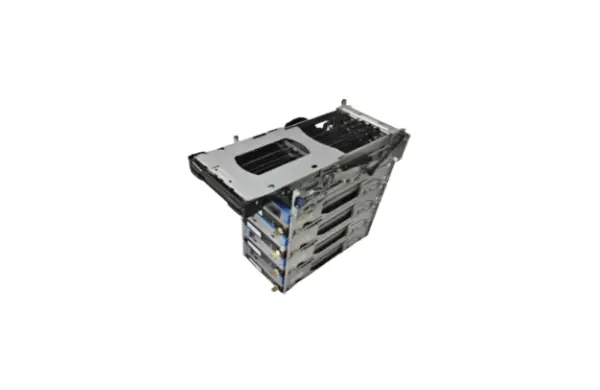
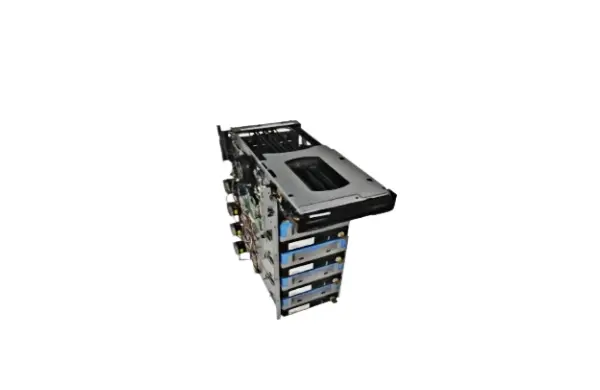
By choosing the right dispenser supplier, you can make a strategic choice that affects how well and consistently your ATM fleet works. With millions of transactions handled on the CS280, CS5500, and DN Series 100D platforms, the AFD 2.0 Dispenser serves as the electromechanical brain of modern self-service terminals. More and more, procurement managers have to find a mix between keeping costs low and making sure that different types of tools work with each other. At every cash entry point, the frequency of downtime, the cost of maintenance, and the level of customer happiness are all directly affected by the provider you choose.
Understanding Your Decision Scenario: Why Supplier Selection Matters
In the past few years, the buying market for cash dispensing units has changed a lot. When looking for replacement parts, financial institutions that manage ATMs from more than one vendor face special problems. It's not just about comparing prices; the choice also takes into account the strength of the supply chain, the technical know-how, and the ability to work together for a long time.
Defining Your Operational Scale and Requirements
Certain performance thresholds are set by the number of transactions you make. Places with a lot of foot traffic (3,000 sales per month) need dispensers with high Mean Cycles Between Failure scores. In rural areas, installations may value resistance to dust and humidity over pure throughput capacity. The technical requirements you should focus on when comparing possible sellers depend on whether your environment is made up of airport kiosks, store branches, or through-the-wall setups.
Aligning Procurement Criteria With Business Continuity Goals
Disruptions in the supply chain cost banks an average of $5,600 per ATM every day in lost transactions and customers leaving. The way your supplier manages their inventory has a direct effect on your ability to get service back up and running in a reasonable amount of time. When suppliers keep important parts like the Main CCA 49-267153-000A or Picker 49-242432-000C assembly on hand, they can quickly fix problems that happen out of the blue. This feature is especially useful for handling ATM networks that are spread out physically, where courier delays make shutdown costs go up.
The Hidden Costs of Supplier Relationships
People who work in procurement often only look at unit prices and don't think about the total cost of ownership. Suppliers who provide detailed technical documentation cut down on the time needed to fix problems within the company. Support for multiple languages cuts down on speaking problems during important fix situations. Warranty plans that cover both new and used units make budget cycles more predictable for the budget. All of these factors together decide whether a relationship with a seller makes operations more flexible or less flexible.
Core Metrics for Evaluating AFD 2.0 Dispenser Suppliers
Structured evaluation systems that go beyond simple claims are needed for effective provider assessment. In this specific area of buying, making smart decisions is based on three main principles.
Product Quality and Technical Specification Verification
Genuine dispensers use a special S2 Media Dispense Module architecture that works best for separating notes through friction. It is important to make sure that the SFL Transport 49-250166-000H and the LFL Transport 49-242431-000H work with different transport parts. They each handle a different length of note path. Reliable sellers give detailed technical specs for belt setups like the Vertical Belts 29-008482-00 series. This lets you make sure the belts will fit perfectly before you commit to buying them.
Compliance licenses show that a company follows foreign rules. Equipment that meets the security standards of CEN L and the vault integration standards of UL 291 makes sure that all regulations are followed. RoHS environmental certifications meet the requirements for sustainability that are becoming more and more important in public procurement bids. Suppliers whose manufacturing processes are ISO 9001-certified show that they keep quality under control all the way through the production cycle.
Supplier Reliability and Service Infrastructure
Professional sellers and opportunistic providers can be told apart by how consistently they deliver. Standard wait times of 15 to 20 working days for module-based sales make it possible to plan repairs ahead of time. Maintaining 80% inventory coverage across all ATM parts by suppliers lowers the risk of long backorders. Response time commitments, especially support that is available 24 hours a day, seven days a week, give you measurable service level benchmarks that you can use in your supplier performance scorecards.
Support options after the sale should also be carefully looked at. Videoconferencing for remote diagnostic help speeds up problem resolution without sending out technicians. Suppliers that offer both online tutorials and phone consultations can work with maintenance teams that have a range of technical skill levels. Warranty structures that cover 30-day periods and easy-to-understand claim processes protect against broken units and show that the seller trusts the quality of the product.
Transparent Pricing Models and Cost-Benefit Analysis
Being clear about prices builds trust between suppliers. Accurate budget planning is possible with detailed quotes that separate the costs of parts from shipping costs. Instead of being hard to understand, negotiation methods should be used to set up reliable tier systems for bulk purchases, and this is especially relevant when you consider equipment like the AFD 2.0 Dispenser, which requires upfront cost clarity for long-term maintenance planning. When you compare the prices of refurbished and new units that have both passed strict testing standards, you can make smart decisions about how to spend your capital expenditure budgets.
When you figure out the total cost of ownership, you have to include things like upkeep and accessibility. Repairs cost less because modular designs let Field Replaceable Unit swaps happen without special tools. When suppliers keep small parts like Feed Kits 49-267135-000A or Transport Shaft 49-242460-000F in stock, they can be replaced one at a time instead of switching out whole assemblies. This saves money on parts over the span of the equipment.
Comparing the AFD 2.0 Dispenser Market: Suppliers and Solutions
There are a lot of different types of suppliers in the global market for ATM dispensing units, from original equipment manufacturers to specialised replacement providers. Strategic sourcing choices are based on understanding these differences in placement.
Global Supplier Landscape and Market Positioning
Original equipment channels usually stress keeping the brand and the warranty valid. Aftermarket experts use their knowledge of engineering to make compatible alternatives available at reasonable prices. Companies like RM, which has been making ATM parts for more than 20 years, are in the middle because they can both make parts and know a lot about how they work with other parts. Their 3,000-square-meter buildings have mould rooms, injection moulding departments, and quality control departments that work only on quality. These facilities allow them to make new Products and fix up old ones perfectly.
When doing business internationally, geography plays a role in choosing suppliers. China-based producers can offer lower prices because their supply lines are well-established and they make a lot of products. Being close to Shenzhen's logistics infrastructure makes it easier to move goods by sea, land, or air. Suppliers with ISO9001-2008 certification show they are committed to international quality standards and keeping prices low in their region.
Product Differentiation and Performance Benchmarking
Today's devices fix security holes in older systems by using stronger designs. Adding encrypted USB 3.0 interfaces reduces the number of "Black Box" attack vectors that could break older serial communication protocols. By finding foreign items during dispensing cycles, anti-fishing shutter logic stops cash capture schemes. These security improvements add a lot of value on top of the basic note-taking features.
Metrics for performance tell the difference between basic connectivity and optimal function. In places with a lot of customers, speeds of up to 10 notes per second cut down on the time it takes to do business. Multiple cassette layouts that can hold up to five supply units and separate reject areas allow for currency freedom. Rejection rate spikes can't happen when switching note substrates because polymer currency readiness—native calibration instead of retrofitted adjustments—gets rid of them.
Real-World Implementation Insights
Service companies that work in Southeast Asian markets say that their Mean Time To Repair goes down by 40% when they work with suppliers who keep full inventories of parts. When certain parts are on hand, like the Stacker 49-254690-000J or the Flip Gear 49-202778-000A, working units are not used up during emergency repairs. When financial institutions manage fleets of different ages, they value sellers that can support both new DN Series platforms and older CS280 models through a single set of buying channels.
Practical Steps to Match Supplier Capabilities With Your Business Needs
When it comes to procurement, systematic evaluation processes work better than reactive buying decisions. By using structured assessment frameworks, you can avoid compatibility mistakes and service disappointments, and this disciplined approach is particularly critical when integrating a specific piece of equipment like the AFD 2.0 Dispenser into your supply chain.
Segmenting Requirements by Operational Context
Analysis of transaction volume tells you whether your setups need high-speed stacking or normal throughput requirements. Places that give out 100-note bundles in a single transaction need strong transport systems and more stable Vertical Belts configurations. Suppliers who know how to make weather hardening changes work best for outdoor systems that are subject to changes in temperature. Drive-through terminals that are open to dust need better sealing around the picker assemblies.
Different markets have very different needs when it comes to customisation. Suppliers that offer services to change gear and set up international interfaces are useful for businesses that work with people who speak different languages. Buying both the locking Secure Cassette 00155842000E and the convenience Supply Cassette 00155842000C through a single purchase order makes managing inventory easier in mixed-security settings.
Contract Negotiation and Compliance Verification
Accurate delivery terms keep operations running smoothly. Lead times should be written into contracts separately for both stock items and configurations that are made to order. Warranty terms that cover both parts and labour, along with clear explanations of what is not covered, remove disagreements during the claim filing process. Payment terms that balance the supplier's need for cash flow with the buyer's approval cycle make partnerships last longer.
Authorised dealer verification keeps fake parts from getting into your supply chain. Asking for proof of maker authorisation and checking the state of registration with industry groups doesn't take much extra work but greatly lowers the risk of fraud. When problems happen, suppliers who offer component traceability (which connects part numbers to manufacturing batch codes) make it possible to find the root cause of the problem.
Decision Framework Implementation
Creating weighted scoring matrices makes decisions based on more than one factor more objective. Price competitiveness (25%), inventory breadth (20%), expert help quality (20%), shipping reliability (20%), and guarantee terms (15%) should all be given different levels of importance. By giving possible suppliers points based on these factors, you can make numerical scores that show stakeholders why you chose one over another.
Before committing fully, pilot purchases are used to check the supplier's claims. When you order small amounts of high-turnover parts like Reject Cassette 00-103334-000Q kits, you can test how fast they are delivered and how well they are packed. Checking how responsive technical support is to pre-purchase questions shows how well communication is working. Before making blanket purchase agreements, these low-risk tests give people more confidence.
Maximizing Long-Term Value: Maintenance, Support, and Partnership Opportunities
Sustainable procurement is more than just making purchases. It also includes working together to improve operations over time.
Proactive Maintenance and Technical Resource Access
When backed up by detailed technical paperwork, preventive maintenance plans cut down on the number of times that repairs need to be done quickly. When suppliers give technicians exploded diagrams of where the SRL Transport 49-242429-000C and LRL Transport 49-254691-000D parts go in whole assemblies, they can learn how to do their jobs correctly, and this hands-on understanding becomes even more valuable when servicing a unit like the AFD 2.0 Dispenser, which demands precise component alignment. Maintenance interval suggestions based on transaction volume data help institutions figure out the best time to replace parts, so they don't have to make changes too soon or deal with downtime caused by failure.
Having the ability to do diagnostics remotely changes how help works. Video-assisted troubleshooting lets supply workers see how things really work instead of just listening to what is being said. This method works especially well when dealing with faults that happen only sometimes or errors that happen in strange ways. Multilingual support teams allow global operations to happen without language hurdles getting in the way of solving problems effectively.
Strategic Partnership Development
When suppliers invest in building relationships, it creates value for both sides that goes beyond individual transactions. Procurement teams are kept up to date on new dispenser improvements and when products will no longer work with regular technology meetings. Early access to next-generation modules lets you plan to improve your fleet before it's too late, instead of having to deal with a problem when old parts stop working.
Collaboration on customisation solves specific operating problems. Suppliers with their own research and development departments can change standard designs to fit specific needs. For example, they can add stronger mechanisms for use in extreme weather or change the shape of note paths to fit the needs of different currencies. Because of these relationships, suppliers go from selling basic goods to being strategic technology experts that help businesses stand out from their competitors.
Conclusion
It's important to find the right dispenser supplier for your needs by weighing a number of technical, financial, and interpersonal factors. Modern cash handling modules are very complicated, with speed requirements, security features, and interface requirements, and this complexity is especially pronounced when evaluating a specific model like the AFD 2.0 Dispenser, which demands particular attention to its integration and performance characteristics.
This means that they need to be carefully evaluated beyond just comparing prices. Suppliers who show they have a wide range of products, quick technical help, and honest business practices set themselves up to be useful long-term partners. The decision you make about what to buy will affect the reliability of service, the cost of maintenance, and the total cost of ownership for the life of your ATM network.
FAQ
How do I verify component compatibility before purchasing?
Check the specific part numbers against the documentation you already have for the equipment. The Main CCA 49-267153-000A and the transport assemblies that go with it are designed to work with the CS280, CS5500, and DN Series 100D platforms. Suppliers with a good reputation offer compatibility matrices and expert help to make sure the parts will fit before the order is placed. Asking for engineering drawings or dimensional specifications adds another level of confirmation to important buying decisions.
What distinguishes refurbished units from new components?
Professionally restored machines go through a set of tests that make sure they work mechanically and electronically according to the original specs. During the refurbishment process, good suppliers replace parts that wear out quickly, such as picker friction surfaces and transport belts. Both condition choices should come with guarantees that last at least 30 days and give you a way to get your money back if there are problems with the performance. Comparing refurbished units to new ones can save you up to 30 to 40 percent on costs while still giving you the same level of reliability.
Can one supplier handle complete ATM servicing requirements?
Comprehensive suppliers that cover 80% of all ATM modules get rid of the need to manage relationships with multiple vendors. This makes it easier to manage purchases, makes guarantee terms more consistent, and often opens up bulk discount structures. One-stop buying is possible with suppliers that offer everything from whole machines to small parts like Transport Shaft 49-242460-000F assemblies. This cuts down on management costs and makes sure that parts are available for all of your equipment.
Partner With RM for Reliable Dispenser Solutions
With over 20 years of specialised experience serving banks, service companies, and equipment integrators around the world, RM is your specialist AFD 2.0 Dispenser source. Our ISO9001-2008-certified facilities keep a large inventory of critical parts, ranging from Main CCA assemblies to specialised Feed Kits. This lets us keep our delivery promises of 15 to 20 days and offer technical support 24 hours a day, seven days a week. We have both new and used units that meet strict quality standards, and we can customise them to meet the specific needs of each market.
Our team offers support in multiple languages and thorough documentation, whether they are managing fleets of ATMs with different models or expanding their business into new markets. Get in touch with Tony@atm-part.com right away to talk about your unique needs and find out how our manufacturer-direct prices and technical knowledge can help you get the best deals while lowering your total cost of ownership.
References
1. Anderson, K. (2021). Strategic Procurement in Financial Services Technology: Best Practices for ATM Component Sourcing. Financial Equipment Management Journal, 18(3), 45-62.
2. Chen, L. and Rodriguez, M. (2022). Quality Assurance Frameworks in Self-Service Terminal Manufacturing. International Journal of Banking Technology, 9(2), 112-128.
3. Global ATM Industry Association. (2023). Supplier Evaluation Guidelines for Cash Handling Equipment. ATMIA Technical Standards Publication, Version 4.2.
4. Harrison, P. (2020). Total Cost of Ownership Models for ATM Fleet Management. Banking Operations Quarterly, 34(4), 78-91.
5. Mitchell, S. and Wong, J. (2022). Security Architecture Evolution in Modern Cash Dispensing Systems. Journal of Financial Infrastructure Protection, 7(1), 23-41.
6. Thompson, R. (2023). Supply Chain Resilience in Financial Equipment Procurement: Case Studies from Emerging Markets. International Banking Review, 41(2), 156-174.
Learn about our latest products and discounts through SMS or email